
Many adults experience occasional fatigue, digestive discomfort, or skin changes without realizing these could relate to everyday factors like diet, stress, or aging. These subtle shifts often go unnoticed because liver issues can develop quietly over time, with research showing that conditions like nonalcoholic fatty liver disease affect up to 30-38% of adults globally. It’s common to brush them off, but paying attention to patterns in your body can provide valuable insights into your overall health.
The frustrating part? These signs can build gradually, making it hard to connect the dots until they’ve persisted for months or years. Yet, many people find that becoming aware of them encourages timely conversations with a healthcare provider.
But here’s something encouraging: The liver has a remarkable ability to support itself when given the right conditions. Stick with me as we explore these 12 common signs—backed by insights from sources like Mayo Clinic and Cleveland Clinic—and discover practical ways to monitor your well-being that you can start today.
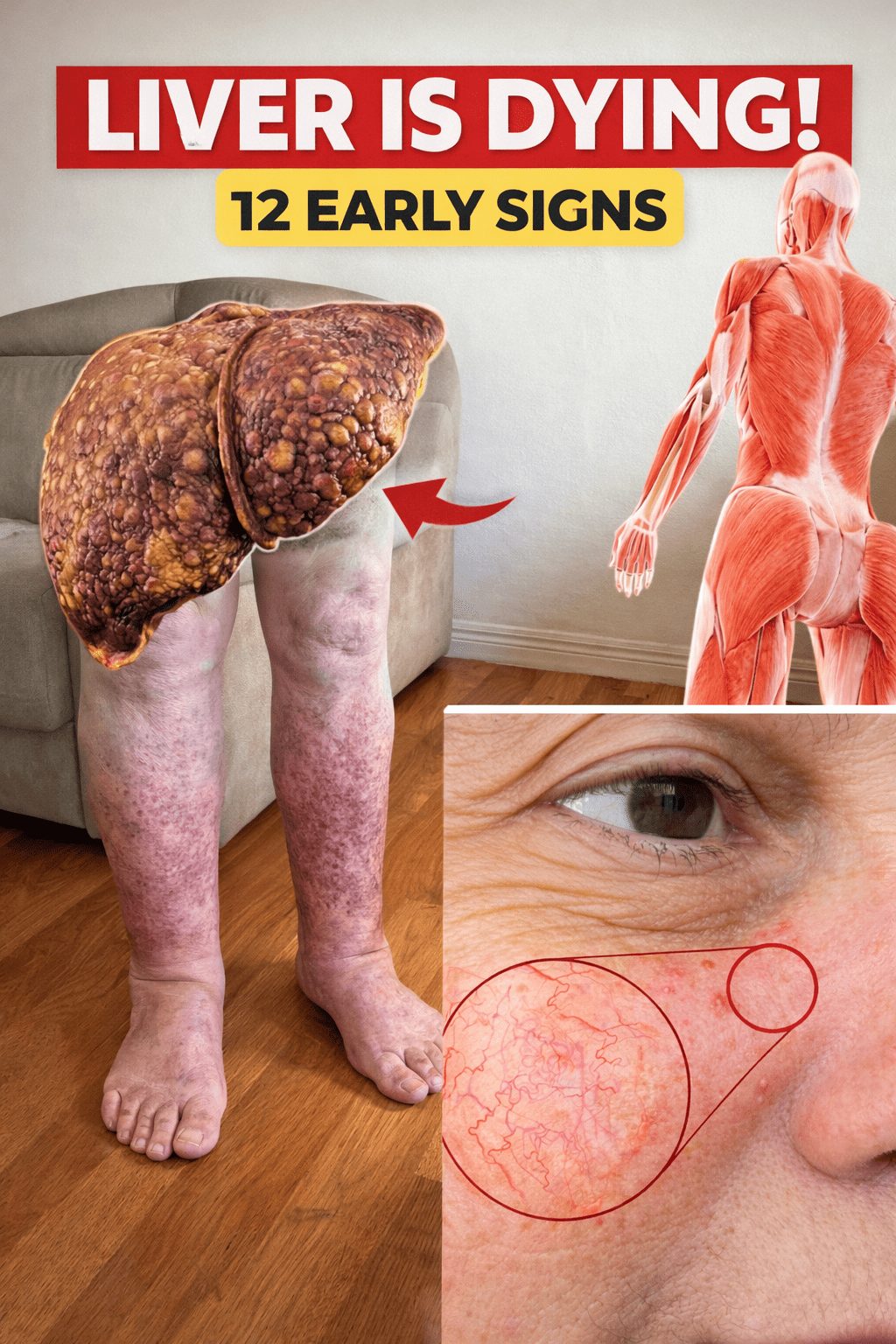
Why Paying Attention to Your Liver Health Matters
Your liver handles hundreds of essential tasks daily, from filtering toxins to processing nutrients and supporting digestion. Modern lifestyles—rich foods, occasional alcohol, or metabolic factors—can add extra demands over time.
Studies indicate that liver conditions are on the rise, with nonalcoholic fatty liver disease now impacting a significant portion of the population. The good news? Many experts note that early awareness often leads to better outcomes through simple monitoring and professional guidance.
But that’s not all—let’s dive into the signs themselves.
The 12 Common Signs to Watch For
Here are 12 subtle indicators that research and medical sources frequently associate with liver stress. Remember, these can stem from various causes, so they’re worth discussing with your doctor if they persist.
1. Easy Bruising or Bleeding
Minor bumps leading to noticeable bruises? This happens when the liver produces fewer clotting proteins.
Sources like Cleveland Clinic highlight that reduced clotting factors can make bruising more apparent.
Quick tip: Track how often this occurs over a week.
2. Swelling in the Legs, Ankles, or Abdomen
Puffiness that worsens by evening? Low levels of albumin, a protein made by the liver, can allow fluid to accumulate.
Mayo Clinic notes this as a common observation in liver-related discussions.
Practical step: Elevate your legs for 15-20 minutes daily and note any changes.

3. Spider-Like Blood Vessels on the Skin
Small, web-like red lines on the chest, face, or arms? These may appear due to shifts in hormone processing.
WebMD mentions spider angiomas as a visible pattern to observe.
Self-check: Examine your upper body in good lighting occasionally.
4. Pale or Light-Colored Stools
Stools appearing clay-like or pale? This can signal reduced bile flow reaching the intestines.
Multiple sources, including Healthline, describe changes in stool color as noteworthy.
Bonus: Increasing fiber intake from whole foods may support regularity.
5. Persistent Itchy Skin
Unexplained itching, especially on palms or soles, without a rash? Bile salts building up in the blood can irritate nerves.
Cleveland Clinic and others report pruritus as a frequent complaint.
Relief idea: Use fragrance-free moisturizers and avoid hot showers.
6. Yellowing of the Skin or Eyes (Jaundice)
A yellowish tint to the skin or whites of the eyes? This occurs when bilirubin builds up.
Jaundice is one of the most recognized signs across medical resources like Mayo Clinic.
Monitor: Check in natural light if you notice any subtle changes.
You’re halfway through—keep going!
7. Ongoing Fatigue
Feeling unusually tired despite rest? Toxin buildup or metabolic shifts can contribute to low energy.
Research in journals notes fatigue as a common early observation in liver conditions.
Actionable: Prioritize consistent sleep and gentle activity like walking.
8. Brain Fog or Confusion
Difficulty concentrating or mood changes? Ammonia and other substances crossing into the brain may play a role.
Sources describe mild cognitive shifts as potential indicators.
Tip: Stay hydrated and note patterns in mental clarity.
9. Nausea or Loss of Appetite
Frequent queasiness or feeling full quickly? Toxin irritation can affect digestion.
WebMD lists nausea as an ongoing issue for many.
Suggestion: Eat smaller, balanced meals and track triggers.

10. Discomfort in the Upper Right Abdomen
A dull ache under the right ribs? Liver enlargement can stretch its covering.
Cleveland Clinic mentions abdominal discomfort as a signal to note.
Gentle approach: Avoid tight clothing and monitor after meals.
11. Unexplained Weight Changes
Sudden loss of appetite leading to weight drop? Digestion and hormone issues may factor in.
Multiple studies link appetite shifts to liver observations.
Track: Weigh yourself weekly under similar conditions.
12. Dark Urine
Urine appearing tea-colored? Excess bilirubin can spill into the urine.
Dark urine pairs often with other signs, per reliable sources.
Hydration check: Aim for clear or pale urine most days.
Here’s a quick reference table for easy scanning:
| Sign | Area Affected | Common Observation | When to Note It More Closely |
|---|---|---|---|
| Easy Bruising | Skin/Blood | Bruises from minor bumps | Frequent or large bruises |
| Swelling | Legs/Abdomen | Puffiness worse in evenings | Persistent over days |
| Spider Veins | Upper Body | Red web-like patterns | New or increasing clusters |
| Pale Stools | Digestion | Light or clay-colored | Consistent color change |
| Itchy Skin | Whole Body | No visible rash | Worse at night |
| Jaundice | Skin/Eyes | Yellow tint | Any noticeable yellowing |
| Fatigue | Overall | Unrelieved by rest | Daily impact |
| Brain Fog | Mental | Concentration issues | Affecting daily tasks |
| Nausea | Stomach | Frequent queasiness | With appetite loss |
| Abdominal Discomfort | Right Upper | Dull ache | After eating or persistent |
| Weight Changes | Overall | Unintended drop | Without diet change |
| Dark Urine | Kidneys | Deep color | Consistent darkness |
Common Factors and Everyday Habits to Consider
Certain lifestyle elements can add strain over time:
- Rich or processed foods
- Occasional alcohol
- Excess weight
- Certain medications
Supporting habits research often highlights:
- Balanced whole-food meals
- Regular movement
- Staying hydrated
- Limiting added sugars
Here’s a simple bullet list of steps you can try:
- Drink plenty of water daily (aim for 8-10 glasses)
- Include leafy greens and fruits in meals
- Walk 20-30 minutes most days
- Track symptoms in a journal for patterns
- Schedule routine checkups
The interesting part? Many people notice improvements in energy and comfort with consistent small changes.
Next Steps for Your Health
Start by observing your body without worry—knowledge empowers better decisions. Note any persistent signs and share them with your healthcare provider for personalized insights, such as blood tests if needed.
Thousands prioritize liver health through awareness and professional guidance each year.
Frequently Asked Questions
1. How common are these signs in everyday life?
Many people experience fatigue or itching from various causes, but patterns lasting weeks warrant a doctor’s visit. Sources like CDC note rising liver-related concerns due to lifestyle factors.
2. Can lifestyle changes make a difference?
Yes—experts from Mayo Clinic and others emphasize that habits like healthy eating and exercise support overall liver function when started early.
3. When should I see a doctor about these signs?
If multiple signs persist for more than a few weeks, or if you notice jaundice, severe swelling, or confusion, consult a professional promptly.
This article is for informational purposes only and is not a substitute for professional medical advice, diagnosis, or treatment. Always seek the advice of your physician or other qualified health provider with any questions you may have regarding a medical condition.


