
More than 37 million adults in the United States live with kidney concerns, and many feel unsure about what they can do day to day. As we age past 50, subtle changes like occasional fatigue, mild swelling, or shifting lab numbers can create quiet worry. The good news is that simple, evidence-based lifestyle habits may help support better kidney function and overall wellness. Keep reading to discover a surprising everyday habit that many people overlook but research suggests could make a meaningful difference.

Why Kidney Health Matters More After Age 50
Kidney function naturally changes with time. By age 50, many people notice their kidneys filter waste a bit more slowly than before.
This can lead to feeling more tired than usual or noticing slight puffiness in the hands or feet. Small daily choices can play a supportive role in how well kidneys keep up with their important job.
Research shows that consistent healthy habits may help maintain stable kidney markers for longer. The key is starting with manageable steps that fit into your routine.
Habit 1: Stay Mindfully Hydrated Throughout the Day
Water helps your kidneys flush waste efficiently. Many adults don’t drink enough fluids, especially as they get older.
Studies suggest proper hydration supports healthy blood flow to the kidneys and may help dilute substances that could form crystals. Aim for clear or pale yellow urine as a simple guide.
Start small: Carry a reusable bottle and sip steadily. Add slices of lemon or cucumber for natural flavor if plain water feels boring.
Here’s a quick hydration tip list:
- Drink a glass of water first thing in the morning
- Have water with each meal and between meals
- Choose herbal teas if you want variety
- Limit caffeinated or sugary drinks that may dehydrate
But hydration alone isn’t enough—let’s look at food choices next.
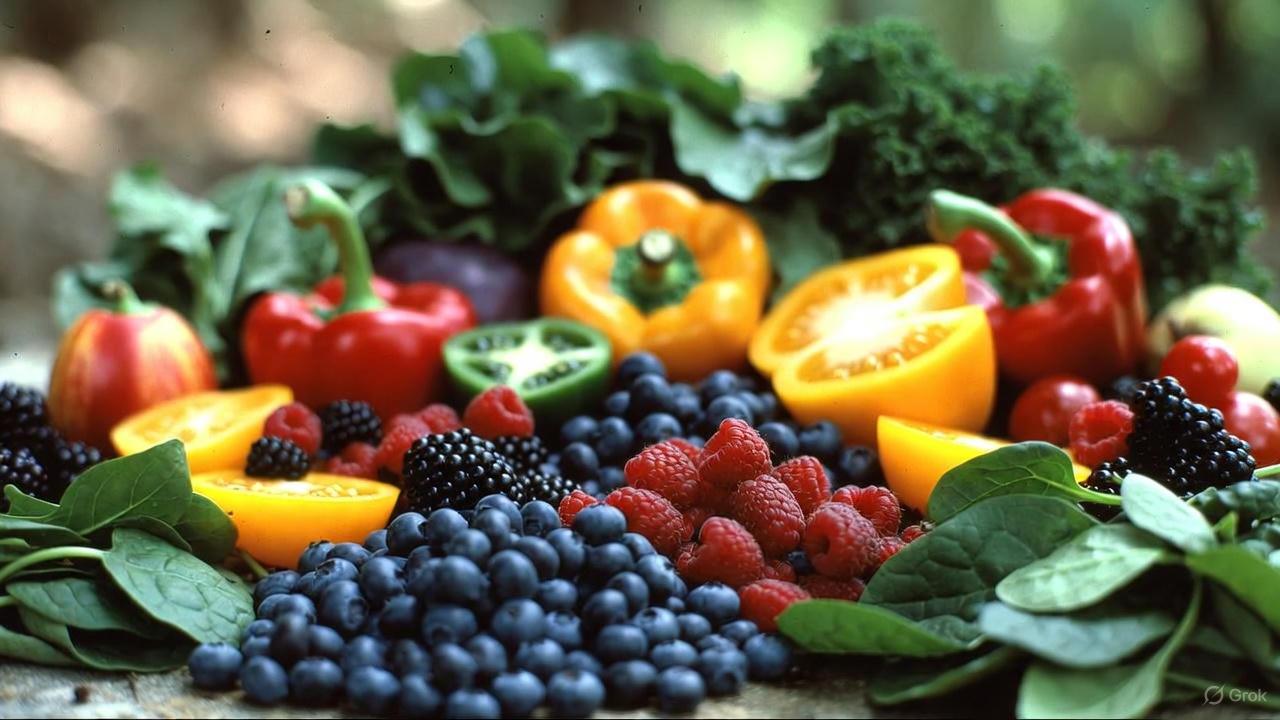
Habit 2: Choose Kidney-Friendly Foods Rich in Antioxidants
Colorful fruits and vegetables contain natural compounds that help protect cells. Berries, bell peppers, and leafy greens are excellent options for most people.
Some research indicates that antioxidant-rich diets are linked to better kidney health markers over time. Focus on variety rather than strict rules.
A few easy swaps:
- Add blueberries to breakfast oatmeal
- Include spinach or kale in salads
- Snack on apple slices with a few nuts
- Roast mixed vegetables for dinner
Remember portion balance—enjoy these foods as part of meals rather than in extreme amounts.
This brings us to an important nutrient many people lack…
Habit 3: Support Healthy Vitamin D Levels
Vitamin D plays several roles in the body, including helping regulate blood pressure and inflammation. Low levels are common after age 50.
Studies have found associations between adequate vitamin D and slower decline in kidney function in some populations. Safe sun exposure, fortified foods, or supplements (under medical guidance) can help.
Simple ways to boost intake:
- Spend 10–15 minutes in morning sunlight most days
- Eat fatty fish like salmon twice a week
- Choose fortified milk or orange juice
- Talk to your doctor about testing levels
Habit 4: Include Soluble Fiber from Whole Foods
Fiber from oats, beans, apples, and flaxseeds helps support gut health. A healthy gut may reduce the amount of certain waste products that reach the kidneys.
Research on soluble fiber sources, including acacia fiber, suggests potential benefits for toxin clearance in some studies. Start gradually to avoid discomfort.
Easy fiber-boosting ideas:
- Start the day with oatmeal topped with fruit
- Add beans to soups or salads
- Choose whole grains over refined versions
- Sprinkle ground flaxseed on yogurt
You’re already halfway through the five habits—keep going.
Habit 5: Practice Smart Sodium and Protein Balance
Too much sodium can raise blood pressure, which affects kidney blood flow. Most excess sodium comes from processed foods, not the salt shaker.
Moderate protein intake helps avoid extra workload on kidneys while still meeting nutritional needs. Plant-based proteins often come with added fiber benefits.
Practical steps:
- Read labels and choose lower-sodium options
- Flavor food with herbs, garlic, lemon, or vinegar
- Include plant proteins like lentils or quinoa regularly
- Work with your doctor or dietitian for personalized protein goals
Simple 4-Week Plan to Build These Habits
Week 1: Focus on hydration and adding one colorful vegetable daily
Week 2: Include a fiber-rich breakfast most mornings
Week 3: Get morning sunlight and choose lower-sodium snacks
Week 4: Combine all habits and notice how you feel
Track energy levels or swelling in a small journal. Small consistent actions often bring the biggest rewards.
Common Questions About Natural Kidney Support (FAQ)
How much water should I drink daily for kidney health?
Most adults benefit from about 8–10 cups of fluid, adjusted for activity, climate, and health conditions. Listen to your body and consult your doctor.
Can diet changes really make a difference in later stages?
Research suggests lifestyle habits may help support function and quality of life at any stage, though individual results vary.
Are supplements safe for kidney health?
Some supplements can interact with medications or affect kidney function. Always check with your healthcare provider before starting any new supplement.
This article is for informational purposes only and is not medical advice. Please consult your healthcare provider before making changes to your diet or lifestyle, especially if you have existing kidney concerns or take medications. Individual needs vary, and professional guidance is essential for safety.


