
Many people start taking amlodipine to help manage high blood pressure, feeling hopeful about supporting their heart health. But then small changes appear—like swollen ankles in the evening or a sudden warm feeling in the face—and it leads to quiet worry about what’s normal. These unexpected sensations can make everyday moments feel uncertain, turning something meant to help into a source of daily frustration. The good news? Most of these experiences are common adjustment signals from your body, and there are gentle ways to navigate them. But here’s the reassuring part you’ll want to read to the end: a few everyday habits can often make a noticeable difference without big changes.

How Amlodipine Works and Why Your Body Might React
Amlodipine belongs to a group of medications called calcium channel blockers. It helps relax and widen blood vessels, making it easier for blood to flow and reducing the workload on your heart.
This is its main benefit for long-term heart health. However, as vessels relax, blood flow patterns shift slightly, which can lead to temporary sensations as your body adapts.
Research shows these effects are usually mild and often improve over time as your system adjusts. For instance, studies have found that common experiences like swelling or flushing tend to be more noticeable in the early weeks.
But that’s not all—understanding the “why” behind them can turn confusion into confidence.
Seven Common Sensations Many People Notice
These are some of the most frequently reported experiences, based on clinical data and patient reports. See if any sound familiar.
- Swelling in the ankles or feet
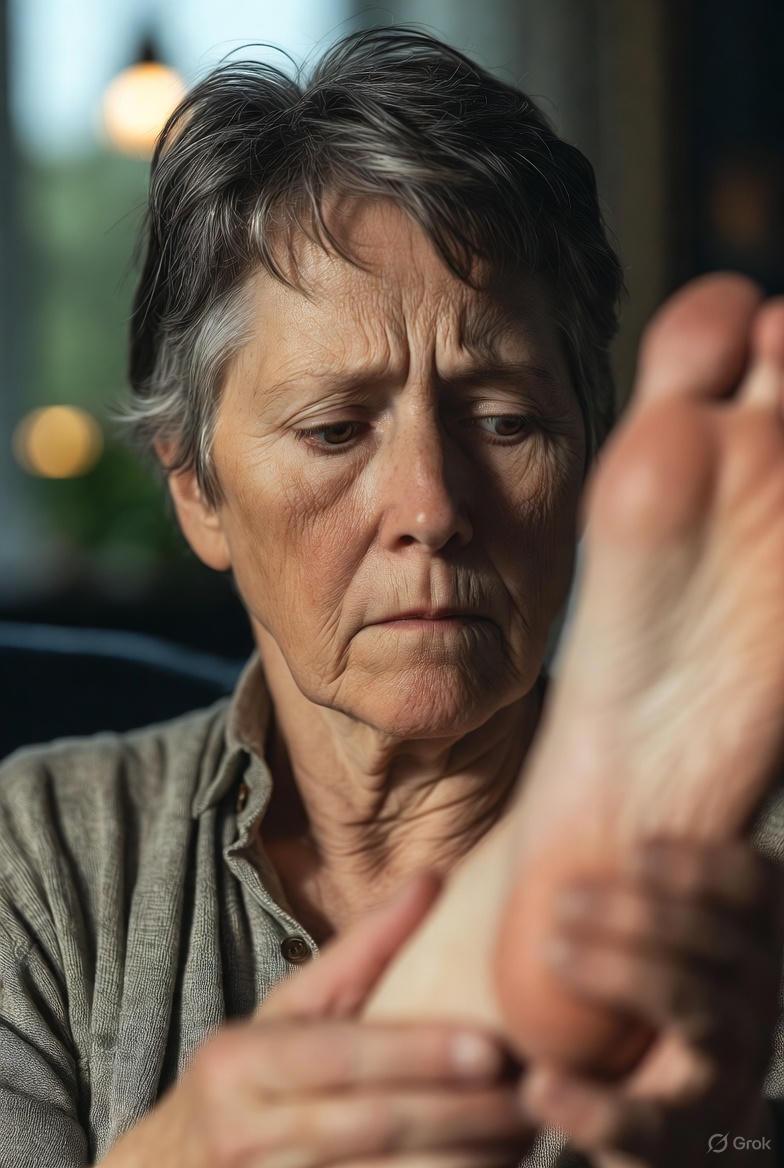
You notice your shoes feel tighter toward the end of the day, or sock marks linger. This happens because relaxed vessels can allow a bit more fluid to settle in the lower legs due to gravity. It’s one of the most common sensations, often mild and painless. - Warm flushing in the face or neck
A sudden warmth spreads across your cheeks, like a brief blush. Wider surface vessels let more blood flow near the skin, creating temporary heat that usually fades quickly. - Lightheadedness when standing up
You stand from sitting and feel a momentary wooziness before it passes. This can occur as blood pressure adjusts to position changes, especially early on. - Waves of tiredness
Energy dips unexpectedly, even after a good night’s sleep. Shifting circulation during adaptation periods can play a role here. - Mild headaches
A dull ache shows up, particularly in the first few weeks or after a dose adjustment. Changes in blood flow, combined with daily factors like dehydration, can contribute. - Noticing your heartbeat more
At rest, you feel a stronger thump in your chest. The rhythm stays the same, but enhanced flow can make it more aware. - Warmth or heaviness in the legs
During a walk or activity, legs feel slightly warmer or heavier. Increased blood reaching the limbs can create this temporary feeling.
The encouraging part? For many, these soften or lessen as weeks go by.

Quick Comparison of Common Sensations
Here’s a simple table to spot patterns faster:
| Sensation | What’s Often Happening | When It’s Commonly Noticed |
|---|---|---|
| Ankle/foot swelling | Fluid settling in relaxed lower vessels | Evenings or after standing |
| Facial flushing | Surface vessels widening briefly | Random, short episodes |
| Lightheadedness | Blood pressure adjusting to posture | When standing quickly |
| Tiredness waves | Circulation shifts during adaptation | Midday or afternoons |
| Mild headaches | Changes in blood flow | Early weeks |
| Heartbeat awareness | Increased flow sensation | At rest |
| Leg warmth/heaviness | More blood to limbs | During movement |
Seeing them side by side like this helps reveal they’re often tied to daily routines.
Gentle Everyday Habits to Support Comfort
You don’t need to overhaul your life—the most effective steps are straightforward and easy to add one at a time. Many people find relief by focusing on just a couple.
Here are some practical tips backed by common recommendations:
- Move lightly throughout the day: Short walks or gentle ankle circles encourage fluid movement and healthy circulation.
- Stay hydrated: Sip water regularly—it supports steady blood flow and can ease lightheaded moments.
- Elevate your legs when relaxing: Prop them up for 10-15 minutes in the evening to reduce lower-leg pooling.
- Stand or sit slowly: Pause for a few seconds when changing positions to give your body time to adjust.
- Track what you notice: Jot down timing or triggers in a simple note—it often uncovers helpful patterns.
- Keep cool during flushes: A fan or cool cloth can provide quick relief if warmth appears.
Consistency with even one or two of these can build steadier days. Research suggests lifestyle supports like these complement medication well.
But wait—there’s more to feeling in control.
Real-Life Examples That Feel Familiar
Consider Sarah, in her late 50s, who noticed evening ankle puffiness after starting amlodipine. It worried her at first. Then she tried short afternoon walks and leg elevation while watching TV. Over a few weeks, it became less bothersome, and she felt more at ease.
Or Tom, 62, who experienced occasional flushing and lightheadedness. He realized it tied to rushed mornings. By drinking more water and standing slowly, things steadied—and he shared his notes confidently at his next check-up.
Their stories show small observations lead to meaningful comfort.
When to Reach Out for Guidance
Most sensations are mild and temporary. Still, it’s wise to listen to your body.
Contact your healthcare provider if you experience:
- Severe or sudden dizziness that doesn’t pass quickly
- Significant or rapid swelling
- Chest discomfort or shortness of breath
- Any new change that feels concerning or disrupts your routine
Open conversations often bring reassurance or simple adjustments.
Wrapping It Up: Turning Awareness Into Ease
Starting amlodipine is a positive step for many toward better heart health. The early adjustment period brings common sensations that are usually signals, not setbacks. With gentle habits, pattern tracking, and professional guidance when needed, most people find greater comfort over time.
Reflect for a moment: Which sensation resonates most? Which small habit could you try first this week?
Sharing experiences like these can help others feel less alone—consider passing this along.
Frequently Asked Questions
How long do common amlodipine sensations typically last?
Many people notice improvement within a few weeks as the body adapts, though it varies. Tracking helps spot your pattern.
Can daily habits really make a difference?
Yes—simple steps like hydration, movement, and slow position changes often support comfort, as noted in patient guidance resources.
Is swelling always from amlodipine?
It’s a common association, but other factors can contribute. Discuss with your provider for personalized insight.
This article is for informational purposes only and is not a substitute for professional medical advice. Always consult your healthcare provider for guidance on medications, symptoms, or health concerns.


