
Many people notice changes in their skin as they get older, such as uneven tone or dark spots from sun exposure and daily life. These common concerns can make anyone feel less confident when looking in the mirror. The good news is that some everyday natural items might offer gentle support for healthier-looking skin.
What if something as simple as red onion, often found in your kitchen, could play a role? Let’s explore what research suggests about its potential benefits and how to use it safely.
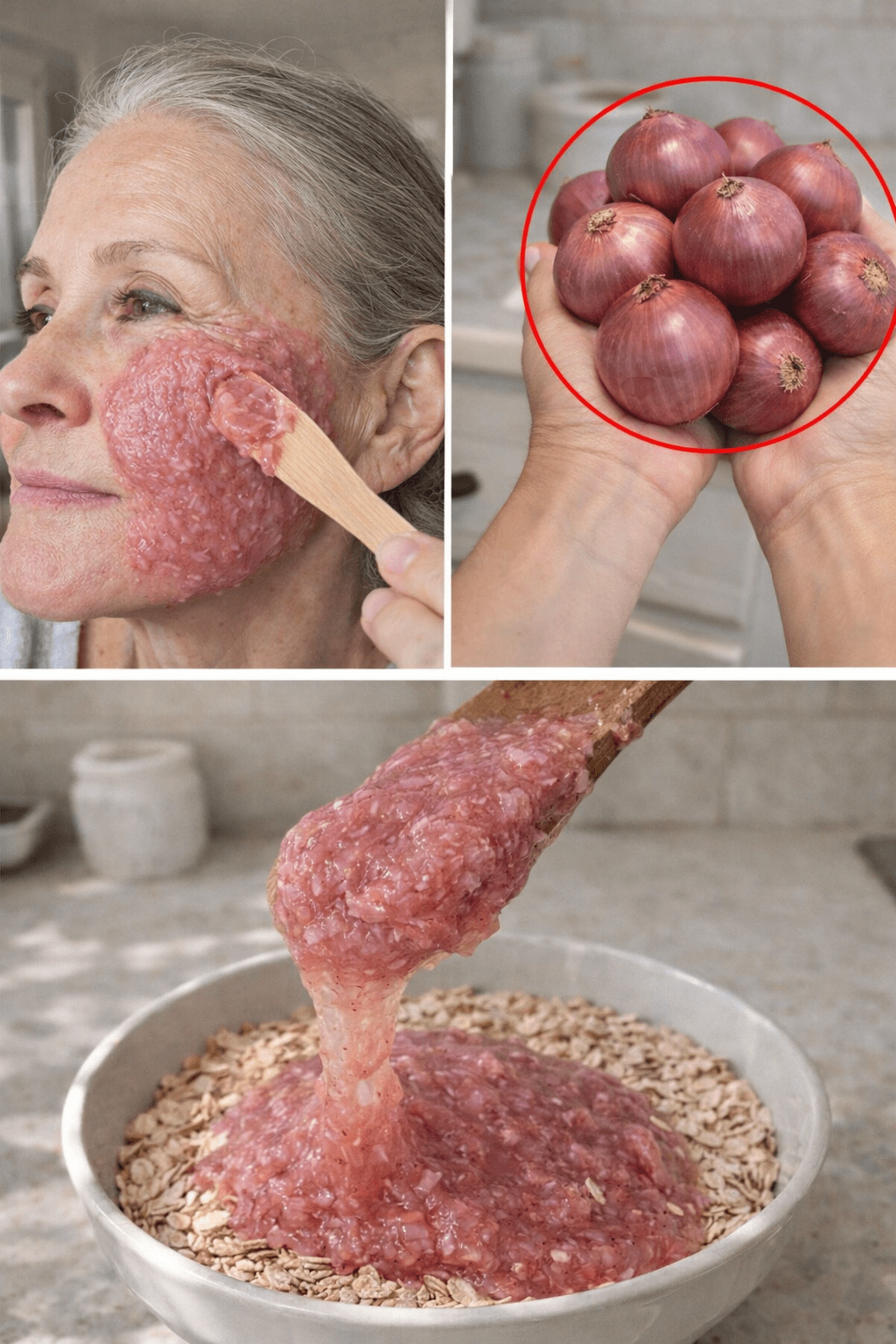
What Makes Red Onions Special for Skin?
Red onions stand out because they are rich in quercetin, a natural flavonoid with strong antioxidant properties. Antioxidants help protect skin cells from damage caused by free radicals, which come from things like UV rays and pollution.
Studies show that quercetin can reduce oxidative stress and support the skin’s natural defenses. For example, research on quercetin highlights its ability to lower markers of damage while boosting protective enzymes like SOD and GSH.
Red onions also contain sulfur compounds and vitamin C, which may contribute to overall skin health by promoting a brighter appearance.
But here’s the interesting part: while red onions have these compounds, direct application needs careful consideration to avoid irritation.
Potential Ways Red Onion Might Support Skin Glow
People often turn to natural ingredients for gentle skincare options. Here’s what some evidence points to regarding red onion or its key compound, quercetin:
- Antioxidant Protection: Quercetin neutralizes free radicals, potentially helping skin look more radiant over time. Research indicates it may shield against daily environmental stressors.
- Even Skin Tone Support: Some studies suggest quercetin can influence melanin production pathways, which might help with uneven pigmentation. A systematic review found it inhibits tyrosinase activity, an enzyme involved in pigment formation.
- Collagen and Firmness: Antioxidants like those in red onions may indirectly support collagen maintenance by reducing breakdown from oxidative stress.
- Soothing Effects: The anti-inflammatory properties of quercetin could calm occasional redness or irritation.
That said, most strong evidence comes from quercetin itself or onion extract in controlled products, not raw juice. Real results vary, and consistency matters.
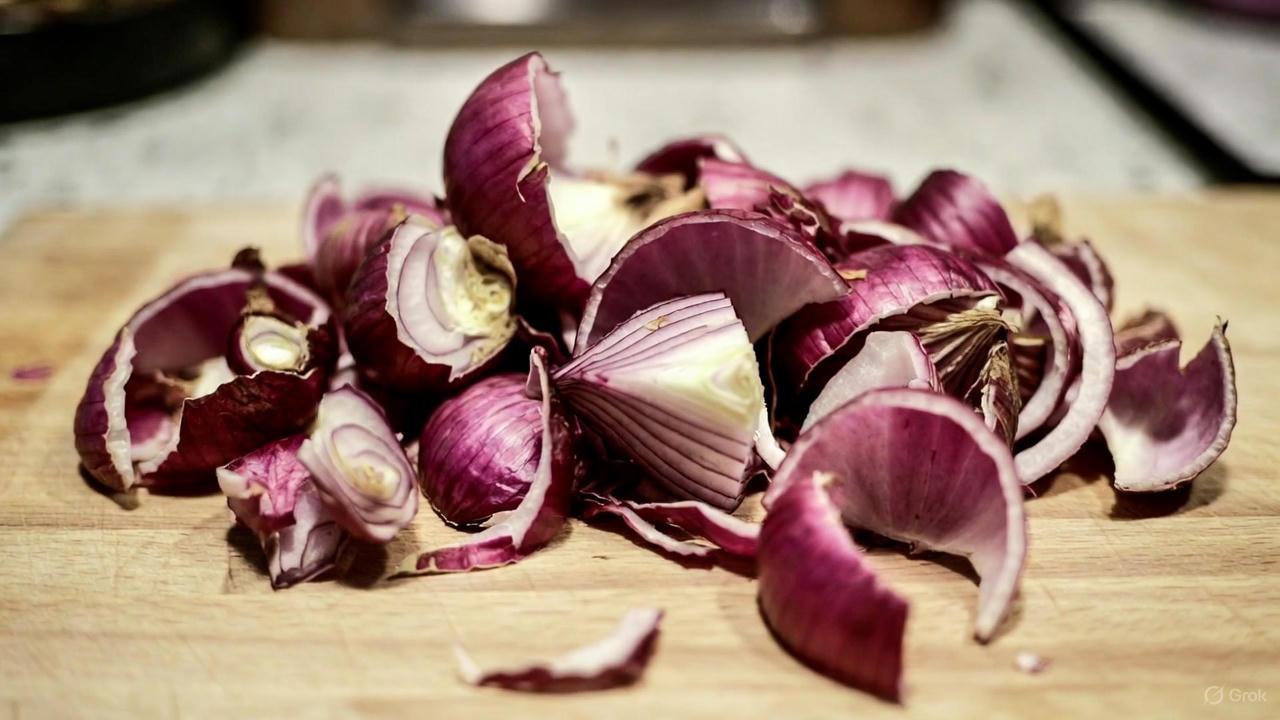
Scientific Insights on Quercetin and Skin
Research on quercetin provides promising clues:
- A meta-analysis of 65 studies showed quercetin significantly reduces oxidative markers and melanin content while protecting against UV-induced damage.
- In lab tests, onion peel extracts (rich in quercetin) demonstrated antioxidant and anti-inflammatory effects that aid wound healing.
- Topical quercetin has been studied for photoaging prevention, reducing signs like fine lines through pathways involving MMP-1 regulation.
However, direct topical use of raw red onion lacks large-scale human trials for pigmentation or wrinkles. Commercial onion extract gels are better studied for scar improvement, showing benefits in softness and appearance.
Here’s a quick comparison of common approaches:
| Concern | Red Onion/Quercetin Approach | Typical Skincare Options |
|---|---|---|
| Uneven Tone/Pigmentation | Potential tyrosinase inhibition from quercetin | Vitamin C serums, retinoids |
| Oxidative Stress | Strong antioxidant activity | Antioxidant-rich creams |
| Firmness | May support collagen indirectly | Peptides, hyaluronic acid |
| Cost | Affordable kitchen item | Varies, often higher |
Safe Ways to Try Red Onion at Home
If you’re interested in exploring red onion, start small and prioritize safety. Always dilute and patch test first.
Step-by-Step Guide for a Simple Red Onion Mask
- Grate or blend a small fresh red onion and strain the juice.
- Dilute it: Mix 1 part onion juice with 2-3 parts honey, yogurt, or aloe vera gel for soothing.
- Patch test: Apply a tiny amount to your inner arm and wait 24 hours.
- Apply gently: Use a cotton pad on clean skin for 10-15 minutes, 2-3 times per week.
- Rinse thoroughly with cool water and follow with moisturizer.
Bonus: Adding a bit of lemon (sparingly) might boost vitamin C, but avoid if sensitive.
Expected timeline (individual results vary):
- Weeks 1-2: Skin may feel softer.
- Weeks 3-4: Possible brighter tone.
- Ongoing: Consistent use for best support.
Stop immediately if irritation occurs—raw onion can sting sensitive skin.
Pros and Cons of Using Red Onion vs. Other Options
- Natural and Affordable: Easy access, low cost.
- Potential Multi-Benefits: Antioxidants for overall support.
- Drawbacks: Strong smell, risk of irritation; limited direct evidence for raw use.
Commercial products with refined onion extract avoid these issues and have more clinical backing for scars.
Frequently Asked Questions
1. Is red onion safe for all skin types?
It may irritate sensitive or dry skin. Always dilute and patch test. Consult a dermatologist if you have conditions like eczema.
2. How long until I see changes?
Results vary widely—some notice subtle improvements in weeks, but natural approaches take time and consistency.
3. Can red onion replace my skincare routine?
No, it’s a complementary option. Combine with sunscreen, gentle cleansing, and proven actives for best results.
In summary, red onions offer intriguing natural compounds like quercetin that research links to antioxidant protection and potential skin-brightening support. While promising, they’re not a miracle—gentle, informed use is key.
Disclaimer: This article is for informational purposes only and is not medical advice. Natural remedies may cause irritation or allergic reactions. Results vary by individual. Always consult a healthcare professional or dermatologist before trying new skincare approaches, especially if you have skin concerns or conditions. Patch testing is essential.


