
Many adults over 50 notice subtle changes in their eyesight, like needing more light to read or finding it harder to adjust to brightness levels. These shifts can feel frustrating and worrisome as part of normal aging. Research shows that about one in ten Americans aged 50 and older experience early signs of age-related changes in the macula, the part of the eye responsible for sharp central vision. But here’s something intriguing: emerging studies suggest that saffron, a spice used for centuries, may offer natural support for eye health—and there’s one surprising finding from recent research that stands out. Keep reading to discover more.
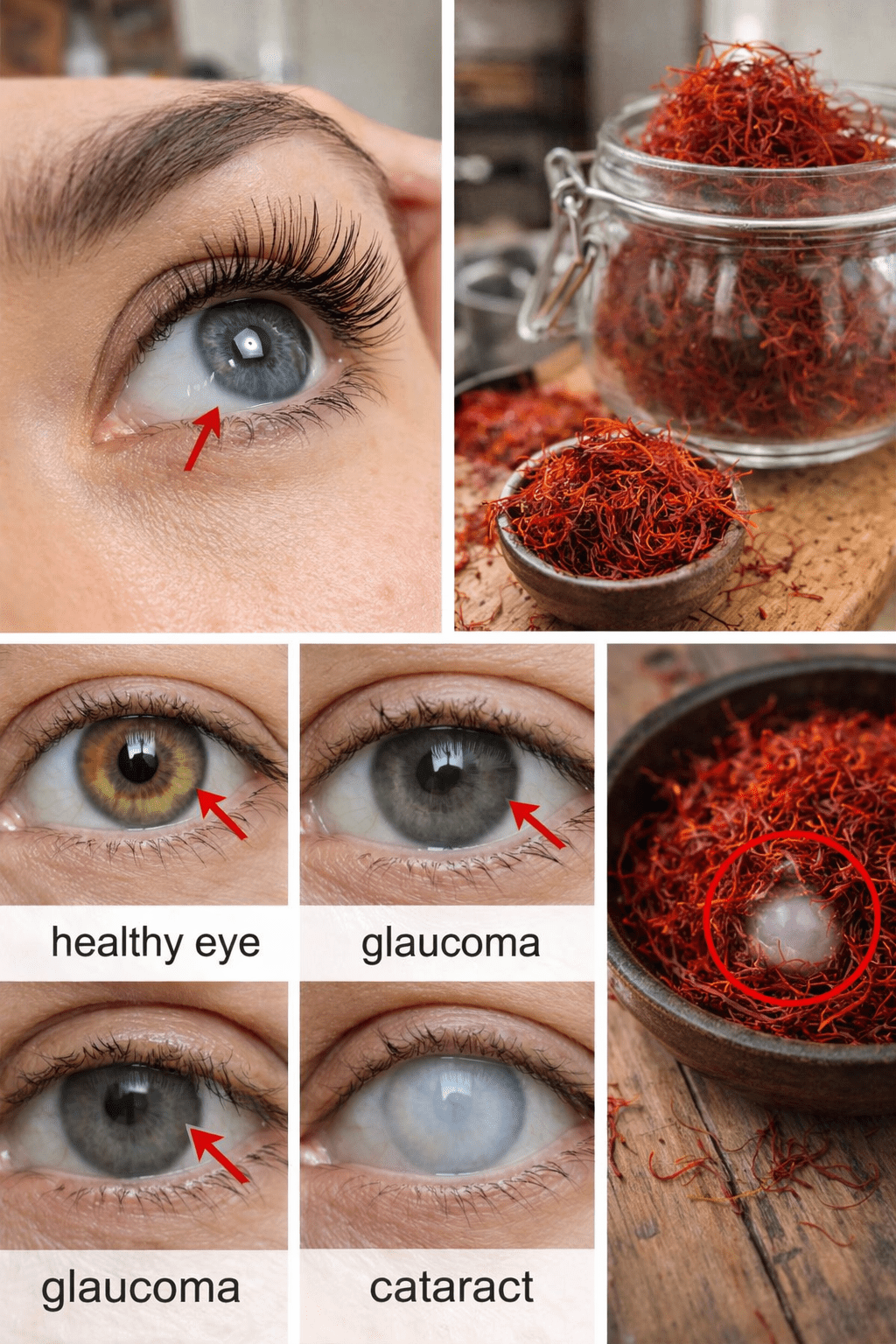
Why Vision Changes Become More Common After Age 50
As we age, the retina—the light-sensitive layer at the back of the eye—faces increasing oxidative stress from daily factors like screen time and environmental exposure. Over time, this can affect retinal sensitivity and overall visual function.
Studies indicate that age-related macular changes affect millions of adults in the United States, with prevalence rising significantly after age 50. Many people don’t notice symptoms early on, but small shifts in clarity or contrast can add up.
The good news? Certain nutrients with antioxidant properties may help support retinal health. Saffron, rich in compounds like crocin and crocetin, has caught researchers’ attention for its potential role here.
But that’s not all—let’s look at what the science says.
What Research Shows About Saffron and Eye Health
Scientists have explored saffron’s effects on vision in several clinical trials, focusing on adults with early age-related macular degeneration (AMD). Here’s a breakdown of key findings:
Supports Retinal Function
Multiple studies, including randomized placebo-controlled trials from universities in Italy and Australia, found that daily saffron supplementation (around 20 mg) helped preserve retinal flicker sensitivity and multifocal electroretinogram responses in people with mild to moderate AMD.
One long-term trial showed these benefits lasted over 12 months, with modest improvements in visual measures.
May Enhance Visual Acuity
In double-blind trials, participants taking saffron saw small but meaningful gains in best-corrected visual acuity—often equivalent to reading one or two extra lines on an eye chart—compared to placebo groups.
These effects appeared within 3 months and were consistent even in those already using standard eye health supplements.
Offers Antioxidant Protection
Lab and animal studies highlight how crocin protects retinal cells from light-induced damage, including blue light exposure. This could help with everyday strains like screen use.
One preclinical study showed crocin forming a protective shield against cell stress.
Potential Benefits for Contrast and Low-Light Adaptation
Some reports note improvements in contrast sensitivity and color perception, which can make everyday tasks like reading or driving in varying light feel easier.
Italian research linked saffron to better adaptation in low-light simulations.
Other Areas of Interest
Limited studies suggest saffron may support eye comfort in dry conditions (from animal models) and help maintain healthy blood flow to the retina.
A 2024 review noted saffron’s role in increasing macular pigment density, a factor linked to long-term eye protection.
Here’s a quick comparison of common eye-support options based on available research:
| Option | Typical Monthly Cost | Time to Notice Effects (Studies) | Key Focus from Research | Notes |
|---|---|---|---|---|
| Lutein/Zeaxanthin Supplements | $20–30 | 6–12 months | Macular pigment support | Well-studied for prevention |
| Bilberry Extracts | $25–40 | 4–8 months | Circulation and night adaptation | Mixed human trial results |
| Standard Eye Vitamins (AREDS formula) | $30–50 | Ongoing use | Slowing progression | Recommended for at-risk eyes |
| Saffron (20 mg/day) | $15–25 | 3–6 months | Retinal function preservation | Emerging additive benefits |
Research continues, but these patterns are encouraging.
This is the part that’s surprised many researchers: saffron seems to work well alongside other nutrients, potentially offering complementary support.
Simple Ways to Incorporate Saffron into Your Routine
If you’re curious about trying saffron, start small and focus on quality. Here’s an actionable guide:
- Choose high-quality threads from reputable sources (Persian or similar) or standardized supplements.
- A common research dose is 20 mg daily—about 6–8 threads.
- Take with a meal containing healthy fats (like olive oil or avocado) to boost absorption.
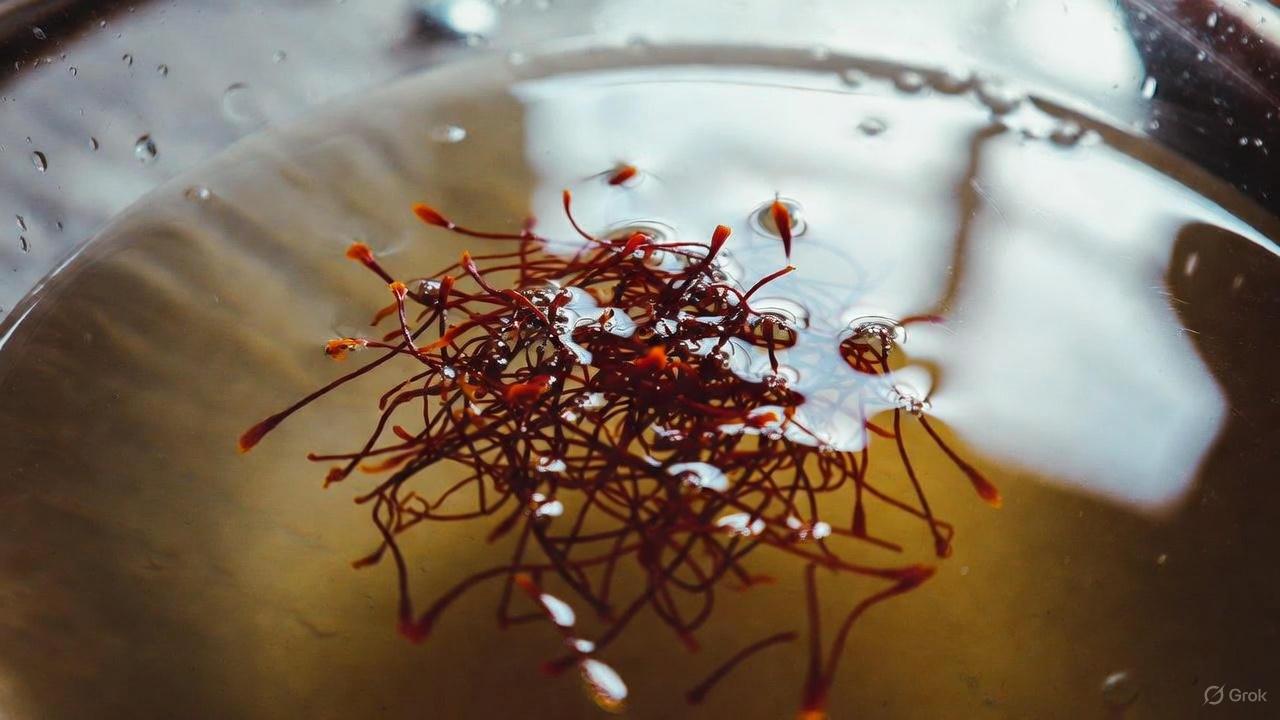
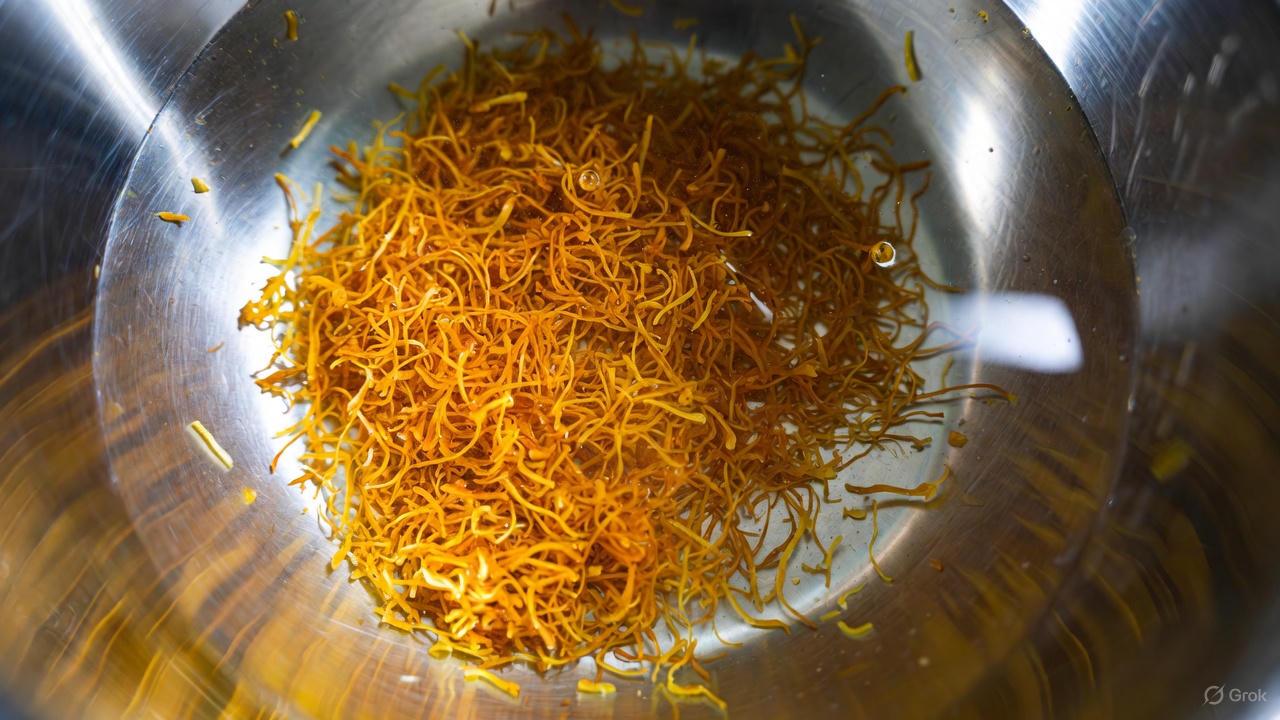
- Steep threads in warm water or milk overnight for a soothing drink.
- Add to rice, tea, or soups for flavor and potential benefits.
Start with 1–2 weeks and monitor how you feel. Always prioritize whole foods and a balanced diet rich in greens, berries, and omega-3s.
Ready for more? The most overlooked tip might be combining it thoughtfully with existing habits.
Wrapping It Up: A Hopeful Look at Natural Eye Support
Saffron’s antioxidant-rich profile makes it a fascinating option for supporting vision as we age. From preserving retinal function to modest acuity gains seen in trials, the evidence points to gentle, natural help—especially when paired with healthy lifestyle choices.
While no spice replaces regular eye check-ups or professional advice, incorporating saffron could be a simple step toward feeling more confident about your eyesight.
Stay proactive: schedule that annual exam and chat with your eye doctor about supplements.
Frequently Asked Questions
How much saffron is typically used in eye health studies?
Most trials use 20–30 mg daily, often for 3–12 months. Consult a healthcare provider for personalized guidance.
Is saffron safe for daily use?
Research shows it’s generally well-tolerated at studied doses, with few side effects reported. High amounts could cause issues, so stick to recommendations.
Can saffron help with screen-related eye strain?
Preclinical data suggests protection against blue light stress, but human evidence is emerging. Reducing screen time and using proper lighting helps too.
Disclaimer: This article is for informational purposes only and is not medical advice. Supplements like saffron may interact with medications or conditions. Always consult your eye care professional or doctor before starting any new supplement, especially if you have existing health issues.


