
Feeling constantly tired, dealing with occasional digestive discomfort, or just wanting to support your overall wellness in a natural way? These everyday issues can make it hard to enjoy your day fully, leaving you searching for simple solutions that actually fit into a busy life. The good news is that three common kitchen ingredients might offer the gentle support many people are looking for.
And the best part? There’s a surprisingly easy way to combine them for daily use – keep reading to discover how.

What Makes Ginger, Clove, and Honey Stand Out Individually
These three ingredients have been used in traditional wellness practices around the world for centuries. Each brings its own unique properties to the table.
Ginger, the spicy root we all know from cooking, contains compounds like gingerol that research suggests may help with various bodily functions. Clove, those tiny dried flower buds, is packed with eugenol – a compound studied for its potential effects on inflammation and oral health. Raw honey, especially when unprocessed, offers natural enzymes and antioxidants that many people appreciate.
But that’s not all. When combined thoughtfully, they seem to complement each other beautifully.
Potential Ways This Combination May Support Your Wellness
People have reported various positive experiences when incorporating ginger, clove, and honey into their routines. Here are some of the most commonly mentioned benefits, backed by traditional use and preliminary research:
Strengthens natural defenses: The antioxidant content in all three ingredients may help support immune function, according to several studies on individual components.
Aids digestion: Ginger has long been associated with helping ease occasional bloating and discomfort after meals.
Eases occasional nausea: Many find ginger particularly helpful for morning sickness or motion discomfort.
Supports healthy inflammation response: Both ginger and clove contain compounds that research indicates may influence inflammation pathways.
Promotes respiratory comfort: Warm preparations are often used to soothe throat irritation and support clear breathing.
Improves blood flow: Some studies suggest ginger and clove may help promote better circulation.
Helps maintain stable energy: When used in moderation, this mix might help avoid energy spikes and crashes.
Gently boosts metabolism: The thermogenic properties of ginger and clove could slightly increase calorie burning.
Provides menstrual comfort: Many women report relief from cramps when using ginger regularly.
Supports oral hygiene: Clove’s natural properties make it popular in dental care, while honey may help maintain fresh breath.
Encourages relaxation: The warmth and aroma can create a calming evening ritual.
Supports detoxification processes: These ingredients may assist the liver in its natural cleansing functions.
Enhances mental focus: Starting the day with this warm drink often helps people feel more alert.
Offers microbial resistance: All three have shown antimicrobial properties in laboratory studies.
Promotes skin radiance: Topical or internal use of honey is linked to better skin hydration and appearance.
Maintains cardiovascular wellness: Improved circulation and reduced inflammation markers may benefit heart health over time.
Relieves tension headaches: The combination of warmth and active compounds often helps ease headache discomfort.
Nourishes hair and scalp: Honey’s moisturizing properties combined with improved circulation may support healthier hair.
How to Make Ginger, Clove, and Honey Tea at Home
The simplest way to enjoy these ingredients together is through a warm infusion. Here’s an easy step-by-step recipe you can make in minutes:
- Start with fresh ginger – about a 2-inch piece, peeled and thinly sliced or grated.
- Add 4-5 whole cloves to a small pot.
- Pour in 2 cups of fresh water and bring to a gentle boil.
- Reduce heat and let simmer for 10-15 minutes to extract the beneficial compounds.
- Remove from heat and strain into your favorite mug.
- Wait until the liquid cools slightly (below 140°F/60°C) before adding 1-2 teaspoons of raw honey – this preserves its natural enzymes.
- Optional: Add a squeeze of fresh lemon for extra brightness.
- Sip slowly, especially in the morning or before bed.
This makes enough for one generous serving or two smaller ones. Many people enjoy one cup daily as part of their wellness routine.
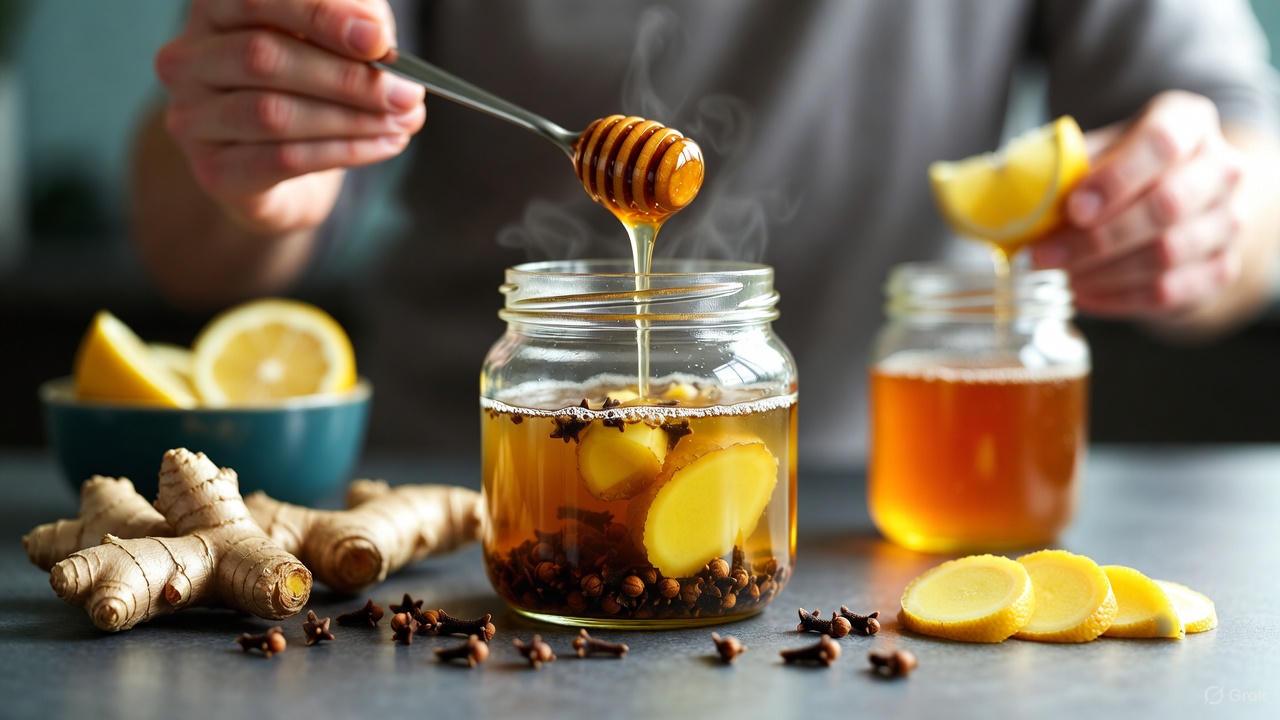
Different Ways to Incorporate This Trio Into Your Day
Looking for variety? Here are some creative alternatives:
Morning boost: Add the mixture to warm water with lemon for a gentle start.
Golden milk variation: Mix into warm plant or dairy milk with turmeric and black pepper.
Salad dressing base: Blend honey with grated ginger and ground cloves for a unique vinaigrette.
Smoothie addition: Include a small amount in your morning blend.
Post-workout recovery: Drink as a warm tea after exercise to support recovery.
Evening wind-down: Enjoy a cup about an hour before bed to promote relaxation.
Tips for Getting the Best Results
To make the most of this natural combination:
Choose quality ingredients: Opt for fresh ginger, whole cloves, and raw, unfiltered honey when possible.
Start slowly: Begin with smaller amounts to see how your body responds.
Stay consistent: Many people notice the best effects after regular use over several weeks.
Store properly: Keep honey in a cool, dark place and use fresh spices for maximum potency.
Listen to your body: Everyone responds differently to natural remedies.
Combine with healthy habits: Pair this practice with balanced meals, regular movement, and good sleep for better overall wellness.
Scientific Perspective: What Research Suggests
While traditional use spans centuries, modern science is catching up. Studies published in journals like the Journal of Medicinal Food and Phytotherapy Research have explored the individual and combined effects of these ingredients.
For example, ginger has been studied extensively for its effects on digestion and nausea, with many clinical trials showing promising results. Clove’s eugenol content has been researched for its potential anti-inflammatory and antimicrobial properties. Honey, particularly Manuka varieties, has been investigated for its unique antibacterial effects.
However, most research focuses on individual components rather than the specific combination. More studies are needed to understand how they work together in the body.

Final Thoughts: Small Changes, Meaningful Impact
In our busy modern lives, it’s easy to overlook the power of simple, natural ingredients that have stood the test of time. Ginger, clove, and honey offer an accessible way to support your daily wellness without complicated routines or expensive supplements.
Whether you’re looking to support digestion, boost morning energy, or simply enjoy a comforting warm drink, this traditional combination deserves a place in your kitchen.
The beauty lies in its simplicity – three ingredients, one easy preparation, and potential benefits that accumulate over time.
Ready to give it a try? Start with the basic tea recipe tonight and see how you feel after a week.
Frequently Asked Questions
How often should I drink ginger, clove, and honey tea?
Most people enjoy one cup daily, either in the morning or evening. Start with smaller amounts and adjust based on how you feel.
Can I drink this combination during pregnancy?
Ginger is generally considered safe in moderate amounts during pregnancy, but always consult your healthcare provider first, especially regarding clove intake.
Is it safe to consume honey every day?
Raw honey is generally safe for most adults when consumed in moderation (1-2 teaspoons daily). Avoid giving honey to children under one year old due to botulism risk.
Disclaimer: This article is for informational purposes only and is not intended to diagnose, treat, cure, or prevent any disease. Always consult with a qualified healthcare professional before making changes to your wellness routine, especially if you have existing health conditions or are taking medications.


