
Many people notice their skin starting to lose moisture and firmness over time, especially after 40, leading to drier texture and more visible fine lines around the eyes, mouth, and forehead. This can feel frustrating when everyday factors like sun exposure or stress seem to make things worse, and common moisturizers don’t always provide the lasting hydration needed. What if a gentle, natural option could help support your skin’s natural barrier and keep it feeling softer and more supple? Keep reading to discover one affordable oil that’s gaining attention for just that.
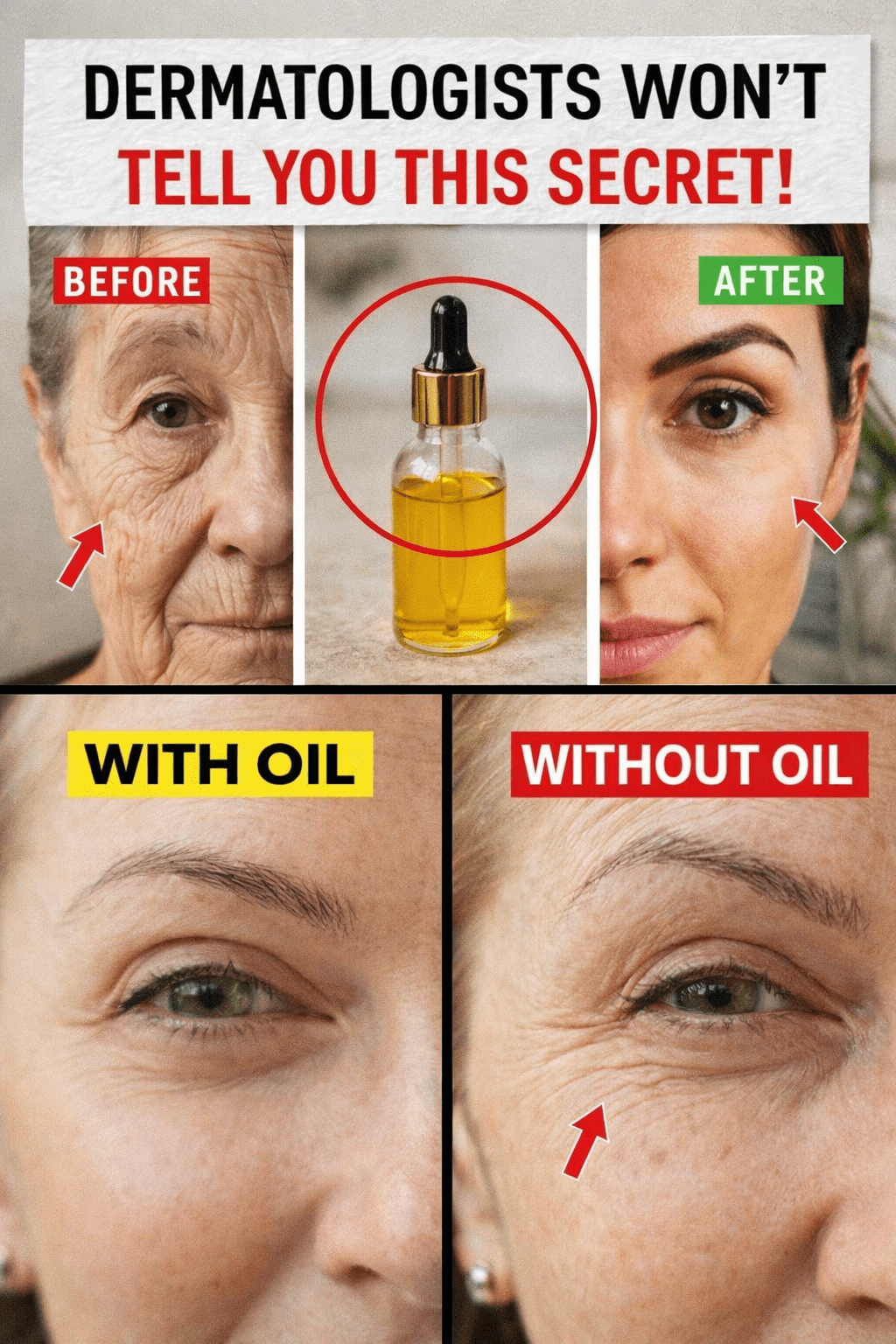
Why Skin Changes Become More Noticeable with Age
As we get older, the skin naturally produces less collagen and elastin, the proteins that help maintain elasticity and plumpness.
Environmental factors, like UV rays and pollution, along with daily habits, can accelerate moisture loss.
This often results in drier skin that highlights expression lines and reduces overall radiance.
Many turn to heavier creams for relief, but finding something that deeply nourishes without feeling overwhelming can be challenging.
The good news? Certain plant-based oils have been used for generations to gently support hydration and comfort dry or maturing skin.
Exploring Castor Oil: A Traditional Favorite for Skin Hydration
Castor oil, pressed from the seeds of the Ricinus communis plant, is thick and rich in fatty acids, particularly ricinoleic acid, which makes up about 90% of its composition.
Research suggests ricinoleic acid has moisturizing and soothing properties that can help lock in hydration and calm occasional irritation.
Studies, including a small clinical trial on under-eye areas, have shown that topical castor oil cream may improve skin hydration, softness, and overall appearance in some participants.
While more research is always welcome, these findings align with its long history of use in skincare routines.
But that’s not all—its emollient nature creates a protective layer, helping skin retain moisture longer, which can make it feel plumper and smoother.
How Castor Oil May Support Mature Skin
Well-hydrated skin often looks more even and resilient.
Here are some ways castor oil stands out:
- Deep Moisture Retention: Its fatty acids form a barrier that reduces water loss, ideal for dry or dehydrated areas.
- Gentle Soothing Effects: Ricinoleic acid’s potential to ease inflammation can help with redness or tightness that accentuates lines.
- Antioxidant Support: Contains vitamin E and other compounds that combat free radicals, contributing to healthier-looking skin over time.
- Barrier Reinforcement: Helps strengthen the skin’s natural defenses against daily stressors.
Many users report noticing softer texture and improved dewiness, especially with consistent nighttime use.
This is the exciting part: when skin feels better nourished, fine lines from dryness often appear less prominent.

Comparing Popular Natural Oils for Mature Skin
Not all oils are the same—here’s a quick comparison to help you choose:
| Oil | Key Strengths | Texture | Best Suited For |
|---|---|---|---|
| Castor Oil | Intense hydration, soothing potential | Thick, viscous | Dry or mature skin, overnight use |
| Jojoba Oil | Mimics skin’s sebum, balances moisture | Lightweight | All types, daily hydration |
| Argan Oil | Rich in vitamin E, antioxidant support | Medium-light | Nourishing without heaviness |
| Rosehip Oil | Vitamins A and C for brightness | Light | Uneven tone, fine lines |
Castor oil often shines for deep, lasting moisture in targeted areas like around the eyes or mouth.
Many blend it with lighter oils, like jojoba, for easier application and combined benefits.
Real Experiences: What People Are Saying About Castor Oil
Countless individuals have shared positive feedback online and in reviews.
For instance, some in their 50s mention their skin feeling more supple and comfortable after adding a few drops to their evening routine.
Others note better makeup application on hydrated skin.
Of course, results vary—skin is unique to each person.
Consistency seems key, with many seeing subtle improvements in texture after 4-8 weeks.
Here’s what stands out from user stories:
- Improved softness around dry patches
- A natural glow from better moisture
- Easier blending with other products
These anecdotes, combined with emerging studies, explain its growing popularity.
Practical Ways to Incorporate Castor Oil Safely
Ready to try it? Start slow for the best experience.
Step-by-Step Guide
- Patch Test First: Apply a small amount to your inner arm and wait 24 hours to check for any reaction.
- Choose Quality: Opt for cold-pressed, organic castor oil in a glass bottle.
- Warm It Up: Rub 1-2 drops between your palms to make it spread easier.
- Apply Gently: Massage into clean, slightly damp skin, focusing on concern areas like crow’s feet or forehead lines.
- Use at Night: Its thickness works well overnight—wake up to softer feel.
- Dilute if Needed: Mix 1:1 with jojoba or argan for lighter texture.
Aim for 3-4 times a week, building as your skin adjusts.
Track progress with photos in the same lighting.
Always consult a dermatologist if you have sensitive skin or conditions.

Final Thoughts: A Gentle Addition to Your Routine
Castor oil offers a simple, natural way to boost hydration and support maturing skin’s comfort.
With its rich fatty acids and soothing potential, it fits nicely into many routines.
Thousands appreciate its affordability and versatility.
Why not give it a mindful try? Your skin might reward you with that extra softness and glow.
Frequently Asked Questions
Is castor oil suitable for all skin types?
It’s especially helpful for dry or mature skin, but those with oily or acne-prone types may prefer diluting it or using sparingly to avoid heaviness.
How long until I notice changes?
Many see improved hydration within weeks, with subtle softening over 1-2 months. Patience and consistency matter.
Can I use it around my eyes?
Yes, gently—its moisturizing effects are popular for the delicate under-eye area, but avoid getting in eyes.
This article is for informational purposes only and is not a substitute for professional medical advice. Always consult a healthcare provider or dermatologist before trying new skincare ingredients, especially if you have sensitive skin or underlying conditions.


