
Dealing with unwanted pests in your home can be frustrating and stressful. You spot signs of mice scurrying around or trails of ants marching across your counters, and it disrupts your peace of mind. The constant worry about cleanliness and potential damage adds to the annoyance. But what if a simple household item you already have could offer some natural deterrence? Keep reading to discover an interesting approach that many homeowners explore, and learn practical tips to manage these issues effectively.
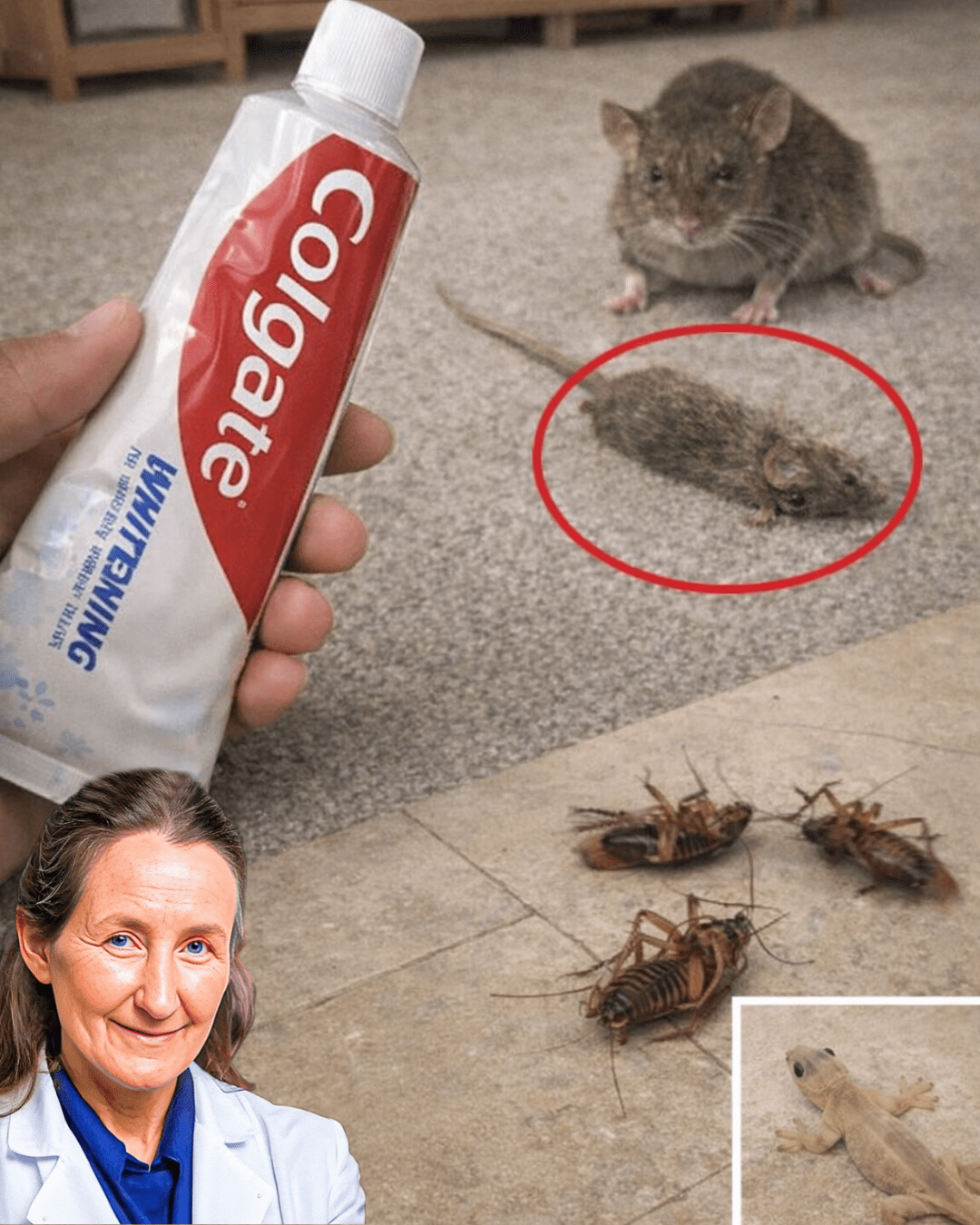
Why Pests Invade Our Homes
Common household pests like mice, ants, and cockroaches are drawn to our living spaces for basic needs: food, water, and shelter. Mice have an incredibly sensitive sense of smell, helping them locate crumbs or scraps from afar. Ants follow pheromone trails and seek out sweet or greasy residues. Cockroaches thrive in warm, moist environments with easy access to leftovers.
These invaders not only create mess but can also trigger allergies or carry bacteria. Research shows that strong scents can sometimes interfere with their navigation or make areas less appealing. For instance, studies on essential oils indicate that certain aromas, like peppermint, may act as mild deterrents in lab settings due to their intensity on pests’ sensory systems.
But that’s not the full picture. Let’s explore why some people turn to everyday items for help.
The Role of Strong Scents in Pest Deterrence
Many natural scents are popularly discussed as potential repellents. Peppermint, in particular, stands out because its menthol compound creates a powerful aroma that overwhelms sensitive noses. Some anecdotal reports and limited studies suggest peppermint oil can discourage mice from lingering in treated areas temporarily. The same goes for ants, where strong smells might disrupt their trails.
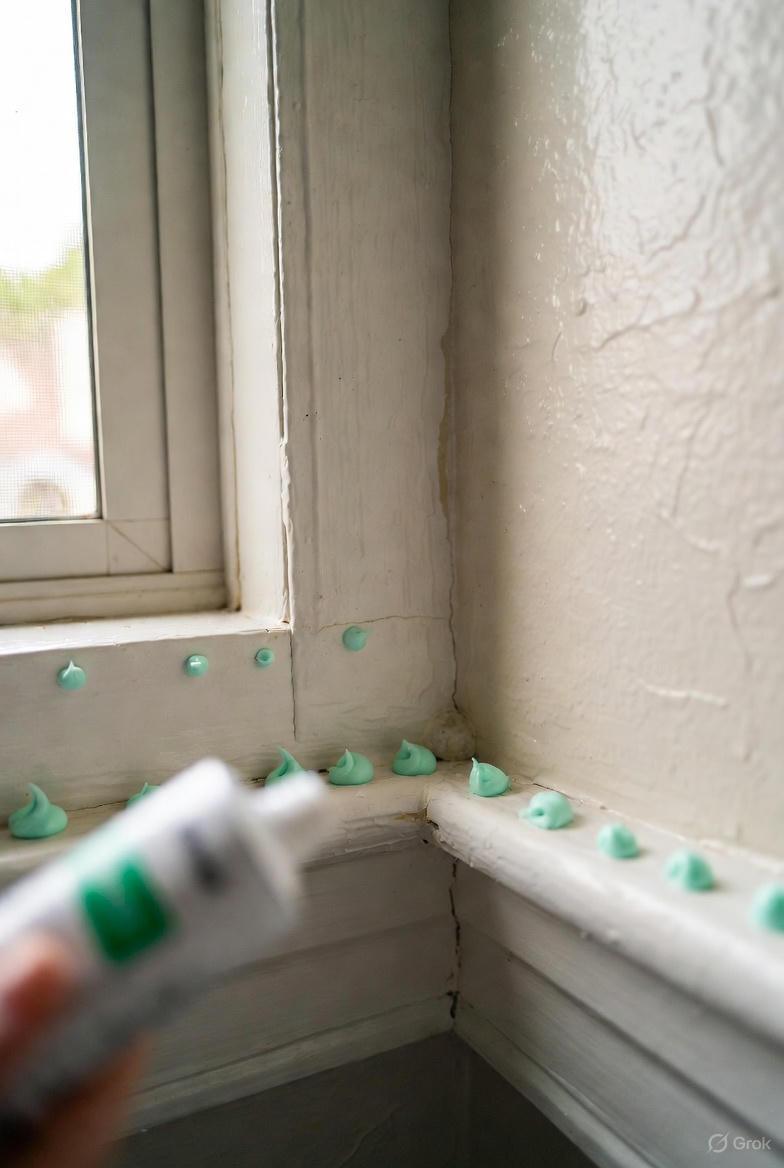
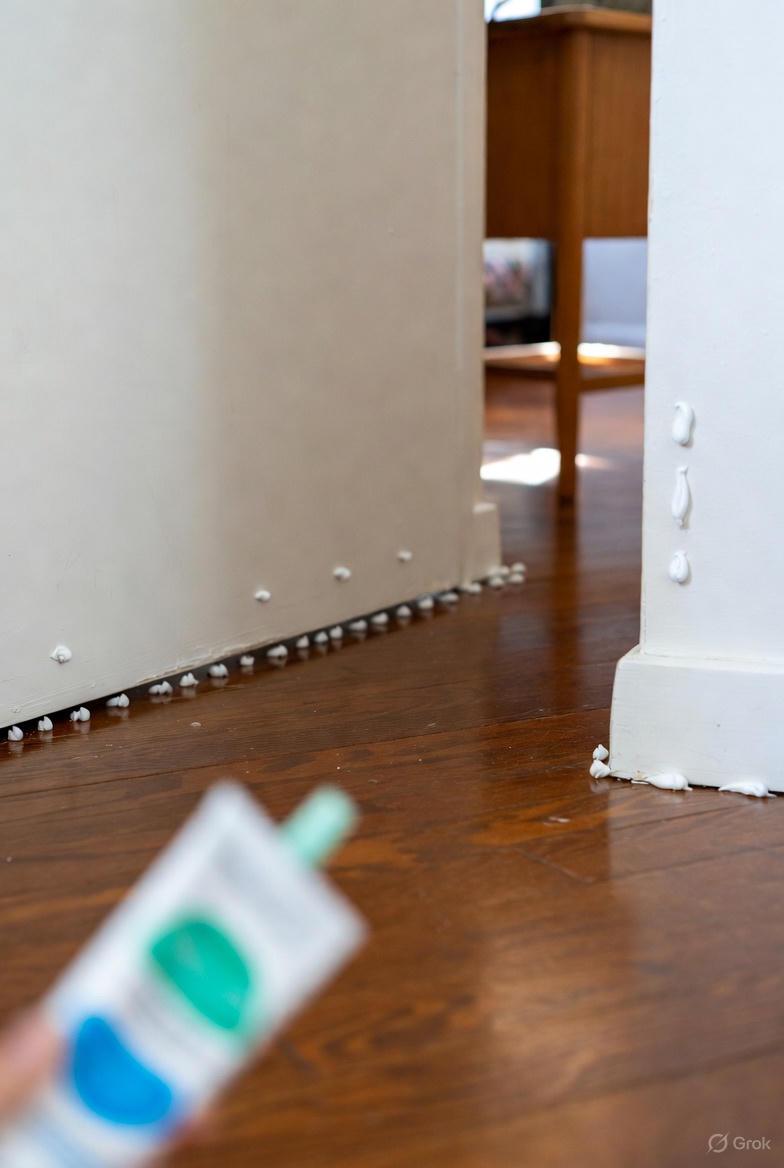
This is where mint-flavored toothpaste comes into conversations. Toothpaste often contains peppermint oil or similar flavorings for that fresh taste. Some homeowners apply small dabs along baseboards or entry points, hoping the scent acts as a barrier. Others mix it into homemade setups to test its effects.
Here’s the reality: While the mint scent might make pests pause, it’s not a standalone solution. Evidence from pest experts points to mixed results—effective in some cases as a short-term deterrent, but not reliable for heavy infestations.
How Homeowners Experiment with Toothpaste
Curious about trying this? Many start with mint toothpaste because it’s readily available. Here’s a common way people test it:
- Choose a strong mint variety (avoid fruity or gel types, as they might attract rather than deter).
- Apply tiny dots along potential entry points, like cracks, doorways, or behind appliances.
- Refresh every few days, as the scent fades quickly.
For ants, some place small amounts near trails to see if it interrupts their path. For mice, dabs near nesting signs are popular.
But remember, this is experimental. Pest control resources emphasize that scents alone rarely solve problems long-term.
Potential Benefits of Scent-Based Approaches
- Inexpensive and uses items you likely have.
- Non-toxic when used sparingly (safe around food areas if cleaned up).
- Pleasant smell for humans.
Limitations to Keep in Mind
- Scents evaporate fast, requiring frequent reapplication.
- May not affect all pests equally—cockroaches, for example, are less impacted.
- Could attract curious pets or children if not placed carefully.
Research from entomology sources notes that while peppermint shows promise in controlled tests, real-world home use varies widely.
Proven Habits to Reduce Pest Attractions
The most effective strategy combines deterrence with prevention. Studies consistently show that eliminating attractants works better than repellents alone.
Here are actionable steps you can take today:
- Seal cracks and gaps around doors, windows, and pipes with caulk.
- Store food in airtight containers and clean spills immediately.
- Take out trash regularly and keep sinks dry overnight.
- Declutter storage areas to remove hiding spots.
- Use screens on windows and vents.
These habits address the root causes, making your home less inviting overall.
Comparison of Common Deterrence Methods
| Method | Pros | Cons | Best For |
|---|---|---|---|
| Mint Toothpaste Dots | Cheap, easy to try | Scent fades quickly | Temporary barrier testing |
| Pure Peppermint Oil | Stronger concentration | More expensive, needs dilution | Targeted spots |
| Sealing Entry Points | Long-lasting prevention | Requires tools and time | Overall reduction |
| Professional Baits | Targeted and effective | Cost involved | Established infestations |
When to Seek Additional Help
If you notice ongoing signs—like droppings, nests, or increasing numbers—it’s wise to consult professionals. They use integrated approaches backed by science for safer, more thorough results.
This is the interesting part: Combining simple scent trials with solid prevention can create a noticeable difference without over-relying on one trick.
Conclusion
Exploring natural scent options like mint in toothpaste can be a low-risk way to experiment with deterrence. While not a magic fix, it fits into broader habits that keep homes comfortable. Focus on cleanliness and sealing for the best outcomes, and enjoy the fresh mint aroma as a bonus.
Frequently Asked Questions
How often should I reapply mint toothpaste for deterrence?
Refresh every 3-5 days or when the scent weakens, as aromas dissipate quickly indoors.
Is toothpaste safe to use around pets and kids?
Use sparingly in out-of-reach spots. Some ingredients can upset stomachs if ingested, so monitor closely.
Does this work better than commercial repellents?
It may offer mild, temporary help, but evidence favors prevention and professional methods for lasting control.
Disclaimer: This article provides general information on home habits and popular tips. It is not medical or professional pest control advice. Results vary, and for persistent issues, consult qualified experts. Always prioritize safety and follow product guidelines.


