
Many people deal with dry skin that feels tight after washing or hair that lacks shine and breaks easily during styling. These everyday frustrations can make simple routines feel like a chore, leaving you searching for gentle options that fit into busy schedules without harsh chemicals. Imagine discovering a simple household staple that could become part of your daily habits to support your natural glow and hair health. But here’s the intriguing part: there’s a traditional method passed down through generations that might surprise you with its versatility—stick around to uncover a lesser-known variation at the end that could elevate your routine.
What Is Rice Water?
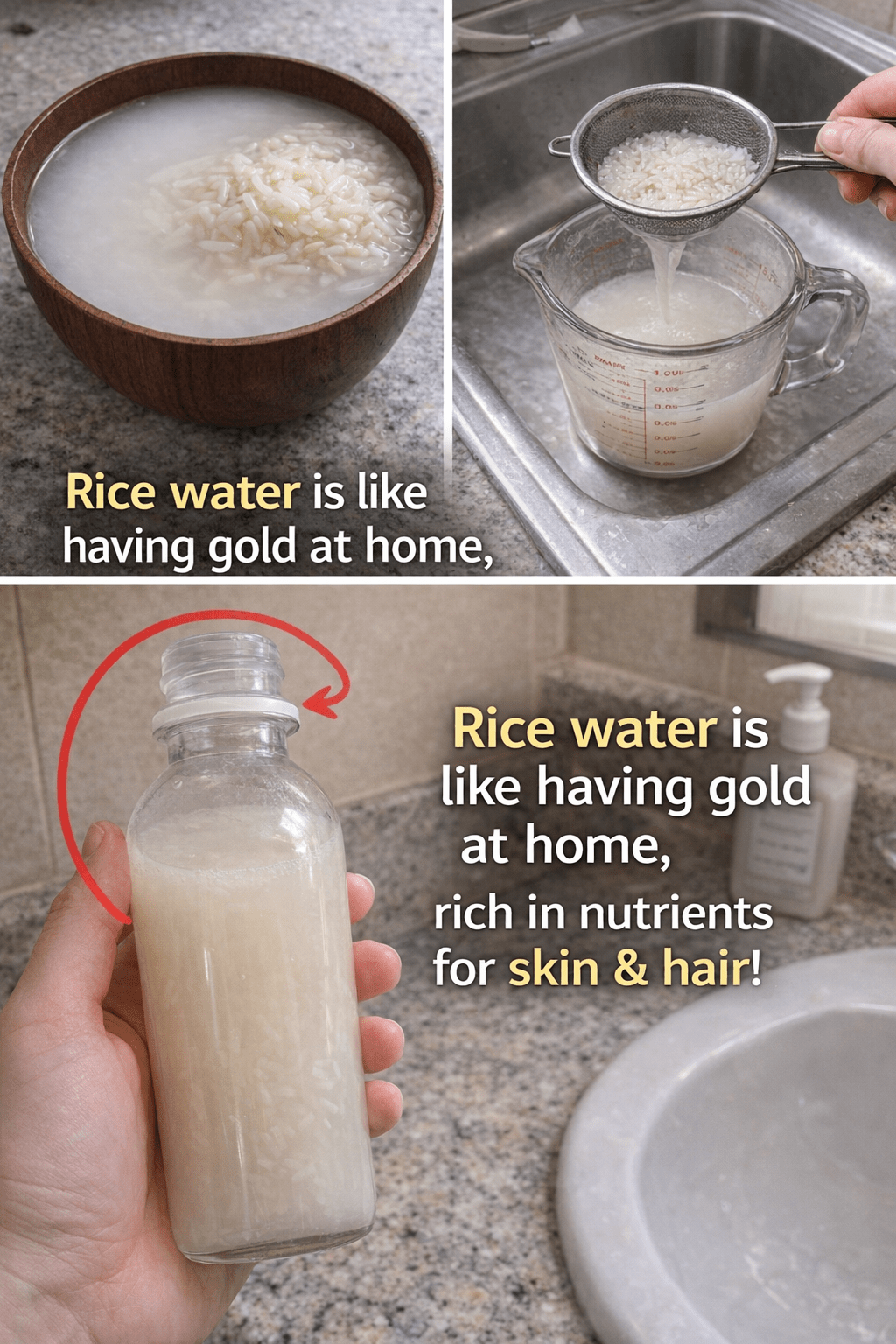
Rice water is the starchy liquid left over after soaking or cooking rice. This cloudy mixture has been used in various cultures for centuries, particularly in parts of Asia, as a natural addition to beauty practices. It’s made from everyday rice grains, like white or brown varieties, and contains elements released during the rinsing process.
But that’s not all—rice water isn’t just water; it’s infused with compounds from the rice itself. Think of it as a byproduct that captures some of the grain’s essence. People often turn to it for its simplicity and accessibility in home care routines.
Research indicates that rice water may contain vitamins, minerals, and antioxidants derived from rice. These components are what spark interest in its potential role in personal care.
The History Behind Rice Water Use
Long before modern products filled shelves, communities relied on natural resources for upkeep. In places like Japan and China, rice water was a staple in traditional rituals. Women in the Heian period of Japan reportedly used it to maintain long hair, while in some villages today, it’s still part of daily washing habits.
This practice isn’t limited to one region. Indigenous groups in Southeast Asia have incorporated it into their customs for generations. The appeal lies in its availability—rice is a common food staple worldwide.
Here’s the fascinating bit: modern interest surged with social media shares, but the roots go deep into cultural history. Studies on traditional uses highlight how such methods have been passed down orally.
How to Make Rice Water at Home
Preparing rice water is straightforward and requires minimal tools. You can choose from a few methods based on your preference and time. Start with clean, uncooked rice to avoid contaminants.
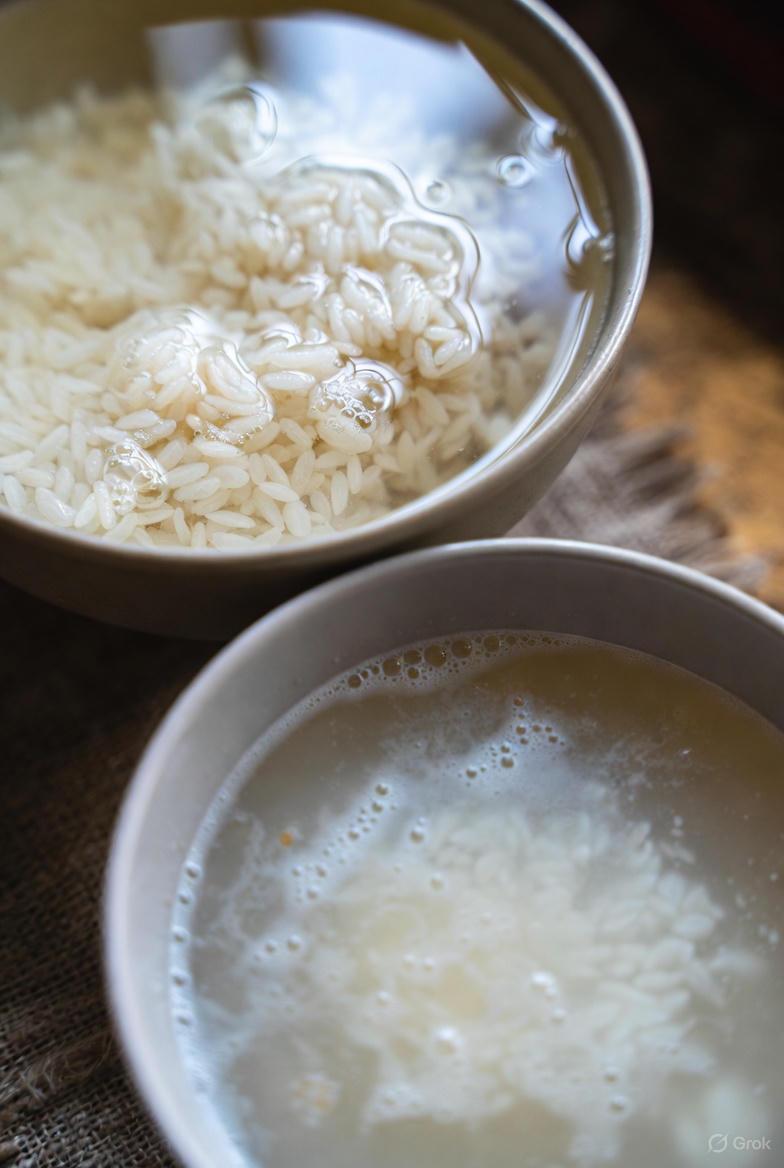
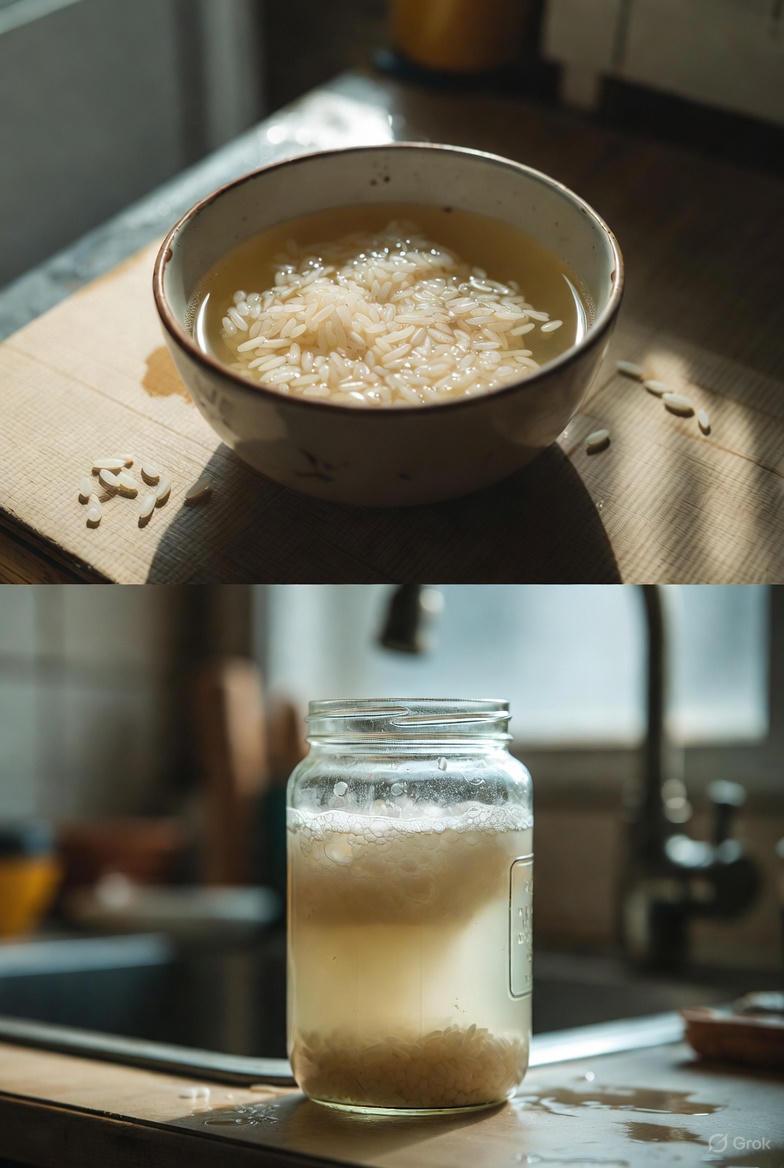
First, the soaking method: Rinse half a cup of rice under water to remove impurities. Then, add two to three cups of fresh water and let it sit for 30 minutes to two hours. Stir occasionally, strain the liquid, and store it in a clean container.
For a boiled version: Cook the rice with extra water—about double the usual amount. Once done, strain the excess liquid while it’s still warm. This method yields a more concentrated result.
Fermentation adds another layer: After soaking, leave the water at room temperature for one to two days. It develops a tangy smell, which some believe enhances its properties. Always refrigerate after to prevent spoilage.
Whichever way you choose, use it fresh within a few days for best results.
Potential Benefits for Skin
Rice water has gained attention for its possible role in skin care routines. Some users report it helps with a refreshed feel after application. The starch content might contribute to a soothing effect on the surface.
Studies suggest rice-derived compounds could offer antioxidant properties, which are interesting for general skin maintenance. Antioxidants are known to support the skin’s natural barrier against environmental factors.
But wait, there’s more: it may help in gentle cleansing. The mild nature makes it suitable for those exploring natural alternatives. Anecdotal evidence points to its use in toning, but individual experiences vary.
Here’s a quick list of commonly discussed aspects:
- Hydration support: The liquid can act as a light moisturizer when applied topically.
- Gentle exfoliation: Starch might help remove dead skin cells softly.
- Calming sensation: Useful after sun exposure or daily wear.
Remember, these are based on traditional uses and limited research.
Potential Benefits for Hair and Scalp
When it comes to hair, rice water is often praised for its conditioning potential. The nutrients released from rice, like vitamins and minerals, might nourish the strands. For instance, inositol is a compound that could help with hair’s outer layer.
Research on rice products shows they may promote hair health by maintaining moisture. This could lead to a smoother appearance over time with consistent use.
And that’s not the end of it—scalp care is another area of interest. A clean scalp environment supports overall hair routines. Some find it helps reduce buildup without stripping natural oils.
Consider these points from user reports and studies:
- Strengthening effect: May reduce breakage by coating the hair shaft.
- Shine enhancement: Leaves a subtle gloss after rinsing.
- Scalp soothing: Could ease minor irritations from daily styling.
While promising, scientific backing is mostly from component studies, not direct rice water trials.
Step-by-Step Guide to Using Rice Water
Incorporating rice water is easy with these actionable steps. Always patch test on a small area first to check for reactions.
For skin: After cleansing, pour a small amount onto a cotton pad. Gently swipe over your face, avoiding eyes. Let it air dry or follow with your usual moisturizer. Use once or twice a week to start.
For hair: Shampoo as normal, then pour rice water over wet hair. Massage into the scalp for a few minutes. Leave on for 20 minutes before rinsing with cool water. Try this weekly.
If fermenting, dilute it to avoid strong scents. Store in the fridge and warm slightly before use.
The truth is, consistency matters more than frequency. Track how your skin and hair respond over a month.
Comparing Methods: Soaked vs. Fermented Rice Water
To help you decide, here’s a simple comparison table:
| Aspect | Soaked Rice Water | Fermented Rice Water |
|---|---|---|
| Preparation Time | 30 minutes to 2 hours | 1-2 days |
| Nutrient Profile | Basic starch and vitamins | Potentially higher antioxidants |
| Scent | Neutral | Slightly sour |
| Shelf Life | 2-3 days in fridge | Up to a week if refrigerated |
| Best For | Quick daily use | Deeper conditioning sessions |
This breakdown shows options for different needs.
Things to Consider Before Trying
While generally mild, rice water isn’t for everyone. Overuse might lead to protein buildup on hair, making it feel stiff. For skin, if you have sensitivities, it could cause minor irritation.
Studies note that fermented versions might introduce bacteria if not handled properly. Always use clean utensils and fresh batches.
Sustainability is key—source rice responsibly to minimize waste. If you notice any discomfort, stop and consult a professional.
But here’s the encouraging part: many find it a low-risk addition to their habits.
In Conclusion
Exploring rice water can be a simple way to enhance your self-care practices at home. From preparation to application, it’s about finding what works for you. Remember the cultural roots and potential supportive elements it offers.
As promised, that lesser-known variation? Try infusing rice water with herbs like rosemary for an aromatic twist— it adds a fresh layer to the experience without complicating the process.
Frequently Asked Questions
What types of rice work best for making rice water?
White rice is commonly used for its high starch content, but brown rice provides more nutrients. Experiment with organic varieties for purity.
How often should I use rice water on my hair?
Start with once a week to observe effects. Adjust based on your hair type—dry hair might benefit more frequently, while oily types less so.
Can rice water be stored for later use?
Yes, refrigerate it in a sealed container for up to a week. Shake well before using, and discard if it smells off.
This information is for educational purposes only and not intended as medical advice. Consult a healthcare professional for personalized guidance.


