
Many men experience discomfort from frequent trips to the bathroom, especially at night, or a sense of urgency that disrupts daily life. These issues often stem from common changes in the prostate and urinary system as men age, leaving them feeling frustrated and tired. The constant worry about symptoms can make simple activities feel challenging, and it’s natural to seek ways to feel more comfortable and in control.
But here’s some encouraging news: certain natural foods, backed by research, may help support better urinary flow and overall comfort. And toward the end of this article, we’ll explore a simple, time-tested way to incorporate them into your routine that many find surprisingly effective.
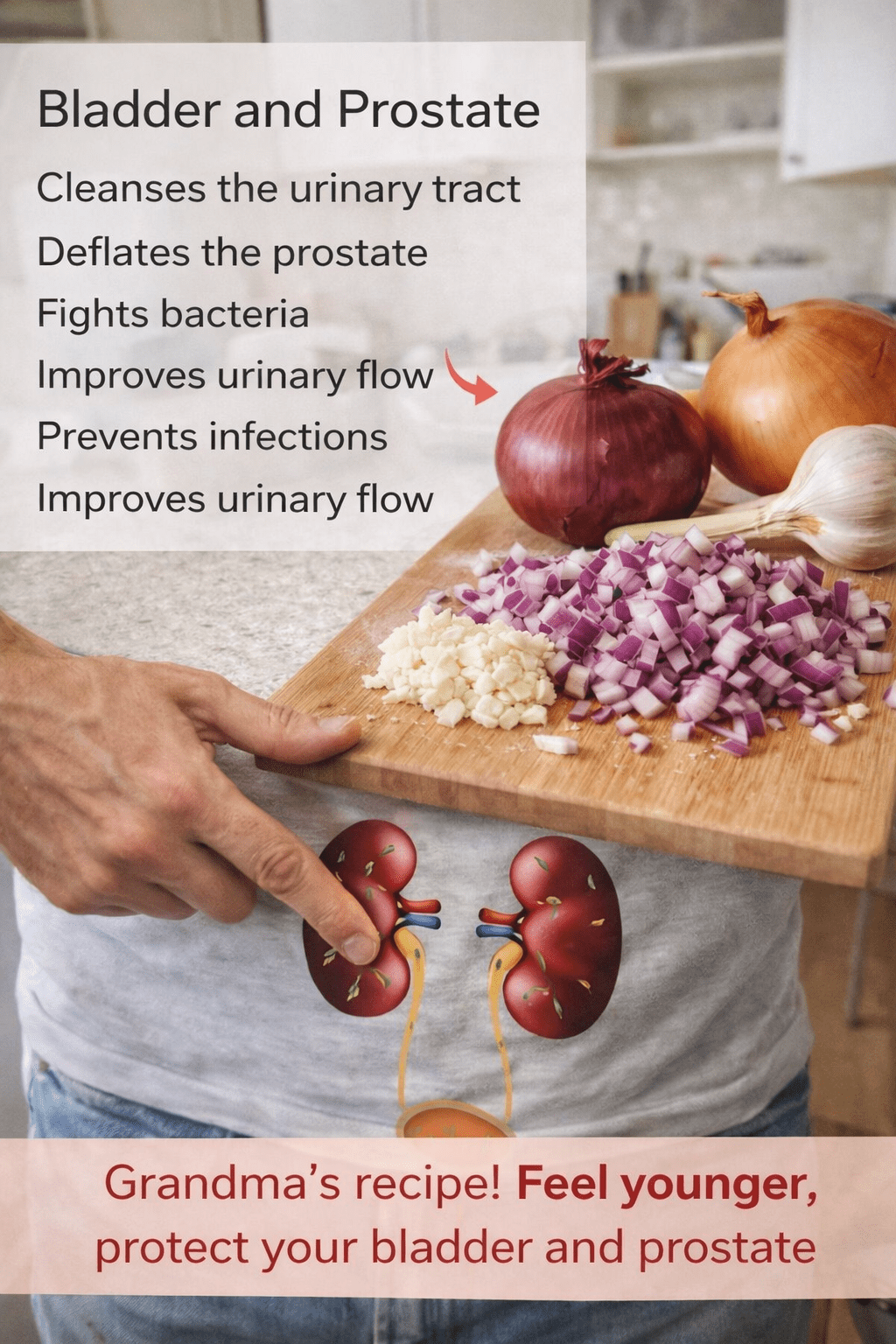
Why Prostate and Urinary Health Matters for Men
As men get older, the prostate gland—a small organ below the bladder—can naturally enlarge. This is a common occurrence known as benign prostatic hyperplasia (BPH), affecting many men over 50. While it’s not cancerous, it can press on the urinary tract, leading to bothersome symptoms.
Research shows that diet plays a role in supporting prostate health. Studies, including case-control research from Italy, have found associations between higher intake of certain vegetables and better outcomes for prostate comfort.
But that’s not all—antioxidants and compounds in everyday foods may help reduce inflammation and promote healthy urinary function.
The Power of Allium Vegetables: Onions and Garlic
Onions and garlic belong to the Allium family, known for their sulfur-containing compounds like allicin in garlic and quercetin in onions.
These compounds have drawn attention in scientific studies for their potential benefits:
- Antioxidant support: Quercetin, abundant in onions (especially the outer layers), acts as a powerful antioxidant. Research indicates it helps combat oxidative stress, which is linked to inflammation in the body.
- Anti-inflammatory effects: Studies suggest these compounds may help maintain a balanced inflammatory response, important for prostate and urinary comfort.
- Urinary tract support: Garlic’s allicin has shown antibacterial properties in lab studies, potentially aiding against common urinary bacteria.
An Italian multicenter study observed that men with higher onion and garlic consumption tended to have better prostate health markers compared to those with lower intake. Similar findings from population-based research highlight Allium vegetables’ role in supporting men’s health.
Here’s a quick comparison of key compounds:
| Food | Key Compound | Potential Benefit Supported by Research |
|---|---|---|
| Onions | Quercetin | Antioxidant activity; may support reduced inflammation |
| Garlic | Allicin | Antibacterial effects; potential urinary support |
| Both | Sulfur compounds | Overall anti-inflammatory properties |

Exploring Onion Peels and Fruit Peels
Onion peels are often overlooked, but they pack a concentrated dose of quercetin and other flavonoids. Studies on onion peel extracts have shown strong antioxidant activity, which could contribute to overall wellness.
Similarly, peels from citrus fruits like oranges contain beneficial flavonoids. While not a direct focus, incorporating whole foods—including peels where safe—adds extra nutrients.
But remember, these are supportive elements in a balanced diet, not standalone solutions.
Simple Ways to Add These Foods to Your Diet
Incorporating onions and garlic doesn’t have to be complicated. Here are actionable tips you can start today:
- Chop fresh garlic and let it sit for 10 minutes before cooking to activate allicin.
- Add sliced onions (red or yellow for higher quercetin) to salads, soups, or stir-fries.
- Roast whole garlic bulbs for a mild, spreadable addition to meals.
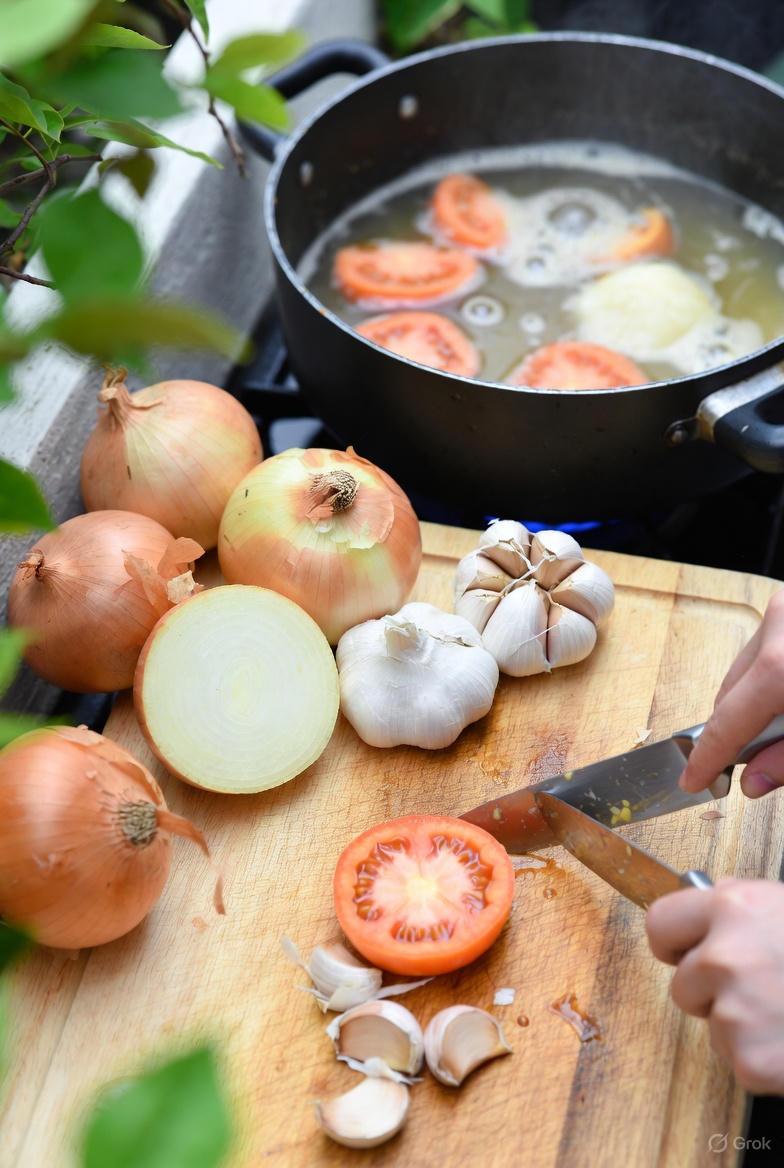
- Try a warm broth: Simmer onion peels (washed thoroughly) with garlic for a soothing drink—many traditional recipes use this method.
Aim for variety:
- Raw for maximum compounds.
- Cooked for easier digestion.
Start small if you’re new to stronger flavors, and build up gradually.
This is the fun part—experimenting with recipes can make healthy eating enjoyable.
Other Foods That Complement Prostate Support
While onions and garlic stand out, a broader plant-rich diet amplifies benefits:
- Tomatoes (rich in lycopene).
- Berries and citrus fruits.
- Cruciferous veggies like broccoli.
Research from large cohorts, like the Health Professionals Follow-up Study, links higher vegetable intake to positive prostate health markers.
A Traditional Recipe Idea to Try
Many people turn to simple home preparations inspired by grandmothers’ wisdom. One popular approach involves onions and garlic, sometimes with peels for added nutrients.
A basic version:
- Wash 2-3 onions thoroughly (keep peels if organic).
- Chop with 4-5 garlic cloves.
- Simmer in water for 20-30 minutes.
- Strain and sip warm.
This creates a flavorful broth that incorporates the beneficial compounds discussed. Some add herbs for taste.
Consistency matters—try it a few times a week alongside meals.
Frequently Asked Questions
Can onions and garlic improve urinary flow overnight?
No single food works that quickly. Consistent inclusion in a healthy diet, over weeks or months, may contribute to comfort, based on observational studies.
Are there any side effects?
For most people, these foods are safe in moderate amounts. They may cause digestive upset if overconsumed. If you take blood-thinning medications, consult your doctor about garlic.
Is this suitable for everyone?
While generally supportive, individual responses vary. These tips are for general wellness, not specific conditions.
Final Thoughts
Supporting prostate and urinary health starts with informed choices. Onions, garlic, and their natural compounds offer a research-backed way to add beneficial nutrients to your plate. Combined with a varied diet rich in vegetables and fruits, these habits can promote long-term comfort and vitality.
Stay proactive—small daily steps add up.
Disclaimer: This article is for informational purposes only and does not provide medical advice. Always consult a healthcare professional for personalized guidance on health concerns, including prostate or urinary issues. Foods discussed may support general wellness but are not intended to diagnose, treat, or prevent any disease.


