
Many adults turn to dietary supplements to support energy levels, bone health, or overall nutrition as daily life gets busier. Yet not all supplements are created equal, and some may contain unexpected ingredients or doses that don’t align with individual needs. Research from the National Institutes of Health shows that herbal and dietary supplements contribute to a portion of liver injury cases in the U.S., highlighting the importance of informed choices.
The good news? Most people can benefit from nutrients through food first, with supplements as a targeted option when needed. This guide explores common concerns, evidence-based insights, and simple steps to help you select options that fit your lifestyle safely. By the end, you’ll discover practical strategies that prioritize quality and balance—keep reading to learn how small adjustments can make a big difference.
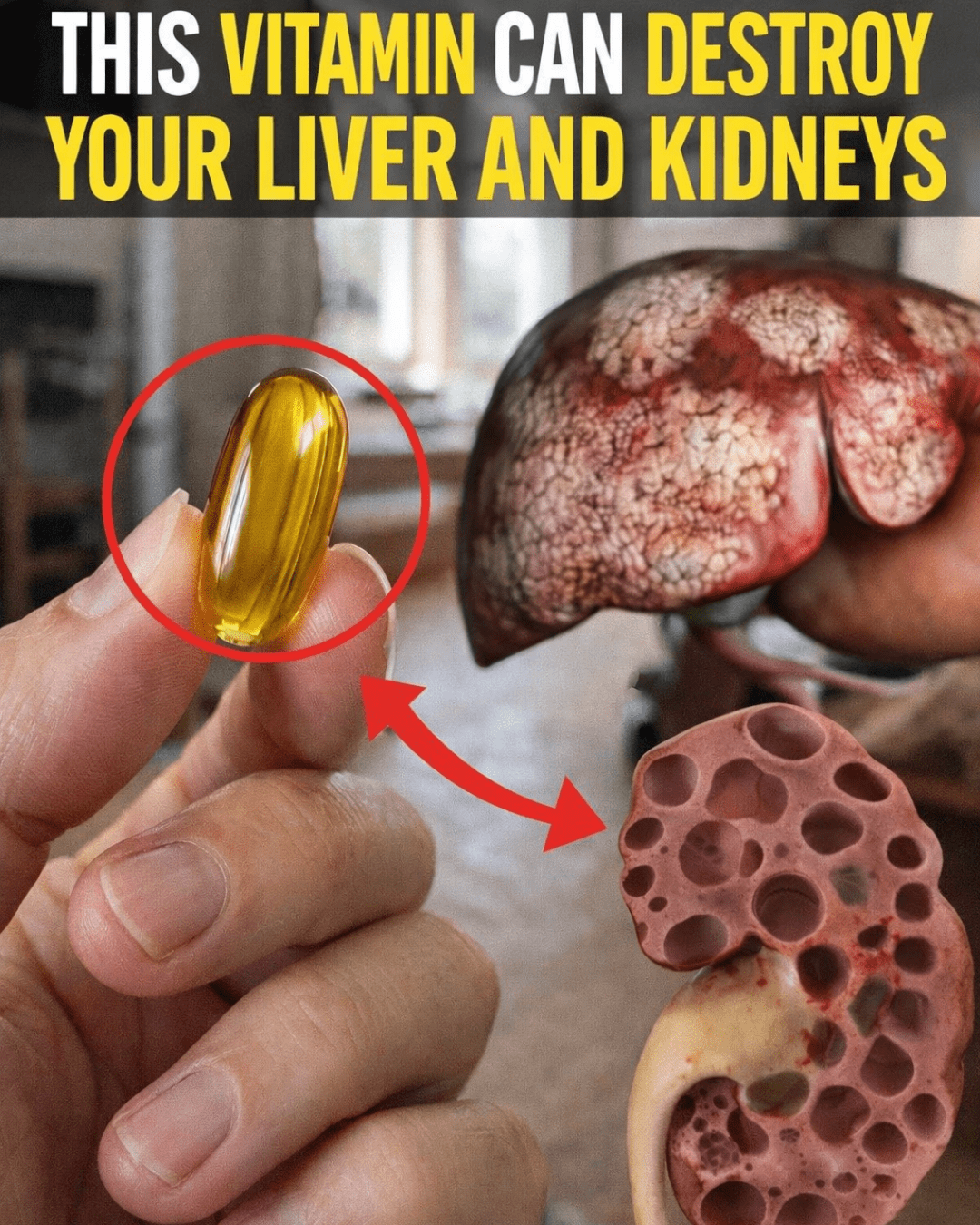
Why Supplement Choices Matter More Than You Might Think
Dietary supplements are popular because they offer a convenient way to fill potential nutrient gaps. According to surveys, over half of American adults use them regularly.
However, supplements aren’t regulated as strictly as medications. This means product quality can vary, and high doses or certain combinations might strain the body over time. Studies from the Drug-Induced Liver Injury Network indicate that herbal and dietary supplements account for about 20% of liver injury cases in recent years, often linked to specific ingredients or contaminants.
But here’s the encouraging part: Many of these issues stem from poor-quality products or overuse, not supplements in general. Making thoughtful selections can help you avoid unnecessary risks while supporting your health goals.
Common Supplements and What Research Shows
Certain supplements have been studied more closely due to reports of potential side effects. Here’s a balanced look at a few frequently discussed ones, based on scientific reviews.
Vitamin D: Supporting Bones Without Overdoing It
Vitamin D helps with calcium absorption and bone health. Moderate intake from food or supplements is generally well-tolerated.
However, very high doses can lead to increased calcium in the urine, a factor in kidney stone formation for some people. Large studies, like those in the Journal of the American Society of Nephrology, found no strong link between typical vitamin D intake and higher stone risk, but caution is advised for doses far above recommendations.
Safer approach: Get levels checked with a simple blood test before starting high-dose supplementation.
Green Tea Extract: Antioxidants in Moderation
Green tea beverages provide catechins like EGCG, known for antioxidant properties. Brewed tea is commonly enjoyed without issues.
Concentrated extracts in supplements, especially at high doses (over 800 mg EGCG daily), have been associated with elevated liver enzymes in some trials and case reports from the European Food Safety Authority.
Research suggests brewed green tea remains a gentle option, while extracts warrant label checks for dose.
Kava: Traditional Use vs. Modern Products
Kava root has a long history in Pacific cultures for relaxation when prepared traditionally as a water-based drink.
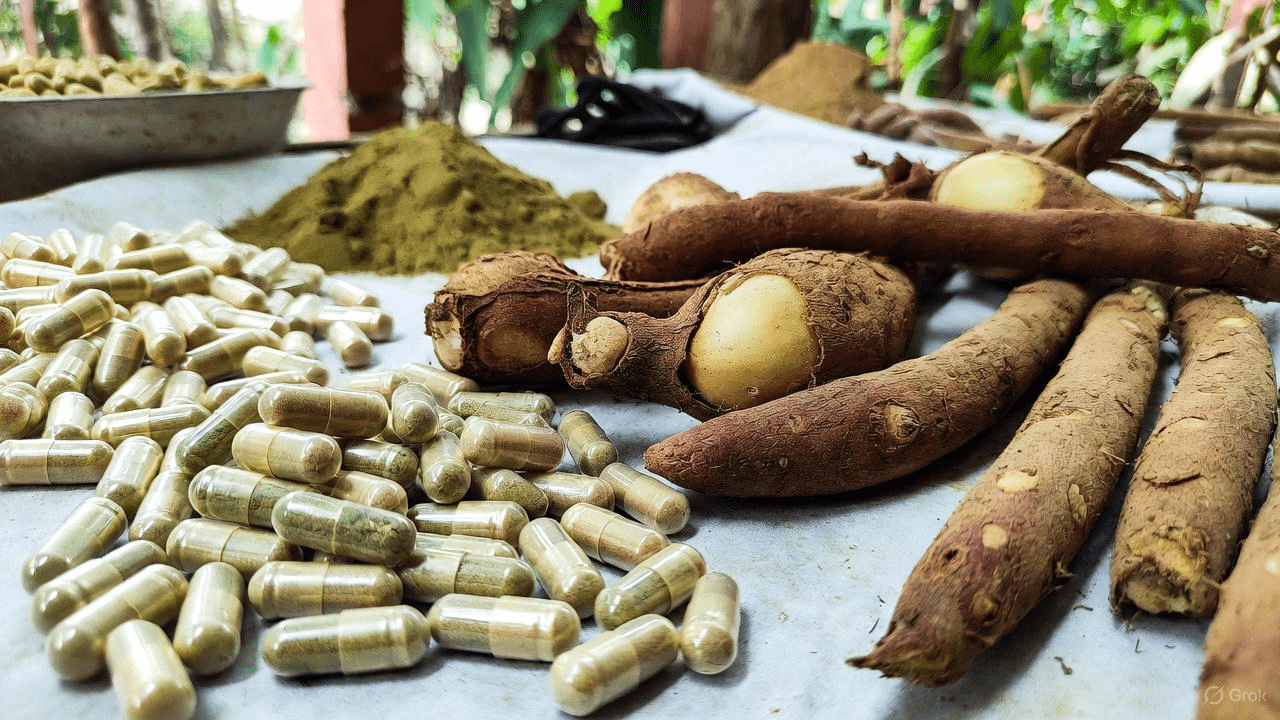
Western extracts using solvents like ethanol or acetone were linked to rare liver concerns in the early 2000s, leading to restrictions in several European countries. Reviews attribute some cases to product quality or interactions.
Noble kava varieties in traditional aqueous forms show a different profile in ongoing studies.
Ingredients to Watch on Labels
Some additives in supplements can add unnecessary risks:
- Heavy metals or contaminants from poor sourcing.
- High-dose isolated compounds without food matrix balance.
- Fillers like talc or artificial colors in rare cases.
Third-party testing helps verify purity.
Food-First Alternatives: Nutrient Sources from Everyday Meals
Whole foods often provide nutrients in balanced forms with added benefits like fiber.
Here are some comparisons:
| Nutrient Often Supplemented | Food Sources | Benefits of Food Approach |
|---|---|---|
| Vitamin D | Fatty fish (salmon), fortified milk, sunlight exposure | Natural balance with other fats |
| Calcium | Dairy, leafy greens (kale, broccoli), almonds | Paired with magnesium for absorption |
| Antioxidants (like EGCG) | Brewed green tea, berries, dark chocolate | Lower concentrated doses, enjoyable ritual |
| Protein | Eggs, beans, nuts, lean meats | Complete amino acids plus micronutrients |
- Start with colorful plates: Aim for half your meal from vegetables and fruits.
- Include fatty fish twice weekly for omega-3s and vitamin D.
- Snack on nuts or yogurt for minerals.
Many experts, including those from the Academy of Nutrition and Dietetics, recommend food sources first for most people.
Actionable Tips for Safer Supplement Use
If you decide supplements fit your needs, follow these steps:
- Consult a healthcare provider first, especially if you have existing conditions or take medications.
- Get blood tests to identify actual deficiencies—don’t guess.
- Choose products with third-party certifications like USP or NSF, which test for purity and accurate labeling.
- Read labels carefully: Opt for shorter ingredient lists and verified doses.
- Start low and monitor how you feel; stay hydrated.
- Store supplements properly and check expiration dates.
These habits can help ensure any addition supports rather than overwhelms your body.
Building Long-Term Habits for Nutrient Balance
Consistency beats perfection. Combine a varied diet with mindful activity and sleep for foundational wellness.
Track what works for you over a few weeks—many notice steady energy from food-focused changes alone.
The real key? Personalized awareness. What supports one person might differ for another.
Frequently Asked Questions
Do I need supplements if I eat a balanced diet?
Most healthy adults get sufficient nutrients from food. Supplements can help in specific cases like confirmed deficiencies, but they’re not a substitute for meals.
How can I tell if a supplement is high quality?
Look for seals from independent testers like USP, NSF, or ConsumerLab. These verify contents match the label and screen for contaminants.
Are herbal supplements always safe because they’re natural?
Natural doesn’t automatically mean risk-free. Dose, preparation, and individual factors matter. Always check evidence and consult professionals.
This article is for informational purposes only and is not intended as medical advice. Consult your healthcare provider before starting or changing supplements, especially if you have liver, kidney, or other health concerns. They can provide guidance tailored to your situation.


