
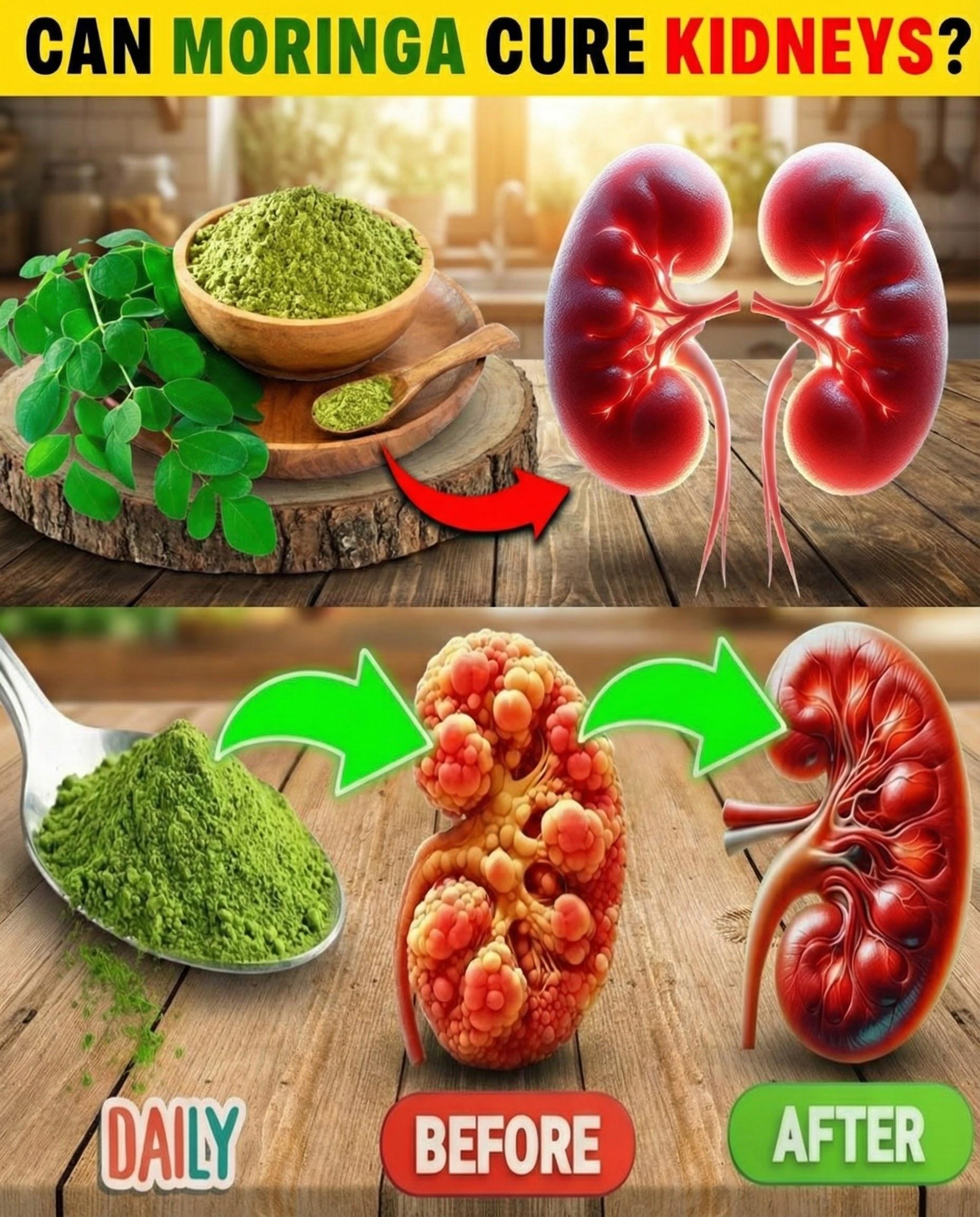
Over 37 million adults in the United States live with kidney concerns, many without realizing it until symptoms appear. Oxidative stress and ongoing inflammation can quietly affect kidney function over time, leading to fatigue, changes in blood work, or other subtle signs. Many people over 50 start looking for gentle, natural ways to add antioxidant support to their daily routine. What if a simple plant known as the “miracle tree” could offer promising nutrients for overall wellness? Keep reading to discover what research suggests about moringa and kidney health.
Why Kidney Health Matters as We Age
Kidney function naturally changes with age, and factors like diet, hydration, and daily stress play a role. Research shows that about one in three adults may be at risk for kidney-related issues due to common lifestyle factors.
Many notice this through routine check-ups or feeling less energetic than before. The good news? Simple habits, including nutrient-rich foods, can help support the body’s natural defenses.
But that’s not all. Certain plants pack a powerful combination of compounds that may help in multiple ways.
What Makes Moringa Stand Out
Moringa oleifera, often called the drumstick tree, grows in tropical regions and has been used in traditional wellness practices for centuries. Almost every part of the tree—leaves, seeds, and pods—contains beneficial nutrients.
Studies highlight its rich profile of vitamins, minerals, and plant compounds like quercetin, chlorogenic acid, and isothiocyanates. These elements contribute to its reputation as a nutrient-dense superfood.
Here’s why many health experts find it interesting:
- High in vitamins A, C, and E
- Good source of minerals like calcium, potassium, and iron
- Contains unique plant compounds with antioxidant properties
Research published in journals like Phytotherapy Research and Food Science & Nutrition suggests these components may help the body handle oxidative stress more effectively.
How Moringa May Support Antioxidant Defense
Oxidative stress happens when free radicals outnumber the body’s antioxidants. This imbalance can affect cells throughout the body, including in the kidneys.
Animal studies show that moringa leaf extracts help reduce markers of oxidative damage in kidney tissue. The plant’s polyphenols appear to neutralize free radicals before they cause harm.
One review in Oxidative Medicine and Cellular Longevity noted promising effects on lipid peroxidation—a key factor in cellular stress.
The interesting part? These benefits seem to come from the whole plant working together, not just isolated compounds.
Potential Anti-Inflammatory Properties
Inflammation is the body’s natural response to injury, but when it becomes ongoing, it can strain kidney function over time.
Several studies indicate that moringa inhibits certain inflammatory pathways, such as NF-κB and pro-inflammatory cytokines. A study in the Journal of Ethnopharmacology found reduced inflammation markers in animal models.
Many people report feeling more comfortable after adding moringa to their routine, though individual results vary.
Keep reading—there’s more to how this plant might help with specific kidney concerns.
Supporting Healthy Blood Sugar Levels
High blood sugar over time can put extra pressure on the kidneys. Maintaining balance is important for long-term wellness.
Human and animal research suggests moringa leaves may help support healthy glucose metabolism. Compounds like isothiocyanates appear to improve insulin sensitivity.
A small clinical trial published in the Journal of Food Science and Technology showed participants experienced better fasting blood sugar levels after regular moringa consumption.
This makes it an appealing addition for anyone focusing on metabolic health.
Nutrient Density and Overall Vitality
Moringa leaves contain more vitamin C than oranges, more calcium than milk, and more iron than spinach—gram for gram.
This dense nutrition can help fill common gaps in modern diets, especially for those eating fewer vegetables.
Many find that adding moringa powder to meals provides a gentle energy boost without stimulants.
Simple Ways to Add Moringa to Your Routine
Starting slowly helps your body adjust. Here’s a practical guide:
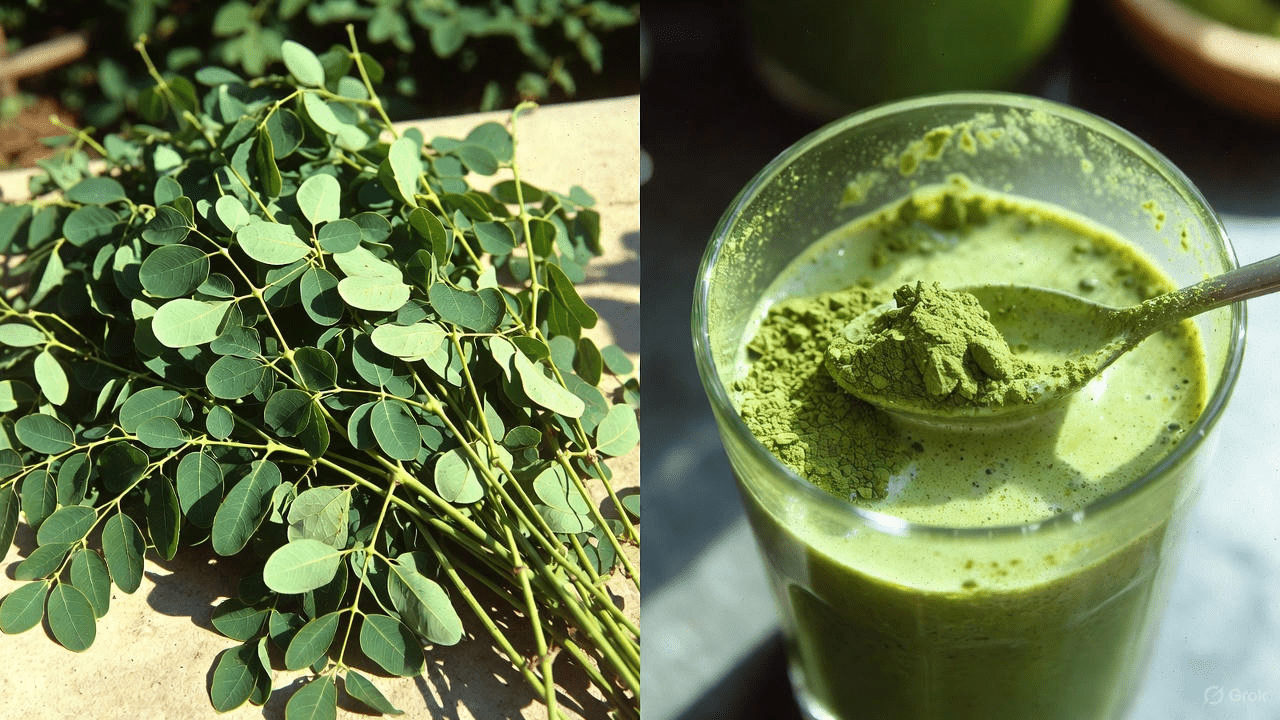
- Begin with 1 teaspoon of organic moringa powder daily
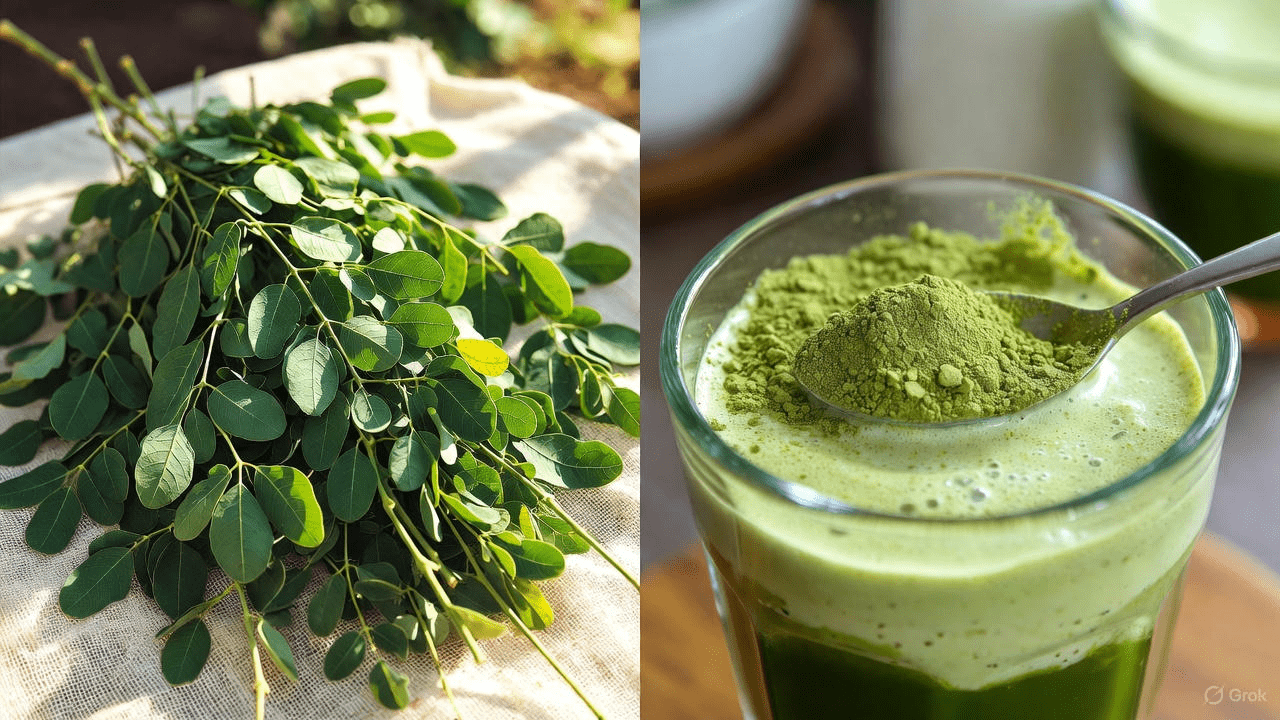
- Mix into warm water for a simple tea
- Add to morning smoothies with banana and berries
- Sprinkle over soups or salads for a mild earthy flavor
- Increase to 2 teaspoons once comfortable
Choose high-quality, organic sources to avoid contaminants. Dried leaf powder keeps most nutrients intact.
Pro tip: Store in a cool, dark place to preserve freshness.
Comparison: Moringa vs Common Greens
| Food Source | Key Strengths | Why Moringa Appeals |
|---|---|---|
| Spinach | Good iron and folate | Higher concentration of multiple nutrients |
| Kale | Rich in vitamins K and C | More complete mineral profile |
| Matcha | Strong antioxidants | Broader range of plant compounds |
| Wheatgrass | Detox support | Easier to grow and more affordable |
Many people prefer moringa’s mild taste and versatility over stronger greens.
What Research Says About Kidney Stones and Detox
Some lab studies suggest moringa extracts may inhibit the formation of calcium oxalate crystals—the most common type of kidney stone.
Additionally, its mild diuretic effect may support natural detoxification processes, though more human studies are needed.
Always stay well-hydrated when trying new foods or supplements.
Final Thoughts on Moringa and Wellness
Adding nutrient-dense plants like moringa to a balanced diet offers a natural way to support overall health. From antioxidants to essential minerals, this humble tree provides meaningful nutritional benefits.
Many people over 50 find it helps them feel more proactive about their wellness journey. Combined with healthy habits like staying active and drinking plenty of water, it can become a valuable part of daily self-care.
The key is consistency and listening to your body.
Frequently Asked Questions
Is moringa safe to consume every day?
Most people tolerate 1-2 teaspoons of moringa powder daily without issues. Start low and monitor how you feel. Those on medications should check with their doctor first.
How long does it take to notice benefits?
Nutritional benefits from whole foods like moringa often appear gradually over weeks to months with regular use. Individual experiences vary.
Can moringa replace my current supplements?
No single food replaces a complete wellness plan. Moringa complements a varied diet but isn’t a substitute for prescribed treatments or professional advice.
This article is for informational purposes only and is not intended to diagnose, treat, cure, or prevent any disease. Always consult your healthcare provider before making changes to your diet or supplement routine, especially if you have existing kidney concerns or take medications.


