
Many people notice changes in their skin as they get older, such as uneven tone or dark spots from years of sun exposure and daily life. These common concerns can make it hard to feel confident, especially when regular products don’t seem to make much difference. It’s frustrating to try one thing after another without seeing the results you hope for.
But what if something as everyday as red onion could offer some natural support? Research points to its key compound, quercetin, as a powerful antioxidant that may help protect skin from daily stressors. Keep reading to learn more about the science and simple ways to explore this idea—you might be surprised by what studies suggest.
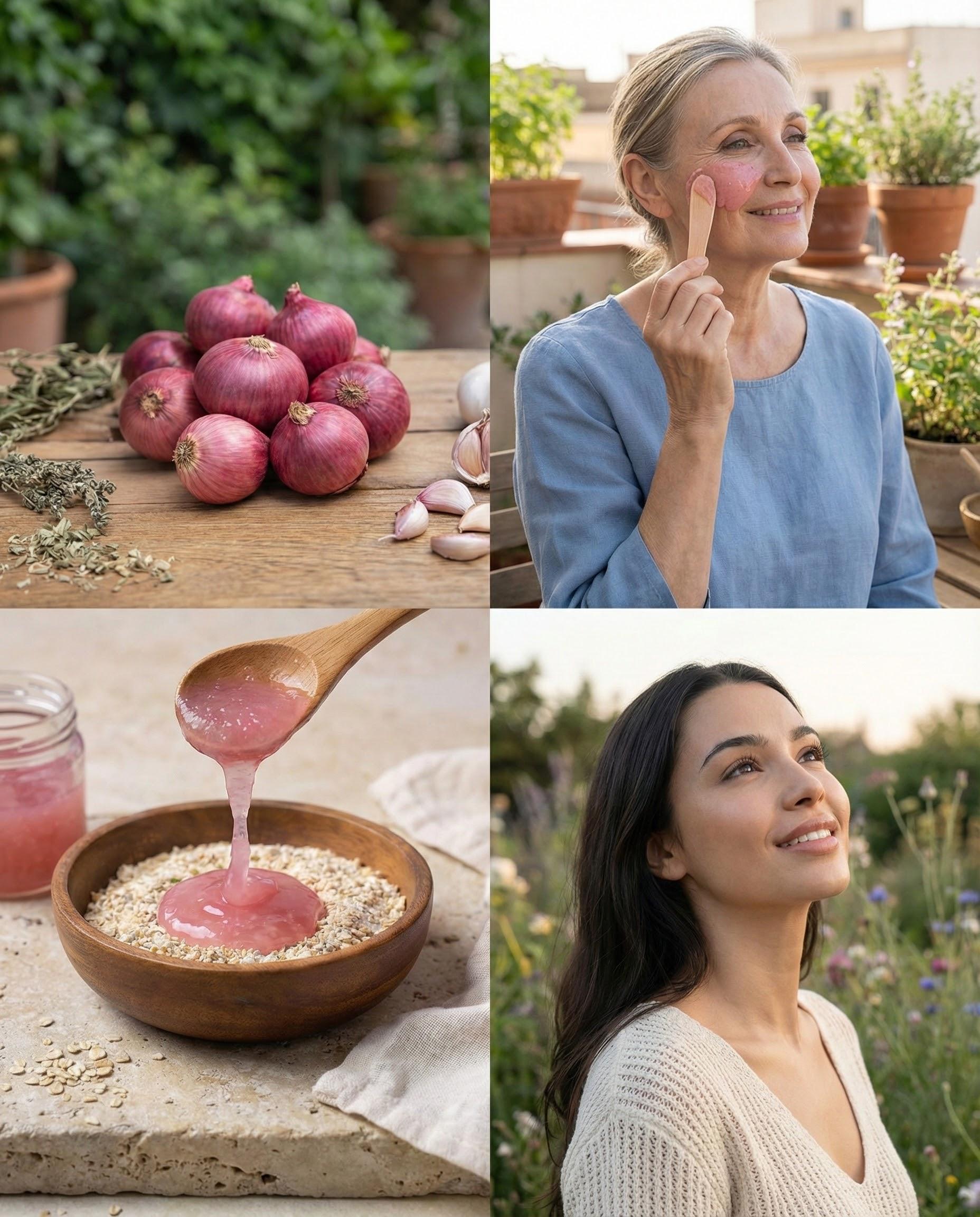
What Makes Red Onions Interesting for Skin Health?
Red onions stand out because of their high levels of quercetin, a flavonoid with strong antioxidant properties. Studies show quercetin helps neutralize free radicals, which contribute to oxidative stress in the skin.
Research also indicates that onion extract, including from Allium cepa (the scientific name for onion), has anti-inflammatory effects and may support skin soothing. For instance, topical onion extract is commonly used in products for scar appearance due to its ability to calm irritation.
But that’s not all—quercetin may play a role in protecting against environmental damage, like UV exposure, according to lab and animal studies.
Potential Ways Red Onion Might Support Skin Appearance
Here are some areas where research suggests red onion compounds could offer benefits:
- Antioxidant Protection: Quercetin scavenges free radicals, potentially helping skin maintain a healthier look over time.
- Soothing Inflammation: Studies note anti-inflammatory properties that may calm redness or irritated skin.
- Supporting Even Tone: Some evidence points to mild effects on pigmentation through antioxidant activity.
- General Skin Vitality: The vitamins and sulfur compounds in onions contribute to overall nourishment when part of a balanced routine.
Research shows these effects are linked to the natural compounds, but individual results can vary.
Here’s a quick comparison of red onion’s natural compounds versus common skincare approaches:
| Skin Concern | Red Onion Approach (Natural Compounds) | Common Skincare Options |
|---|---|---|
| Oxidative Stress | Quercetin as antioxidant | Synthetic antioxidants or vitamin C |
| Inflammation | Natural anti-inflammatory flavonoids | Topical steroids or calming agents |
| Uneven Tone | Potential mild brightening support | Chemical exfoliants or hydroquinone |
| Daily Maintenance | Affordable kitchen staple | Store-bought serums or creams |
The Science Behind Quercetin and Skin
Studies highlight quercetin’s role in skin health. For example, it has shown promise in reducing oxidative damage from UV rays in lab tests. Other research suggests it supports collagen maintenance indirectly through antioxidant effects.
Onion extract has been studied for improving the appearance of scars, with some clinical trials showing better texture and color over time.
However, most strong evidence comes from formulated extracts rather than raw juice.
This is the interesting part: while not a miracle, consistent natural antioxidants like those in red onions may contribute to long-term skin support when combined with good habits.
Safe and Simple Ways to Try Red Onion at Home
If you’re curious, start small and always patch test first. Here’s a step-by-step guide:
- Choose fresh red onions for higher quercetin content.
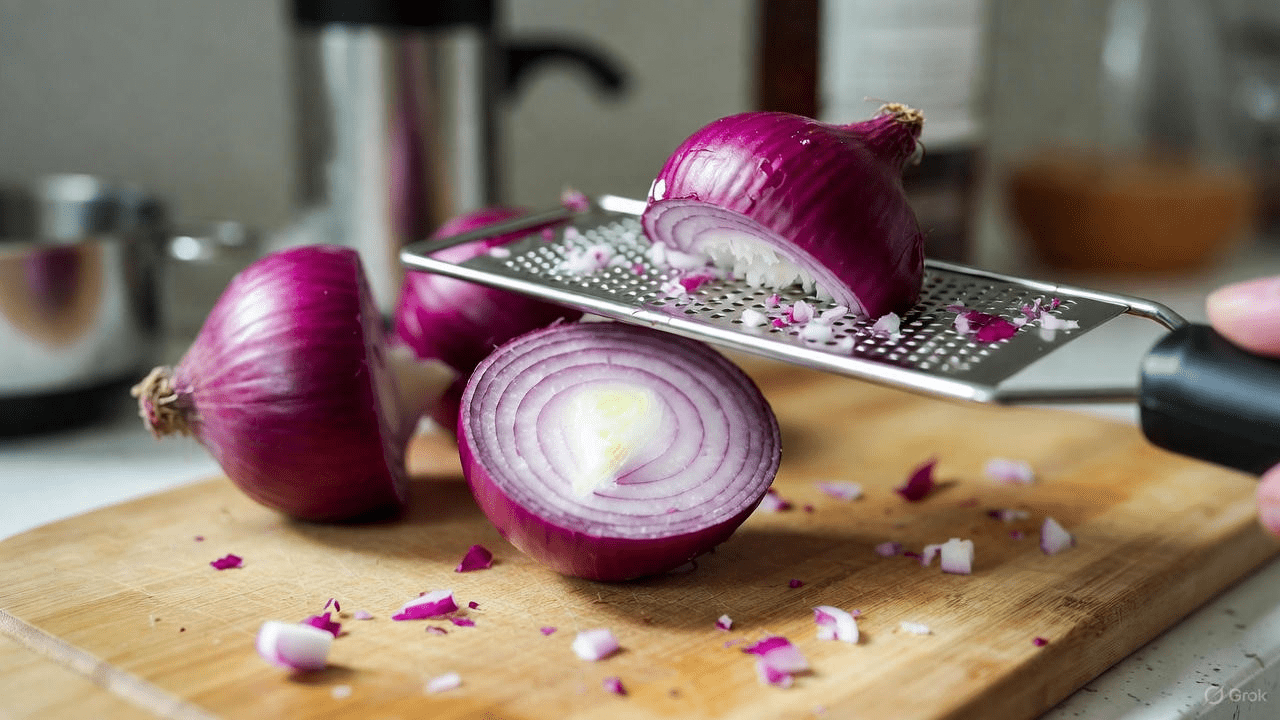
- Grate or blend a small piece and strain the juice.
- Dilute with equal parts water, honey, or aloe vera to reduce potential irritation.
- Apply to a small area using a cotton pad for 10-15 minutes.
- Rinse thoroughly and moisturize.
- Use 2-3 times per week at most.
Bonus tip: Mixing with honey can add extra soothing properties.
Common mixtures people try:
- Red onion juice + honey for calming
- Red onion juice + yogurt for gentle application
- Red onion juice + aloe for hydration
Always prioritize safety—raw onion can cause stinging or redness, especially on sensitive skin.
Frequently Asked Questions
Is red onion safe for all skin types?
It may irritate sensitive skin, so patch test and dilute. Stop if redness occurs.
How long until I see changes?
Natural approaches take time—weeks or months of consistent use, if any benefits appear.
Can it replace my skincare routine?
No, it’s a complement at best. Sunscreen, gentle cleansing, and moisturizing remain essential.

Final Thoughts
Exploring natural ingredients like red onion can be a gentle way to support your skin, thanks to compounds like quercetin backed by some promising research. While it won’t transform skin overnight, incorporating antioxidants from food sources may contribute to a healthier glow over time.
Remember, everyone’s skin is unique, and professional advice is best for specific concerns.
Disclaimer: This article is for informational purposes only and is not medical advice. Results vary, and natural remedies may cause irritation. Consult a healthcare provider or dermatologist before trying new skincare approaches, especially if you have sensitive skin or conditions.


