
As we age past 60, many notice skin feeling drier and less firm, even with regular moisturizers and plenty of water. These changes can feel frustrating, especially when they seem to appear gradually yet persistently. The good news is that small adjustments to daily hydration habits might offer gentle internal support.
What if a few natural additions to your water could make it work a little harder for you? Keep reading to discover four approachable options backed by nutritional insights—and a simple way to get started.

Understanding Collagen Changes in Later Years
Collagen is the protein that helps maintain skin’s structure, elasticity, and moisture retention. Research shows that natural collagen production begins to decline in our 30s and continues steadily, with studies indicating a more noticeable drop after age 50.
Factors like hormonal shifts, daily stress, and nutrient intake all play a role. This gradual change can affect how skin holds hydration and bounces back.
Many people in their 60s and beyond report seeing finer lines or feeling less plumpness despite consistent skincare routines. Sound relatable?
The truth is, while we can’t stop time, nutrition can provide building blocks the body needs. Enhancing plain water with targeted add-ins is one easy way to deliver those nutrients more effectively.
Why Upgrading Your Water Matters
Plain water is essential for overall hydration, but it doesn’t supply specific nutrients linked to collagen support.
By adding ingredients rich in vitamins, amino acids, or minerals, you turn hydration into an opportunity for deeper nourishment.
Studies suggest certain compounds act as cofactors in collagen synthesis or help with moisture retention from within.
This inside-out approach complements topical creams and healthy habits many already follow.
Ready for the details? Let’s explore four simple add-ins that nutritional research highlights.
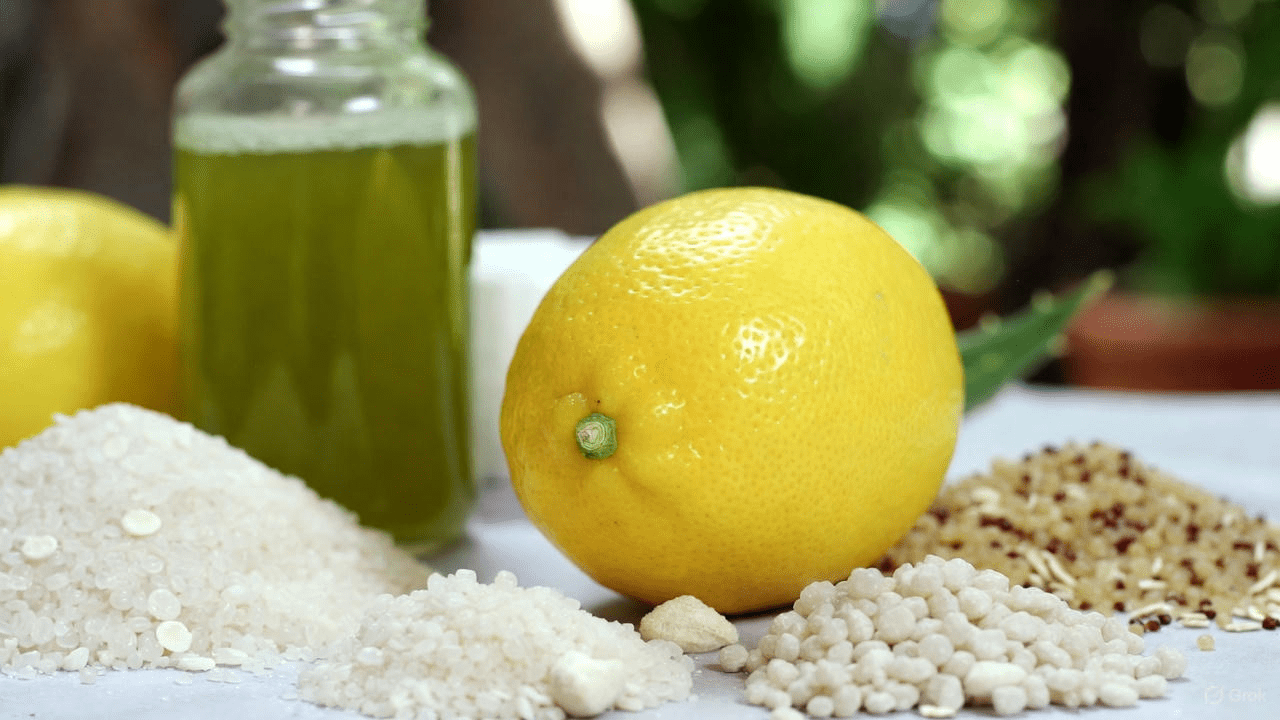
Add-In 1: Fresh Lemon for Vitamin C
Vitamin C is well-known for its role as a cofactor in collagen formation. Research, including studies published in journals like Nutrients, points to its importance in supporting the body’s natural processes.
A simple squeeze of fresh lemon into your water provides a natural source of this vitamin.
Start with half a lemon in a glass of warm or room temperature water each morning.
The bright flavor makes hydration more enjoyable, and many find it a refreshing ritual.
But that’s just the beginning…
Add-In 2: Collagen Peptides for Amino Acid Support
Collagen peptides are hydrolyzed forms of collagen that dissolve easily in liquids.
They supply key amino acids like glycine, proline, and hydroxyproline—building blocks the body may use for its own collagen.
Clinical studies, such as those reviewed in the Journal of Cosmetic Dermatology, have explored how oral collagen peptides might influence skin hydration and elasticity.
Choose an unflavored, high-quality powder and stir one scoop (typically 10-15 grams) into your water.
Many report it mixes smoothly without altering taste much.
This direct approach has gained popularity among those seeking internal options.
Here’s a quick comparison of common types:
| Type | Source | Common Benefits Noted in Studies |
|---|---|---|
| Marine peptides | Fish | Smaller molecule size for absorption |
| Bovine peptides | Cow | Higher glycine content |
| Plant-based alternatives | Not direct collagen | Often combined with vitamin C |
Add-In 3: Aloe Vera Juice for Soothing Hydration
Aloe vera contains polysaccharides that may help support internal moisture balance.
Some research suggests it has hydrating properties similar to hyaluronic acid when taken orally.
Look for food-grade, inner leaf aloe vera juice without added sugars.
Add 1-2 tablespoons to a glass of water midday for a gentle boost.
The mild taste blends well, and it’s a soothing option for daily routines.
Many appreciate its calming reputation from traditional use.
This add-in rounds out hydration in a different way…
Add-In 4: Natural Silica Sources for Mineral Support
Silica is a mineral involved in collagen cross-linking and connective tissue health.
Sources like bamboo extract tea or certain mineral waters provide bioavailable forms.
Studies in journals such as Archives of Dermatological Research have examined silica’s potential role in skin and hair structure.
Brew bamboo tea and let it cool, or choose mineral water brands higher in silica.
Sip in the afternoon as part of your rotation.
It’s an understated addition that fits easily into existing habits.
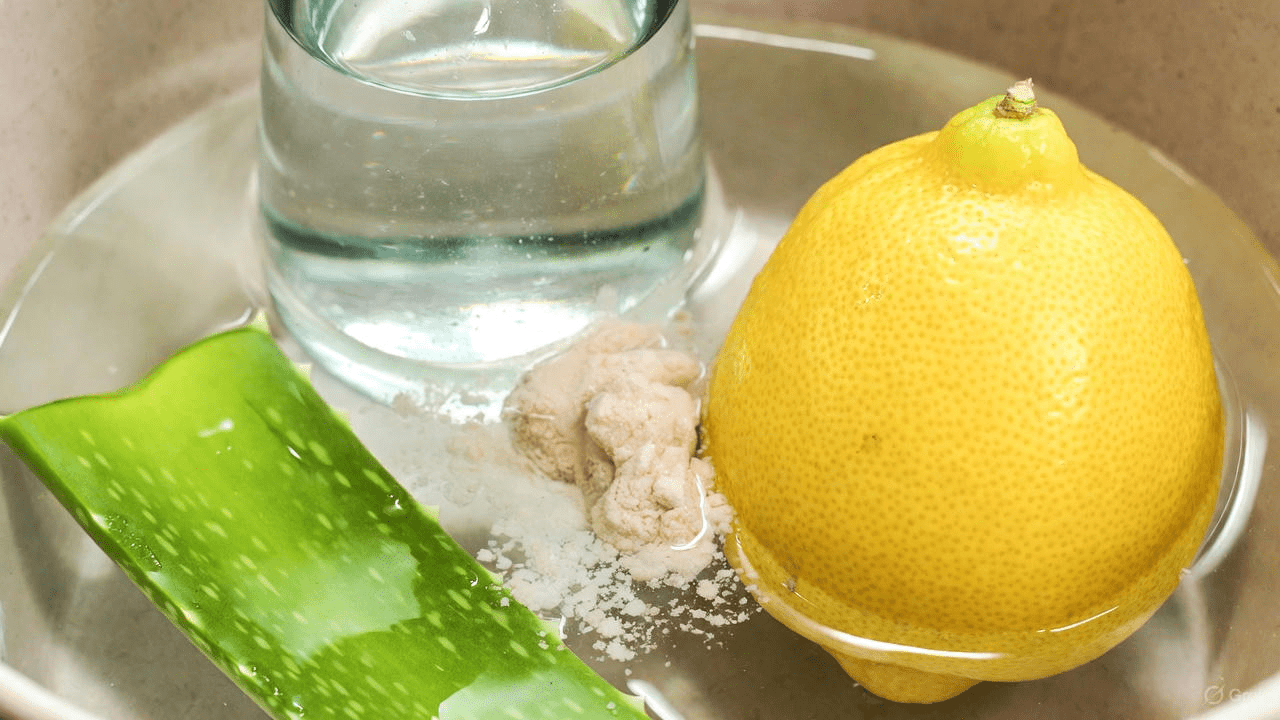
How to Create Your Daily Enhanced Water Routine
Start simple to build consistency—here’s a step-by-step guide:
- Choose one add-in for the first week to see how it feels.
- Prepare in the morning: Use room-temperature or warm water for better dissolving.
- Rotate two add-ins in week two, building to three or four.
- Aim for 8-10 glasses total daily, spreading enhanced versions throughout.
- Listen to your body and adjust amounts gradually.
Sample daily schedule:
Morning: Lemon + collagen peptides
Midday: Aloe vera juice
Afternoon: Silica-rich mineral water or cooled bamboo tea
Evening: Plain water to wind down
Consistency matters more than perfection. Small steps compound over weeks.
Many notice subtle differences in hydration levels first, followed by skin feel.
Expected Timeline and Realistic Outlook
Results vary by individual factors like diet, lifestyle, and genetics.
Week 1-2: Often better overall hydration and enjoyment of water.
Week 3-4: Some report skin feeling softer or more comfortable.
Month 2+: Potential cumulative support from regular nutrient intake.
Remember, these are gentle additions, not overnight changes.
Pair with balanced meals, sun protection, and sleep for best synergy.
Here’s what sets enhanced water apart:
| Approach | Focus | Ease of Use |
|---|---|---|
| Plain water | Basic hydration | Very easy |
| Topical creams | Surface moisture | Daily application |
| Enhanced water add-ins | Internal nutrient delivery | Simple stirring |
Final Thoughts on Gentle Daily Upgrades
Enhancing your water with these four add-ins—lemon, collagen peptides, aloe vera juice, and silica sources—offers a practical way to support nutrition from within.
It’s about making hydration work smarter, not harder.
Small, consistent habits can add up to meaningful comfort over time.
Why not try one addition this week and see how it fits your routine?
Your future self might appreciate the gentle care.
Frequently Asked Questions
Can these add-ins replace skincare products?
No, they complement external routines. Think of them as internal support alongside moisturizers and sunscreen.
How much collagen peptides should I start with?
Most studies use 2.5-15 grams daily. Begin at the lower end and consult packaging or a professional.
Are there any interactions to consider?
Lemon may affect tooth enamel—use a straw if concerned. Always check with your doctor, especially if on medications.
Disclaimer: This article is for informational purposes only and is not medical advice. The add-ins discussed may support nutrient intake based on available research, but individual results vary. Please consult your healthcare provider before making changes to your diet or supplement routine, particularly if you have health conditions or take medications.


