
Many people spot patches of low-growing purple-tinged plants in their yards or gardens each spring and reach for tools to remove them without a second thought. This often leads to overlooking a free, abundant resource that has been part of traditional herbal practices for generations. What if getting to know this everyday plant could open up simple ways to add fresh greens to meals or explore gentle herbal options? Keep reading to uncover its identification, uses, and tips—and discover a surprising everyday application at the end.
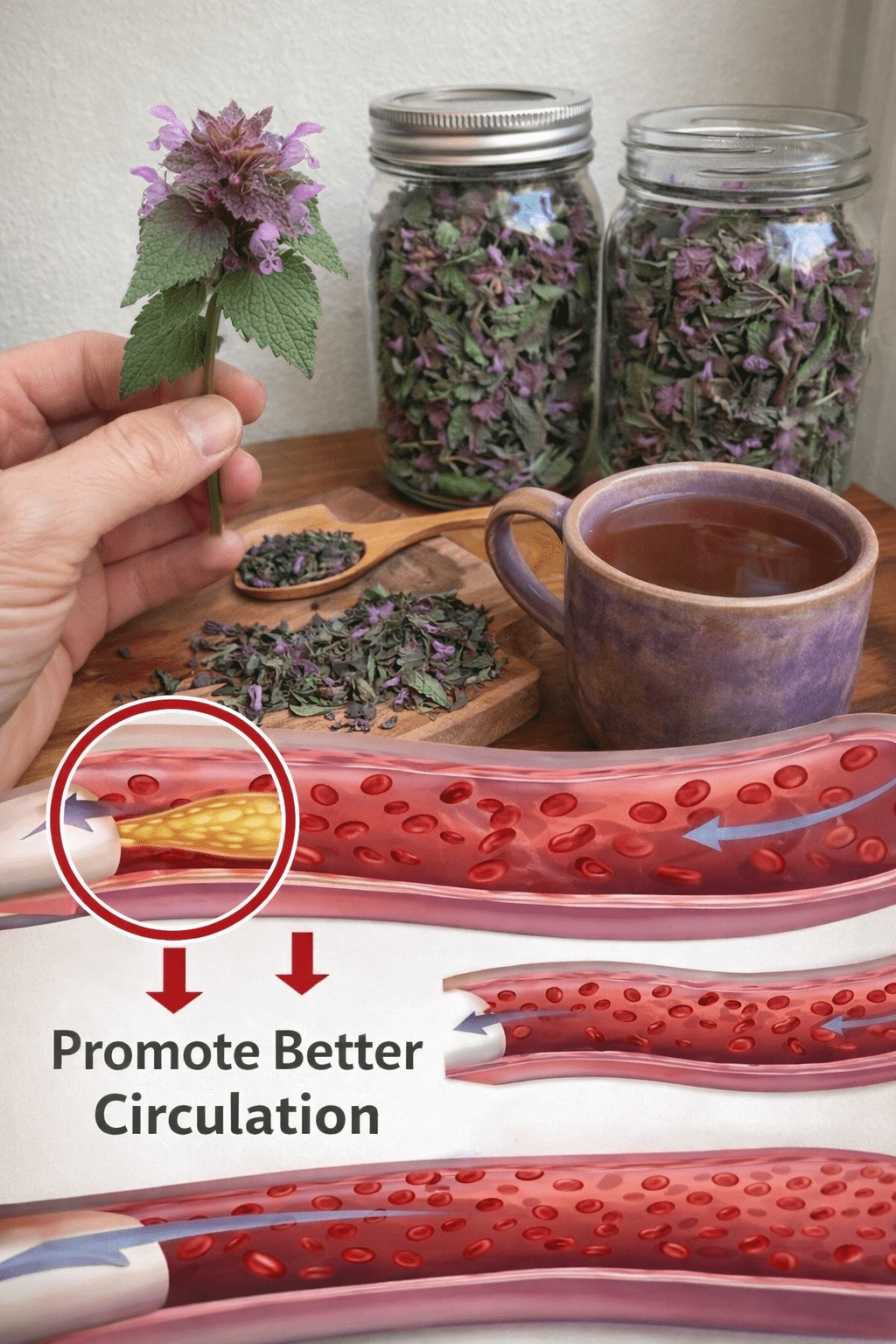
What Exactly Is Purple Deadnettle and How Do You Spot It?
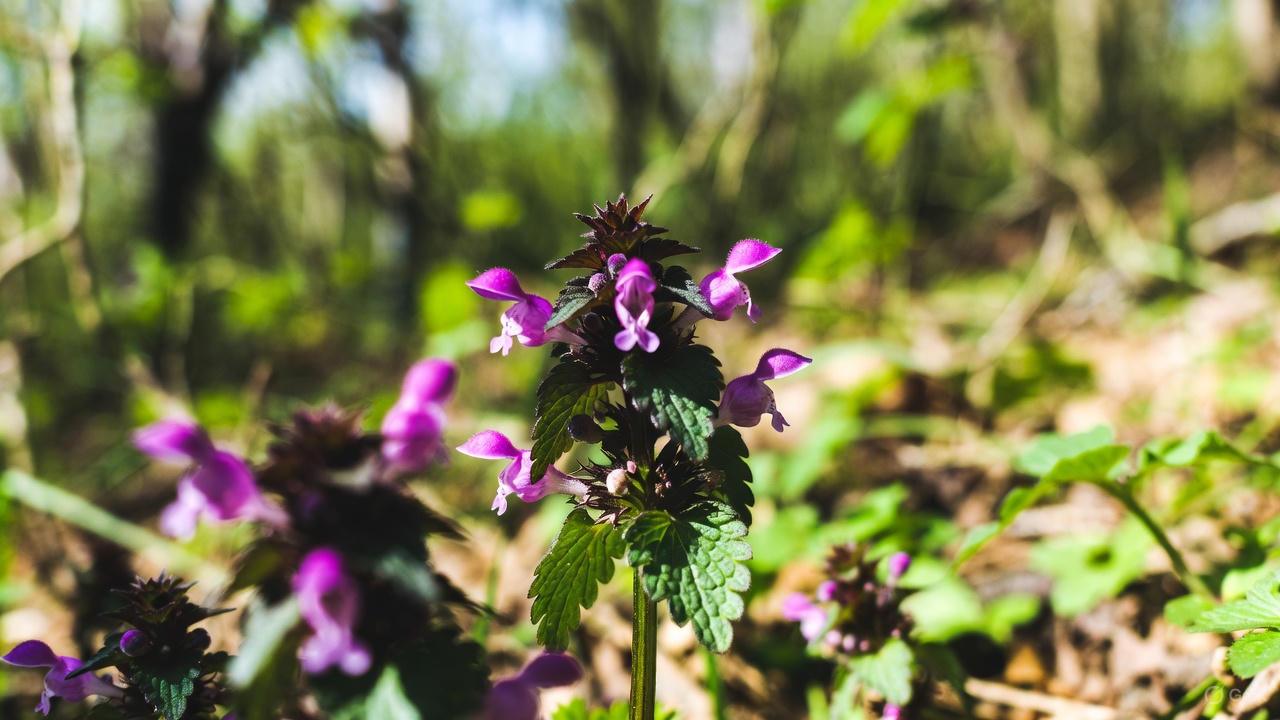
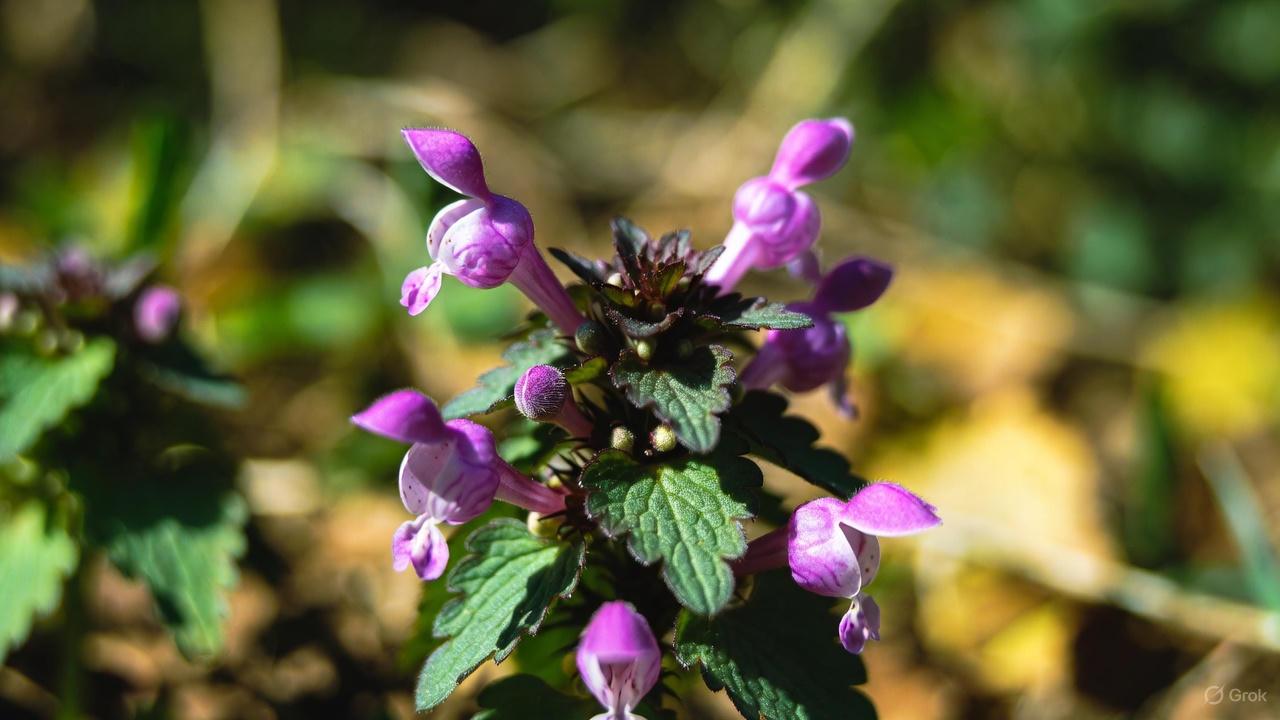
Purple deadnettle (Lamium purpureum) is a member of the mint family, easily recognized by its square stems—a classic mint trait. The leaves are heart-shaped, softly fuzzy, and often show a purple hue toward the top of the plant. Small pink-to-purple tubular flowers cluster in whorls around the upper stems.
Unlike stinging nettles, it has no irritating hairs, which explains the “dead” in its name. It thrives in disturbed soils like lawns, garden edges, and fields, appearing early in spring.
But here’s the interesting part: It’s frequently confused with similar plants. Let’s break that down.
Quick Comparison of Common Lookalikes
| Plant | Key Differences | Edibility Notes |
|---|---|---|
| Purple Deadnettle | Triangular leaves on short stalks (petioles), purple-tinged tops | Fully edible (leaves, flowers, stems) |
| Henbit | Rounder leaves clasping the stem (no stalks), greener overall | Also fully edible |
| Stinging Nettle | Larger serrated leaves with stinging hairs | Edible when cooked, but stings raw |
| Ground Ivy | Creeping habit, round scalloped leaves, stronger minty scent | Edible in small amounts |
Accurate identification starts with checking the square stem and lack of sting. Harvest from clean, unsprayed areas for safety.
Why Purple Deadnettle Stands Out as a Nutritious Edible Green
This plant packs a surprising nutritional punch for something often dismissed as a weed. Research highlights its content of vitamins like C, A, and K, along with iron, fiber, and beneficial plant compounds such as flavonoids and polyphenols.
These contribute to its role as a nutrient-dense spring green, similar to other wild edibles that often outperform cultivated varieties in mineral density.
Ready to try it? Here are straightforward ways to incorporate it:
- In salads: Add young tops raw for a mild, earthy flavor with a hint of mushroom.
- Cooked dishes: Sauté or stir into soups, pestos, or smoothies—like spinach but free and seasonal.
- Simple tea: Steep fresh or dried leaves in hot water for 10 minutes.
Pro tip: Harvest the tender upper parts in early spring for the best taste and texture.
Exploring Traditional and Practical Herbal Applications
Purple deadnettle has a long history in European folk herbalism, valued for its astringent, diuretic, and soothing qualities. Modern reviews of Lamium species note antioxidant activity from polyphenols and mild anti-inflammatory effects in lab studies.
People have traditionally used it in teas or poultices for everyday comfort, and its compounds show potential antimicrobial properties.
That’s not all—many appreciate its early nectar for pollinators like bees, adding an ecological perk to letting some patches grow.
Easy Actionable Ways to Prepare It at Home
- Basic Infused Tea: Gather a handful of fresh tops. Rinse, chop lightly, and steep in boiling water for 10-15 minutes. Strain and enjoy plain or with honey.
- Simple Poultice: Crush fresh leaves and apply directly to minor skin irritations for a cooling effect.
- Drying for Later: Spread leaves on a screen in a shaded, airy spot. Once crisp, store in an airtight jar for year-round tea.
Start small to see how it fits your routine. Combining with other herbs like lemon balm can enhance flavor.
Supporting Early Pollinators and Everyday Wellness
Letting purple deadnettle bloom provides vital early food for bees and other insects emerging in spring. Studies on related plants show it attracts bumblebees, contributing to garden biodiversity.
On the wellness side, its vitamin C and flavonoid content aligns with traditional use for immune support during seasonal changes.
Here’s a quick overview of reported traditional uses versus modern insights:
- Traditional: Teas for digestive comfort or as a mild diuretic.
- Emerging research: Antioxidant potential from seed oils and aerial parts.
Always source responsibly and note that while nutritious, it’s best as part of a varied diet.
Final Thoughts on Embracing This Spring Visitor
Purple deadnettle offers a straightforward way to connect with seasonal plants—through foraging fresh greens, brewing simple teas, or appreciating its role in nature. Its nutrient profile and historical applications make it a versatile addition for anyone interested in wild edibles or gentle herbal options.
The surprising everyday twist? Many find that drying excess harvest creates a handy tea base that lasts through the year, turning a common “weed” into a practical pantry staple.
Frequently Asked Questions
Is purple deadnettle safe to eat raw?
Yes, the young leaves and flowers are commonly eaten raw in salads or as garnishes. Cook older leaves if preferred for tenderness.
How can I tell purple deadnettle apart from henbit?
Check the upper leaves: Purple deadnettle has stalked, triangular leaves with purple tint; henbit’s are stalkless and rounder, clasping the stem.
Can I use purple deadnettle if I’m pregnant or on medications?
Consult a healthcare provider first, especially during pregnancy, nursing, or with existing conditions, as with any herb.
Disclaimer: This article is for informational and educational purposes only and is not intended to diagnose, treat, cure, or prevent any disease. Information on traditional uses and research is shared for interest, but evidence is often preliminary or based on related species. Always consult a qualified healthcare professional before using any plant for health purposes, particularly if you have allergies to mint family plants, are pregnant, nursing, or taking medications. Foraging should be done responsibly from clean areas.


