
Getting up from a chair feels a little harder than it used to. Carrying groceries leaves your arms feeling more fatigued. Small tasks that once seemed effortless now require extra effort. These subtle changes can creep in quietly after age 60, often linked to the natural gradual decline in muscle mass and strength known as sarcopenia. It affects many older adults, impacting mobility and daily independence. Yet research points to practical ways to help support muscle maintenance, including focusing on protein-rich foods. One affordable, versatile option stands out for its potential role—and we’ll explore how it might fit into your routine later.
Understanding Muscle Changes After Age 60
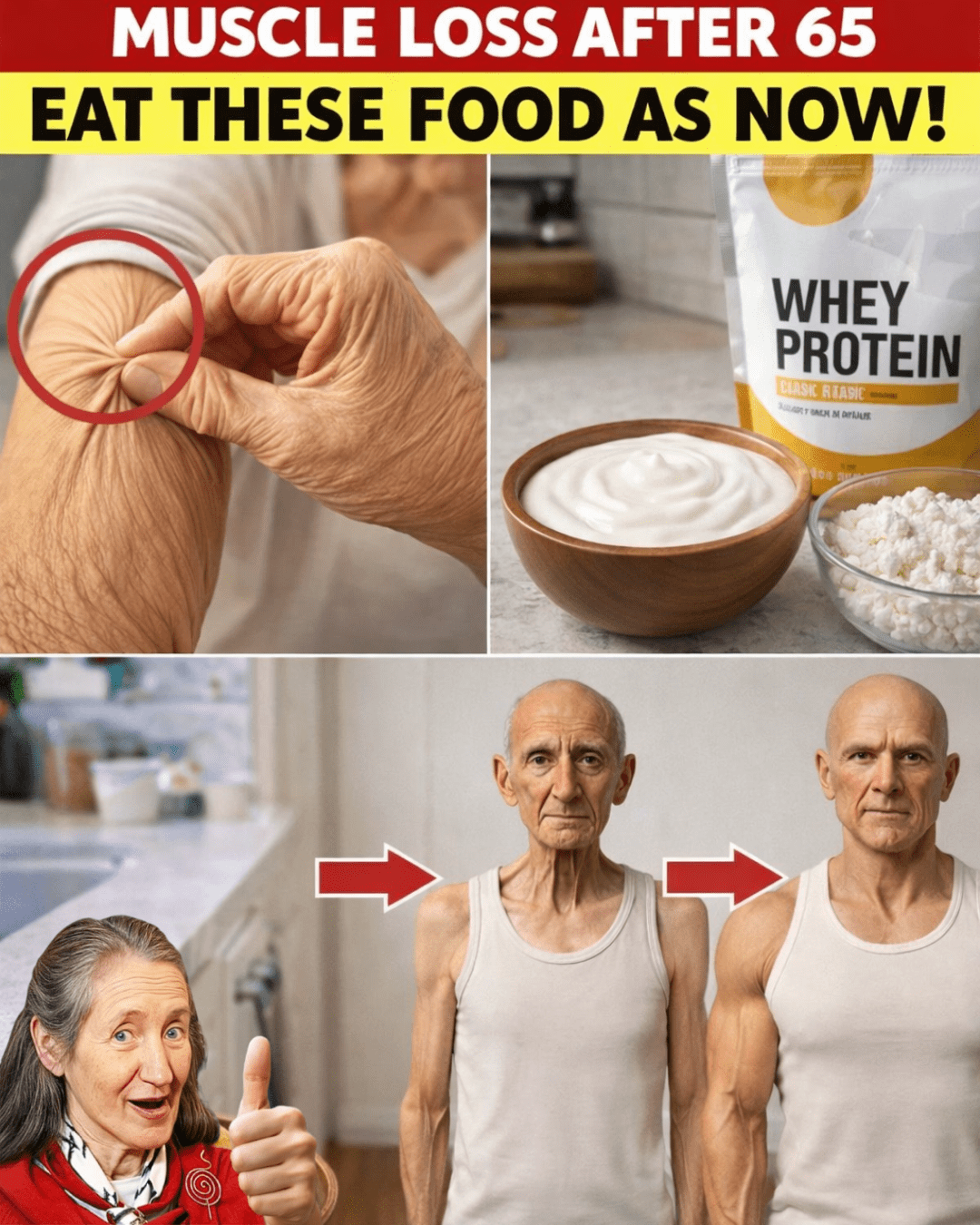
As we get older, our bodies go through natural shifts. Muscle mass and strength tend to decrease over time, a process called sarcopenia. Studies show this can affect 10-30% of adults over 60, with higher rates in those over 80.
This isn’t just about appearance. It can make everyday activities like walking upstairs or standing from a seated position more challenging. Over time, it may increase the risk of falls and reduce overall quality of life.
Several factors contribute, including less physical activity and changes in how the body uses protein. Older adults may experience “anabolic resistance,” meaning muscles respond less efficiently to protein’s signals for repair and growth.
But here’s the good news: Research suggests that getting enough high-quality protein, combined with light movement, can help support muscle health. Not all proteins are the same—some provide benefits through their unique composition.
Why Cottage Cheese May Be a Helpful Addition
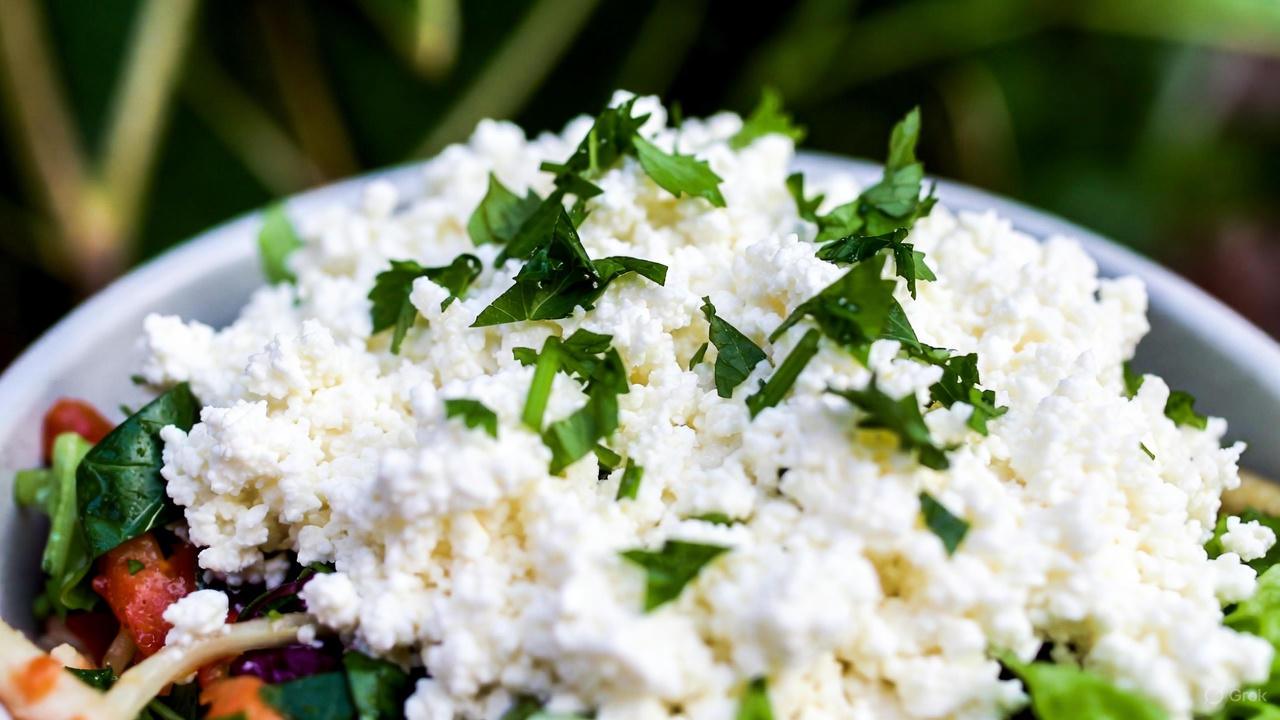
Cottage cheese is a simple dairy food that’s easy to find and prepare. It’s packed with high-quality protein, mainly in the form of casein, which digests slowly and releases amino acids steadily.
This gradual release can provide ongoing support for muscle repair, especially during rest periods like overnight. Casein also contains leucine, an amino acid that plays a key role in triggering muscle protein processes.
Studies on dairy proteins, including casein, indicate they may help preserve muscle mass when part of a balanced approach with activity. Plus, cottage cheese is low in calories and versatile for meals or snacks.
But that’s not all—let’s look at some specific ways it might contribute.
6 Potential Ways Cottage Cheese Supports Muscle Health in Older Adults
Here are some research-backed reasons why this food could be worth including:
- Offers Slow-Release Protein
The casein in cottage cheese provides a steady stream of amino acids. This may aid overnight muscle recovery, as studies on slow-digesting proteins suggest benefits for sustained repair. - Contributes to Bone Support
With calcium and phosphorus, it teams up with protein to help maintain bone density. Strong bones work alongside muscles for better stability. - Helps with Feeling Full
High-protein options like this can promote satiety, supporting healthy eating patterns that indirectly benefit muscle maintenance. - Aids Post-Activity Recovery
Leucine and other amino acids may help muscles rebound after daily movement or light exercise. - May Improve Mobility
Some research links dairy intake to better physical function, potentially leading to steadier movement. - Supports Muscle Maintenance
The top benefit: Dairy proteins show promise in helping slow age-related muscle changes, especially with regular activity.
These points highlight why experts often recommend dairy as part of muscle-supportive habits.
Nutrition Breakdown: Low-Fat Cottage Cheese (Per ½ Cup Serving)
| Nutrient | Approximate Amount | Potential Benefit for Older Adults |
|---|---|---|
| Protein | 12-14 grams | Helps with muscle repair and daily needs |
| Calories | 80-100 | Low-calorie option for easy inclusion |
| Calcium | 100-150 mg | Supports bone health alongside muscles |
| Fat | 2-3 grams | Moderate for heart-friendly choices |
These values can vary by brand—check labels for low-sodium versions if needed.
Easy Ways to Incorporate Cottage Cheese Daily
Starting small makes it sustainable. Try these ideas:
- Eat it plain with herbs or a sprinkle of pepper for a quick savory snack.
- Top with fresh fruit like berries or a touch of honey for something sweeter.
- Use as a spread on whole-grain toast instead of butter.
- Mix into salads or scrambled eggs for added creaminess.
- Blend into smoothies for extra protein without changing the taste much.
- Choose varieties with live cultures for potential gut benefits.
Aim for consistency—many notice more steady energy over time.
Maximizing Benefits: Pair with These Habits
For better results, combine cottage cheese with:
- Gentle strength activities, like wall pushes or seated leg lifts.
- Daily walks to keep muscles active.
- Other protein sources, such as eggs, fish, or beans.
- Staying hydrated throughout the day.
- Balanced meals with vegetables and whole grains.
This holistic approach creates a stronger foundation for muscle support.
How Much Protein Do Older Adults Need?
Research often suggests 1.0-1.2 grams per kg of body weight daily to help maintain muscle, higher than the general 0.8 g/kg recommendation. Spread it across meals for better absorption.
Is Cottage Cheese Right for Everyone?
It’s well-tolerated by most, but those with lactose issues or dairy allergies may need alternatives like plant-based options. Always check with a doctor.
Does Cottage Cheese Alone Prevent Muscle Loss?
No single food does—it works best as part of a varied diet with movement. Think of it as a supportive tool.
This information is for educational purposes only and is not medical advice. Consult your healthcare provider before making dietary changes, especially if you have health conditions.
(Word count: approximately 1320)


