
You open your latest lab results and notice protein in your urine once again. The foamy appearance in the toilet bowl feels like a quiet alarm, and the subtle swelling in your ankles reminds you something isn’t quite right. Fatigue seems to hit earlier in the day, making simple tasks feel heavier than they should. What if small, consistent changes to your daily meals could offer meaningful support alongside your regular care?
Stay with me, because the foods we’re about to explore might become quiet allies in your routine—and there’s one simple combination at the end that many people find surprisingly helpful.
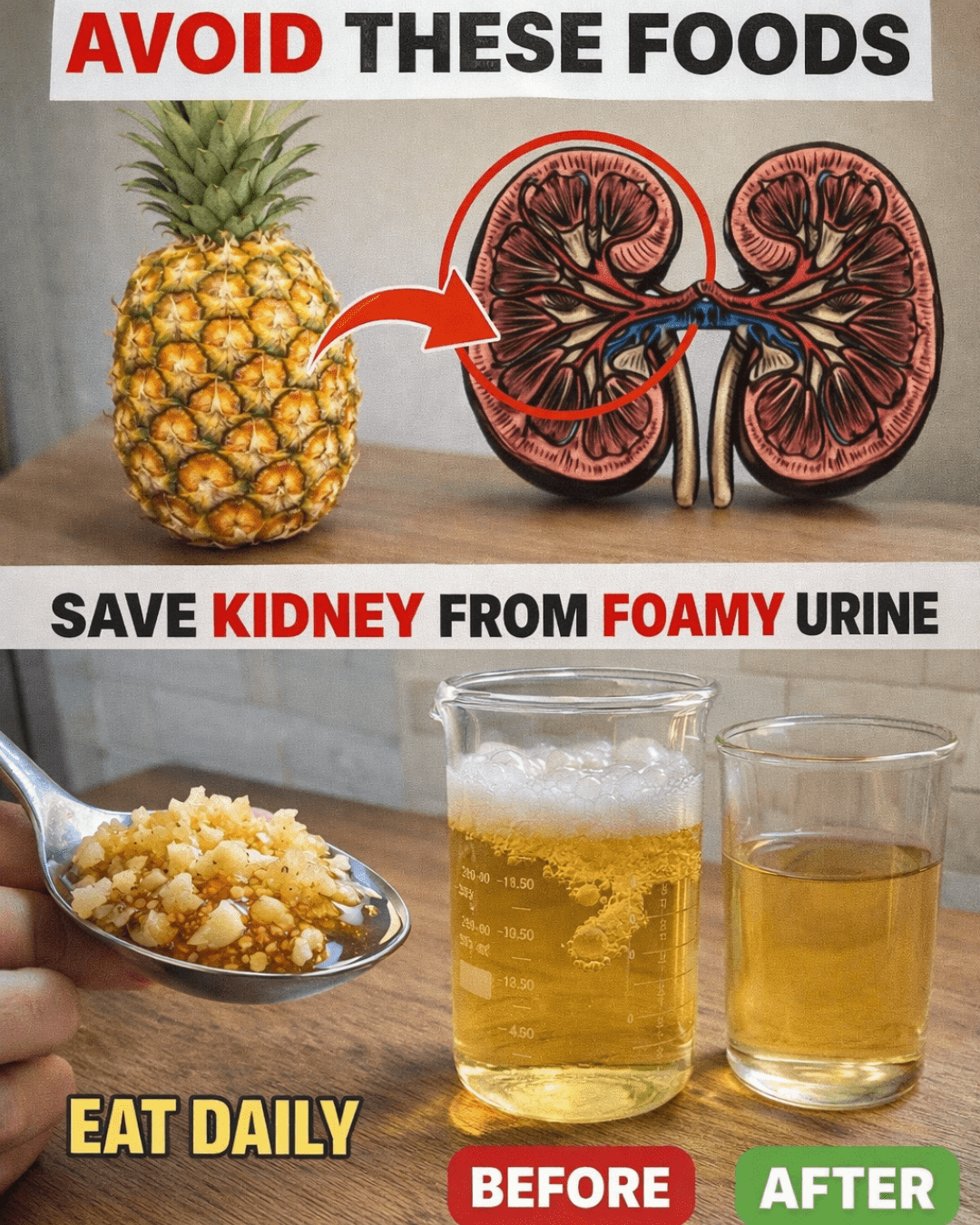
What Proteinuria Actually Signals About Your Kidneys
Proteinuria happens when the tiny filters in your kidneys, called glomeruli, allow some protein to pass into the urine. This can occur with factors like high blood pressure, blood sugar fluctuations, or ongoing inflammation.
Research shows that lifestyle patterns, including food choices, often play a supporting role in overall kidney health. While medication helps manage pressure in those filters, nutrition can contribute to a calmer internal environment.
The good news? Certain whole foods are naturally gentle and nutrient-rich, making them easier for many people to include regularly.
Why These 10 Foods Stand Out for Kidney Support
These selections focus on options that are generally lower in sodium, provide beneficial compounds, and help create balanced meals. Studies suggest anti-inflammatory and antioxidant-rich foods may support vascular health and metabolic steadiness—both relevant when kidneys are under stress.
But that’s not all. Many of these foods also make meals more satisfying without relying heavily on processed items.
Let’s count them down, starting with number 10.
10. Blueberries
These small berries pack anthocyanins, plant compounds widely studied for their antioxidant properties. A handful feels like a naturally sweet treat and can replace higher-sugar desserts.
People often report feeling more energized when they add berries regularly. Enjoy them fresh, frozen, or blended into smoothies.
9. Cold-Water Fatty Fish (Salmon, Sardines, Mackerel)
Rich in omega-3 fatty acids like EPA and DHA, these fish have been researched extensively for supporting inflammation balance. Two to three servings per week fit well for most people.
Try grilled salmon with herbs or canned low-sodium sardines on whole-grain toast. The flavor feels satisfying and substantial.
8. Red Bell Peppers
Bright, crunchy, and naturally sweet, red peppers deliver vitamin C and carotenoids while staying relatively low in potassium compared to some other vegetables.
Slice them raw for snacks or roast them for deeper flavor. They add color and volume to any plate.
7. Garlic
Fresh garlic releases beneficial sulfur compounds when crushed or chopped. Research links these compounds to cardiovascular support, which matters since blood pressure and kidney function are closely connected.
A little goes a long way—sauté it gently to bring out aroma without bitterness.
6. Cabbage
Inexpensive and versatile, cabbage offers fiber and phytonutrients. It works beautifully in stir-fries, soups, or raw slaws.
Many find it helps meals feel more filling without adding heavy carbs or excess sodium.
5. Extra-Virgin Olive Oil
The polyphenols in quality extra-virgin olive oil have been studied for potential anti-inflammatory effects. That signature peppery finish signals real freshness.
Use it for drizzling over vegetables or low-heat cooking. A tablespoon or two can transform simple ingredients.
4. Unsweetened Cranberries
Known for their tart flavor and polyphenol content, cranberries appear in many studies related to urinary tract health. Choose fresh, frozen, or unsweetened juice.
Dilute juice with water to keep sugar minimal and stay hydrated.
3. Egg Whites
Pure, high-quality protein without the phosphorus load found in yolks, egg whites cook quickly and absorb surrounding flavors.
They’re especially useful when protein intake needs thoughtful portion control. Discuss amounts with your healthcare provider.
2. Cauliflower
This mild vegetable adapts to almost any role—mashed, riced, roasted, or steamed. It provides fiber and vitamin C while serving as a lower-carb alternative.
Season generously with garlic and olive oil for comfort-food appeal.
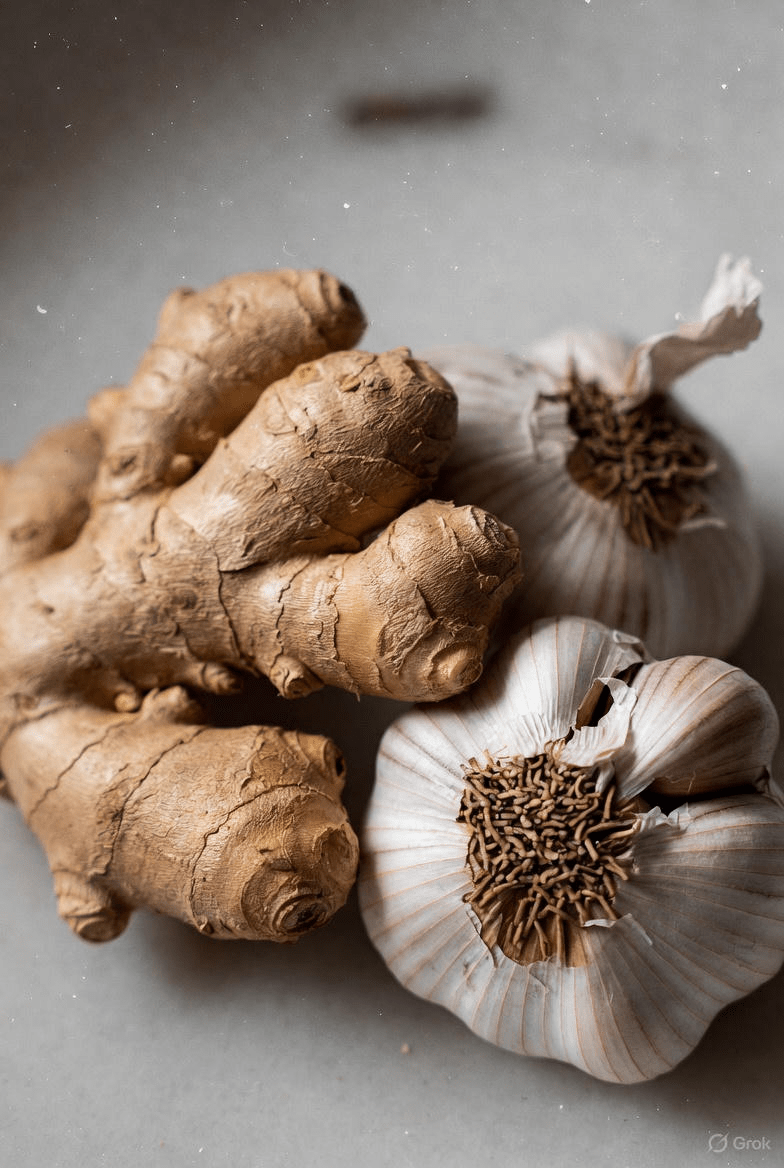
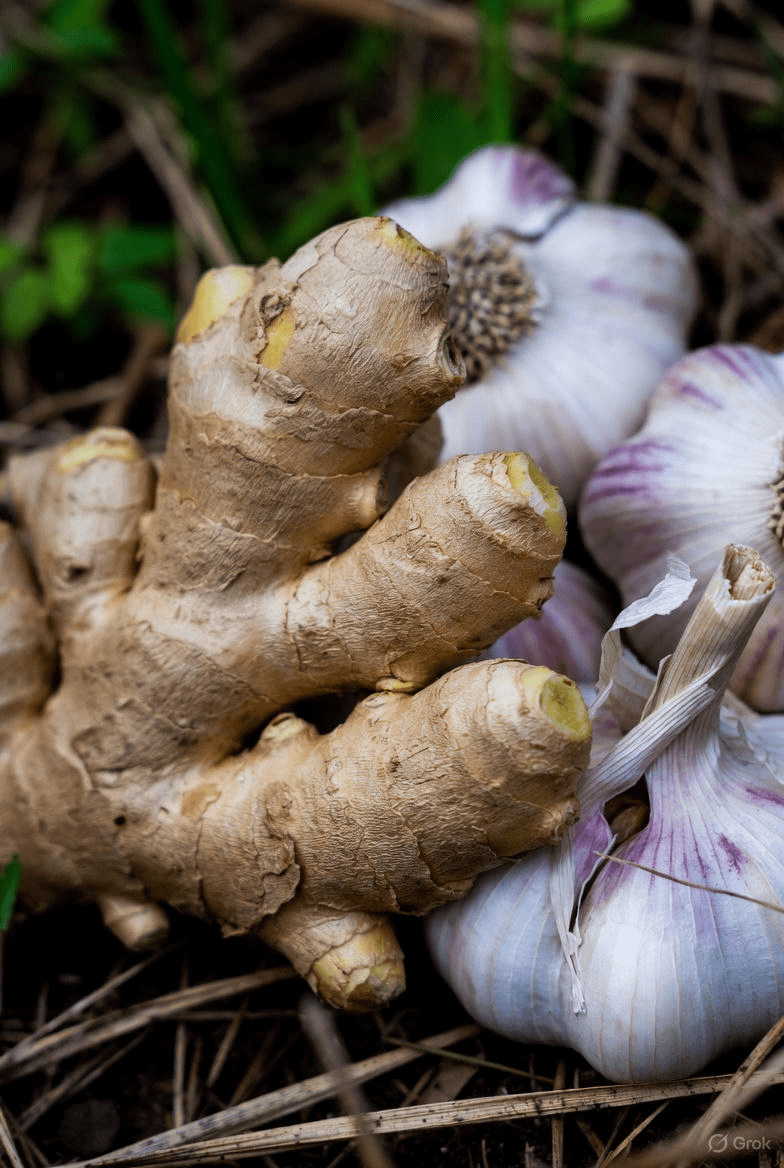
1. Fresh Ginger
With its warming, spicy-sweet notes, ginger contains gingerols studied for anti-inflammatory and digestive comfort. Many people find ginger tea soothing after meals.
Grate it fresh into stir-fries, soups, or hot water with lemon.
Quick Comparison: What Each Food Brings to Your Plate
| Food | Key Nutrients/Compounds | Everyday Benefit People Notice Most |
|---|---|---|
| Blueberries | Anthocyanins | Natural sweetness, dessert replacement |
| Fatty fish | Omega-3s (EPA/DHA) | Feeling satisfied longer |
| Red bell peppers | Vitamin C, carotenoids | Crunchy volume without heaviness |
| Garlic | Organosulfur compounds | Flavor boost to simple meals |
| Cabbage | Fiber, phytonutrients | Bulk and fullness |
| Olive oil | Polyphenols | Rich taste in healthy cooking |
| Cranberries | Polyphenols | Tart refreshment |
| Egg whites | High-quality protein | Muscle support without overload |
| Cauliflower | Fiber, vitamin C | Versatile carb swap |
| Ginger | Gingerols | Digestive comfort and warmth |
Simple Ways to Add These Foods Without Overhaul
Start small—pick three foods and use them for the next few days. Here’s how many people make it stick:
Choose one protein source (fish or egg whites) for main meals
Fill half your plate with low-potassium vegetables like peppers, cabbage, or cauliflower
Add flavor with garlic, ginger, and olive oil
Finish with a small portion of berries or diluted cranberry drink
Stay consistent rather than perfect
Research supports gradual shifts: studies on Mediterranean-style patterns show benefits for blood pressure and inflammation markers over weeks to months.
A Realistic One-Day Meal Template
Breakfast: Egg white veggie scramble with red peppers and a side of blueberries
Lunch: Baked salmon over cauliflower rice, drizzled with olive oil and garlic
Snack: Cabbage strips with a light olive oil-lemon dressing
Dinner: Ginger stir-fry with cabbage, peppers, and your choice of lean protein
Evening wind-down: Warm ginger tea or diluted unsweetened cranberry drink
Adjust portions to your needs and appetite. The goal is repeatable meals that taste good.
Three Easy Shopping Lists to Get Started
Must-haves for the week:
Fresh ginger root
Garlic bulbs
Red bell peppers
Cabbage head
Extra-virgin olive oil
Protein boosters:
Wild-caught salmon or low-sodium sardines
Carton of egg whites
Frozen cauliflower rice
Flavor finishers:
Frozen blueberries (no added sugar)
Fresh or frozen unsweetened cranberries
Signs It’s Time to Check In With Your Doctor
Persistent foamy urine
New swelling in legs or ankles
Unexplained fatigue
Rising blood pressure readings
Changes in urination frequency
Always share dietary changes with your healthcare team, especially if you’re on medications or have advanced kidney concerns.
Final Thoughts: Small Plates, Meaningful Support
Including these kidney-friendly foods doesn’t require dramatic restriction—it’s about choosing nutrient-dense options that feel enjoyable day after day. Many people notice steadier energy, less puffiness, and easier meal routines within a few weeks.
The real power lies in consistency, not intensity. Start tonight with whatever you have on hand, then build from there.
And remember that one simple combination? Blueberries with a drizzle of olive oil and fresh ginger might sound unusual, but people who try it often say it becomes their favorite quick snack—sweet, warming, and surprisingly satisfying.
Frequently Asked Questions
Can these foods reduce protein in my urine on their own?
No single food does that independently. They may support overall wellness factors like blood pressure and inflammation when combined with medical guidance.
How much protein is safe with proteinuria?
It varies by your kidney stage and labs. Your doctor or dietitian provides the most personalized targets.
Are supplements better than whole foods?
Whole foods generally offer broader nutrient combinations with fewer risks of overload. Always check with your provider before adding supplements.
This article is for informational purposes only and is not medical advice. Please consult your healthcare provider for personalized recommendations regarding diet and kidney health.


