
You glance at your recent lab results and notice your creatinine has crept up a bit more than last time. Your doctor mentions monitoring it closely, but you leave wondering what small changes could make a difference. Many people feel fine day to day, yet quietly worry about supporting their kidney health through everyday habits.
Certain popular nuts, often seen as healthy snacks, contain higher levels of phosphorus, potassium, or oxalates that kidneys may need to process carefully. But here’s the encouraging part: simple swaps to other nuts lower in these nutrients could help lighten that daily workload. And one surprising option stands out for its potential supportive properties. Keep reading to discover practical ideas that fit easily into your routine.
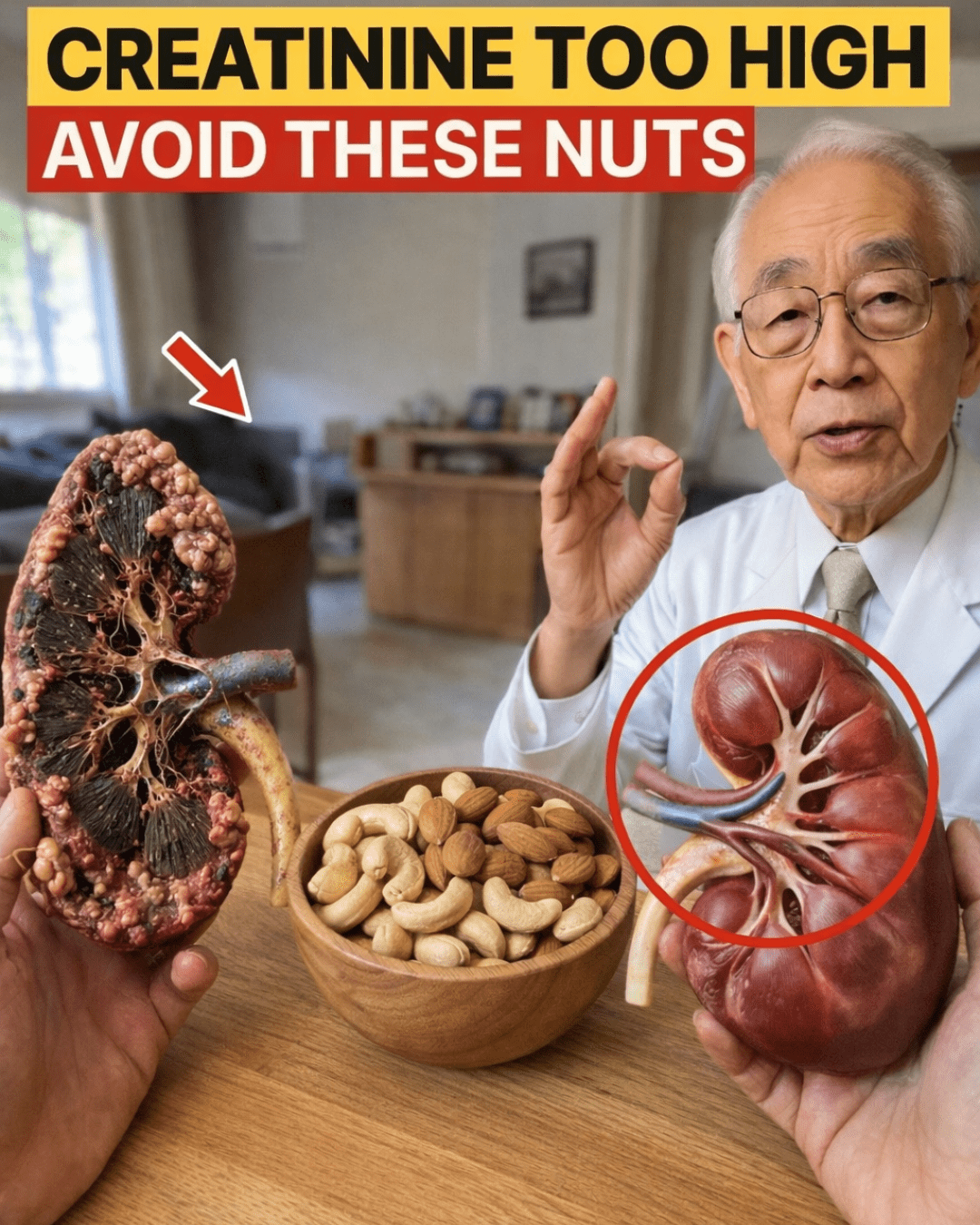
Why Nut Choices Matter for Kidney Health
Kidneys filter waste and maintain balance of minerals like phosphorus and potassium. When function is reduced, excess of these can build up over time.
Nuts offer healthy fats, fiber, and protein. Yet some varieties are naturally higher in phosphorus or potassium, which might add extra effort for kidneys already working hard. Research from the National Kidney Foundation notes that while most people with early kidney concerns don’t need strict limits, portion control and smarter selections help.
The good news? Not all nuts affect kidneys the same way. Choosing lower-phosphorus and lower-potassium options allows you to enjoy snacks without unnecessary strain. Studies suggest moderate nut intake may even support overall heart health, important since cardiovascular wellness links closely to kidney function.
But that’s not all—certain nuts provide anti-inflammatory benefits that could indirectly help.
Three Nuts to Enjoy in Smaller Portions
Here are three common nuts higher in phosphorus, potassium, or oxalates. They’re nutritious in general, but if labs show rising creatinine, consider moderating them.
1. Cashews: Watch the Phosphorus Load
Cashews taste creamy and satisfying. A small handful (about 1 ounce) delivers around 150 mg of phosphorus—significant if aiming to keep daily intake moderate.
Excess phosphorus can sometimes pull calcium from bones or contribute to vascular stiffness. Many sources, including kidney health guidelines, suggest cashews in limited amounts for those monitoring phosphorus.
2. Almonds: Mind the Potassium and Oxalates
Almonds rank high on healthy snack lists for vitamin E and fiber. Yet one ounce contains about 200 mg potassium and notable oxalates.
For some, higher potassium adds to daily total from other foods like fruits or vegetables. Almonds also appear on lists of higher-oxalate nuts, per National Kidney Foundation resources.
3. Chestnuts: Consider the Carbs and Oxalates
Roasted chestnuts feel like a cozy treat, especially seasonally. They’re starchy, causing quicker blood sugar rises, and contain around 72 mg oxalates per 100 grams—medium to high.
Higher oxalates may concern those prone to certain kidney stones. Plus, starch content means they act more like a grain than typical nut.
These aren’t “bad”—just ones to portion carefully or swap occasionally.
Three Kidney-Friendly Nut Options to Try
Shift to these lower in phosphorus and potassium. They still provide satisfying crunch and nutrients.
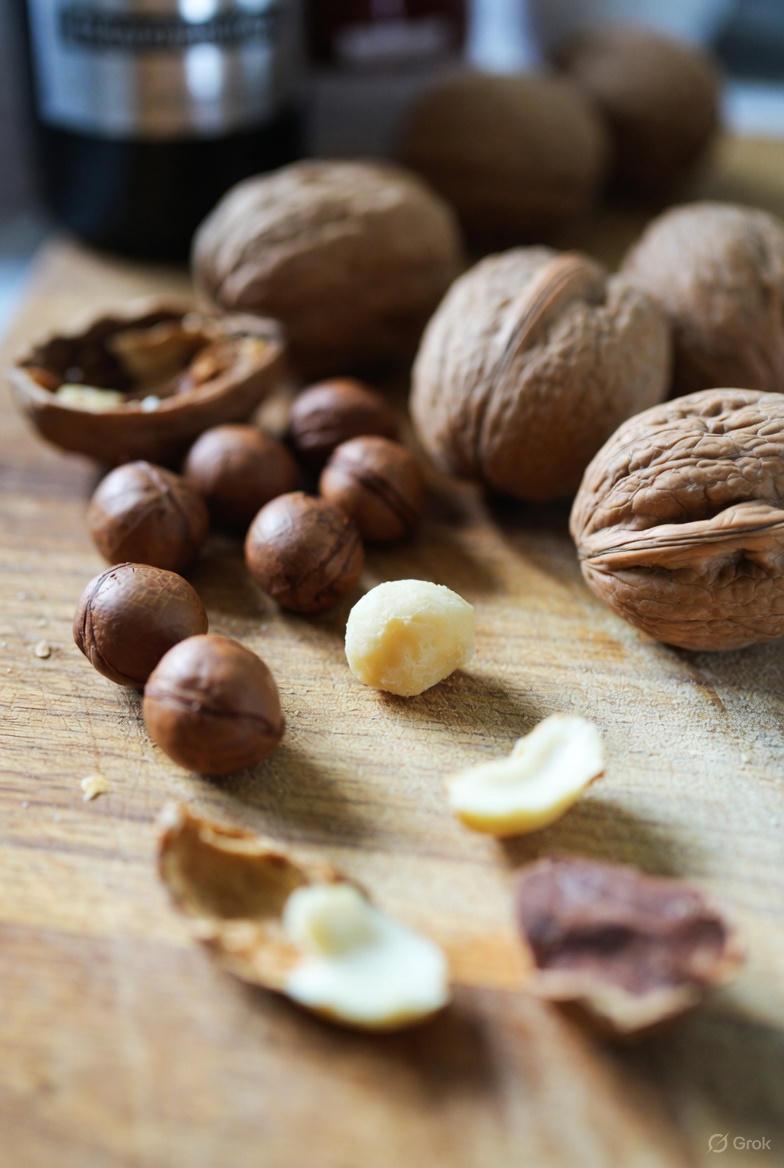
1. Macadamia Nuts: A Gentle, Buttery Choice
Macadamias stand out as one of the lowest in both potassium and phosphorus among nuts.
Guidelines from the National Kidney Foundation highlight macadamias (and pecans) as better options compared to almonds or peanuts. Their rich, buttery texture satisfies with just 5-7 nuts.
They also offer healthy monounsaturated fats that support overall wellness.
2. Walnuts: Support for Inflammation Balance
Walnuts provide plant-based omega-3s (ALA), linked to reduced inflammation markers in some studies.
Though moderate in potassium and phosphorus, their anti-inflammatory potential makes them a solid choice in small portions—like 4-5 halves daily. Research shows walnuts may help lower oxidative stress, beneficial for aging kidneys.
3. Pecans: Another Low-Electrolyte Favorite
Pecans rank low in potassium and phosphorus, similar to macadamias.
They deliver antioxidants and healthy fats without heavy mineral load. A small handful adds flavor to salads or snacks.
Many kidney resources recommend pecans as a go-to for moderated diets.
Quick Comparison Chart for Easy Swaps
| Limit More Often | Swap With This | Suggested Portion | Why It May Help |
|---|---|---|---|
| Cashews | Macadamia Nuts | 5–7 nuts | Lower phosphorus and potassium |
| Almonds | Walnuts | 4–5 halves | Omega-3s for inflammation support |
| Chestnuts | Pecans | 1 small handful | Lower in key minerals and oxalates |
This chart offers a simple reference. Adjust based on your labs and doctor’s advice.
- Start small: Try one swap this week.
- Portion mindfully: Use a small bowl to avoid overdoing.
- Choose unsalted: Keeps sodium in check.
- Pair wisely: Add to meals for balanced nutrients.

Real Experiences and Research Insights
Many find that tweaking nut choices brings noticeable differences in energy or labs over time.
Studies on overall nut consumption show potential benefits for heart and metabolic health, even in kidney concerns. Plant-based phosphorus in nuts absorbs less than from additives.
One review noted moderate nut intake linked to lower CKD risk in large populations. Always personalize—results vary.
Simple Steps to Get Started Today
Ready to try these ideas?
Tonight: Check your pantry and move higher-phosphorus nuts to the back.
Tomorrow: Pick up macadamias, walnuts, or pecans—raw and unsalted.
This week: Experiment with portions and note how you feel.
Track labs at your next check-up and discuss changes with your doctor.
Small, consistent habits add up to meaningful support.
Frequently Asked Questions
Do I need to avoid all nuts if my creatinine is elevated?
Not necessarily. Many enjoy nuts in moderation. Focus on lower-phosphorus and potassium varieties, and work with your healthcare team based on your specific labs.
How much nuts is a safe daily amount?
Often 1/4 cup or a small handful, but it depends on your stage and needs. Start small and monitor.
Can these swaps really make a difference?
Dietary choices support kidney workload alongside other habits like staying hydrated and managing blood pressure. They’re one piece of the puzzle.
This article is for informational purposes only and is not a substitute for professional medical advice. Always consult your healthcare provider or a registered dietitian before making dietary changes, especially with kidney concerns.


