
Many people experience occasional fatigue, tightness in the chest, or worry about their long-term heart health as they go through daily life. These feelings can stem from the stresses of modern living, poor sleep, or simply the natural changes that come with age. The good news is that simple dietary choices can play a role in supporting better circulation and overall cardiovascular wellness—without relying solely on medications.
What if incorporating a few nutrient-rich foods into your routine could make a meaningful difference? Research suggests certain foods may help maintain healthy blood flow and artery function. Keep reading to learn about seven evidence-based options—and a surprising way they might complement traditional approaches like aspirin.
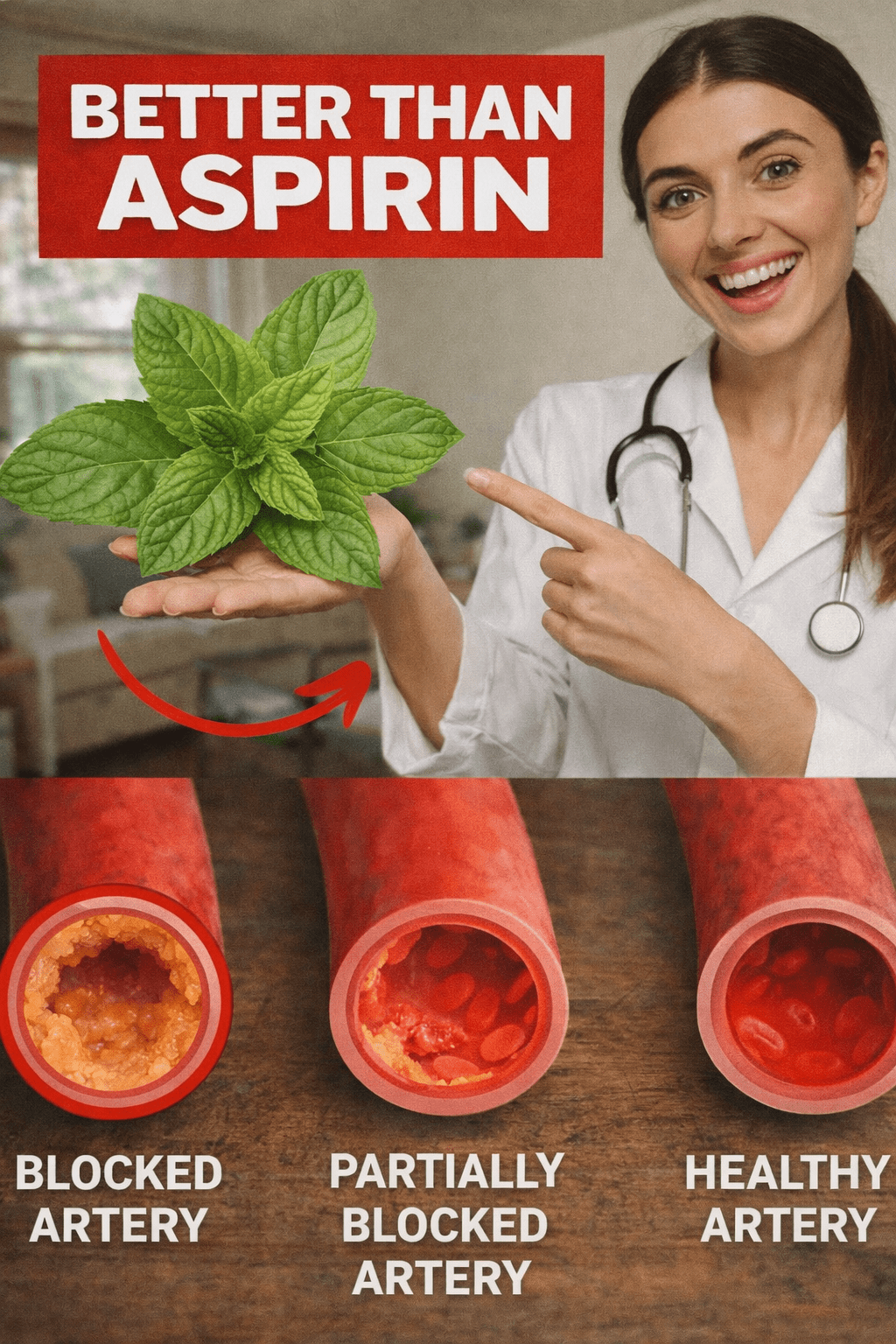
Why Healthy Arteries Matter for Everyday Energy
Your arteries act as pathways, delivering oxygen and nutrients throughout the body. Over time, factors like inflammation, oxidative stress, and cholesterol buildup can affect their flexibility and efficiency.
Studies show that diets rich in fruits, vegetables, and other plant foods are linked to better vascular health. For instance, large reviews from sources like the American Heart Association highlight how nutrient-dense eating patterns support normal blood pressure and cholesterol levels.
But that’s not all—specific foods stand out for their potential benefits. Let’s explore seven that research frequently mentions.
1. Leafy Greens: A Simple Way to Boost Nitric Oxide
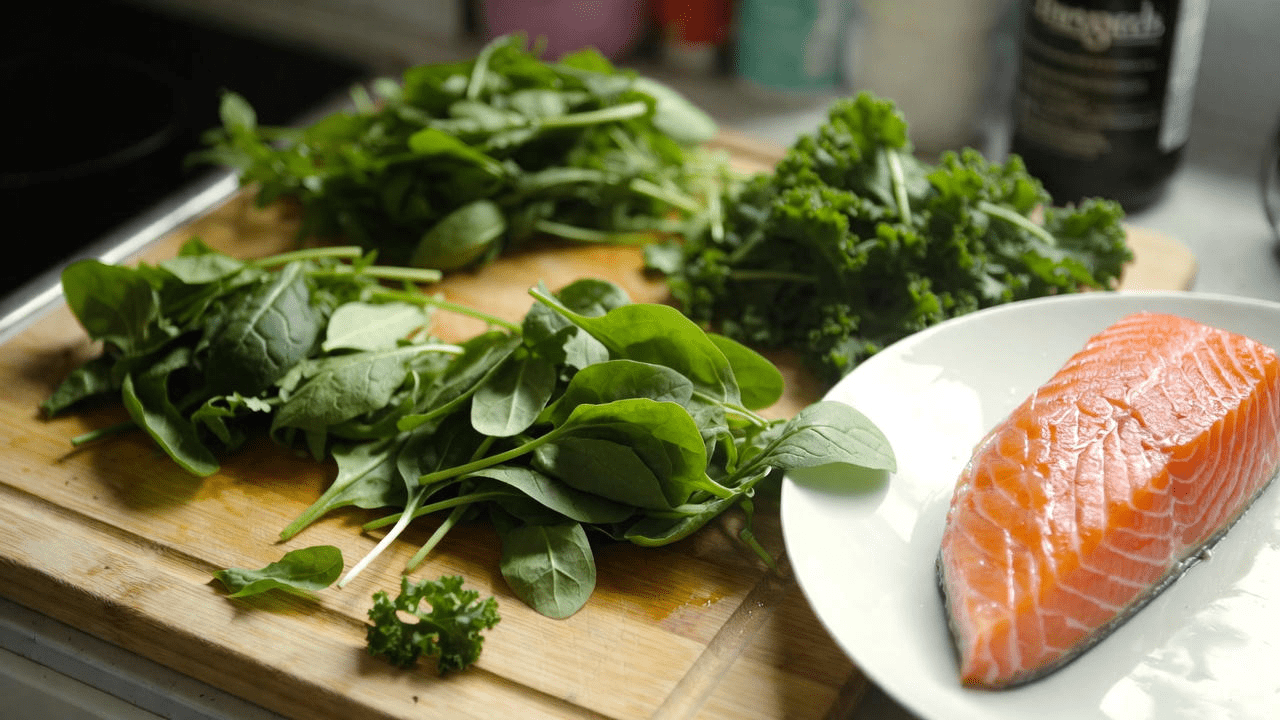
Leafy greens like spinach, kale, and arugula are packed with natural nitrates. These compounds convert to nitric oxide in the body, which helps blood vessels relax.
Research, including reviews from Harvard Health, indicates that higher intake of nitrate-rich vegetables is associated with healthier blood pressure levels. One meta-analysis found potential benefits for vascular function.
Try adding a handful to salads or smoothies. Curious about a tastier option? The next food brings omega-3s into play.
2. Fatty Fish: Rich in Heart-Supportive Fats
Foods like salmon, mackerel, and sardines provide omega-3 fatty acids (EPA and DHA). These fats are known for supporting healthy triglyceride levels.
The American Heart Association notes that omega-3s from fish may reduce triglycerides by 20-30% in some cases. Studies also link regular consumption to better overall heart health.
Aim for two servings per week. Grilled or baked, it’s an easy swap. Ready for an aromatic favorite?
3. Garlic: A Flavorful Addition with Research Backing
Garlic contains compounds like allicin that may support circulation. Some studies, including those on aged garlic extract, suggest it helps maintain flexible arteries and healthy cholesterol.
Reviews indicate modest reductions in plaque progression in certain groups.
Add fresh cloves to meals—roasted or raw. But there’s a golden spice that’s gaining attention next.
4. Turmeric: The Bright Root with Anti-Inflammatory Potential
Turmeric’s active compound, curcumin, has antioxidant properties. Research shows it may help reduce inflammation and support endothelial function.
Clinical trials suggest curcumin improves artery flexibility and markers of vascular health.
Sprinkle it in curries or golden milk. Feeling a sweet craving? Berries are up next.
5. Berries: Packed with Protective Antioxidants
Blueberries, strawberries, and raspberries are loaded with anthocyanins. These plant compounds help combat oxidative stress.
Studies link higher berry intake to better blood pressure and reduced inflammation markers.
Enjoy a cup fresh or frozen daily.
6. Nuts and Seeds: Crunchy Sources of Healthy Fats
Almonds, walnuts, chia, and flax seeds offer unsaturated fats, fiber, and magnesium.
Meta-analyses show regular nut consumption (about a handful daily) is associated with lower LDL cholesterol and reduced cardiovascular risk.
They’re a satisfying snack.
7. Green Tea: A Soothing Beverage with Catechins
Green tea’s catechins, like EGCG, support antioxidant defenses.
Reviews of trials find it modestly lowers total and LDL cholesterol while improving artery function.
Sip 2-3 cups daily.
How These Foods May Complement Aspirin-Like Benefits
Aspirin is often used for its blood-thinning effects, but it carries risks like stomach irritation.
These foods offer broader support: reducing inflammation, supporting healthy cholesterol, and promoting better blood flow—naturally.
Here’s a quick overview:
| Food | Key Nutrients/Compounds | Potential Benefits Supported by Research |
|---|---|---|
| Leafy Greens | Nitrates | Supports vessel relaxation and blood pressure |
| Fatty Fish | Omega-3s | Helps maintain healthy triglycerides |
| Garlic | Allicin | Promotes artery flexibility |
| Turmeric | Curcumin | Reduces inflammation |
| Berries | Anthocyanins | Antioxidant protection |
| Nuts/Seeds | Healthy fats, magnesium | Supports cholesterol levels |
| Green Tea | Catechins | Improves lipid profiles and vascular function |
Research from sources like NIH and Mayo Clinic emphasizes whole-food approaches for long-term wellness.
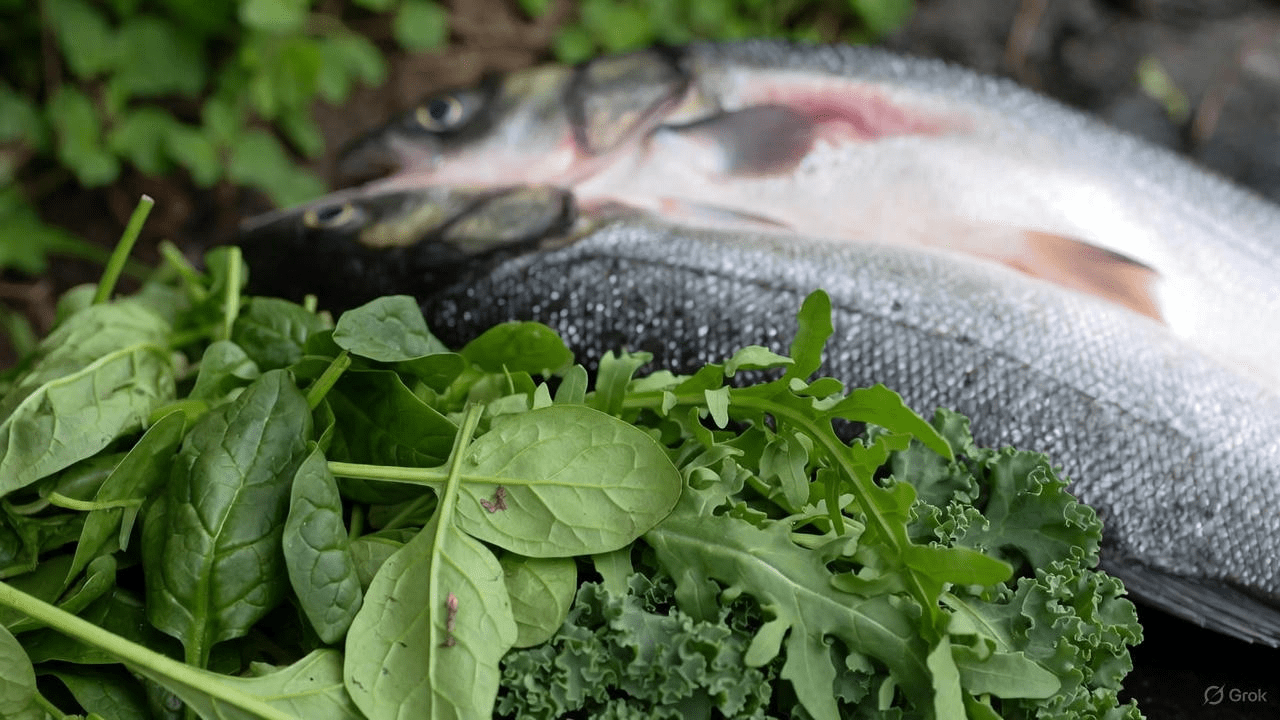
Easy Ways to Incorporate These Foods Daily
No need for drastic changes—start small:
- Breakfast: Berries in yogurt or oatmeal.
- Lunch: Leafy greens and nuts in a salad.
- Dinner: Fatty fish with garlic and turmeric seasoning.
- Snack: Green tea or a handful of seeds.
Here are practical tips:
- Leafy Greens: 1-2 cups daily; steam or sauté.
- Fatty Fish: 2 servings weekly; choose wild-caught if possible.
- Garlic: 1-2 cloves fresh; let sit after chopping for max benefits.
- Turmeric: 1 tsp daily; pair with black pepper for absorption.
- Berries: 1 cup fresh/frozen.
- Nuts/Seeds: 1 oz (handful) daily.
- Green Tea: 2-3 cups; brew properly to avoid bitterness.
Always wash produce and consider allergies.
Real-Life Inspiration and Long-Term Outlook
Many people report feeling more energetic after adding these foods consistently. Studies show sustained habits support better circulation over time.
Improved blood flow can enhance daily vitality, while antioxidants help combat stress on arteries.
Frequently Asked Questions
How quickly can I expect to notice benefits from these foods?
Effects vary, but research suggests consistent intake over weeks to months supports measurable improvements in markers like cholesterol.
Are these foods safe if I’m on medications?
They’re generally safe as part of a balanced diet, but consult your doctor—especially with blood thinners or cholesterol meds.
Can these replace my heart medications?
No—these support healthy habits but aren’t substitutes for prescribed treatments.
This article is for informational purposes only and is not a substitute for professional medical advice. Consult your healthcare provider for personalized guidance.


