
Many people over 50 notice their legs and feet feeling heavier or colder at times, with occasional tingling or discomfort during walks. These common experiences often stem from natural changes in blood vessel flexibility and circulation as we age. While not everyone faces the same issues, maintaining good vascular health can make daily activities feel easier and more comfortable.
The good news is that certain nutrients play a key role in supporting blood vessel function. One nutrient gaining attention is vitamin K2, which helps direct calcium to the right places in the body. But that’s not the full story—keep reading to learn practical ways to nourish your circulation, including food ideas and lifestyle tips that many find helpful.
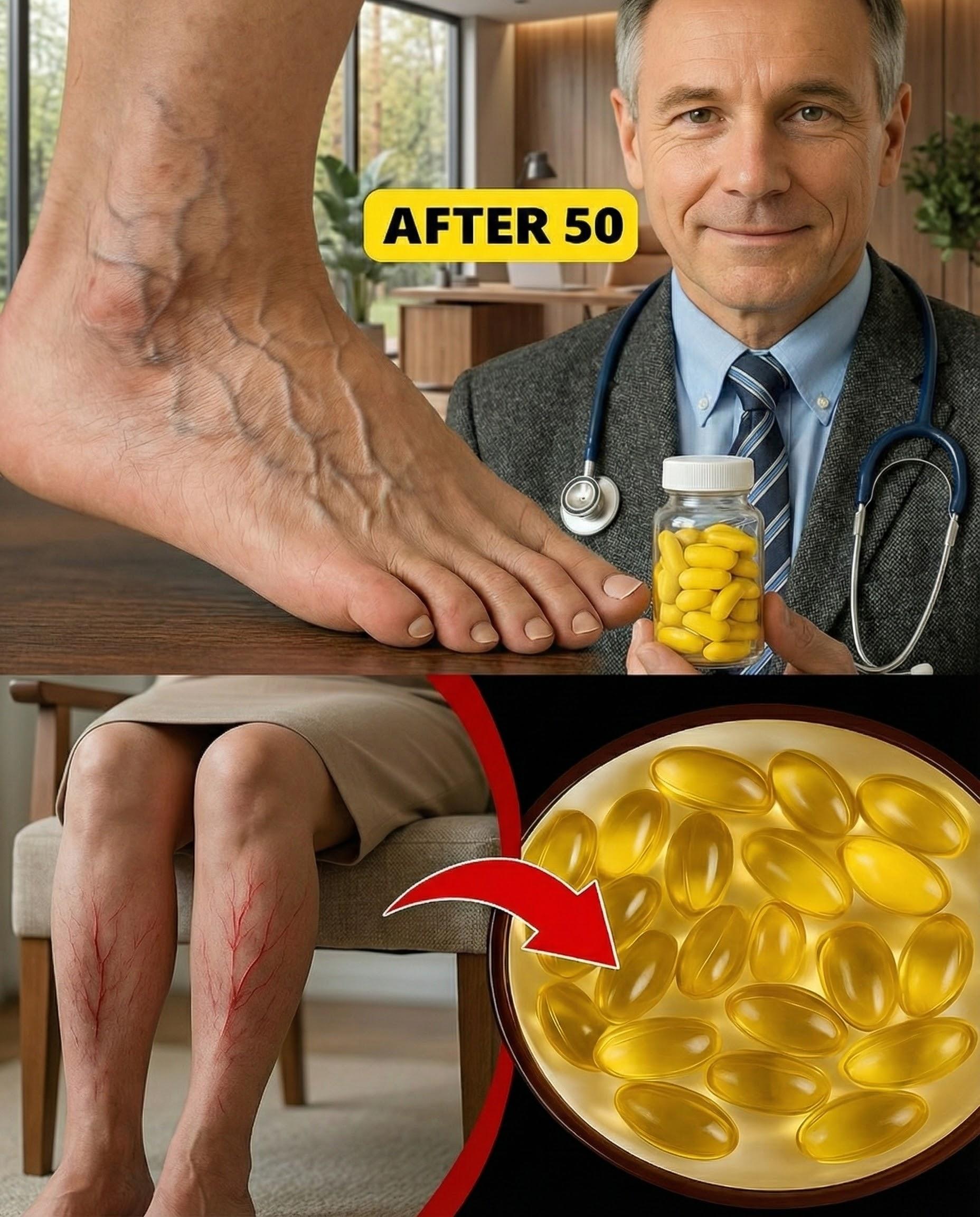
Why Circulation in Legs and Feet Can Change After 50
As we get older, blood vessels naturally lose some elasticity, and calcium can build up in artery walls over time. This process, known as arterial calcification, may contribute to reduced blood flow to the lower body.
Research, including the landmark Rotterdam Study, has shown that higher dietary intake of vitamin K2 (menaquinone) is associated with less arterial calcification and better cardiovascular markers. In this long-term study of over 4,800 adults, those with the highest K2 intake had notably lower levels of severe aortic calcification compared to those with lower intake.
Other studies suggest vitamin K2 activates a protein called matrix Gla protein (MGP), which helps inhibit calcium deposits in blood vessels. This could support overall vascular flexibility. But remember, individual results vary, and nutrition is just one piece of the puzzle.
Here’s the interesting part: Vitamin K2 works best alongside vitamin D, which many adults over 50 may not get enough of due to less sun exposure.
Understanding Vitamin K2 and Its Role in Vascular Health
Vitamin K comes in two main forms: K1 (mostly from plants) and K2 (from animal products and fermented foods). K2 has subtypes like MK-4 and MK-7, with MK-7 staying active longer in the body.
Studies indicate that adequate K2 intake may help maintain healthy blood vessel walls by supporting proper calcium regulation. For example:
- Observational data links higher K2 consumption to lower risks of calcification-related issues.
- Some clinical trials show slowed progression of arterial stiffness with K2 supplementation.
- Combining K2 with vitamin D appears promising in recent research, like the AVADEC trial, where it influenced coronary calcification markers in certain groups.
That said, results aren’t uniform across all studies, and more research is ongoing. Vitamin K2 isn’t a standalone solution but part of a broader approach.

Top Food Sources Rich in Vitamin K2
The best way to get vitamin K2 is through diet. Here are some excellent sources:
Foods High in MK-7 (Longer-Acting Form)
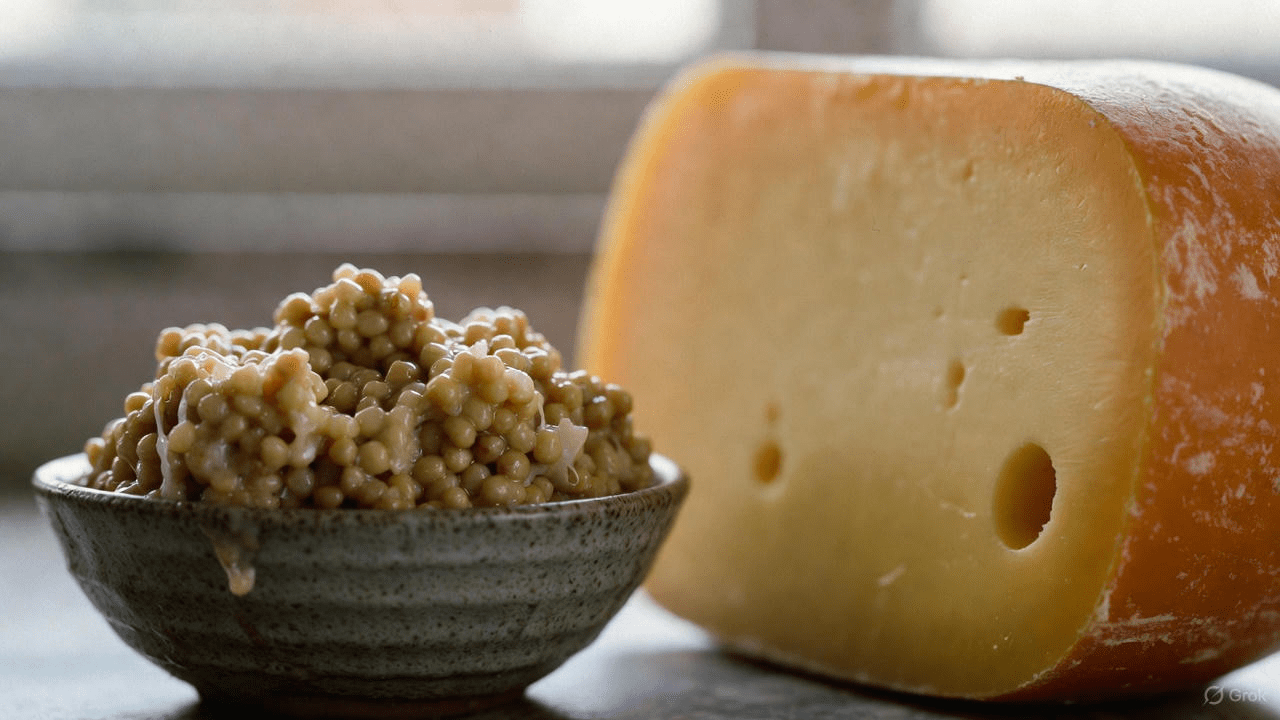
- Natto (fermented soybeans): One of the richest sources, providing hundreds of micrograms per serving.
- Certain fermented vegetables like sauerkraut (in smaller amounts).
Foods High in MK-4 and Other Forms
- Hard and soft cheeses (e.g., Gouda, Brie, cheddar).
- Egg yolks from pasture-raised chickens.
- Butter and full-fat dairy from grass-fed sources.
- Liver (chicken or beef).
- Fatty meats and poultry.
| Food Source | Approximate K2 Content (per 100g) | Main Form |
|---|---|---|
| Natto | 800–1,000 mcg | MK-7 |
| Hard cheeses (e.g., Gouda) | 50–80 mcg | MK-4 to MK-9 |
| Egg yolks | 15–30 mcg | MK-4 |
| Chicken liver | 10–15 mcg | MK-4 |
| Butter (grass-fed) | 10–20 mcg | MK-4 |
Aim for variety to get a mix of forms. Pair with healthy fats for better absorption.
Practical Tips to Boost Your Intake of Circulation-Supporting Nutrients
Start small and build habits that fit your lifestyle:
- Add fermented foods: Try natto a few times a week or include cheese in meals.
- Choose quality dairy and eggs: Opt for grass-fed or pasture-raised when possible.
- Include organ meats occasionally: Liver is nutrient-dense—start with small portions.
- Consider vitamin D sources: Sun exposure, fatty fish, or fortified foods help K2 work better.
- Stay active: Walking, leg elevations, and gentle stretches promote natural blood flow.
- Eat balanced meals: Include leafy greens for K1, antioxidants from berries, and omega-3s from fish.
Many people notice gradual improvements in energy and comfort with consistent changes. Track how you feel over weeks.
The Potential Benefits of Combining Vitamin K2 and D
Emerging research explores how vitamin K2 and D work together. Vitamin D supports calcium absorption, while K2 helps guide it properly.
Some studies, including recent trials, suggest this duo may positively influence vascular markers more than either alone. For instance, subgroup analyses show benefits in those with higher baseline calcification.
If considering supplements:
- Common doses in studies: 100–360 mcg K2 (often MK-7) daily.
- Pair with vitamin D if levels are low (test first).
- Take with a meal containing fat.
Always check with your doctor, especially if on medications like blood thinners.
Other Nutrients That Support Leg Circulation
Don’t overlook these evidence-based helpers:
- Vitamin C: From citrus and berries—supports collagen for vessel strength.
- Vitamin E: In nuts and seeds—acts as an antioxidant for blood vessels.
- Omega-3s: From fish—may reduce inflammation.
- Magnesium: In leafy greens and nuts—helps vessel relaxation.
A varied diet covers most needs.
Conclusion
Supporting healthy circulation in your legs and feet after 50 involves nourishing your body with key nutrients like vitamin K2 from food sources. Small dietary tweaks, combined with movement and overall wellness habits, can make a meaningful difference over time.
Focus on whole foods rich in K2, stay mindful of vitamin D, and listen to your body. You’re taking positive steps toward feeling more vibrant.
Frequently Asked Questions
What are the best food sources of vitamin K2?
Natto tops the list for MK-7, followed by cheeses, egg yolks, and liver for MK-4. Aim for fermented and animal-based options.
How much vitamin K2 should I aim for daily?
No official RDA for K2 specifically, but studies often use 100–300 mcg. Get it from food first; supplements if needed under guidance.
Can vitamin K2 interact with medications?
Yes, especially blood thinners like warfarin. Consult your healthcare provider before increasing intake.
This article is for informational purposes only and is not intended as medical advice. Always consult your healthcare provider before making changes to your diet or starting supplements, especially if you have health conditions or take medications.


