
Dealing with unwanted pests around the home can be incredibly frustrating and disruptive to daily life. Those persistent ants marching across your kitchen counter, buzzing flies interrupting meals, or the worry of mosquitoes during outdoor evenings often leave you searching for quick solutions that feel overwhelming and endless. Many reach for strong chemical options, but there’s growing interest in simpler, everyday household items that might offer a gentler approach.
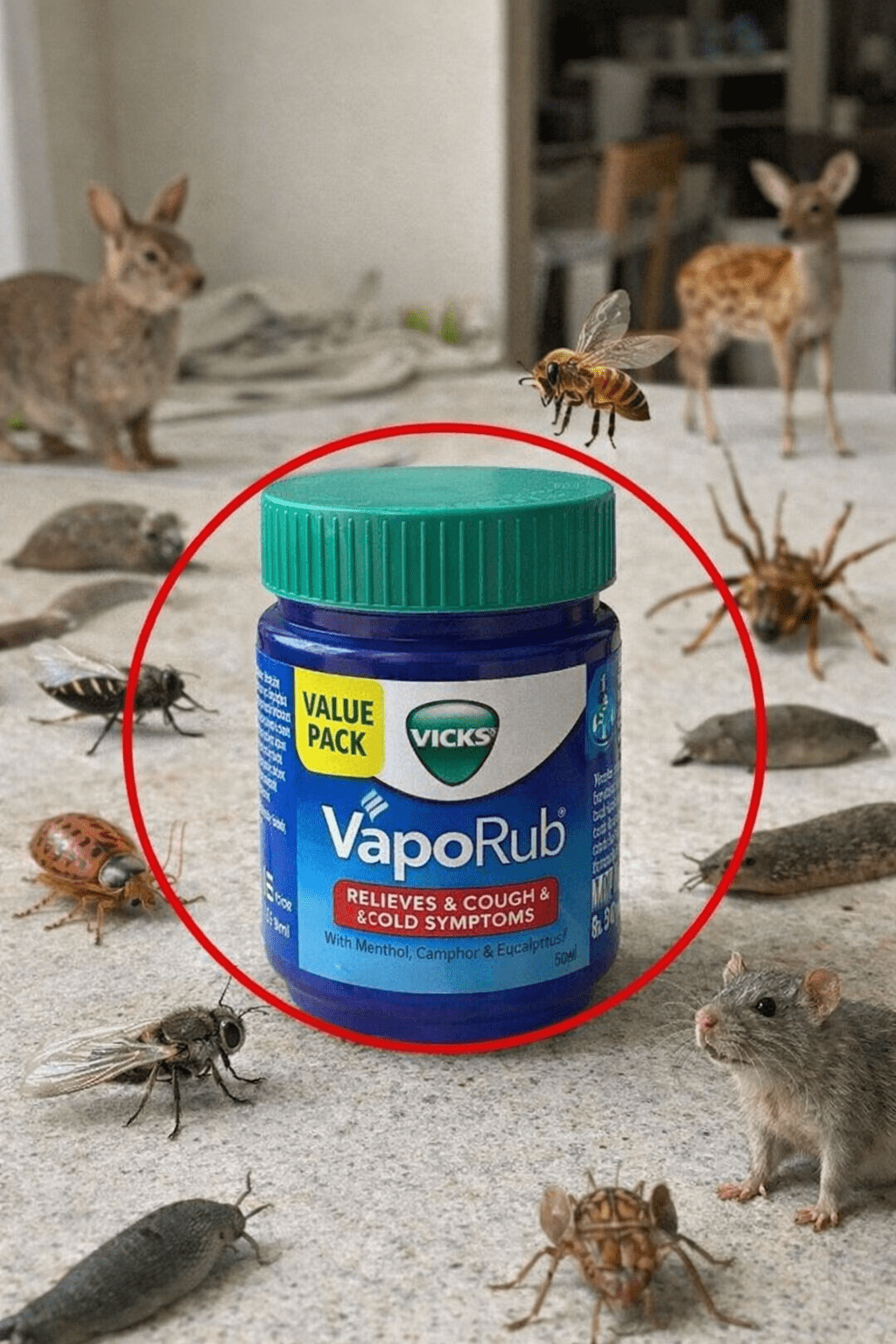
What if something already sitting in your medicine cabinet could play a role in making your space less inviting to these intruders? In this guide, we’ll explore a popular home tip involving mentholated topical ointments—like the familiar Vicks VapoRub—and how people use its strong scents to deter common pests. But here’s the intriguing part: while countless homeowners swear by these methods, we’ll also dive into what research says about the key ingredients, so you can decide if it’s worth trying—and there’s a key caveat about effectiveness you’ll want to know before scrolling further.
Why Do Strong Scents Matter for Pest Control?
Pests like insects and rodents rely heavily on their sense of smell to find food, navigate, and locate entry points. Certain potent aromas can overwhelm or confuse their sensory receptors, potentially making an area less appealing.
Mentholated ointments contain ingredients such as menthol, camphor, and eucalyptus oil. These natural compounds produce a strong, lingering vapor that many find refreshing—but pests often disagree.
Research shows that eucalyptus oil and camphor can act as repellents against some mosquito species in lab settings. For instance, studies on essential oils indicate these scents disrupt insect behavior temporarily. Menthol, too, has been noted in some reviews for potential deterrent effects. However, experts emphasize that while these ingredients show promise individually, their concentrations in over-the-counter ointments may not provide long-lasting or comprehensive protection compared to dedicated repellents.
But that’s not all—many people report success with simple applications around the home. Let’s look at some common ways this tip is shared.
Popular Ways People Use Mentholated Ointment Around the Home
Homeowners often experiment with small amounts of the ointment strategically placed or applied. Here are some of the most mentioned approaches:
Keeping Mosquitoes at a Distance Outdoors
Apply a thin layer to exposed skin areas like wrists, ankles, and neck before heading outside. The evaporating scents may help create a personal barrier.
Additional idea: Place open jars near seating areas or windows for an indoor scent zone.
Discouraging Flies in Kitchen Spaces
Smear small amounts on paper strips and position near sinks or trash areas.
Or try leaving shallow open containers in fly-frequented spots—the vapors might encourage them to move on.
Interrupting Ant Paths
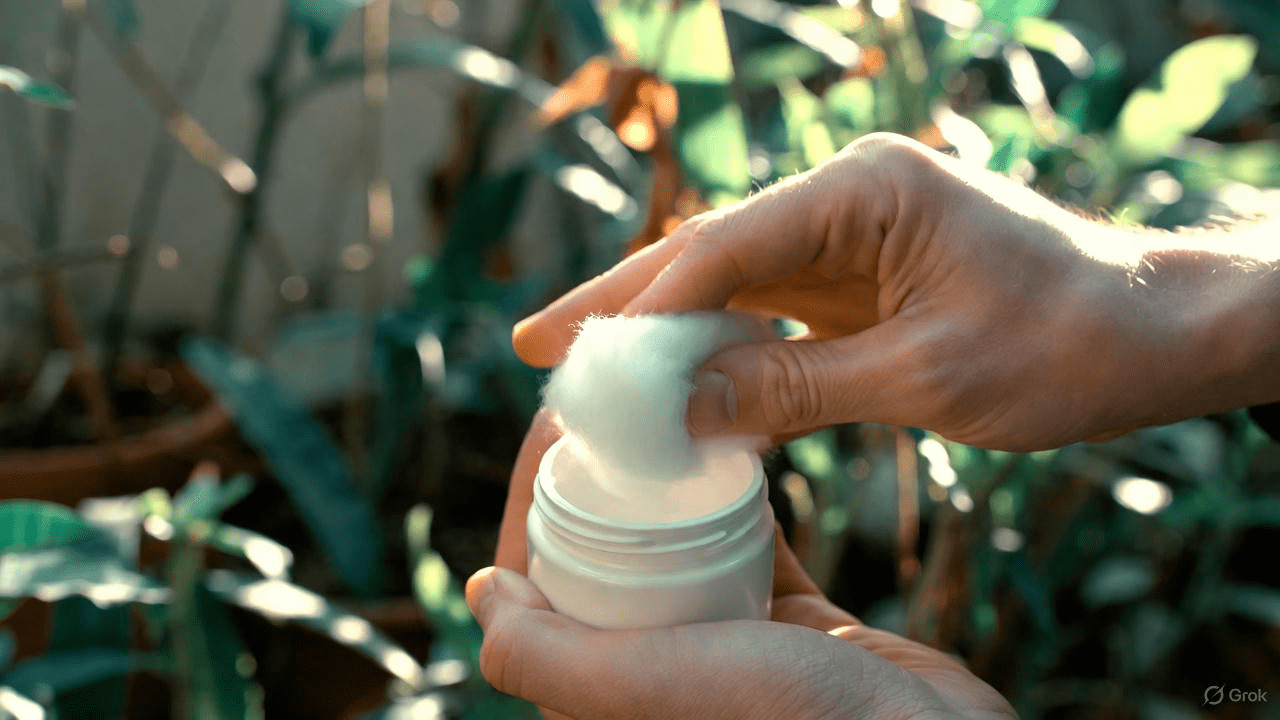
Use a cotton swab to apply along suspected entry points, such as cracks or window sills.
Focus on bases of bins or counter edges to potentially confuse scouting ants.
Deterring Spiders from Corners
Rub along baseboards, door frames, and window edges where webs appear.
The strong aroma is said to make these spots less attractive for returning.
Making Areas Less Appealing to Cockroaches
Apply sparingly near pantry shelves or trails (avoid direct food contact).
This might disrupt their scent-following habits temporarily.
Placing Barriers for Rodents
Soak cotton balls and position in cabinets, behind appliances, or near baseboards.
Refresh periodically as the scent fades.
Other Mentioned Uses
- For gnats: Dab on skin or leave open nearby.
- Around beds: To create a scent perimeter (though evidence is limited).
- In moist areas: Some mix with water for a light spray in bathrooms.
These are anecdotal tips passed around online communities and home remedy sites. While ingredients like camphor and eucalyptus have been studied for repellent properties in concentrated forms, there’s limited scientific backing for the ointment itself as a reliable pest solution.
What Does the Evidence Really Say?
To build trust, it’s worth noting key insights from available research:
- Eucalyptus oil is recognized by health authorities for some repellent effects, particularly in higher concentrations like oil of lemon eucalyptus.
- Camphor has shown activity against certain insects in older studies.
- Menthol-containing products have been explored for short-term deterrence.
That said, multiple sources, including entomology reviews, point out that mentholated ointments aren’t proven effective against most pests. They’re often described as supplementary at best, with stronger, EPA-approved options recommended for dependable results.
Here’s a quick comparison of common natural scent-based approaches:
| Approach | Key Scent Sources | Reported Strengths | Potential Limitations |
|---|---|---|---|
| Mentholated Ointment | Menthol, camphor, eucalyptus | Convenient, multi-use item | Short duration, variable results |
| Peppermint Oil Spray | Pure menthol compounds | Strong for ants/spiders | Needs frequent reapplication |
| Citronella Candles | Citronella essential oil | Outdoor ambiance | Limited range, weather-dependent |
| Lemon Eucalyptus Oil | PMD compound | Backed by more studies | Must be concentrated formula |
The truth is, no single home item replaces professional or proven methods for heavy infestations.
Step-by-Step Tips If You Want to Try It
If you’re curious and decide to experiment safely:
- Start small—use a pea-sized amount to test reactions.
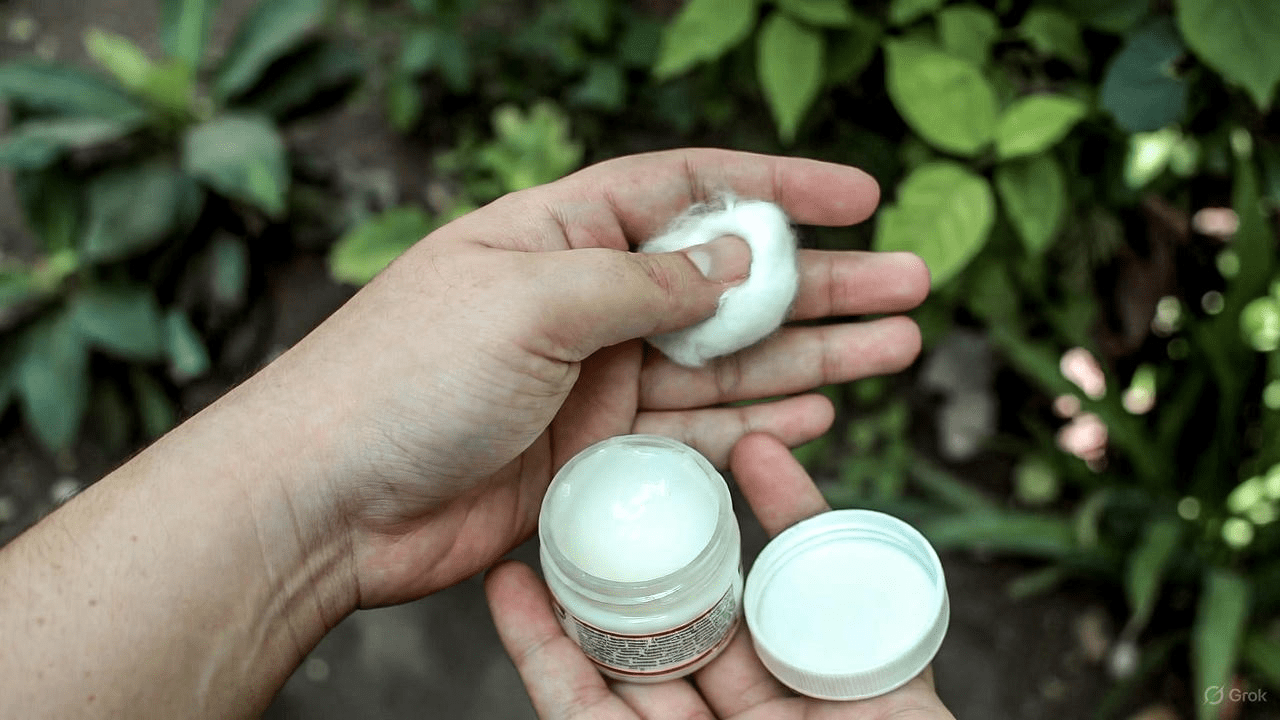
- Apply to non-porous surfaces or cotton balls for easy removal.
- Focus on entry points rather than broad areas.
- Reapply every few days as scents dissipate.
- Combine with good habits like sealing cracks and removing food sources.
This can be a low-cost way to supplement other efforts.
Important Safety Considerations
Always prioritize safety, especially in homes with little ones or furry friends.
- Avoid use on children under 2 years old.
- Do not apply near eyes, mouth, or broken skin.
- Keep away from pets—camphor can be toxic if ingested or absorbed.
- Never apply directly to animals or their bedding.
- Wash hands thoroughly after handling.
- For skin use, patch-test first to check for irritation.
Consult a healthcare professional for any concerns, and remember these are not medical treatments.
Wrapping It Up: A Balanced Approach to Pest Management
Exploring household items like mentholated ointments highlights how everyday products can spark creative, natural-inspired ideas for a more comfortable home. While the strong scents of menthol, camphor, and eucalyptus may temporarily deter some pests for certain people, they’re best viewed as a complementary tip rather than a standalone solution.
For lasting results, combine any trials with proven habits: keeping areas clean, sealing entries, and using established repellents when needed. This way, you create a welcoming space for you—and less so for uninvited guests.
Disclaimer: This article is for informational purposes only and shares popular home tips. It is not medical or pest control advice. Results vary, and mentholated ointments are not proven effective for pest repellency. Always follow product labels, consult professionals for infestations, and seek medical guidance for health-related uses.
Frequently Asked Questions
Is it safe to use mentholated ointment on skin as a personal deterrent?
When used sparingly on intact skin and following package directions, it’s generally considered safe for adults. Avoid sensitive areas and test for irritation first.
How long does the scent last for potential deterrence?
Typically a few hours to a day, depending on application and ventilation. Regular refreshing is often suggested in shared tips.
Can this replace commercial insect repellents?
No—dedicated products with proven ingredients offer more reliable, longer-lasting protection, especially for mosquitoes carrying health risks.
(Word count: approximately 1320)


