
Many people feel drained by daily life, struggling with low energy that affects their mood, stamina, and overall vitality. This constant fatigue can make even simple activities feel overwhelming, leaving you searching for natural ways to feel more balanced and energized. Traditional herbs like Tribulus terrestris have been turned to for centuries in various cultures to support general well-being.
But here’s the interesting part: while most reach for store-bought supplements, ancient practices often involved preparing the plant fresh or dried at home. Keep reading to discover safe identification tips and simple traditional methods that might surprise you with their straightforward approach.
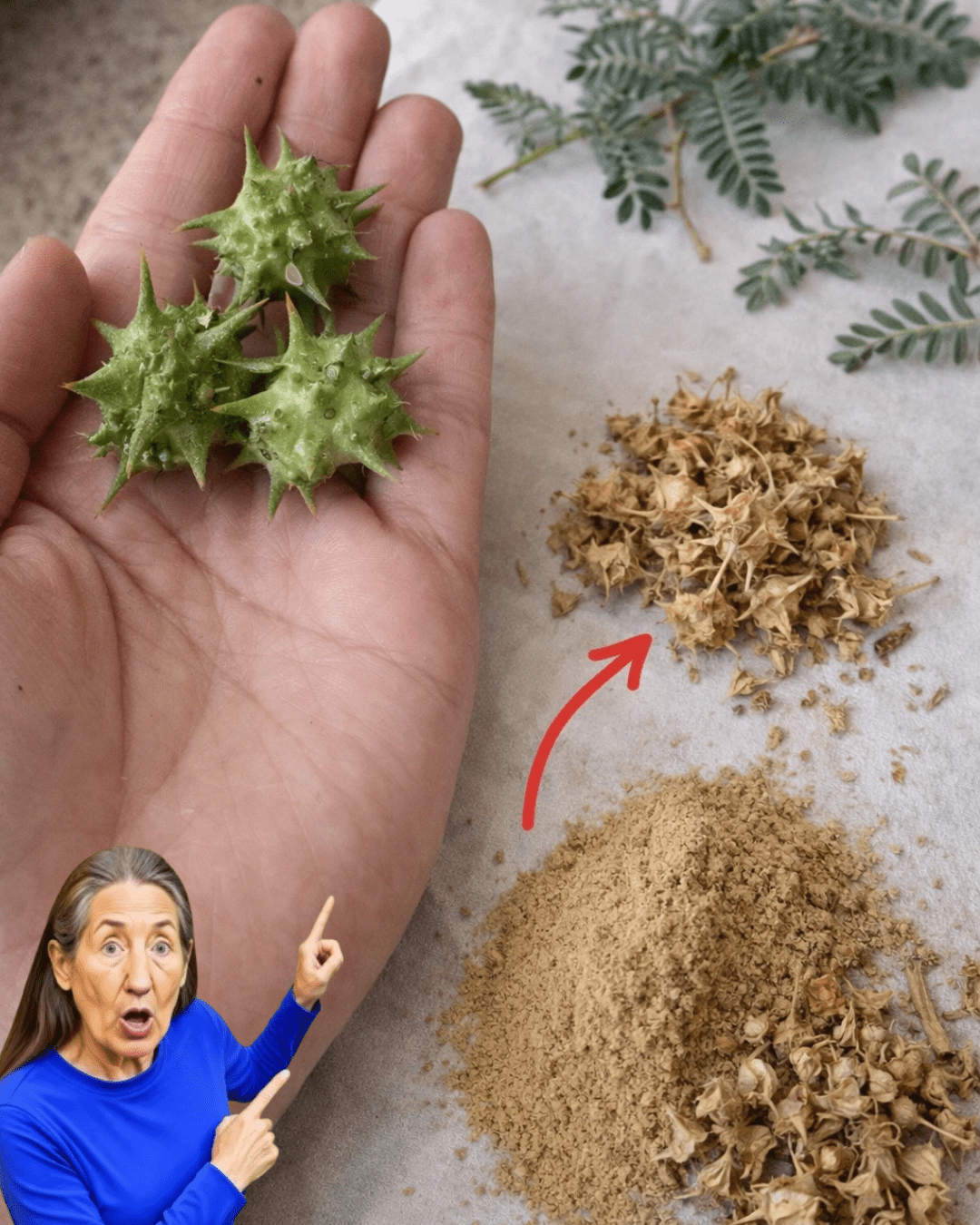
What Is Tribulus Terrestris and How to Spot It Safely
Tribulus terrestris, commonly known as puncture vine or goathead, is a low-growing plant found in dry, sunny areas worldwide.
It spreads close to the ground with creeping stems, small yellow flowers, and distinctive spiky fruits that can stick to shoes or tires.
The leaves are opposite and hairy, giving the plant a fuzzy appearance.
If you’re foraging, look for these key features to avoid confusion with similar plants.


Always confirm identification with a reliable guide or expert, as misidentification can lead to issues.
Research notes its widespread growth in sandy soils and disturbed areas.
Why Traditional Cultures Value Tribulus Terrestris
For generations, healers in Ayurveda, Traditional Chinese Medicine, and other systems have used parts of this plant to support energy, stamina, and urinary health.
Its natural compounds, particularly saponins, are thought to contribute to these traditional roles.
Studies mention its historical use for general vitality and mood support.
But that’s not all—some traditions highlight its potential for kidney and bladder function.
Modern reviews, like those on Healthline and WebMD, point out that while animal studies show promise, human evidence varies.
This evolving understanding keeps interest high in its traditional applications.
Simple Homemade Preparations Using Tribulus Terrestris
If identified correctly and sourced safely, some people prepare it at home following traditional steps.
Here are gentle methods inspired by historical practices—start small and observe how you feel.
1. Basic Herbal Infusion (Mild Tea)
This is the gentlest way to explore the plant.
- Collect and thoroughly wash young leaves or stems.
- Dry them in a shaded, airy spot.
- Add 1 teaspoon of dried material to 1 cup of hot (not boiling) water.
- Steep for 10-15 minutes, strain, and sip once daily.
Traditional users favored this for mild daily support.

Tribulus Terrestris Fruit Leaves Tea Greek Mountain Herb – Lelex Tea
2. Traditional Decoction from Fruits or Roots
For a stronger preparation, similar to ancient boiling methods.
- Use 1 teaspoon of carefully crushed dried fruits or roots.
- Simmer in 1-1.5 cups of water for 10-15 minutes.
- Strain and consume no more than once a day, for short periods only.
This extracts more compounds, so caution is key.
3. Simple Powder Preparation
A classic way to use small amounts.
- Dry plant parts completely in shade.
- Grind into fine powder.
- Mix 1/4 to 1/2 teaspoon with warm water or honey.
Use sparingly, as in traditional small doses.
4. External Use Only: Warm Compress
For minor external discomfort.
- Boil leaves or stems briefly.
- Soak a clean cloth in the cooled liquid.
- Apply to the area as a compress.
Never for internal use—this is strictly external.
Key Safety Considerations When Exploring Tribulus Terrestris
This plant is potent, and traditional wisdom emphasizes respect and moderation.
Research indicates it’s generally well-tolerated in short-term use, but individual responses vary.
- Avoid entirely if pregnant or breastfeeding—traditional sources consider it too strong.
- Short-term only: Cycles of a few weeks, not ongoing.
- Watch for stomach upset, restlessness, or mood changes if overused.
- Those with kidney, liver, or hormone-sensitive conditions should steer clear without guidance.
- Potential interactions: May affect blood pressure, blood sugar, or certain medications.
Studies highlight minimal side effects in most cases, but rare concerns exist.
Here’s a quick comparison of preparation strengths:
| Preparation Type | Strength Level | Traditional Use Frequency | Best For |
|---|---|---|---|
| Mild Infusion | Gentle | Daily, mild support | Beginners |
| Decoction | Stronger | Occasional, short cycles | Targeted traditions |
| Powder | Concentrated | Small doses only | Flexible adding |
| External Compress | Topical only | As needed externally | Local comfort |
The truth is, while fascinating in tradition, scientific backing is mixed—great for libido in some reviews, limited for others.
Wrapping Up: Exploring Traditions Mindfully
Tribulus terrestris offers a window into age-old natural practices for supporting vitality and energy.
From identification to simple home methods, these steps echo centuries of use.
Yet, balance enthusiasm with care—personal health varies.
Many find value in these traditions when approached thoughtfully.
Ready to learn more? Consult reliable sources and professionals.
Frequently Asked Questions
Is Tribulus terrestris safe for daily use? Traditional practices suggest short cycles rather than long-term daily intake to allow the body rest.
Can I forage Tribulus terrestris myself? Only if you’re confident in identification and the area is free from pollutants—otherwise, opt for reputable sources.
Does it really boost energy naturally? Anecdotal and traditional reports say yes for some, but studies show varied results—individual experiences differ.
Disclaimer: This article is for informational and educational purposes only and does not constitute medical advice. Tribulus terrestris is a potent herb with traditional uses, but it may not be suitable for everyone. Always consult a qualified healthcare professional before trying any herbal preparation, especially if you have health conditions, are taking medications, pregnant, or breastfeeding.


