
Living with an enlarged prostate, also known as benign prostatic hyperplasia or BPH, can bring frustrating challenges like frequent bathroom trips and discomfort during urination that disrupt your sleep and daily routine. These symptoms often build up over time, making you feel like you’re constantly planning around them and searching for simple ways to find some relief. While lifestyle choices play a key part in managing how you feel, certain drinks might be quietly contributing to these issues in ways you haven’t considered. Stick around because at the end, I’ll share a surprising beverage that many people overlook but could make a noticeable difference.
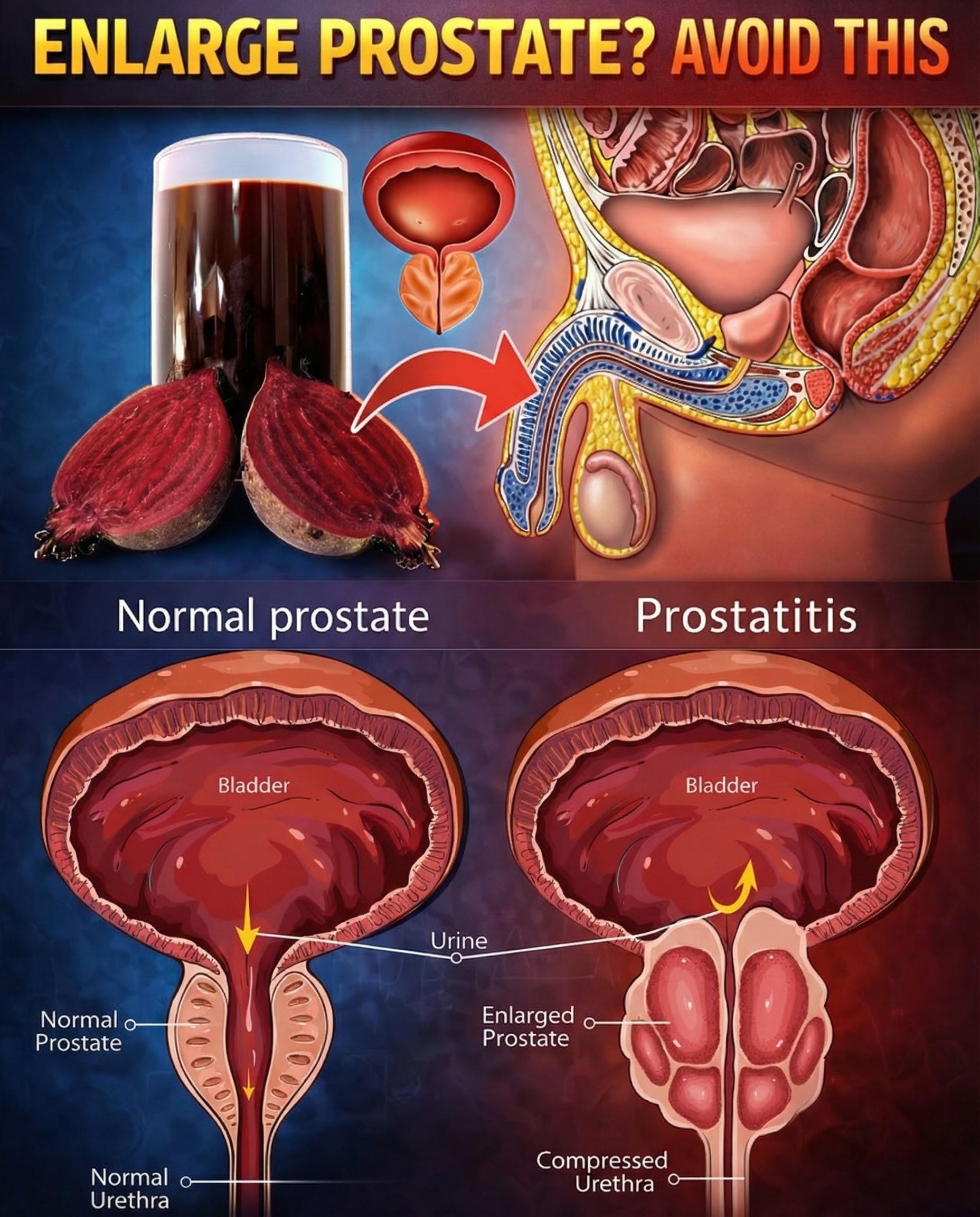
Understanding Enlarged Prostate and Its Symptoms
An enlarged prostate is a common condition that affects many men as they age, typically starting around age 50. The prostate gland, which sits below the bladder, grows larger and can press on the urethra, leading to urinary problems.
Common symptoms include a weak urine stream, difficulty starting urination, and the need to go more often, especially at night. Research from organizations like the Mayo Clinic indicates that about half of men in their 50s experience some degree of enlargement, with numbers rising as years go by.
But the good news is that small changes, like watching what you drink, can help you feel more in control. Let’s explore why beverages matter.
Why Beverages Matter for Prostate Health
What you sip throughout the day can directly affect your bladder and urinary system. Some drinks act as irritants, increasing urgency or frequency, while others might contribute to inflammation over time.
Studies suggest that limiting certain fluids can reduce symptom flare-ups, according to sources like the American Urological Association. Hydration is still essential—aim for about 6-8 glasses of water daily—but choosing wisely is key.
The truth is, not all drinks are created equal when it comes to prostate comfort. Here’s where it gets interesting: many everyday favorites could be culprits.
9 Drinks to Consider Limiting
If you’re dealing with BPH symptoms, being mindful of these beverages might help. I’ll break them down one by one, with reasons backed by general research and tips to make adjustments easier.
1. Caffeinated Coffee
Coffee is a morning staple for many, but its caffeine content can stimulate the bladder, leading to more frequent urges to urinate. Diuretic effects mean it increases urine production, which might worsen symptoms like nighttime awakenings.
Research shows that caffeine can irritate the urinary tract in sensitive individuals. To ease in, try switching to decaf versions gradually—start by replacing one cup a day.
But that’s not all; caffeine hides in other spots too.
2. Caffeinated Tea
Black or green tea with caffeine shares similar issues as coffee, potentially aggravating bladder irritation and increasing trips to the bathroom. Even herbal teas can sometimes contain hidden stimulants if not checked.
According to studies from health sites like WebMD, reducing caffeine overall might improve urinary flow. Actionable tip: Opt for caffeine-free herbal options like chamomile—brew a pot in the evening to wind down.
Sustainability is key here; small swaps add up.
3. Carbonated Soft Drinks
Fizzy sodas, whether diet or regular, introduce bubbles that can bloat the bladder and cause discomfort. The carbonation might lead to more pressure, exacerbating feelings of urgency.
General health guidelines note that these drinks often come with added sugars or artificial sweeteners that could indirectly affect prostate health. Here’s a simple step: Replace with flat water infused with lemon slices for flavor—prep a jug in the fridge daily.
The reality is, cutting back might also help with overall energy levels.
4. Energy Drinks
Packed with high caffeine and sugar, energy drinks can double down on bladder irritation and dehydration effects. They might spike urgency and disrupt sleep patterns, common complaints with BPH.
Some research links excessive stimulant intake to worsened urinary symptoms. To transition, try natural boosts like a handful of nuts or a short walk—build this habit by setting a mid-afternoon reminder.
But wait, alcohol enters the picture next.
5. Beer
As a type of alcohol, beer acts as a diuretic, prompting more urine production and potentially relaxing bladder muscles too much. This can make it harder to fully empty the bladder, leading to discomfort.
Studies from prostate health resources indicate moderate alcohol might be okay, but excess could flare symptoms. Practical advice: Limit to one occasionally and alternate with water—track how you feel in a journal for a week.
This approach helps you see patterns clearly.
6. Wine
Wine, especially red varieties, contains compounds that might irritate the bladder lining. Like other alcohols, it increases urine output and could interfere with restful nights.
Evidence from general medical reviews suggests limiting intake for better symptom management. Step-by-step: Choose non-alcoholic wine alternatives for social occasions—sample a few brands to find your favorite.
Here’s the interesting part: not all alcohols are the same, but patterns emerge.
7. Hard Liquor
Spirits like whiskey or vodka, often mixed with sugary or caffeinated mixers, can compound diuretic effects and bladder irritation. Straight or mixed, they might lead to dehydration, worsening BPH issues.
Health experts recommend moderation, with some studies showing links to increased urinary frequency. To adjust: Experiment with mocktails using fresh herbs and sparkling water—mix one up on weekends as a treat.
Consistency pays off over time.
8. Dairy Milk
Milk and other dairy drinks might contribute to inflammation in some people, potentially affecting prostate comfort. High-fat versions could be more problematic, according to dietary research.
Sources like Healthline note that reducing dairy sometimes eases symptoms. Easy swap: Try plant-based milks like almond or oat—use in your cereal or smoothies, starting with half-and-half blends.
But there’s more to consider with juices.
9. Acidic Fruit Juices
Citrus juices like orange or grapefruit are acidic, which can irritate the bladder and increase urgency. Sugary versions add extra concerns for overall health.
Research indicates that acidic foods and drinks might exacerbate urinary symptoms in BPH cases. Actionable: Dilute with water or choose low-acid options like apple juice sparingly—measure portions to stay mindful.
Now, let’s compare these in a quick table for clarity.
| Drink Type | Why Consider Limiting | Simple Alternative Tip |
|---|---|---|
| Caffeinated Coffee | Increases urine production and urgency | Switch to decaf or herbal infusions |
| Caffeinated Tea | Bladder irritant, similar to coffee | Caffeine-free chamomile or peppermint |
| Carbonated Soft Drinks | Bubbles cause bloating and pressure | Infused still water with fruits |
| Energy Drinks | High caffeine and sugar combo | Natural snacks like nuts |
| Beer | Diuretic effect relaxes muscles | Non-alcoholic beer options |
| Wine | Irritates bladder lining | Non-alcoholic wine |
| Hard Liquor | Dehydration and mixed irritants | Herbal mocktails |
| Dairy Milk | Potential inflammation trigger | Plant-based milks like almond |
| Acidic Fruit Juices | Acidity worsens urgency | Low-acid juices diluted with water |
This table highlights key points at a glance.
Better Beverage Choices for Prostate Comfort
While limiting certain drinks, focus on hydrating options that might support overall well-being. Here are some suggestions in a handy list:
- Plain Water: The gold standard—aim for steady sips throughout the day.
- Herbal Teas (Caffeine-Free): Options like peppermint can soothe without irritating.
- Unsweetened Cranberry Juice: In moderation, it might help urinary health, per some studies.
- Tomato Juice: Rich in antioxidants, potentially beneficial for prostate.
- Green Tea (Decaf): If you crave tea, this low-caffeine version could work.
Incorporate these gradually. For example, set a goal to drink one extra glass of water before meals.
The key is balance; listen to your body.
Lifestyle Tips Beyond Drinks
Drinks are just one piece. Maintain a healthy weight through regular walks—aim for 30 minutes daily. Include fiber-rich foods to support digestion, which indirectly aids prostate health.
Research shows exercise can reduce BPH symptoms. Start small: Park farther away or take stairs.
But remember, these are general ideas; personalize them.
Conclusion
Being aware of drinks like caffeinated beverages, alcohol, dairy, and acidic juices can help you navigate life with an enlarged prostate more comfortably. Small changes, like swapping to herbal alternatives, might bring noticeable improvements over time.
And that surprising drink I mentioned earlier? It’s energy drinks—often overlooked but packed with irritants that can sneak up on you. By making informed choices, you can take proactive steps toward better days.
FAQ
What causes an enlarged prostate?
Age is a primary factor, with hormonal changes playing a role. Genetics and lifestyle, like diet, can influence it too, according to general medical insights.
Can drinking water help with BPH symptoms?
Yes, staying hydrated supports urinary health, but time it wisely—less in the evening to avoid nighttime trips, as suggested by urology experts.
Should I see a doctor for enlarged prostate symptoms?
Absolutely, if symptoms persist or worsen. A healthcare professional can provide personalized guidance and check for other issues.
Disclaimer: This article provides general information and is not a substitute for professional medical advice. Always consult your doctor before making changes to your diet or lifestyle.


