
Many people deal with occasional bloating or discomfort after meals that leaves them feeling heavy and sluggish. That tight, full sensation can linger for hours, making it hard to enjoy the rest of the day or even get a good night’s sleep. It often stems from everyday habits like eating quickly or choosing richer foods, and it can become a frustrating part of routine life. But what if a few common kitchen spices could offer some natural support for easier digestion? Keep reading, because there’s an interesting traditional approach using cinnamon, cloves, and bay leaves that you might want to explore further down.
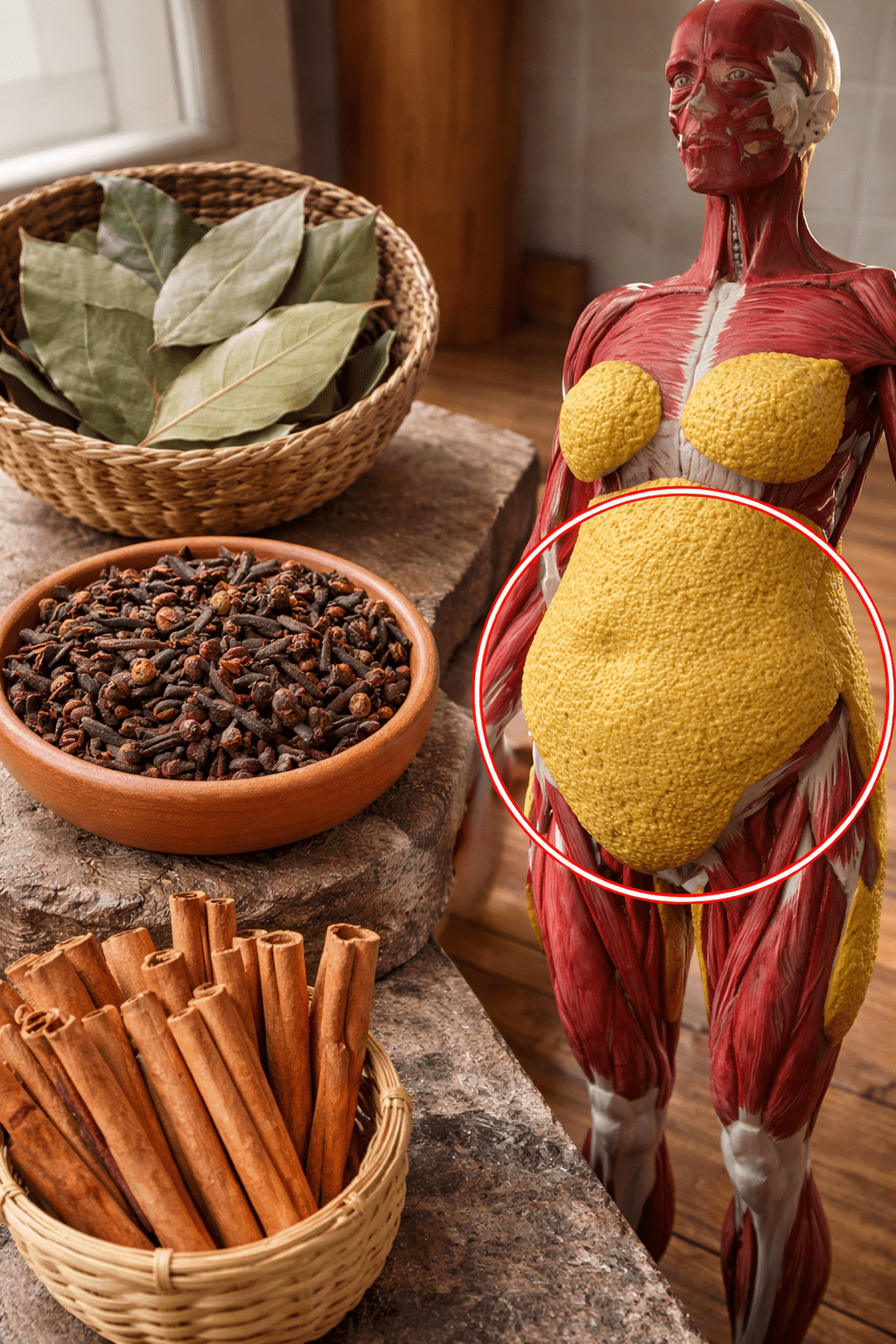
Why These Three Spices Are Worth Knowing About
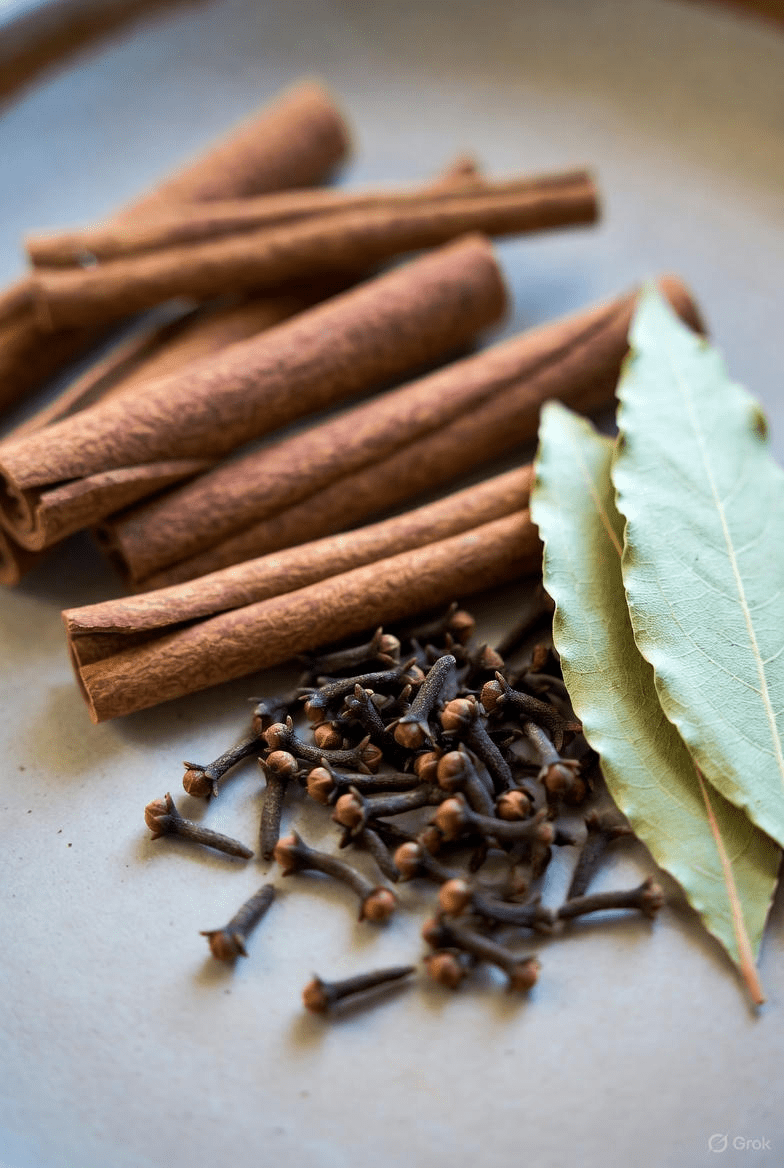
Cinnamon, cloves, and bay leaves have been used in kitchens and home remedies around the world for generations. Each brings its own unique compounds that research suggests may play a role in supporting digestive wellness.
Cinnamon comes from the bark of certain trees and contains antioxidants like polyphenols. Studies indicate these can help with overall inflammation reduction and may support better digestive function.
Cloves are the dried flower buds of a tropical tree, rich in eugenol—a compound known for its soothing properties. Traditional uses and some lab research point to cloves helping ease gas and occasional stomach upset.
Bay leaves, from the laurel tree, add a subtle herbal note. They contain essential oils like cineole and eugenol, which animal and preliminary human studies link to relaxing digestive muscles and promoting comfort after eating.
When combined into a warm drink, these spices create a harmonious blend that’s both aromatic and potentially helpful for daily belly ease.
But that’s not all—let’s look closer at how they might work together.
How This Herbal Drink May Support Belly Comfort
Research on individual spices shows promising signs for digestive health, though more studies on the exact combination are needed.
For instance:
- Cinnamon has been studied for its ability to support healthy digestion by stimulating enzymes that break down food.
- Cloves are often highlighted in reviews for their carminative effects, meaning they may help reduce gas buildup and bloating.
- Bay leaves appear in traditional practices and some research for aiding indigestion and promoting smoother gut motility.
Together in a tea, they provide a warming infusion that many people find soothing after meals or during stressful days when digestion feels off.
The beauty is in the simplicity—these are everyday spices you likely already have at home.
Here’s a quick comparison of what each spice brings to the table:
| Spice | Key Compounds | Potential Digestive Support | Common Traditional Use |
|---|---|---|---|
| Cinnamon | Polyphenols, cinnamaldehyde | May help enzyme activity and reduce inflammation | Added to teas for warmth and comfort |
| Cloves | Eugenol | May ease gas and occasional cramps | Used for soothing upset stomachs |
| Bay Leaves | Cineole, eugenol | May relax digestive tract muscles | Infused in broths for flavor and ease |
This blend isn’t overwhelming; it’s gentle and flavorful.
Easy Step-by-Step Guide to Making the Drink at Home
You can prepare this herbal infusion in just a few minutes with basic ingredients. Here’s a straightforward recipe to try:
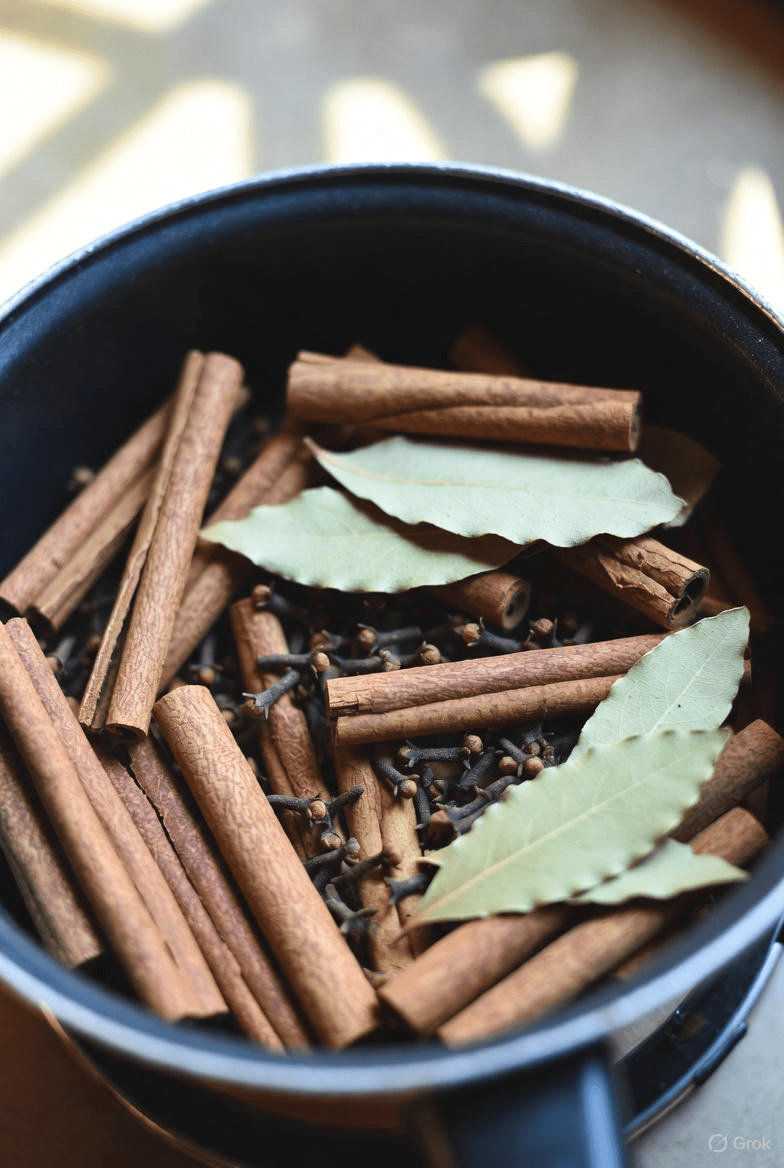
- Gather your supplies: 1 cinnamon stick (or 1 teaspoon ground cinnamon), 4-5 whole cloves, 2-3 dried bay leaves, and 2-3 cups of fresh water.
- Bring the water to a boil in a small pot.
- Add the cinnamon stick, cloves, and bay leaves.
- Reduce the heat and let it simmer gently for 10-15 minutes to release the flavors and compounds.
- Remove from heat, strain into a mug, and let it cool slightly.
- Optional: Add a touch of honey or lemon for taste if desired.
Sip it warm, perhaps once or twice a day—many enjoy it after dinner for evening comfort.
Start with small amounts to see how your body responds.
This is the part that’s exciting: countless people report feeling lighter and more at ease after incorporating similar spiced drinks into their routine.
Tips for Getting the Most Out of This Herbal Approach
To make this a sustainable habit:
- Use high-quality, organic spices when possible for better flavor and potency.
- Store leftovers in the fridge for up to 2 days and reheat gently.
- Pair it with mindful eating, like chewing slowly, to enhance overall digestive support.
- Experiment with variations: Add a slice of fresh ginger for extra warmth.
Here are some practical ideas to incorporate it daily:
- Morning ritual: Start your day with a cup on an empty stomach.
- Post-meal soothe: Enjoy after lunch or dinner.
- Evening wind-down: Sip before bed for relaxation.
Consistency matters more than perfection.
Research supports that regular intake of these spices in moderate amounts can contribute to better overall wellness over time.
Why Many People Wish They Had Discovered This Sooner
The real appeal lies in how accessible and enjoyable this drink is. It’s caffeine-free, naturally fragrant, and uses items you probably already own. Many who try it appreciate the subtle shift toward feeling more comfortable in their own skin—less heaviness, more ease.
And here’s the interesting twist: while individual results vary, the combination of these three spices has roots in ancient traditions from Asia to the Mediterranean, where they were prized for promoting harmony in the body.
If you’re looking for natural ways to support your digestion, this could be a gentle addition worth trying.
Conclusion
Exploring simple herbal drinks like this cinnamon, clove, and bay leaf infusion offers an easy way to tap into time-tested spices for potential belly comfort. With their antioxidant-rich profiles and traditional digestive support, they make for a warming, flavorful habit that fits seamlessly into daily life. Give it a go and see what works for you—small changes can add up.
Frequently Asked Questions
How often can I drink this herbal infusion?
Most people enjoy 1-2 cups per day. Start slow and listen to your body.
Can I use ground spices instead of whole?
Yes, though whole spices release flavors more gradually. Use about half the amount if ground.
Is this safe during pregnancy or with medications?
Spices are generally safe in culinary amounts, but consult your healthcare provider if pregnant, nursing, or on medications.
Disclaimer: This article is for informational purposes only and is not intended to diagnose, treat, or prevent any health condition. Always consult a qualified healthcare professional before making changes to your diet or trying new remedies, especially if you have underlying health issues. Individual experiences may vary.


