
Many men over 50 notice changes in urinary habits, such as more frequent trips to the bathroom or a weaker flow. These shifts can disrupt sleep and daily activities, leaving you feeling frustrated and tired. But what if a simple, everyday ingredient could offer gentle support for better bladder and prostate comfort?
Onion peels, often discarded, are packed with natural compounds like quercetin—an antioxidant found in higher concentrations in the skins than in the onion itself. Research suggests quercetin may help with inflammation and overall urinary health. Keep reading to explore this overlooked kitchen remedy and how it might fit into your routine. There’s a practical tip waiting at the end that could make a real difference.
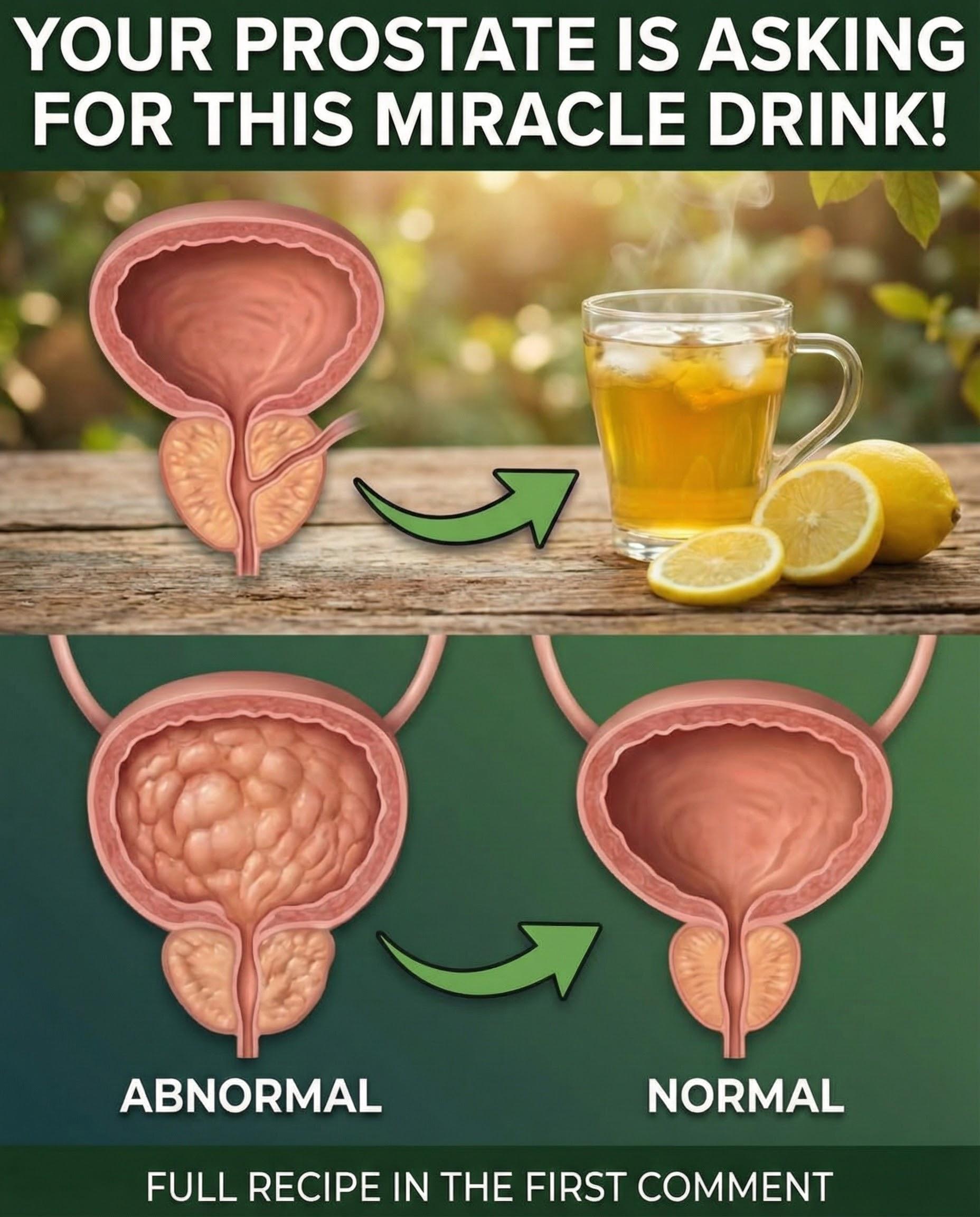
Understanding Common Urinary Changes in Men Over 50
As men age, the prostate naturally enlarges in many cases, a condition known as benign prostatic hyperplasia (BPH). Studies show it affects about 50% of men by age 60, increasing to 90% by age 85. This can lead to bladder irritation, urgency, and interrupted sleep.
These changes aren’t just inconvenient—they can affect energy levels and confidence in daily life. Inflammation plays a role, and antioxidants from foods may help support comfort. That’s where onion peels come in, thanks to their rich quercetin content.
But that’s not all. Research hints at broader benefits for urinary function.
Why Onion Peels Stand Out: The Power of Quercetin
Onion peels are a concentrated source of quercetin, a flavonoid with strong antioxidant and anti-inflammatory properties. Studies, including those on red onion extracts, show quercetin may help reduce inflammatory markers and support prostate health in lab and animal models.
Human trials on quercetin supplements have shown promising results for prostatitis symptoms, like improved urinary flow and less discomfort. While direct studies on onion peel tea are limited, the high quercetin levels suggest it could offer similar gentle support.
Here’s a quick comparison:
| Aspect | Common Supplements (e.g., Saw Palmetto) | Onion Peel Tea Potential |
|---|---|---|
| Source | Extracted herbs | Kitchen byproduct (free and natural) |
| Key Compound | Fatty acids | Quercetin and other antioxidants |
| Research Support | Symptom relief in some studies | Anti-inflammatory effects noted |
| Daily Convenience | Pills or capsules | Simple brewed drink |
The truth is, incorporating antioxidant-rich foods like onion peels may complement a healthy lifestyle for urinary wellness.
Potential Ways Onion Peel Tea Could Support Daily Comfort
Research on quercetin points to several areas where it might help:
- Reducing Inflammation: Studies indicate quercetin can lower markers linked to prostate discomfort.
- Supporting Urinary Flow: Some trials show improved stream and less hesitation.
- Promoting Better Sleep: By potentially reducing nighttime urgency.
- Antioxidant Protection: Helping combat oxidative stress that affects aging tissues.
- Overall Wellness: Gentle diuretic effects for bladder tone.
Animal studies on onion peel extracts have shown reduced prostate weight in models of hyperplasia. Human research on quercetin supports symptom relief in chronic conditions.
This isn’t about quick fixes—it’s about consistent, natural habits.
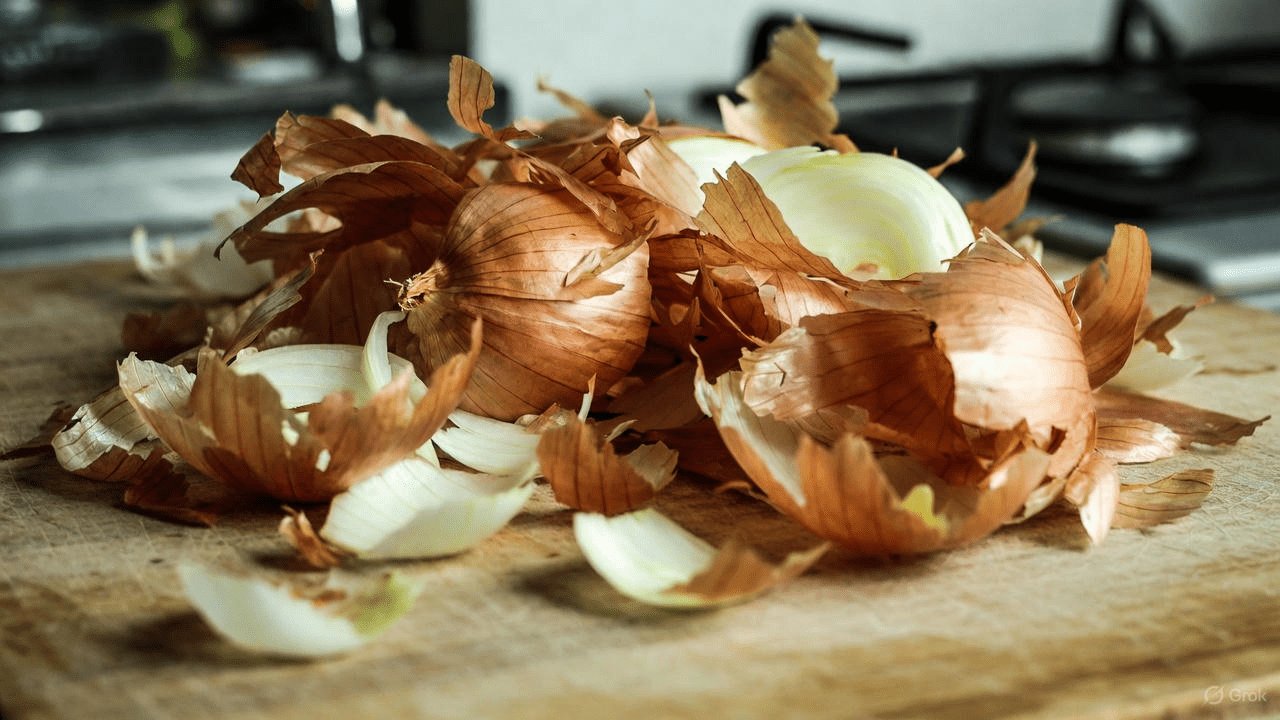
How to Make Onion Peel Tea: A Step-by-Step Guide
Start with clean, organic onions if possible to avoid pesticides.
- Collect peels from 4-6 onions (red onions have higher quercetin).
- Rinse thoroughly under running water.
- Add peels to 4 cups of water in a pot.
- Bring to a boil, then simmer for 15-20 minutes until the liquid turns golden.
- Strain and let cool slightly.
- Add honey or lemon for taste if desired.
- Drink 1-2 cups daily, perhaps one in the morning and one in the evening.
Pro tip: Save peels in the fridge or freezer as you cook—batch brew weekly.
Most people tolerate it well, but start slow to see how your body responds.
Tips to Maximize Benefits and Stay Safe
- Use red onions for potentially higher quercetin.
- Boil just long enough for extraction without excessive bitterness.
- Combine with a balanced diet rich in fruits, vegetables, and whole grains.
- Stay hydrated and exercise regularly for overall urinary health.
While generally safe in moderation, excessive intake might cause mild digestive upset. If you have allergies or take blood-thinning medications, check with your doctor—quercetin can have mild anticoagulant effects.
Real Experiences and Research Insights
Many men report feeling more comfortable with antioxidant-rich habits. One study on quercetin for prostatitis found significant symptom improvement in participants. Another on onion peel extract showed antioxidant boosts in humans.
These stories and studies highlight potential—your results may vary, but it’s worth exploring.
Conclusion: A Gentle Addition to Your Routine
Onion peel tea offers a simple way to tap into quercetin’s natural properties for potential urinary and prostate support. Paired with healthy habits, it could help you feel more like yourself.
Try it for a few weeks and note any changes in comfort or energy. Small steps like this can add up.
Frequently Asked Questions
1. Is onion peel tea safe for daily use?
Yes, in moderation (1-2 cups). It’s a traditional remedy in some cultures, but listen to your body and consult a doctor if needed.
2. How much quercetin is in onion peel tea?
Peels are richer than the flesh—boiling extracts it effectively. Exact amounts vary, but it’s a natural source comparable to some foods.
3. Can it replace medications?
No, it’s not a substitute. Always follow your healthcare provider’s advice for urinary issues.
This article is for informational purposes only and is not intended to diagnose, treat, cure, or prevent any disease. Consult your healthcare provider before trying new remedies, especially if you have health conditions or take medications.


