
As we get older, many adults over 50 notice their feet feel colder than they used to, even in warm weather. Legs can feel heavy after standing for a while, or a sudden cramp might wake you up at night. These discomforts are common and often linked to changes in blood flow that naturally happen with age. The good news is that simple daily habits and nutrient-rich foods may help support better circulation. Keep reading to discover practical tips that many people find helpful.
Why Blood Circulation Can Change After Age 50
With time, blood vessels gradually lose some flexibility, and the heart has to work a little harder to push blood to the extremities. Research shows that reduced blood flow to the legs and feet becomes more common as we age, affecting comfort during daily activities.
This can lead to feelings of coldness, heaviness, or occasional tingling. Many people dismiss these signs as normal aging, but supporting circulation through lifestyle choices can make a real difference in how energetic you feel.
Here’s the interesting part: certain vitamins found in everyday foods play a key role in maintaining healthy blood vessels.
Common Signs You Might Notice in Your Legs and Feet
Many adults experience similar sensations. Here are some frequent ones:
- Feet that feel cold most of the time
- A heavy sensation in the legs after walking or standing
- Occasional tingling or numbness in toes or feet
- Nighttime leg cramps that disrupt sleep
- Slower recovery after minor bumps or scrapes
If you recognize two or more of these, you’re not alone. Studies indicate millions of older adults report similar experiences. The encouraging news? Small dietary and lifestyle adjustments often help improve comfort.
Vitamin E: A Helpful Antioxidant for Blood Vessel Health
Vitamin E acts as an antioxidant that helps protect the lining of blood vessels from everyday wear and tear. Research suggests that adequate vitamin E intake supports endothelial function, which is important for keeping vessels flexible.
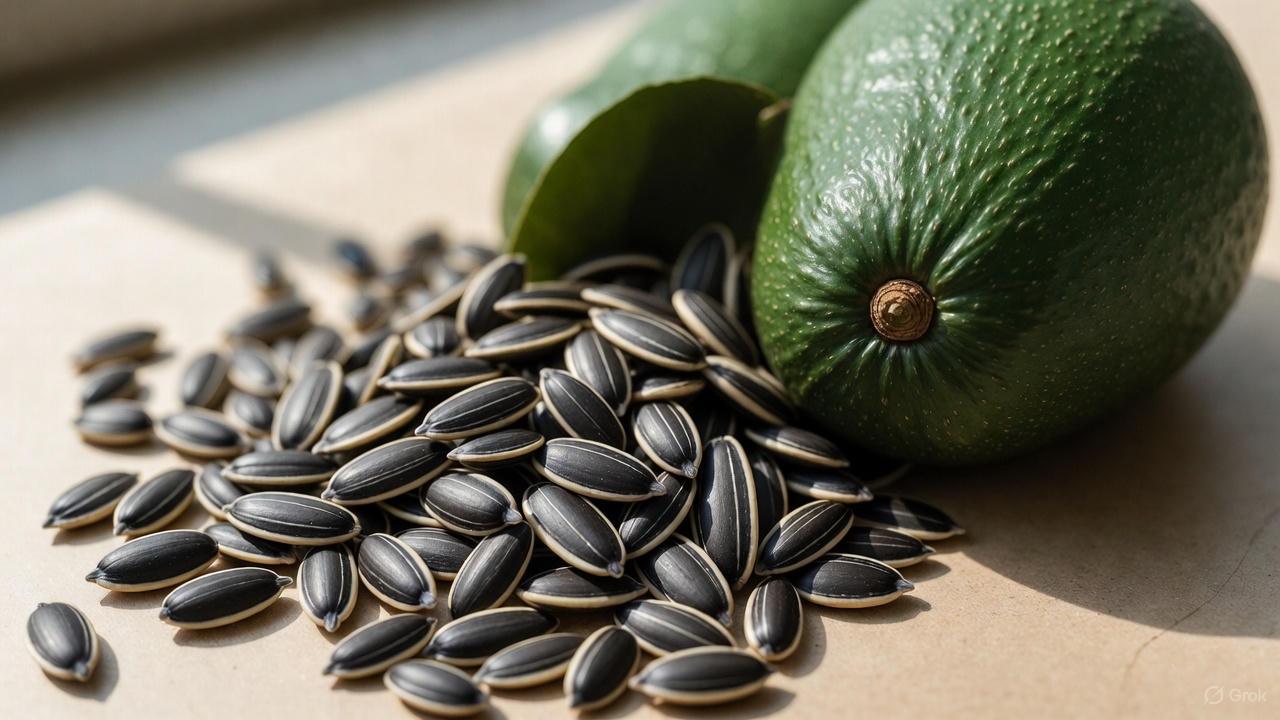
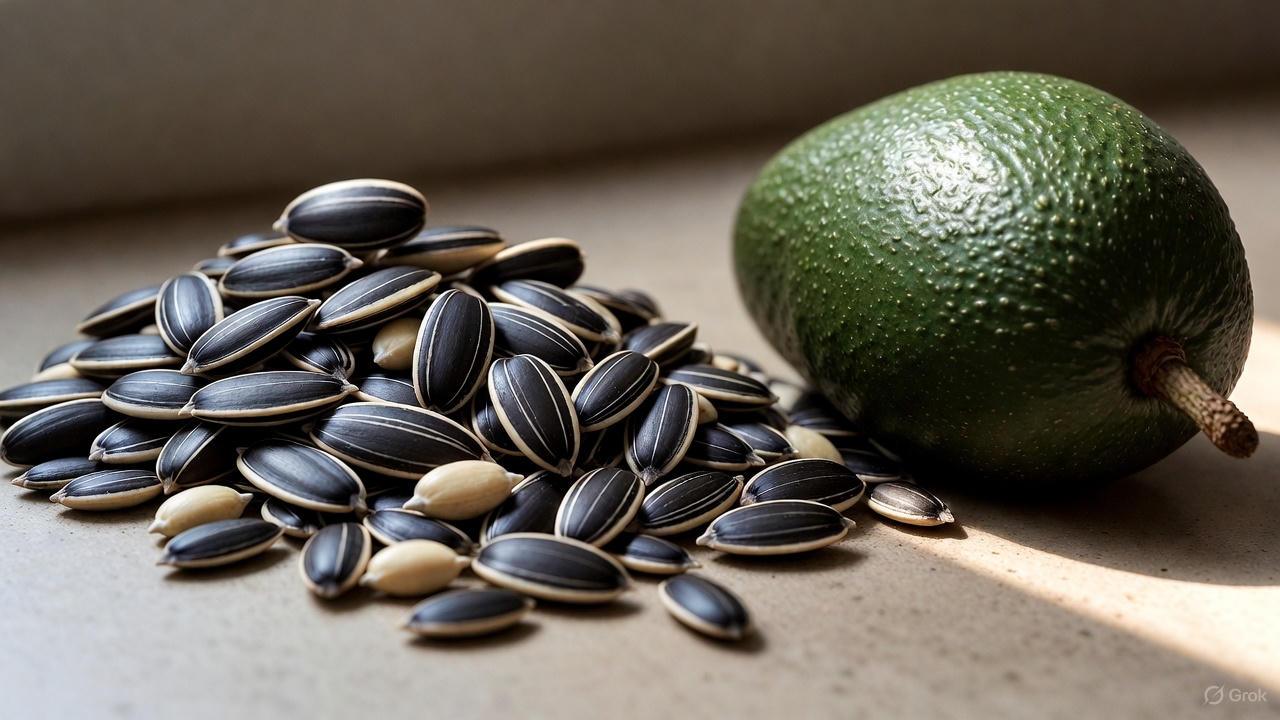
You can find it naturally in foods like almonds, sunflower seeds, spinach, and avocados. A simple way to add more: sprinkle a handful of sunflower seeds on your morning yogurt or oatmeal.
Many people notice their feet feel warmer after consistently including these foods in their meals.
But that’s just one piece of the puzzle. Let’s look at another important nutrient next.
Vitamin C: Supporting Strong and Flexible Blood Vessels
Vitamin C is essential for producing collagen, a protein that helps maintain the structure of blood vessel walls. Studies show that vitamin C contributes to healthy collagen formation and endothelial function.
Great sources include oranges, strawberries, kiwi, bell peppers, and broccoli. Try adding sliced bell peppers to salads or enjoying a kiwi as an afternoon snack.
People who increase their intake of vitamin C-rich foods often report feeling lighter on their feet over time.
Here’s a quick tip: pair vitamin C foods with healthy fats for better absorption.
Vitamin K: Helping Maintain Artery Flexibility
Vitamin K plays a role in directing calcium to the right places in the body, which helps keep arteries supple. Research links sufficient vitamin K intake with better vascular health in older adults.
Leafy greens are excellent sources: kale, spinach, Swiss chard, and Brussels sprouts top the list. A daily green salad dressed with olive oil is an easy way to boost your intake.
Pro tip: cooking greens lightly preserves more nutrients than over-boiling.
Vitamin B3 (Niacin): Gentle Support for Small Blood Vessels
Niacin, also known as vitamin B3, helps small blood vessels function properly. It’s found in foods like chicken, turkey, salmon, peanuts, and brown rice.
Including these in balanced meals provides steady, gentle support. Always focus on food sources first for the safest approach.
Now, let’s move beyond vitamins to everyday habits that work hand-in-hand with nutrition.
Five Simple Daily Habits to Support Leg and Foot Circulation
Small consistent actions can add up to noticeable improvements. Here are five evidence-based habits:
- Leg Elevation: Lie down and prop your legs on pillows above heart level for 15-20 minutes daily. This uses gravity to reduce fluid buildup.
- Calf Pumps: While seated or standing, rise onto your tiptoes 20 times. This activates the natural pumping action in your calves.
- Warm-to-Cool Showers: Finish your shower with 30 seconds of comfortably cool water on your legs. It encourages healthy vessel response.
- Gentle Massage: Use light upward strokes from ankles to knees with a natural oil. This supports lymphatic flow.
- Regular Walking: Aim for 20-30 minutes most days at a comfortable pace. Walking is one of the best ways to promote overall circulation.
Start with just one or two habits and build from there. Many people feel less heaviness within a few weeks.
Nutrient-Rich Foods at a Glance
Here’s a handy reference table for key vitamins and their sources:
| Vitamin | Main Benefit | Top Food Sources | Easy Daily Tip |
|---|---|---|---|
| Vitamin E | Protects vessel lining | Almonds, sunflower seeds, avocado | Add seeds to salads or oatmeal |
| Vitamin C | Supports collagen production | Oranges, kiwi, bell peppers, berries | Snack on fruit or add to meals |
| Vitamin K | Helps maintain artery flexibility | Kale, spinach, broccoli | Include in daily green smoothie |
| Vitamin B3 | Supports small vessel function | Salmon, turkey, peanuts | Choose as protein in lunch/dinner |
A Simple 4-Week Plan to Get Started
Week 1: Add two new vitamin-rich foods to your meals each day.
Week 2: Practice leg elevation and calf pumps daily.
Week 3: Include a 20-minute walk most days.
Week 4: Combine all habits and track how your legs feel.
Consistency matters more than perfection. Even small steps can lead to meaningful changes in comfort and energy.
Final Thoughts
Supporting healthy blood circulation in your legs and feet doesn’t require drastic changes. By focusing on nutrient-dense foods and simple daily habits, many adults over 50 experience improved warmth, lighter legs, and better sleep.
Start with one small adjustment today—you’ll likely notice the difference over time.
Frequently Asked Questions
1. What foods are best for supporting circulation naturally?
Foods rich in vitamins C, E, K, and B3—like leafy greens, citrus fruits, nuts, seeds, and lean proteins—are excellent choices.
2. How long does it take to notice improvements in leg comfort?
Many people feel changes within 2-4 weeks when combining better nutrition with daily movement habits.
3. Is walking really that helpful for circulation in legs?
Yes, regular moderate walking is one of the most researched ways to support healthy blood flow to the lower body.
This article is for informational purposes only and is not intended to diagnose, treat, or prevent any medical condition. Always consult your healthcare provider before making changes to your diet or exercise routine, especially if you have existing health concerns.


