
Many adults notice subtle changes in energy levels or occasional fatigue as they age, often linked to everyday factors like diet and lifestyle. These shifts can feel frustrating when simple activities leave you more winded than before. The good news? Emerging research points to natural dietary choices that may help support vascular health and overall vitality. Keep reading to discover a simple habit that has caught attention in recent studies—and why it might be worth trying.
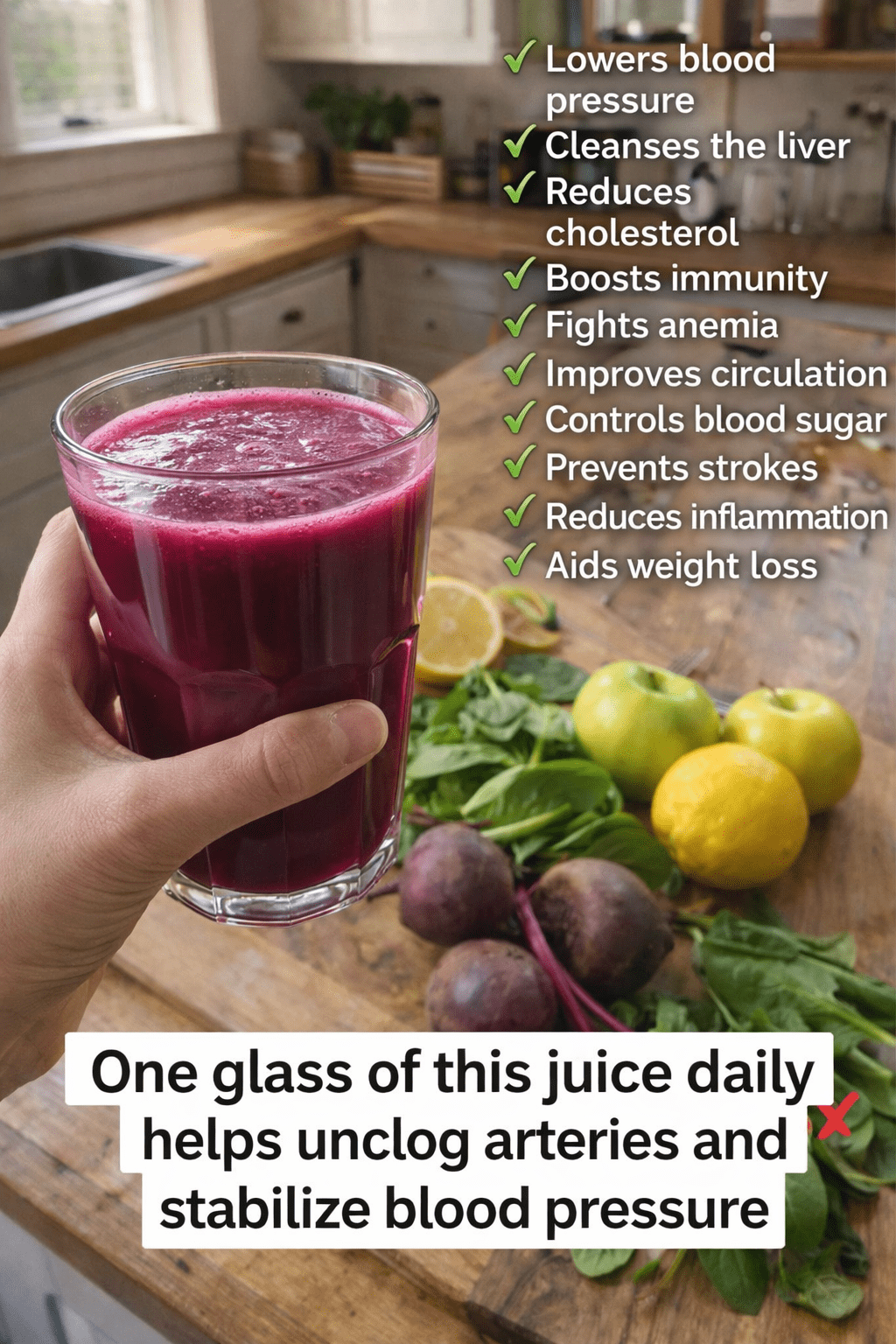
Why Focus on Circulation and Blood Pressure as We Age?
Blood pressure naturally tends to rise over time due to factors like stress, diet, and reduced physical activity. Nearly half of adults deal with elevated readings at some point, according to health authorities. Poor circulation can contribute to feelings of tiredness or cold extremities.
But here’s the interesting part: certain foods rich in natural compounds, like nitrates and antioxidants, show promise in supporting nitric oxide production—a key molecule for vessel relaxation. Studies suggest that incorporating nitrate-rich vegetables could play a role in maintaining healthy blood flow.
This is where beetroot and lemon come in. Their combination offers a refreshing way to boost daily nutrient intake.
What Makes Beetroot and Lemon a Powerful Pair?
Beetroot is packed with dietary nitrates, which the body converts to nitric oxide. Research, including systematic reviews published in journals like Hypertension and Nutrients, indicates that beetroot juice may help promote vessel dilation and support normal blood pressure levels.
Lemon adds a boost of vitamin C, potassium, and flavonoids. Potassium is known for helping balance electrolytes, and some studies link higher potassium intake to better blood pressure management.
Together, they create a tangy, earthy drink that’s easy to make at home.
But that’s not all—research also highlights antioxidant benefits from beetroot’s betalains, which may help combat oxidative stress.
Key Ways This Juice May Support Your Health
Here are some science-backed reasons why many people are adding this juice to their routine:
- Nitric Oxide Support: Nitrates in beetroot convert to nitric oxide, potentially aiding vessel relaxation. Multiple reviews on PubMed note reductions in systolic blood pressure with regular intake.
- Antioxidant Protection: Betalains and polyphenols act as free radical scavengers, supporting cellular health.
- Potassium Boost from Lemon: Helps with fluid balance, which plays a role in circulation.
- Improved Blood Flow: Some studies show enhanced endothelial function—the inner lining of blood vessels.
- Anti-Inflammatory Effects: Compounds in both ingredients may help reduce markers of inflammation.
Research from sources like the National Institutes of Health suggests these effects are more pronounced in older adults or those with higher baseline readings.
Here’s a quick comparison of common concerns and how this juice fits in:
| Common Concern | Typical Approach | Potential Juice Benefit |
|---|---|---|
| Occasional fatigue | Caffeine boosts | Sustained natural energy from better oxygen delivery |
| Elevated readings | Monitoring and meds | Dietary support via nitrates and potassium |
| Cold hands/feet | Layers or movement | Enhanced peripheral circulation |
| Oxidative stress | Supplements | Natural antioxidants like betalains |
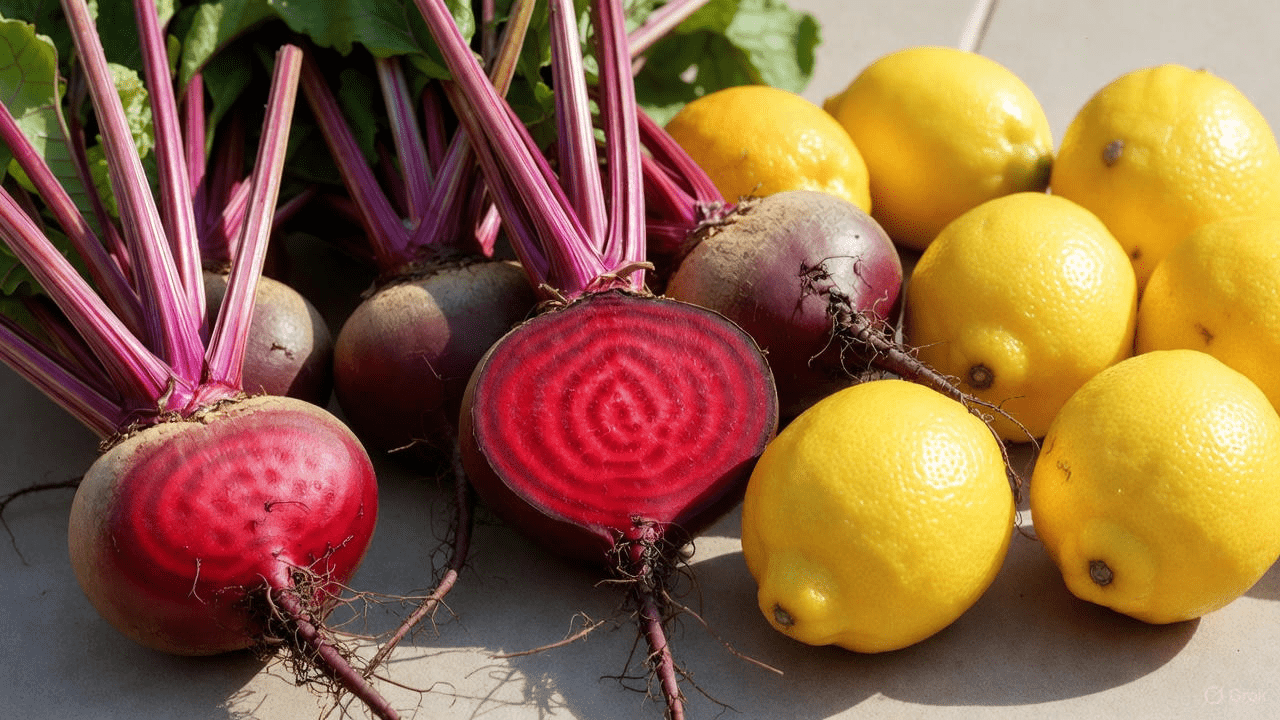
How to Make and Enjoy Beetroot Lemon Juice
Ready to try it? Here’s a simple step-by-step guide:
- Choose fresh, organic beetroots when possible for maximum nutrients.
- Wash and peel 2-3 medium beetroots.
- Juice them using a juicer (or blend and strain).
- Add the juice of one fresh lemon for zest and extra vitamin C.
- Dilute with water if needed, and enjoy one glass (about 8-10 oz) daily.
Tip: Drink on an empty stomach in the morning for better absorption. Start slow if you’re new to beetroot to avoid digestive adjustments.
For variety:
- Beginner: Basic beetroot-lemon mix.
- Intermediate: Add a handful of spinach or carrot.
- Advanced: Include a pinch of ginger for extra warmth.
Consistency matters—studies often show benefits after 1-4 weeks of daily use.
What Does the Research Really Say?
Systematic reviews, such as one in Biomolecules, analyzed multiple trials and found beetroot supplementation associated with modest blood pressure improvements in various groups. Another meta-analysis in Frontiers in Nutrition focused on hypertensive individuals and noted similar trends.
Lemon’s role? Small studies, like one combining lemon ingestion with walking, observed correlations with better systolic readings.
Keep in mind: Results vary by individual factors like age, diet, and activity level. Always pair with a balanced lifestyle.
Real-Life Tips for Getting Started
Many people report feeling more energized after a week or two. Track how you feel—perhaps note your morning readings or energy levels.
Combine with daily walks or stress-reducing habits for amplified effects.
If you have concerns, start with half a glass and build up.
Frequently Asked Questions
1. How much juice should I drink daily?
Most studies use 140-250 ml (about one glass) providing 400-800 mg nitrates. Adjust based on taste.
2. Are there any side effects?
Beetroot can turn urine pink (harmless). Lemon may affect tooth enamel—rinse with water after.
3. Can I use powdered beetroot instead?
Yes, look for nitrate-rich options, but fresh juice retains more compounds.
This information is for educational purposes only and is not intended as medical advice. Always consult your healthcare provider before making dietary changes, especially if you have health conditions or take medications. They can provide personalized guidance based on your needs.


