
Feeling unusually tired even after a good night’s sleep can be frustrating and leave you wondering what’s going on inside your body. Noticing odd changes like a sore tongue or pale skin might add to the confusion, making everyday tasks feel like a chore and sparking worries about your overall health. These subtle hints could point to something as simple as a nutrient shortfall, yet they often go unnoticed until they worsen. Fortunately, learning about vitamin B12 can shed light on these mysteries. But stick around—I’ll reveal a surprising everyday habit at the end that could help maintain your B12 levels effortlessly.
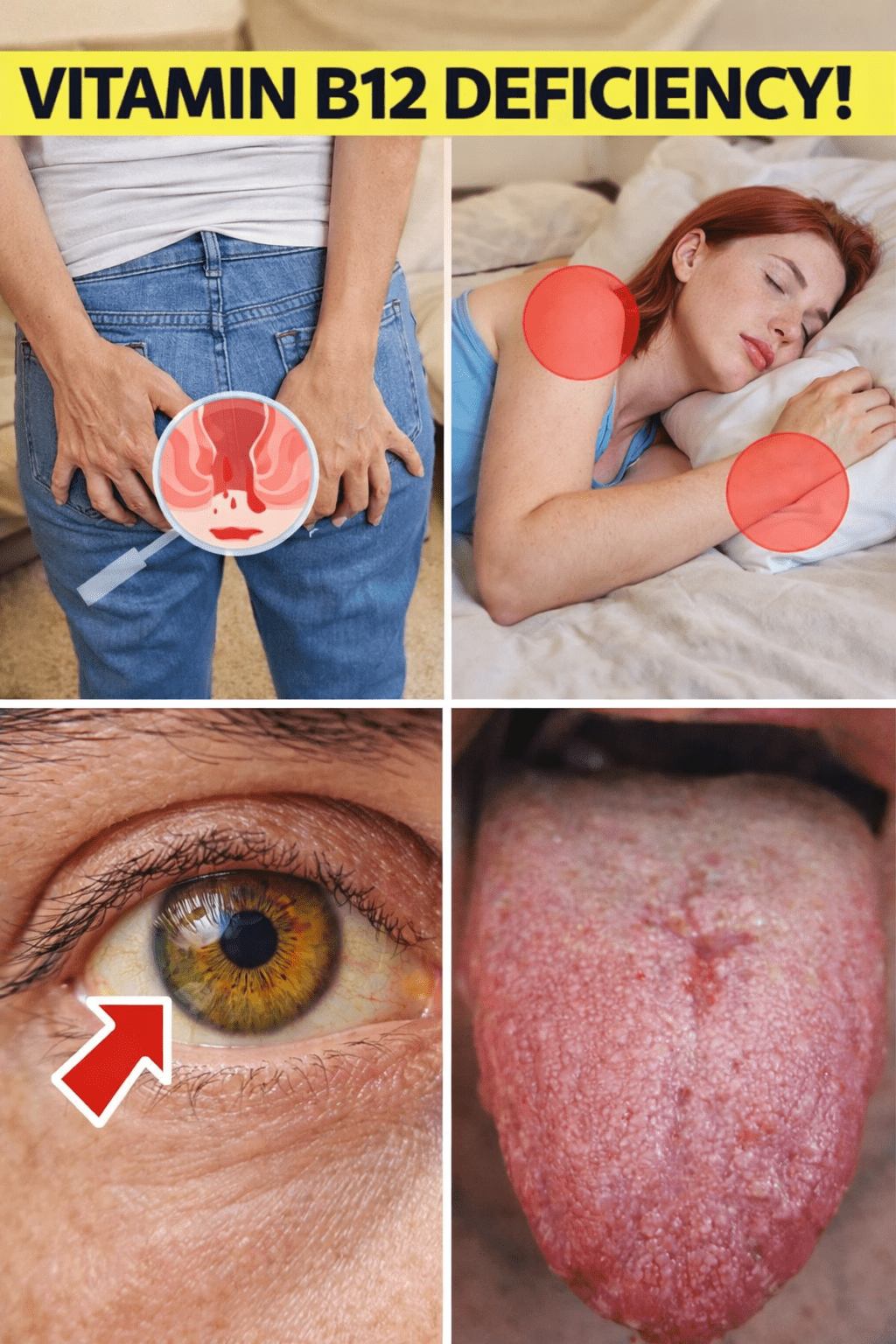
What Is Vitamin B12 and Why Does Your Body Need It?
Vitamin B12, also known as cobalamin, is a water-soluble vitamin that plays a key role in keeping your nerves healthy and helping produce red blood cells. It’s essential for DNA synthesis too.
Your body can’t make B12 on its own, so you get it from foods like meat, eggs, and dairy. Research shows that adequate B12 supports energy levels and brain function.
But here’s the catch: Without enough, things can go awry slowly.
This vitamin is unique because it requires a protein called intrinsic factor for absorption in your gut.
If that’s disrupted, deficiency creeps in.
Common Causes of Vitamin B12 Deficiency
Several factors can lead to low B12 levels.
First, dietary choices: Vegans and vegetarians might miss out since B12 is mostly in animal products.
Studies indicate that up to 40% of vegetarians could be deficient.
Aging is another culprit—older adults produce less stomach acid needed for absorption.
Certain medications, like metformin for diabetes or acid reducers, can interfere.
Digestive issues such as Crohn’s disease or celiac also block uptake.
And pernicious anemia, an autoimmune condition, destroys cells that make intrinsic factor.
The truth is, even with a balanced diet, these issues can sneak up.
8 Unusual Signs of Vitamin B12 Deficiency
Let’s dive into the signs.
These aren’t your typical fatigue complaints—they’re quirky and often overlooked.
1. A Sore or Smooth Tongue (Glossitis)
Imagine your tongue feeling raw and looking unusually red or glossy.
This happens because B12 deficiency can cause inflammation, making papillae (tiny bumps) shrink away.
You might notice pain while eating spicy foods or even brushing your teeth.
According to experts, this is a classic yet strange sign that resolves with supplementation.
But that’s not all—it can affect taste too.
2. Pale Skin or Jaundice-Like Yellowing
Your skin might turn pale due to fewer healthy red blood cells, a condition called anemia.
In some cases, eyes or skin take on a yellowish tint from bilirubin buildup.
This unusual hue signals the body struggling to process waste.
Research highlights how B12 helps prevent such anemia-related changes.
Interesting, right? It mimics other issues, so it’s easy to miss.
3. Persistent Fatigue and Weakness
Sure, everyone’s tired sometimes, but this feels different—like your muscles are heavy and energy is drained.
It’s because B12 is vital for oxygen-carrying red blood cells.
Without it, you feel weak even after rest.
Studies show this as one of the earliest signs.
And here’s the kicker: It can mimic just being busy.
4. Numbness or Tingling in Hands and Feet
Ever feel pins and needles without sitting funny?
This neurological oddity stems from nerve damage due to low B12.
It starts in extremities and can spread.
Experts note it’s reversible if caught early.
But wait, it might feel like wearing invisible gloves.
5. Vision Problems or Blurriness
Blurred vision or shadows in your sight aren’t just aging.
B12 deficiency can harm the optic nerve, leading to disturbances.
This unusual symptom might include light sensitivity too.
Medical sources link it to untreated low levels.
The fascinating part? It often improves with B12 boosts.
6. Mood Swings or Feeling Down
Suddenly irritable or blue for no reason?
B12 supports brain chemicals like serotonin.
Deficiency might contribute to mood changes or even confusion.
Research indicates links to depression-like feelings.
Sự thật là, it’s a mental twist on a physical lack.
7. Heart Palpitations or Racing Beats
Your heart skipping beats or pounding oddly?
Low B12 can cause anemia, making the heart work harder.
This strange sensation feels alarming but is tied to oxygen delivery.
Studies confirm palpitations as a sign.
And get this—it resolves as levels rise.
8. Mouth Sores or Ulcers
Recurrent sores inside your mouth or on gums?
B12 helps maintain oral tissues, so deficiency leads to ulcers.
They burn and heal slowly.
Experts see this as an overlooked indicator.
But there’s more: It pairs with tongue issues often.
How to Check for Vitamin B12 Deficiency
Wondering if these signs apply to you?
Start with a simple blood test—your doctor can measure B12 levels.
Look for values below 200 pg/mL as concerning.
But don’t stop there: Tests for methylmalonic acid or homocysteine provide deeper insights.
Actionable tip: Keep a symptom journal for a week, noting patterns.
This helps discussions with healthcare pros.
Foods Rich in Vitamin B12: A Quick Guide
Boosting intake is straightforward.
Here’s a list of top sources:
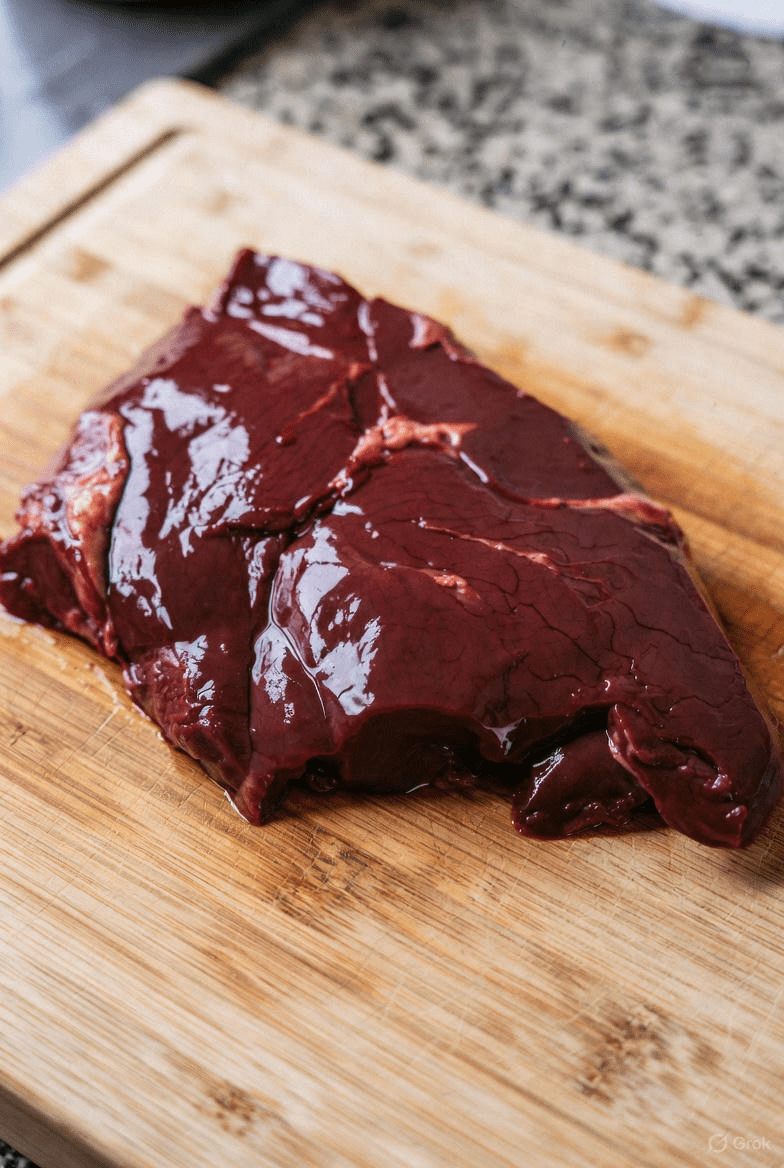
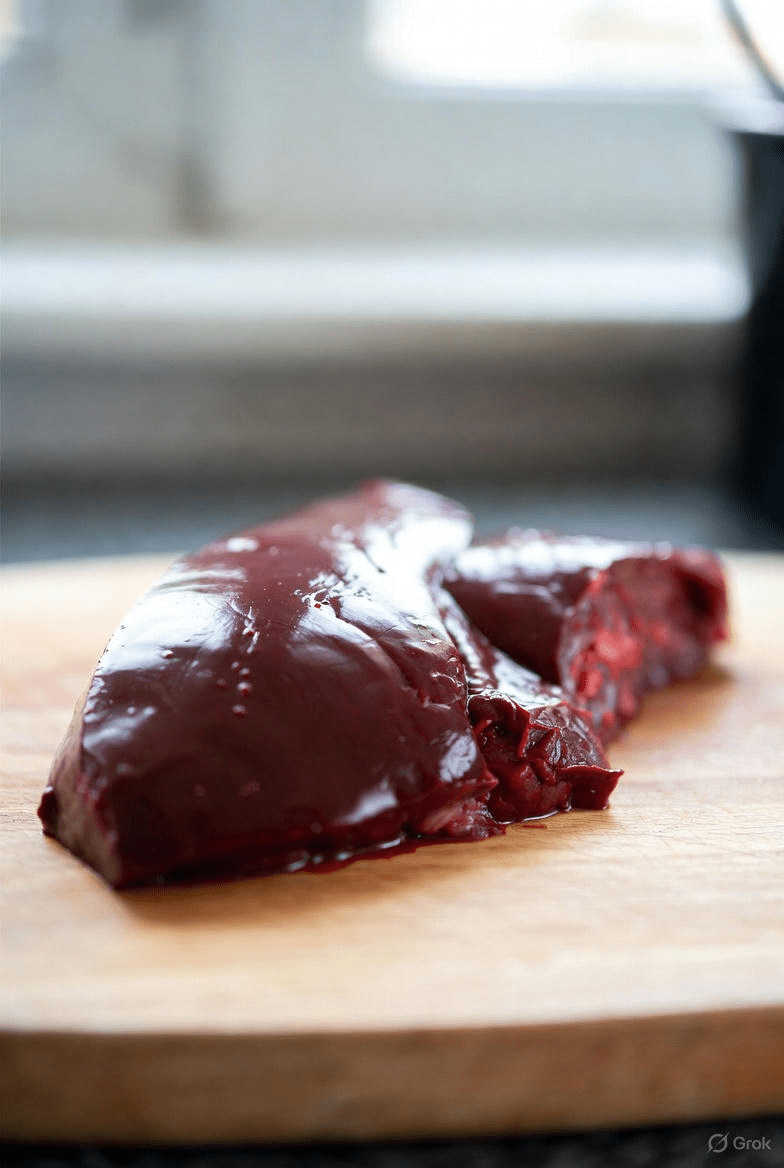
- Beef liver: Packed with B12, just a small serving covers daily needs.
- Salmon: Tasty and provides omega-3s too.
- Eggs: Yolks are the key part.
- Dairy like milk or yogurt: Fortified options for vegetarians.
- Fortified cereals: Great for plant-based diets.
Aim for 2.4 mcg daily, per guidelines.
Try this step-by-step: Add one B12-rich food to each meal.
Breakfast: Eggs.
Lunch: Tuna salad.
Dinner: Grilled chicken.
Comparing Vitamin B12 Deficiency to Other Nutrient Shortfalls
| Symptom | B12 Deficiency | Iron Deficiency | Vitamin D Deficiency |
|---|---|---|---|
| Fatigue | Yes | Yes | Yes |
| Pale Skin | Yes | Yes | No |
| Tingling | Yes | No | Sometimes |
| Mood Changes | Yes | Sometimes | Yes |
| Tongue Issues | Yes | No | No |
This table shows overlaps but unique B12 quirks.
Use it to differentiate.
Tips to Maintain Healthy Vitamin B12 Levels
Prevention is key.
If at risk, consider supplements—oral tablets or sublingual forms absorb well.
For vegans: B12-fortified nutritional yeast is a game-changer.
Regular check-ups help, especially over 50.
And the surprising habit I promised? Fermenting foods at home, like making sauerkraut—it can enhance B12 availability in some plant sources, though not a primary fix.
But always pair with professional advice.
Wrapping It Up
Vitamin B12 deficiency can show up in unexpected ways, from a sore tongue to mood dips, but recognizing them early makes a difference.
By incorporating B12-rich foods and staying aware, you support your body’s needs.
Remember, small changes yield big results.
Frequently Asked Questions
What foods are highest in vitamin B12?
Animal products like liver, fish, and eggs top the list. Fortified plant milks work for vegetarians.
Can vitamin B12 deficiency be reversed?
Yes, with proper supplementation or dietary adjustments, levels often normalize, per studies.
Who is most at risk for vitamin B12 deficiency?
Older adults, vegans, those with gut issues, or on certain meds face higher risks.
This article is for informational purposes only and not a substitute for professional medical advice. Consult your healthcare provider for personalized guidance.


