
Dealing with bedbugs can feel overwhelming when you notice those itchy bites after a restless night. These tiny pests hide in cracks and crevices, making it hard to spot them until the problem grows, leading to discomfort and frustration in your own home. But understanding their habits might help you take steps to address the issue. Stick around, because later I’ll share an unexpected household item that many people use in their routines for managing such situations.
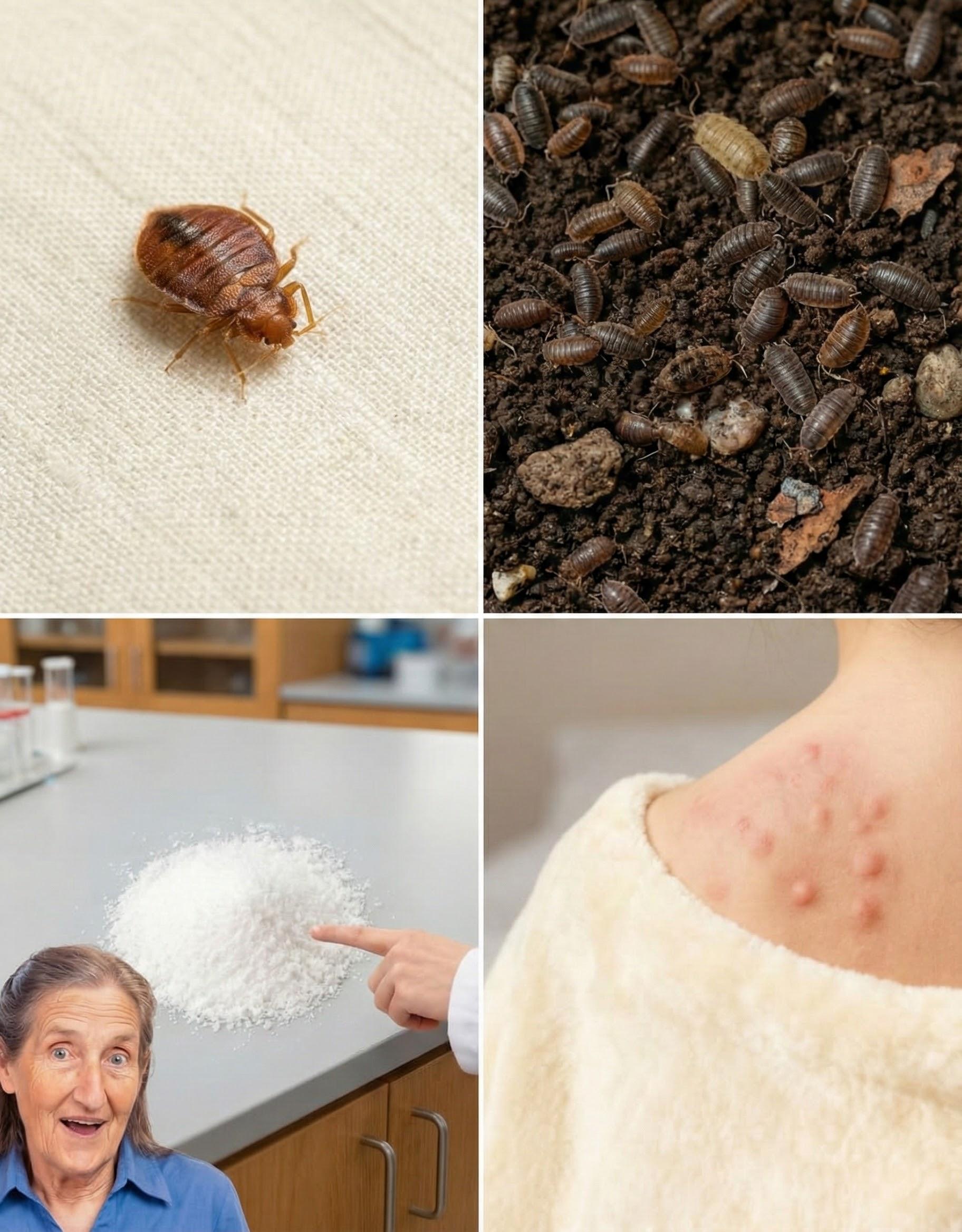
Understanding Bedbugs: What They Are and Why They Invade Homes
Bedbugs are small, wingless insects that feed on blood, often from humans while we sleep. They have flat, oval bodies that turn reddish-brown after feeding. These pests don’t fly or jump but crawl quickly over surfaces.
Research from sources like the Environmental Protection Agency (EPA) shows bedbugs thrive in warm environments, preferring temperatures between 70°F and 80°F. They can survive for months without a meal, which makes them resilient.
But that’s not all. Bedbugs often hitchhike into homes via luggage, used furniture, or clothing. Once inside, they multiply rapidly—a female can lay hundreds of eggs in her lifetime.
The Life Cycle of Bedbugs: From Egg to Adult
Bedbugs go through several stages in their life cycle, which typically lasts about 6 to 12 months under ideal conditions.
It starts with eggs: Tiny, white, and pearl-like, about 1mm long. They’re often laid in clusters in hidden spots.
Next come the nymphs. These immature bedbugs molt five times before reaching adulthood, needing a blood meal each time.
Adults are about the size of an apple seed. They can live up to a year, feeding every few days if hosts are available.
Here’s something interesting: Studies indicate that bedbug populations can double every 16 days if unchecked, according to entomology reports from universities like Purdue.
Signs of a Bedbug Infestation in Your Home
Spotting bedbugs early can make a difference in how you handle the situation.
Look for these common indicators:
- Small, reddish stains on sheets from crushed bugs.
- Dark spots (fecal matter) resembling pepper grains.
- Shed skins from molting nymphs.
- A musty odor in heavily infested areas.
Many people first notice itchy welts on their skin, often in lines or clusters. However, not everyone reacts the same way.
The truth is, bedbugs don’t discriminate—they can appear in clean homes just as easily as cluttered ones. Travel and second-hand items are common entry points.
Health Concerns Associated with Bedbugs
While bedbugs aren’t known to transmit diseases, their bites can cause discomfort.
Some people experience redness, swelling, or intense itching. In rare cases, allergic reactions might occur.
Sleep disturbances are another issue, leading to stress and fatigue. Mental health impacts, like anxiety about pests, are also reported in studies from the Centers for Disease Control and Prevention (CDC).
But here’s the key: Focusing on prevention and management can help reduce these effects. Regular inspections of bedding and furniture are a good start.
Prevention Strategies to Keep Bedbugs at Bay
Taking proactive steps can help minimize the risk of bedbugs entering your home.
Start with travel precautions. When staying in hotels, inspect mattresses and keep luggage off the floor.
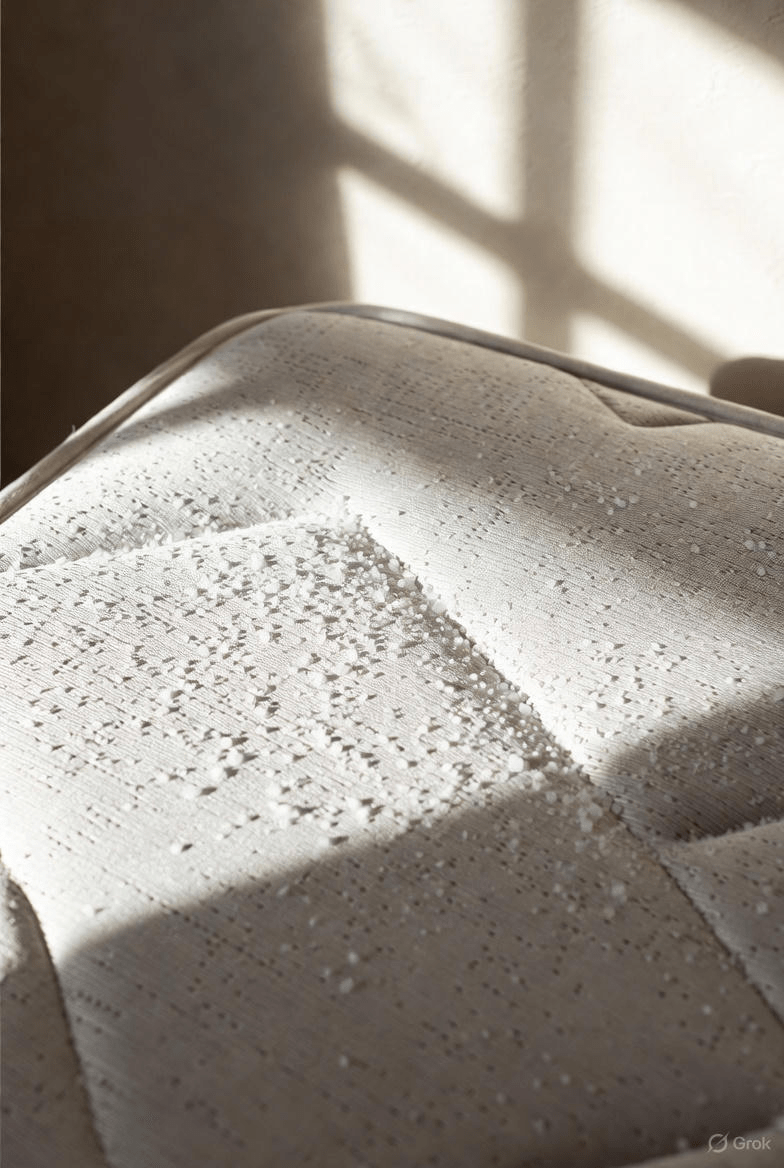
At home, encase mattresses and box springs in protective covers designed for this purpose.
Vacuum regularly, especially in bedrooms and living areas. Dispose of vacuum contents outside immediately.
Consider using interceptors under bed legs—these traps can catch crawling pests.
And don’t forget: Washing and drying infested items on high heat can address some concerns, as heat above 120°F is effective according to EPA guidelines.
Exploring Natural Home Remedies for Pest Management
Many homeowners turn to everyday items for managing pests like bedbugs.
Essential oils, such as tea tree or lavender, are sometimes used in sprays for their reputed properties.
Diatomaceous earth, a natural powder, is another option that dehydrates insects on contact.
But wait, there’s more. Some people incorporate baking soda or vinegar into their cleaning routines.
These methods are popular because they’re accessible and low-cost. However, results can vary based on the situation.
A Simple Salt Method: Step-by-Step Guide
Salt is a common household staple that some use in pest management routines.
Here’s how you might incorporate it:
- Identify affected areas: Check seams of mattresses, furniture cracks, and baseboards.
- Prepare the salt: Use fine table salt or rock salt ground into powder for better application.
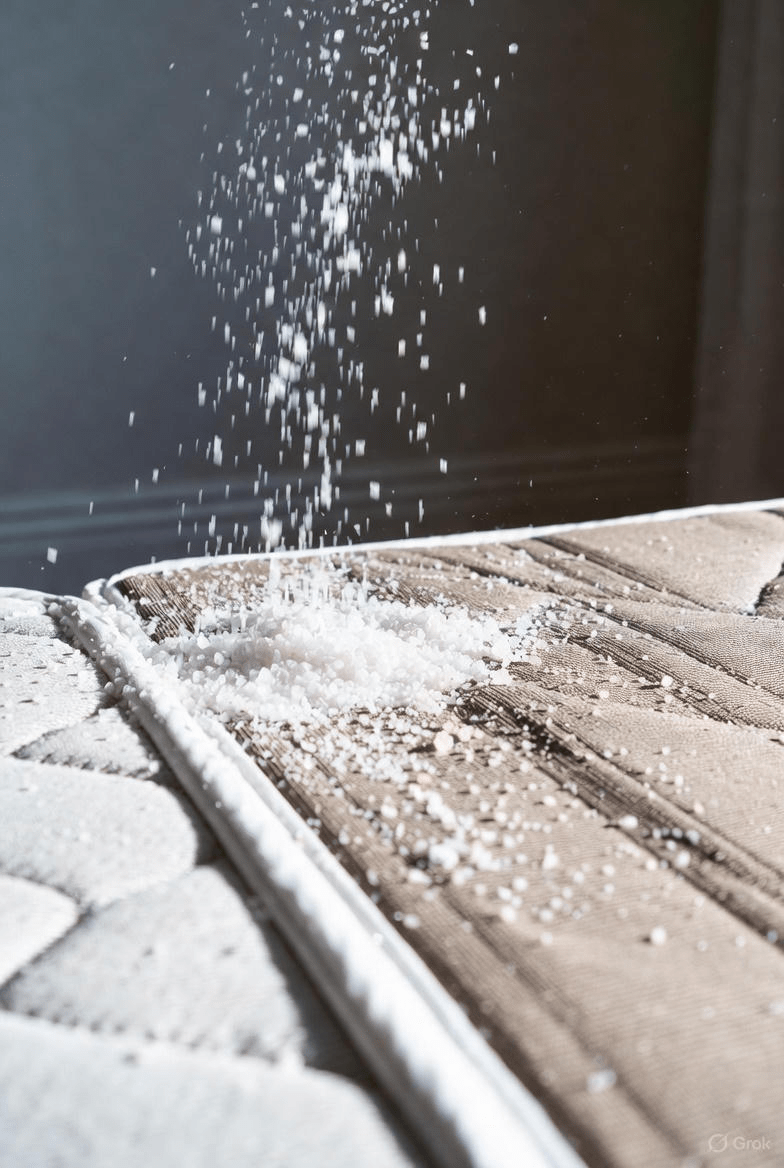
- Apply generously: Sprinkle salt in cracks, crevices, and along baseboards where pests might travel.
- Leave it overnight: Allow the salt to sit for several hours or overnight.
- Vacuum thoroughly: Remove the salt and any debris the next day.
The idea behind this is that salt may absorb moisture, potentially affecting small insects. Anecdotal reports suggest it as part of a broader cleaning strategy.
But that’s just the beginning. Combine this with other habits for a more comprehensive approach.
How Salt Might Work in Pest Control Contexts
Salt has hygroscopic properties, meaning it draws in moisture from the environment.
In theory, when pests come into contact with salt, it could lead to dehydration over time.
Historical uses of salt for preservation hint at its drying effects, as noted in general science resources.
However, it’s important to note that this isn’t a standalone solution. Professional advice is often recommended for persistent issues.
Skeptics point out that salt alone may not reach all hiding spots. That’s why integrating it with vacuuming and washing is key.
Comparing Salt to Other Household Items for Pest Management
Let’s break it down in a simple table:
| Item | Pros | Cons | Best For |
|---|---|---|---|
| Salt | Inexpensive, readily available | May not penetrate deep cracks | Surface applications |
| Vinegar | Natural cleaner, acidic | Strong smell, temporary effect | Spot cleaning |
| Baking Soda | Absorbs odors, mild abrasive | Needs mixing with water | Carpet freshening |
| Diatomaceous Earth | Long-lasting, non-toxic | Dusty, slow-acting | Perimeter barriers |
This comparison shows salt as a quick, easy option for initial tries.
Potential Drawbacks and Safety Considerations
While salt is generally safe, over-application can leave residues on floors.
Pets might ingest it, so use caution in homes with animals.
It could also damage delicate fabrics if not vacuumed properly.
Always test in a small area first.
And remember: If the issue persists, consulting a pest control expert is advisable.
Integrating Salt into Your Overall Home Maintenance Routine
Make salt part of weekly cleaning.
After vacuuming, sprinkle salt in high-traffic areas and let it sit before removing.
Pair it with decluttering to reduce hiding spots.
Consistency is crucial—regular habits can help maintain a comfortable living space.
Studies from pest management journals suggest that combined methods yield better outcomes.
Real-Life Experiences: What Others Have Shared
Online forums and reviews often mention salt as a handy trick.
One user reported noticing fewer signs after using it along baseboards.
Another combined it with steam cleaning for added effect.
These stories highlight community approaches, though individual results differ.
The fascinating part? Many discover these through trial and error, adapting to their homes.
When to Seek Professional Help
If home methods don’t seem sufficient, professionals have specialized tools.
They can assess the extent and provide targeted strategies.
Signs like widespread sightings or persistent bites warrant expert input.
Organizations like the National Pest Management Association offer resources for finding reliable services.
Wrapping It Up: Empowering Your Home Management
In summary, understanding bedbug habits—from their life cycle to signs of presence—equips you to take informed steps. Incorporating simple household items like salt into your routine can be part of a broader strategy for maintaining a pest-free environment. Remember, persistence and a multi-faceted approach often lead to the best results.
Frequently Asked Questions (FAQ)
- What do bedbug bites look like?
Bedbug bites often appear as small, red welts that may itch. They can form in lines or clusters on exposed skin, but reactions vary by individual. - Can bedbugs live in clean homes?
Yes, bedbugs aren’t attracted to dirt. They seek out hosts for blood meals and can enter any home through travel items or furniture, regardless of cleanliness. - How long can bedbugs survive without feeding?
Adult bedbugs can go several months without a meal, especially in cooler temperatures, making them tough to eliminate without consistent efforts.
Disclaimer: This article is for informational purposes only and is not intended as medical or professional pest control advice. Consult a qualified expert for personalized guidance.
(Word count: 1,248)


