
If you’re one of the millions taking atorvastatin (commonly known as Lipitor) to manage cholesterol levels and support heart health, you know it can make a real difference. But sometimes, subtle changes creep in over time—things like lingering fatigue or unexplained aches that disrupt your daily routine. These can feel frustrating, especially when they’re not highlighted in a quick doctor’s visit. The good news? Many people experience minimal issues, and awareness can help you address them early. But here’s the intriguing part: there are practical, everyday strategies that might make a noticeable difference—and we’ll uncover one surprising tip toward the end that could change how you approach this.

Why Atorvastatin Matters—And Why Side Effects Deserve Attention
Atorvastatin belongs to a class of medications called statins, which help lower LDL cholesterol and support cardiovascular health. Research from sources like the Mayo Clinic and NIH shows these medications offer significant benefits for many people at risk of heart events.
That said, no medication is without potential drawbacks. While major risks are closely monitored, some milder or less frequently discussed effects can affect daily comfort. Studies indicate that up to 10-15% of users report certain symptoms, though individual experiences vary widely.
The key is open communication with your healthcare provider. Never adjust or stop your medication on your own—the benefits often outweigh potential concerns for most people.
Common Yet Often Overlooked Muscle-Related Concerns
Muscle discomfort is one of the most reported issues with statins.
Muscle Aches or Weakness
Many users notice soreness in the legs, back, or arms, ranging from mild to more noticeable. According to data from Drugs.com and Mayo Clinic reviews, this affects a notable portion of people, though it’s usually not severe.
What you can do:
- Track when symptoms occur and share details with your doctor.
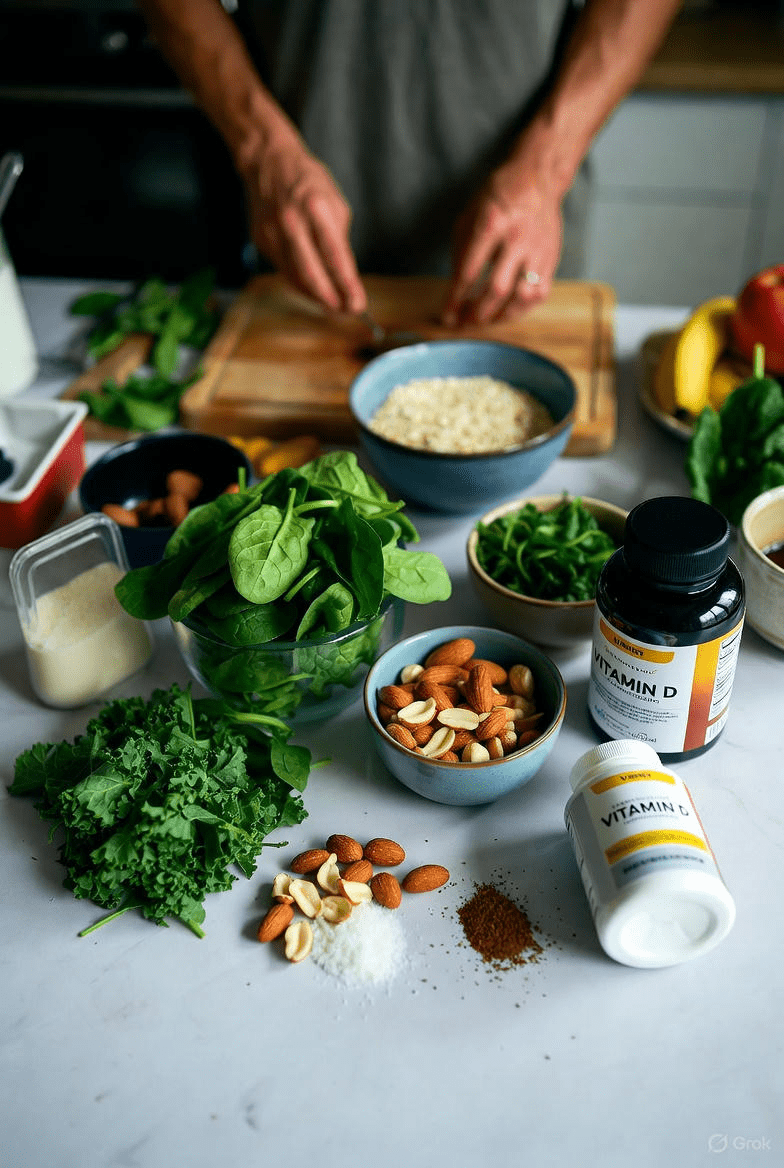
- Ask about checking vitamin D levels, as some research suggests low levels may play a role.
- Discuss gentle exercises like walking or stretching to support muscle health.
But that’s not the only muscle-related topic worth knowing…
Joint Pain
Stiffness or discomfort in joints can sometimes accompany statin use, making everyday activities feel harder.
Practical steps:
- Incorporate low-impact activities, such as swimming or yoga.
- Maintain a healthy weight to reduce joint stress.
- Talk to your provider about over-the-counter options if needed.
Digestive and Everyday Comfort Challenges
Stomach-related issues can sneak up gradually.
Upset Stomach or Diarrhea
Nausea, indigestion, or loose stools are mentioned in clinical summaries from WebMD and NIH.
Tips to consider:
- Take your dose with a meal to ease absorption.
- Focus on fiber-rich foods like oats or fruits (in moderation).
- Stay hydrated throughout the day.
Sleep Disturbances
Some people report trouble falling asleep or staying asleep, per reports from statin users.
What might help:
- Establish a consistent bedtime routine.
- Limit caffeine in the afternoon.
- Discuss timing of your dose with your doctor.
Here’s a quick comparison of common digestive vs. muscle issues:
| Category | Common Symptoms | Frequency (Based on Studies) | Practical First Steps |
|---|---|---|---|
| Digestive | Nausea, diarrhea, indigestion | Up to 5-10% | Eat with meals, stay hydrated |
| Muscle/Joint | Aches, weakness, stiffness | Up to 10-15% | Gentle exercise, track patterns |

Other Potential Effects to Watch For
Research highlights a few more areas.
Fatigue or Low Energy
Feeling more tired than usual can impact motivation. Some studies link this to statin use, though it’s not universal.
Steps to try:
- Prioritize balanced meals with protein and veggies.
- Aim for short, regular walks.
- Rule out other factors like sleep quality.
Headache or Cold-Like Symptoms
Mild headaches or nasal congestion appear in side effect lists from reliable sources.
Helpful habits:
- Drink plenty of water.
- Use a humidifier if dryness is an issue.
Blood Sugar Changes
Large-scale reviews note a small increase in blood sugar levels for some, potentially relevant if you have prediabetes.
Monitoring tips:
- Regular check-ups as recommended.
- Focus on whole foods and portion control.
- Stay active with enjoyable movement.
And a few rarer mentions from long-term observations:
- Mild memory fog (though major studies, including FDA reviews, find no strong link to cognitive decline).
- Occasional skin reactions or hair thinning (usually temporary).
Practical Strategies Many People Find Helpful
Here are evidence-informed ideas to discuss with your provider:
- CoQ10 supplementation: Statins may lower natural CoQ10 levels; some smaller studies suggest supplements could support energy, though results are mixed (per reviews in cardiology journals).
- Vitamin D check: Low levels are common and may worsen discomfort—testing is simple.
- Dose adjustments: Switching timing or trying a lower dose/intermittent schedule works for some.
- Lifestyle boosts: Heart-healthy eating, stress management, and consistent movement often amplify benefits.
The surprising tip promised earlier? Many find that combining statin therapy with targeted habits—like adding magnesium-rich foods (leafy greens, nuts)—supports overall comfort. But always check for interactions.
When to Reach Out to Your Doctor
Contact your provider if you notice:
- Unexplained severe muscle pain with dark urine.
- Yellowing skin or persistent nausea.
- Any new, bothersome changes.
Early conversations lead to better outcomes.
Conclusion
Atorvastatin remains a cornerstone for cholesterol management and heart support for countless people. By staying informed about potential lesser-known effects and proactive steps, you can navigate them confidently. Focus on what works for your body, and partner with your healthcare team for personalized guidance.
Frequently Asked Questions
How long do atorvastatin side effects typically last?
Many milder ones improve within weeks as your body adjusts, but share ongoing concerns with your doctor.
Can lifestyle changes reduce the need for higher doses?
Healthy eating, activity, and weight management often complement medication—discuss with your provider.
Is it safe to take supplements like CoQ10 alongside atorvastatin?
Some people do, but evidence varies; always consult your doctor first to avoid interactions.
Important Disclaimer: This article is for informational purposes only and not medical advice. Always consult your healthcare provider before making changes to your medication or routine. They can offer guidance tailored to your health history.
(Word count: approximately 1320)


