
Feeling tired, dealing with occasional digestive discomfort, or noticing your energy levels aren’t what they used to be? Many people struggle with getting enough key nutrients like fiber, iron, magnesium, and zinc from their everyday meals. These elements play vital roles in supporting digestion, energy production, and overall well-being, yet busy lifestyles and limited food variety often lead to gaps in intake.
The good news is that simple, everyday foods can help bridge these gaps naturally. By incorporating more whole, plant-based options into your routine, you can support your body’s needs without complicated changes. But there’s one surprising twist that makes all the difference in how effectively your body uses these nutrients—stick around to the end to discover it.
Why These Nutrients Matter for Everyday Health
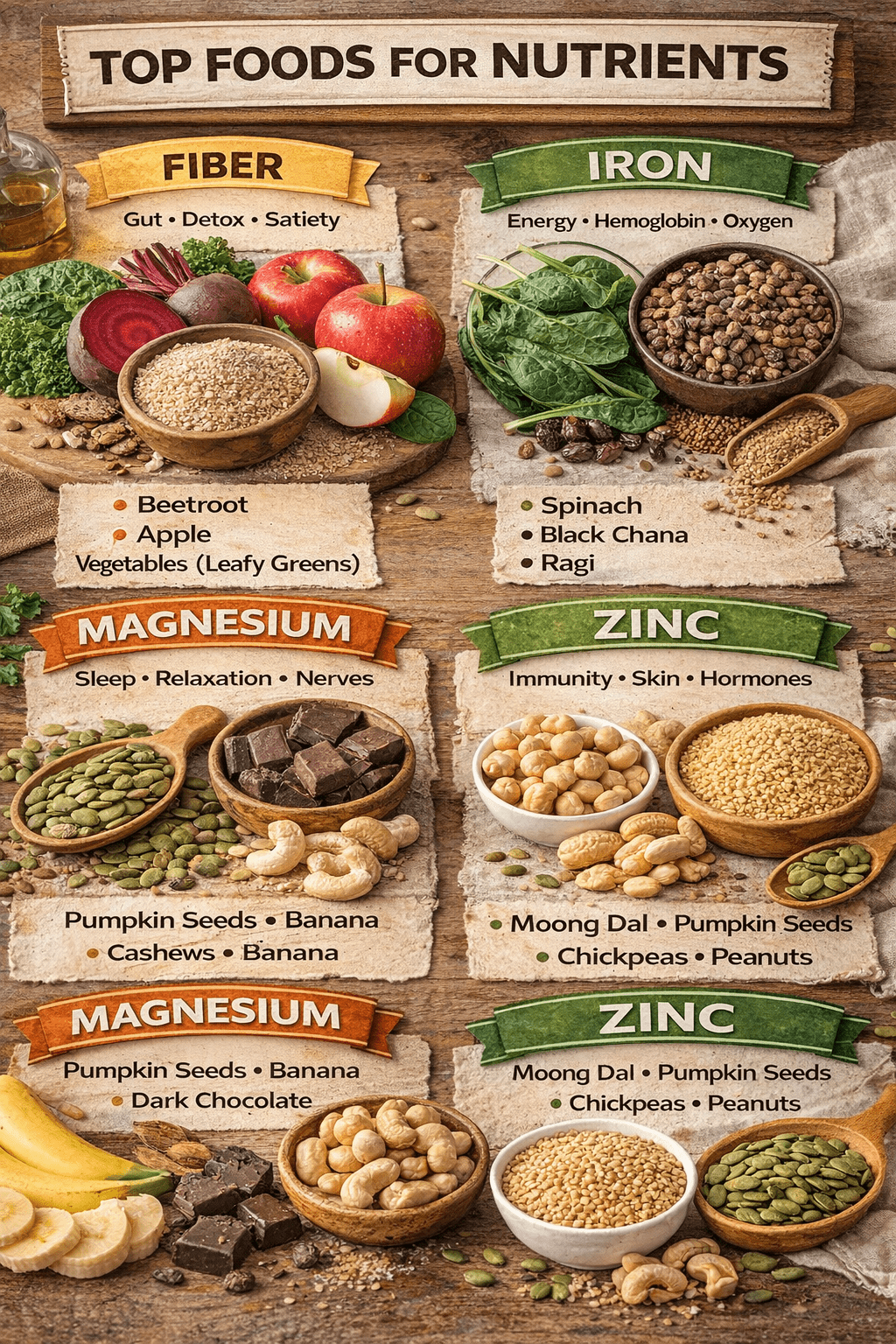
Fiber, iron, magnesium, and zinc are essential for keeping your body running smoothly. Research suggests that adequate fiber supports healthy digestion and feelings of fullness, while iron contributes to normal energy levels by helping transport oxygen. Magnesium plays a role in muscle function and relaxation, and zinc supports immune health and skin integrity.
Studies indicate that diets rich in these nutrients from whole foods may promote better overall wellness. For example, plant-based sources provide these alongside other beneficial compounds like antioxidants and healthy fats.
Fiber-Rich Foods: The Foundation of Gut Health
Fiber helps promote regularity and supports a healthy gut environment. Focus on whole foods that deliver both soluble and insoluble types for the best results.
Here are some top plant-based sources to add to your plate:
- Apples: A medium apple with skin provides around 4-5 grams of fiber, plus natural sweetness.
- Beetroot: High in fiber and packed with earthy flavor—great roasted or in salads.
- Leafy greens like spinach: One cup cooked offers a solid fiber boost with minimal calories.
- Whole grains such as ragi (finger millet): A traditional staple rich in fiber for sustained energy.
Pro Tip: Pair these with vitamin C-rich foods like citrus to enhance absorption of accompanying nutrients.
Iron-Packed Plant Foods to Support Energy
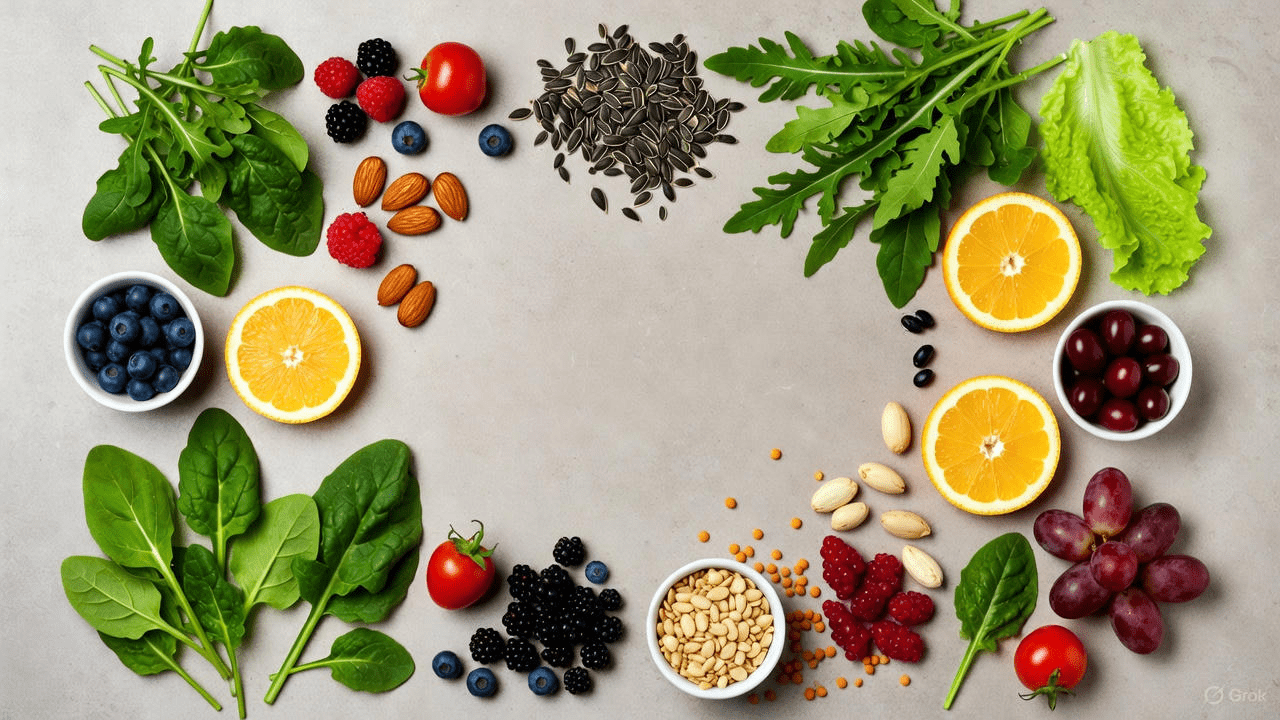
Iron from plants (non-heme) is widely available in everyday ingredients. Pairing them with vitamin C sources can help your body make the most of it.
Key options include:
- Spinach: A classic leafy green with notable iron content.
- Black chana (chickpeas): Versatile for curries or hummus, delivering iron plus protein.
- Raisins: A convenient snack that adds iron to trail mixes.
- Ragi: An excellent grain for porridges or rotis.
Actionable Tip: Try a simple spinach salad with lemon dressing or add raisins to oatmeal for an easy iron boost.
Magnesium Sources: For Relaxation and Muscle Support
Magnesium is involved in over 300 bodily processes, including nerve function and sleep quality. Many plant foods provide it abundantly.
Top picks:
- Pumpkin seeds: A handful offers a magnesium powerhouse—sprinkle on yogurt or salads.
- Bananas: Portable and naturally sweet, great for post-workout snacks.
- Dark chocolate (70%+ cocoa): Enjoy in moderation for a tasty magnesium hit.
- Cashews: Nutty flavor with magnesium to spare—perfect as a snack.
Easy Step: Start your day with a banana smoothie topped with pumpkin seeds.
Zinc-Rich Foods: Supporting Immunity and Skin
Zinc is crucial for immune function and wound healing. Plant sources are plentiful and easy to incorporate.
Notable choices:
- Peanuts: Affordable and crunchy—add to stir-fries.
- Pumpkin seeds: Double-duty with magnesium too.
- Chickpeas: Roast them for a satisfying snack.
- Moong dal (split mung beans): Use in soups or dals for everyday meals.
Quick Idea: Make a trail mix with peanuts, pumpkin seeds, and a few dark chocolate pieces.
Simple Ways to Boost Your Intake Naturally
Incorporating these foods doesn’t require a complete overhaul. Here are practical steps:
- Start small: Add one new food to each meal, like spinach in eggs or pumpkin seeds on yogurt.
- Pair wisely: Combine iron-rich foods with vitamin C (e.g., spinach with tomatoes) for better utilization.
- Snack smart: Keep nuts, seeds, or raisins handy for quick boosts.
- Experiment with grains: Swap white rice for ragi or add moong dal to soups.
- Track progress: Aim for variety to naturally increase overall nutrient levels.
But here’s the part most people overlook: The way you prepare these foods can make a big difference. Soaking legumes like chickpeas or black chana reduces compounds that might interfere with mineral absorption, unlocking more benefits.
Conclusion: Start Small for Lasting Results
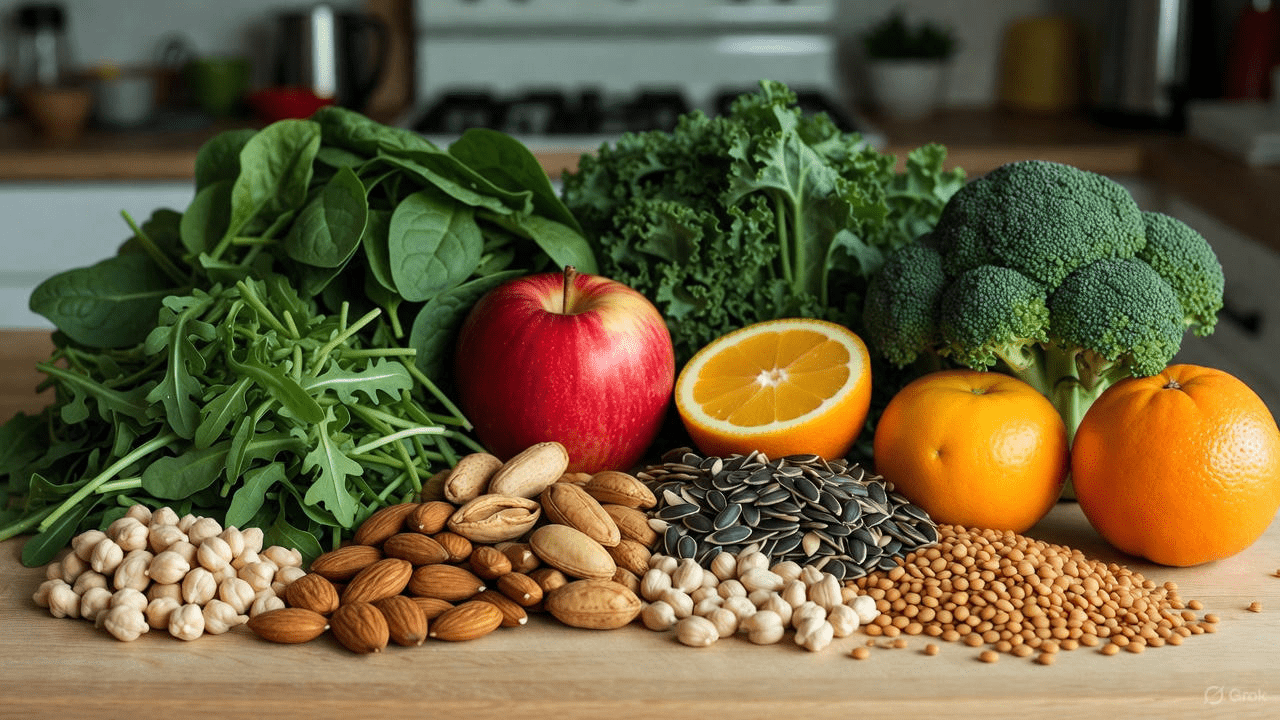
Adding more fiber, iron, magnesium, and zinc through whole foods is one of the easiest ways to support your daily health. Focus on variety and consistency—your body will thank you with better energy and well-being.
FAQ
What are the best plant-based sources for multiple nutrients at once?
Pumpkin seeds, chickpeas, and spinach stand out—they deliver fiber, iron, magnesium, and zinc in one package.
How can I improve absorption of these nutrients from plants?
Pair iron-rich foods with vitamin C, soak legumes before cooking, and avoid excessive tea or coffee near meals.
Is it possible to get enough of these nutrients from diet alone?
Yes, a varied plant-based diet with nuts, seeds, greens, and legumes can meet needs—focus on whole foods for the best results.
Disclaimer: This article is for informational purposes only and not intended as medical advice. Consult a healthcare professional before making significant dietary changes, especially if you have health concerns.


