
Many adults experience occasional fatigue, digestive discomfort, or skin changes without realizing these could relate to liver function. These everyday issues often get brushed off as normal parts of aging or stress, leaving people unaware of gradual shifts happening inside the body. Research shows that liver concerns affect millions worldwide, yet they often develop quietly over time. The good news? Paying attention early can make a real difference. Keep reading to discover what these common signals might mean and simple steps you can take today.
Why the Liver Matters More Than You Think
Your liver works tirelessly behind the scenes, filtering blood, processing nutrients, and helping remove waste. It handles everything from the food you eat to medications and environmental toxins.
When daily habits like rich meals, alcohol, or excess weight add up, the liver can become overloaded. Studies from organizations like the CDC indicate that non-alcoholic fatty liver conditions now affect up to 30% of adults in the United States.
The encouraging part is that the liver has an impressive ability to recover when supported with healthy choices.
Understanding Common Early Signals
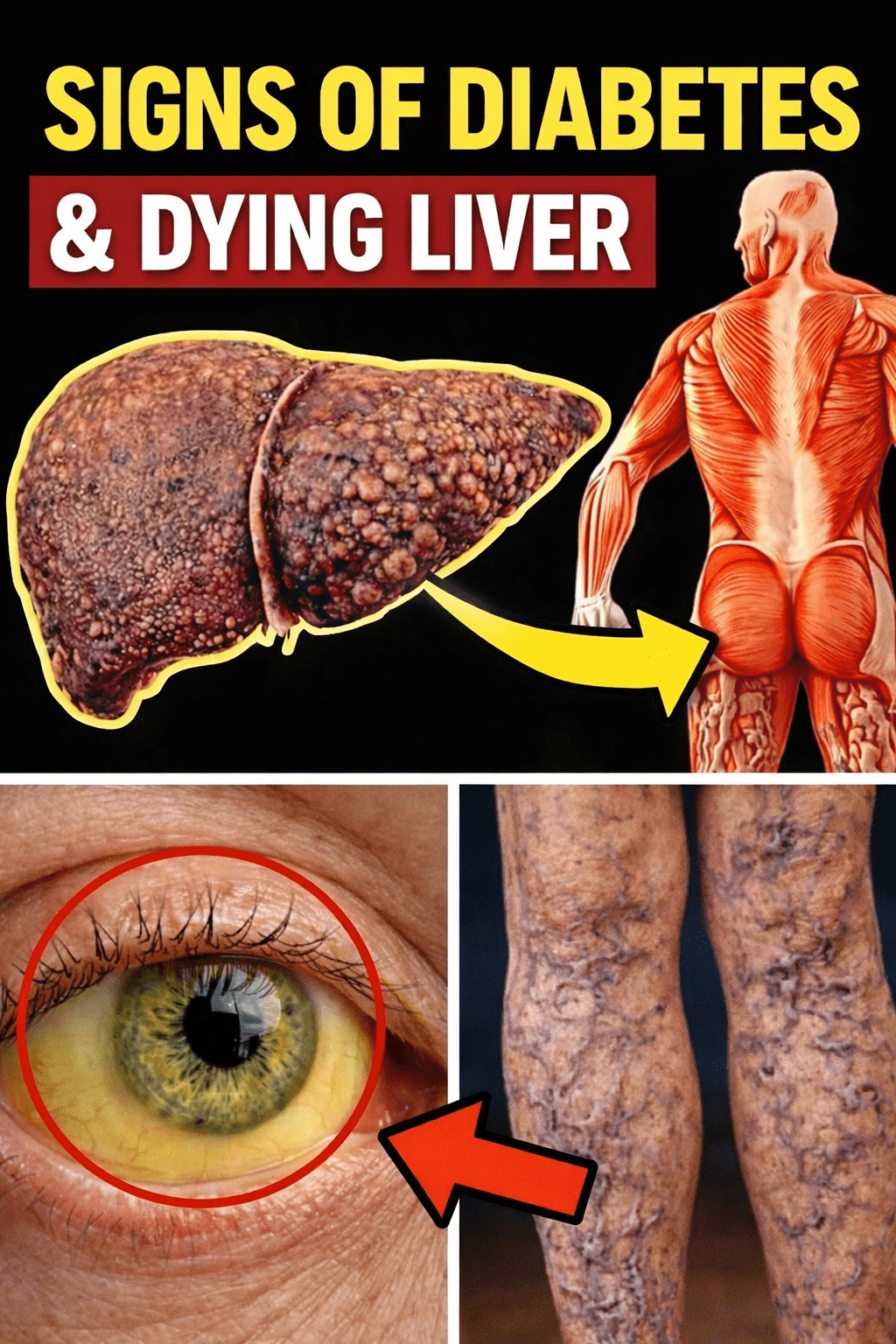
Spotting changes early helps you discuss them with a healthcare professional. Here are 12 subtle signs that research links to possible liver stress.
1. Easy Bruising or Small Red Spots
Minor bumps leading to noticeable bruises can surprise many people. The liver produces proteins needed for proper blood clotting. When function slows, even small impacts may leave marks.
2. Swelling in the Legs, Ankles, or Abdomen
Fluid retention that worsens toward the end of the day is another common observation. Reduced protein production can allow fluid to build up in tissues.
3. Spider-Like Blood Vessels on the Skin
Small, web-like red lines on the chest, face, or arms sometimes appear. These happen when hormone balance shifts due to slower processing.
4. Pale or Light-Colored Stools
Changes in stool color, especially lighter shades, may point to reduced bile reaching the intestines. Bile gives stool its usual brown tone.
5. Persistent Itchy Skin
Itching without a visible rash, particularly on palms or soles, can feel frustrating. Built-up substances in the blood may irritate nerve endings.
6. Yellow Tint in Skin or Eyes
Known as jaundice, a yellowish hue in the skin or whites of the eyes signals excess bilirubin. This pigment builds when the liver processes it more slowly.
But that is not all. Several other everyday experiences also deserve attention.
7. Ongoing Fatigue
Feeling drained despite adequate rest affects many adults. Toxin buildup and nutrient processing issues can contribute to low energy levels.
8. Mental Fog or Confusion
Difficulty concentrating or brief memory lapses can worry anyone. Certain waste products crossing into the brain may play a role.
9. Frequent Nausea
Queasy feelings or lack of appetite often disrupt daily meals. Irritation from accumulated substances can upset the stomach.
10. Discomfort in the Upper Right Abdomen
A dull ache or tenderness under the right ribs sometimes appears as the liver enlarges slightly from inflammation.
11. Unexplained Weight Changes
Sudden loss of appetite leading to weight drop can feel concerning. Digestion and hormone shifts may reduce interest in food.
12. Dark-Colored Urine
Tea-like or deeply colored urine may result from excess pigments being filtered through the kidneys instead.
Here is a quick reference table to summarize these observations:
| Sign | Area Affected | Common Trigger Mentioned in Research |
|---|---|---|
| Easy bruising | Skin and blood | Reduced clotting proteins |
| Swelling | Legs, ankles, abdomen | Lower protein levels |
| Spider veins | Chest, face, arms | Hormone processing changes |
| Pale stools | Digestion | Reduced bile flow |
| Itchy skin | Whole body | Substance buildup in blood |
| Yellow tint | Skin and eyes | Excess bilirubin |
| Fatigue | Overall energy | Toxin and nutrient issues |
| Mental fog | Brain function | Waste product effects |
| Nausea | Stomach | Irritation from buildup |
| Abdominal discomfort | Upper right side | Organ enlargement |
| Weight changes | Appetite and digestion | Hormonal and absorption shifts |
| Dark urine | Kidneys | Pigment spillover |

Everyday Habits That Support Liver Health
Small, consistent changes often yield the biggest benefits. Here are practical steps backed by health guidelines:
- Choose whole foods like vegetables, fruits, lean proteins, and whole grains most days.
- Stay hydrated with plenty of water throughout the day.
- Limit processed foods, added sugars, and excessive alcohol.
- Aim for regular movement, even gentle walks or stretching.
- Maintain a healthy weight through balanced portions and activity.
- Get enough quality sleep each night.
Start with one or two changes that feel manageable. Track how you feel after a few weeks.
When to Talk to a Healthcare Professional
Any persistent or worsening symptoms warrant a conversation with your doctor. Simple blood tests can provide valuable insight into liver enzymes and function.
Early discussions allow for personalized guidance and peace of mind.
Key Takeaways
Paying attention to subtle body signals empowers better health choices. Lifestyle adjustments, combined with professional advice, support overall well-being.
The liver responds remarkably well to positive habits when changes begin early.
Frequently Asked Questions
What are common early signs of liver concerns?
Research highlights fatigue, skin changes, digestive shifts, and swelling as frequent early indicators.
Can lifestyle changes help liver health?
Yes. Studies show that balanced diet, exercise, limited alcohol, and weight management support liver function significantly.
When should I see a doctor about these signs?
Consult a healthcare provider if any signs persist for more than a few weeks or interfere with daily life.
This article is for informational purposes only and is not a substitute for professional medical advice. Always consult your healthcare provider for personal health concerns.


