
Many of us worry about maintaining good circulation as we get older. Daily stress, long hours sitting, or family history can make us wonder if our blood is flowing as smoothly as it should. That quiet concern about heart health can linger in the background of everyday life.
The good news is that something as simple as a warm cup of ginger tea might offer gentle support for cardiovascular wellness. And here’s the exciting part—we’ll explore the science behind it, plus a surprising tip at the end that could help you get even more from this everyday root.
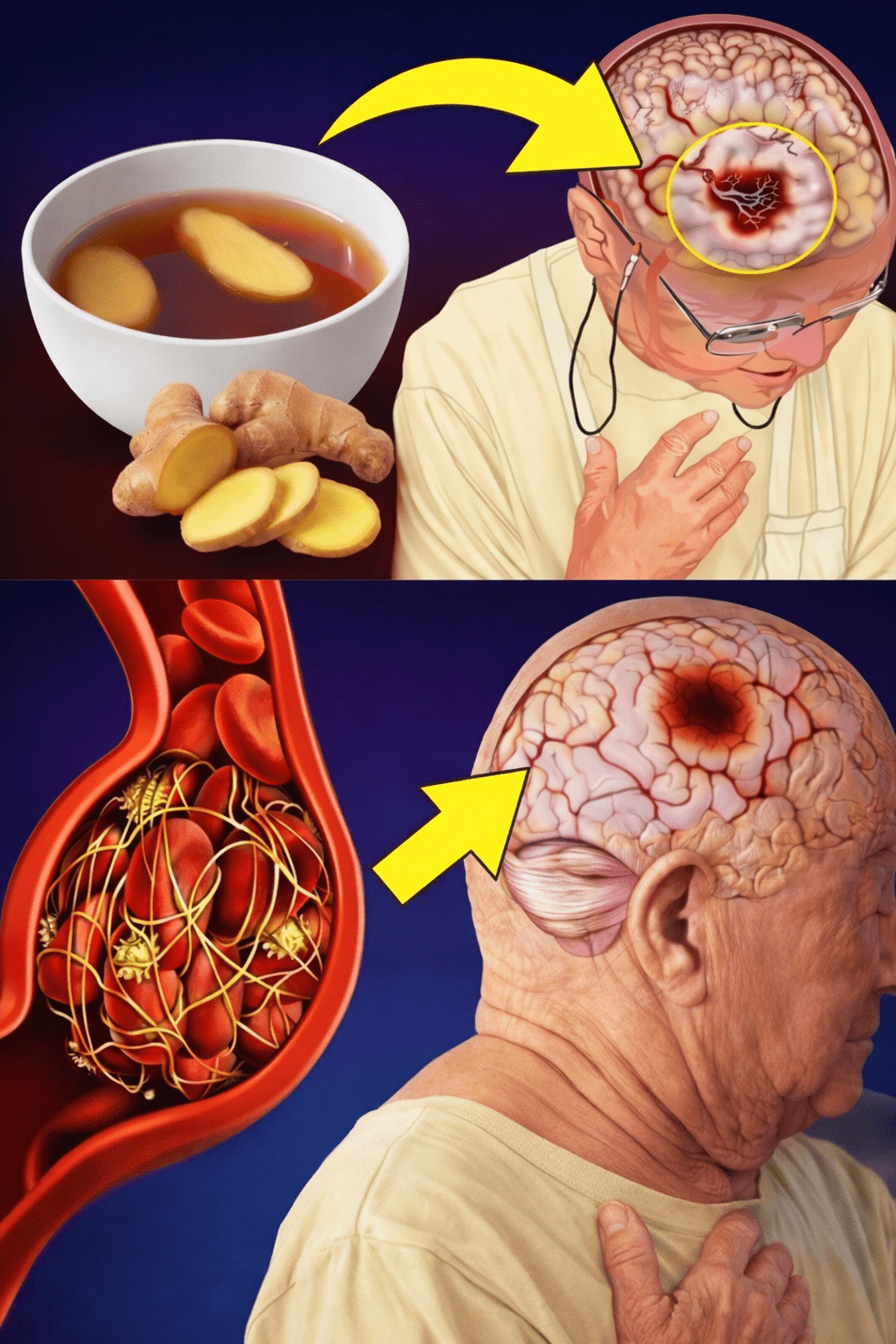
What Makes Ginger Tea Interesting for Circulation Support?
Ginger has been used in traditional practices for centuries, thanks to its active compounds like gingerol and shogaol. These give ginger its distinctive spicy flavor and contribute to its antioxidant and anti-inflammatory properties.
Some studies suggest these compounds may help promote normal blood vessel function and support healthy platelet activity—the process that helps blood clot when needed. A systematic review in PLOS One looked at ginger’s potential effects on platelet aggregation and found mixed results, with some trials showing mild benefits while others noted no change.
But that’s not all. Research also points to ginger’s possible role in helping maintain healthy cholesterol levels and blood pressure, both important for overall heart function. Reviews, including one in Cureus, have highlighted how ginger consumption might support better lipid profiles, such as lower triglycerides.
This is where it gets interesting… Many people report feeling more energized after adding ginger tea to their routine, possibly due to these supportive effects.
Key Potential Benefits of Adding Ginger Tea to Your Day
Incorporating ginger tea could complement a heart-friendly lifestyle. Here’s a look at some areas where research shows promise:
- Supports Normal Circulation: Certain compounds in ginger may gently influence platelet function, helping maintain smooth blood flow. Lab and animal studies show anticoagulant-like properties, though human results are inconsistent and often seen at higher intakes.
- Promotes Heart Wellness: Clinical trials indicate ginger might help with blood pressure management and lipid balance. For example, some studies noted modest reductions in systolic and diastolic readings.
- Aids Digestion: Ginger is well-known for easing occasional nausea, bloating, or indigestion—great for after meals.
- Provides Anti-Inflammatory Support: Its natural compounds may help counter everyday inflammation linked to vascular health.
- Offers Antioxidant Protection: Ginger is rich in antioxidants that protect against oxidative stress.
Consistency seems key—moderate daily enjoyment over time may offer the most noticeable support.
Ginger Tea Compared to Low-Dose Aspirin: Key Differences
While both have been studied for circulation support, they’re not the same. Here’s a simple comparison:
| Aspect | Ginger Tea | Low-Dose Aspirin |
|---|---|---|
| How It Works | Mild influence on platelet function through natural compounds like gingerol | Strongly inhibits platelet aggregation |
| Potential Side Effects | Usually mild, like occasional heartburn at high amounts | Stomach irritation or bleeding risk |
| Daily Incorporation | Easy as a soothing beverage | Typically requires doctor oversight |
| Research Evidence | Mixed; some supportive studies, others show limited or no effect | Well-established for specific uses |
| Extra Perks | Digestion support, warmth, flavor | Primarily focused on platelet effects |
Sources like Medical News Today note that ginger contains salicylates (similar to aspirin’s component), but its action is much milder and not equivalent. Ginger tea isn’t a replacement—always consult your doctor.
How to Prepare Fresh Ginger Tea at Home: A Step-by-Step Guide
Making ginger tea is quick and rewarding. Follow these easy steps:
- Start with fresh ginger root—about 1-2 inches (10-20 grams) for a strong brew.
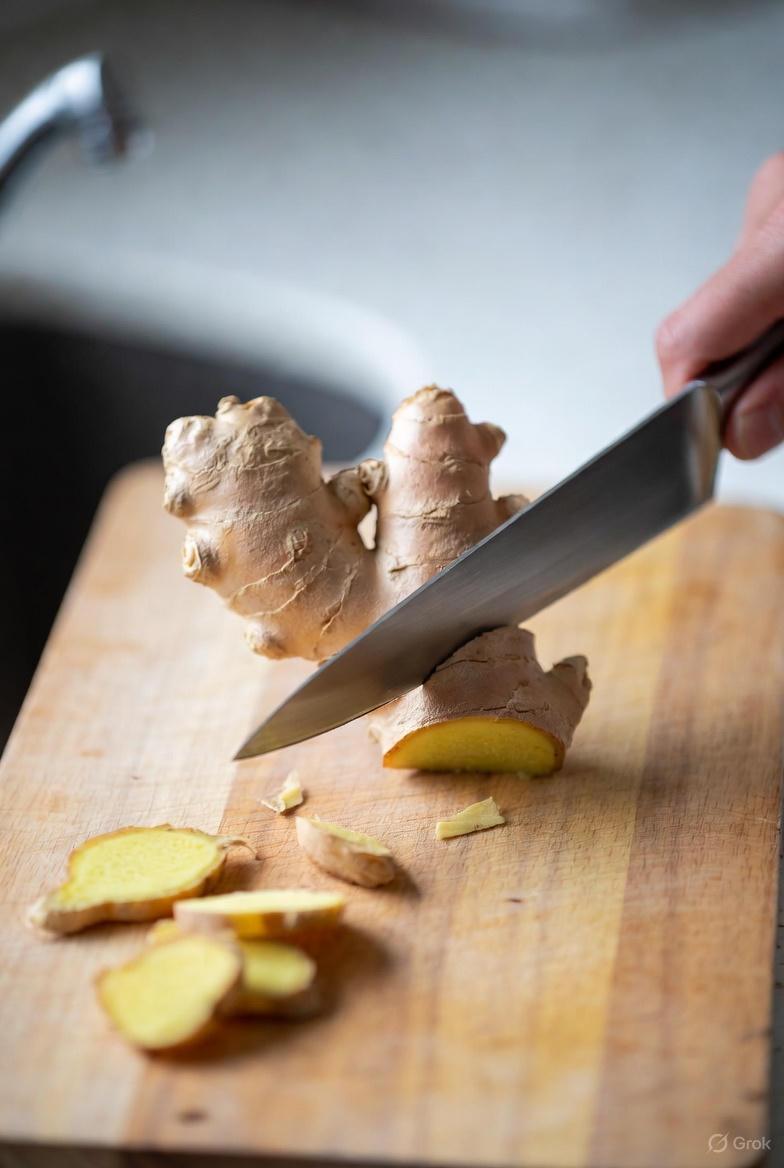
- Wash it well, peel if you prefer (though the skin adds nutrients), and slice thinly or grate.
- Bring 2-4 cups of water to a boil, add the ginger, then simmer on low for 10-20 minutes.
- Strain into a mug. Add lemon for a vitamin boost or honey for sweetness.
- Sip warm and enjoy the spicy kick.
Pro tip: For a cooler version, steep sliced ginger in cold water overnight in the fridge.
How Much Ginger Tea Is Generally Considered Safe?
Most sources suggest 1-3 cups daily is fine for many adults, delivering about 1-3 grams of ginger. Up to 4 grams per day is widely viewed as safe.
Begin with one cup to see how your body responds. If you’re on any medications—especially those affecting blood clotting—check with your healthcare provider, as ginger might interact in some cases.
Final Thoughts
Ginger tea is a flavorful, accessible way to potentially support circulation, inflammation balance, and heart health, with roots in tradition and growing research interest. Pairing it with healthy eating, movement, and stress reduction could amplify the benefits.
The real game-changer? Listening to your body and making it a mindful daily ritual—small habits often add up over time.
Frequently Asked Questions
Is it okay to drink ginger tea every day?
Yes, for most people, 1-3 cups daily is generally well-tolerated and may support digestion and overall wellness.
Can ginger tea take the place of medications for blood flow?
No—while it may provide mild natural support, it’s not a substitute. Always follow your doctor’s recommendations.
What if ginger tea causes mild discomfort?
Occasional heartburn can happen with larger amounts; try reducing your intake and speak to a professional if it continues.
Disclaimer: This article is for informational purposes only and is not medical advice. Ginger tea may support general wellness but is not intended to diagnose, treat, cure, or prevent any condition. Consult your healthcare provider before making changes, especially if you have health concerns, are pregnant, or take medications, as interactions are possible.


