
Many people notice their legs feeling heavy and tired by the end of the day, especially after long periods of sitting or standing. This discomfort can make even short walks feel challenging, and the swelling or subtle aches can disrupt sleep and daily energy. It’s a common issue that often builds quietly over time, leaving you wondering if there’s a natural way to feel lighter and more comfortable again.
The good news is that small, consistent changes—like focusing on nutrient-rich foods—can play a supportive role in promoting better circulation. One nutrient drawing attention from researchers is vitamin E, a powerful antioxidant found in everyday foods. But how exactly might it help, and what practical steps can you take? Keep reading to discover evidence-based insights and easy tips you’ll want to try right away.
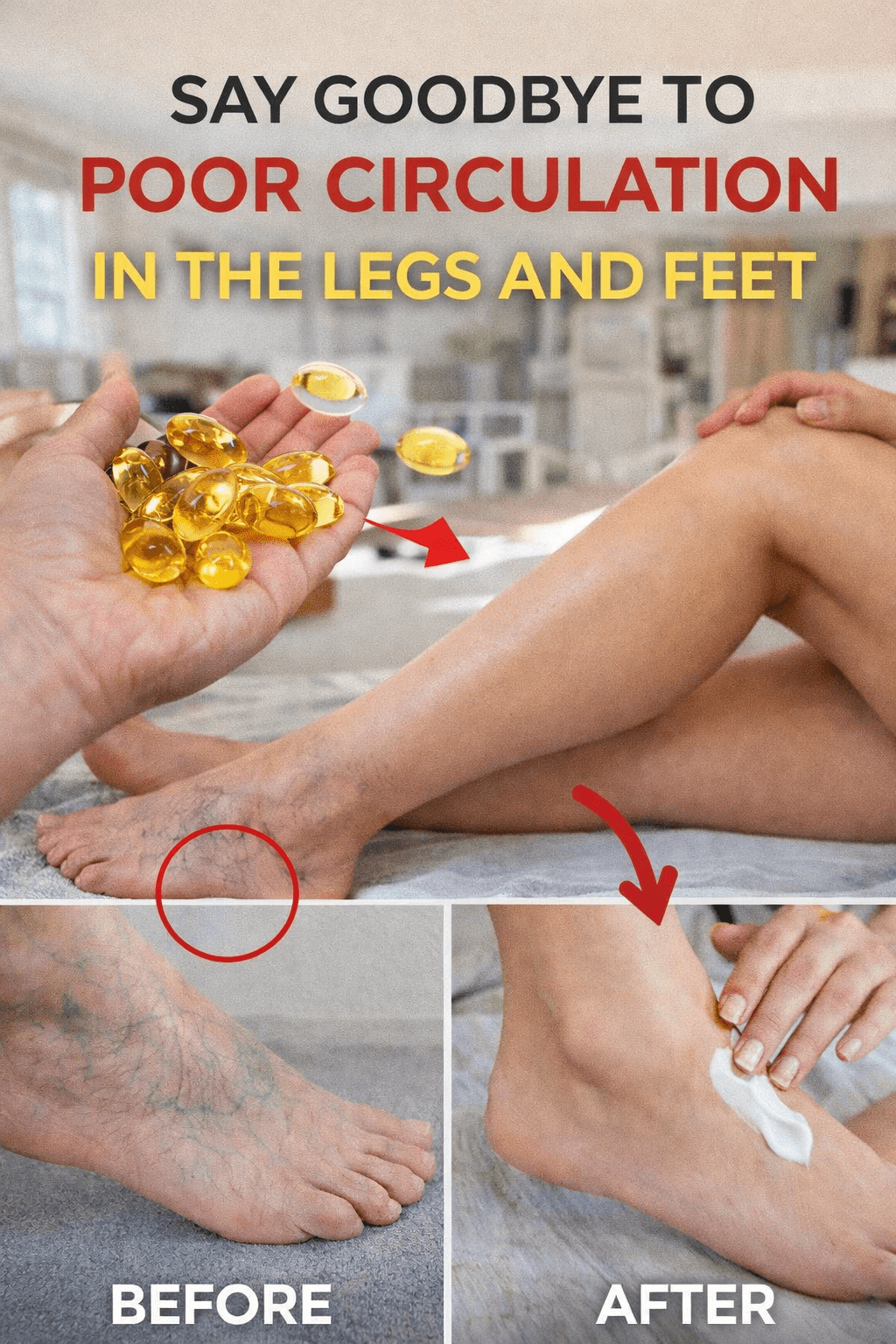
Understanding Common Signs of Poor Leg Circulation
Poor blood flow in the legs doesn’t always come with dramatic symptoms. Often, it starts with subtle hints that many dismiss as normal aging.
Common experiences include:
- A persistent feeling of heaviness in the legs
- Swelling around the ankles or calves
- Occasional cramps, especially at night
- Visible changes like more prominent veins
These signs can stem from everyday factors like prolonged inactivity, but they highlight the importance of supporting healthy circulation from within.
Research shows that oxidative stress and inflammation can affect blood vessel function over time. That’s where antioxidants like vitamin E come into play—they help neutralize free radicals that contribute to this stress.
But that’s just the beginning…
Why Vitamin E Is Worth Paying Attention To
Vitamin E has been studied for decades as a fat-soluble antioxidant that protects cells from damage. Beyond its well-known role in skin health, emerging research points to its potential benefits for vascular function.
Studies, including large trials like the Women’s Health Study involving nearly 40,000 participants, suggest that vitamin E may help inhibit platelet aggregation—a process where blood cells stick together. This could support smoother blood flow and contribute to overall circulatory comfort.
Animal and human research also indicates vitamin E may promote the release of prostacyclin, a compound that helps blood vessels relax and acts as a natural vasodilator.
Here’s the interesting part: many adults don’t get optimal amounts from diet alone, even though needs can increase with age.
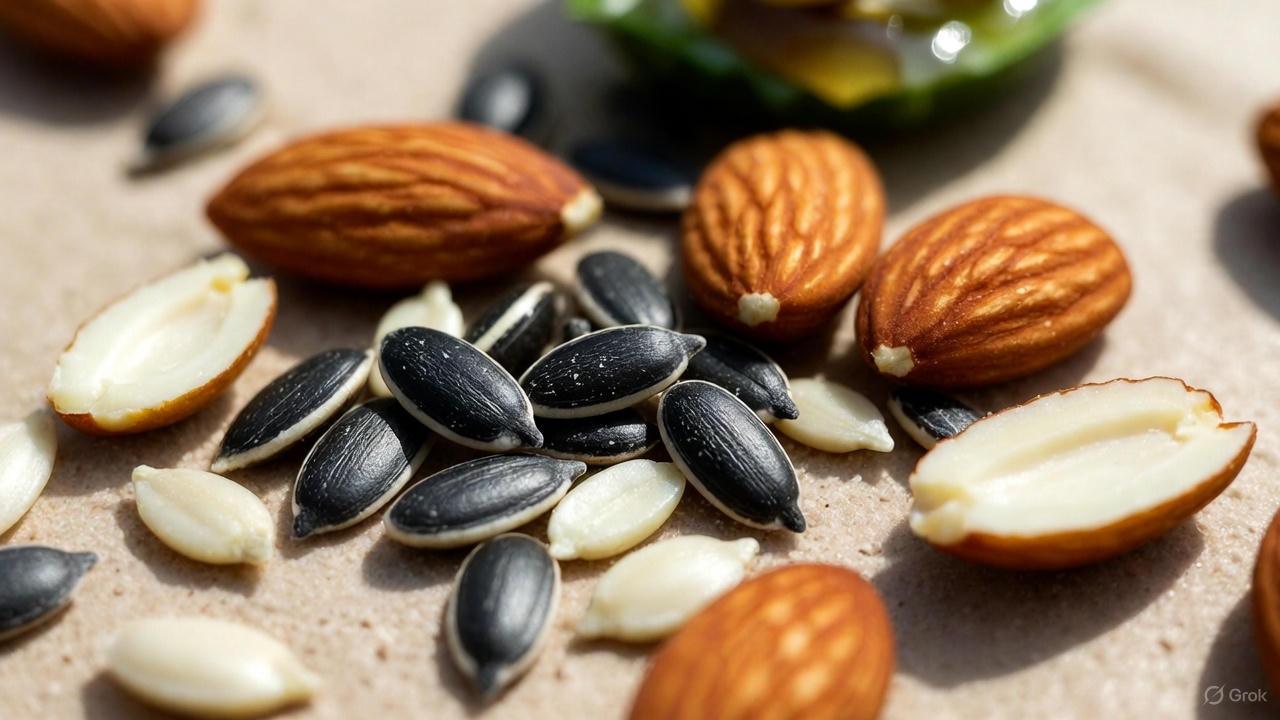
Key Ways Vitamin E May Support Leg Comfort and Circulation
Researchers have explored several mechanisms by which vitamin E could benefit blood vessel health. Here are some highlighted in scientific reviews:
- Antioxidant protection: Reduces oxidative stress on blood vessel walls, helping maintain their flexibility.
- Support for vessel relaxation: May boost nitric oxide production, allowing vessels to widen for better flow.
- Mild influence on platelet function: Helps prevent excessive stickiness, promoting easier circulation.
- Reinforcement of tiny vessels: Strengthens capillaries, potentially reducing fluid buildup and swelling.
A review in the journal Life noted vitamin E’s role in preventing lipid oxidation and supporting endothelial health—the lining of blood vessels.
Of course, vitamin E works best as part of a balanced approach, not in isolation.
Top Food Sources Rich in Vitamin E
The best way to boost vitamin E intake is through whole foods. Aim for variety to get a mix of tocopherols, the different forms of this nutrient.
Here’s a quick comparison of excellent sources:
| Food | Approximate Vitamin E per Serving | Notes |
|---|---|---|
| Sunflower seeds (1 oz) | 10 mg | Easy snack; add to salads |
| Almonds (1 oz) | 7 mg | Portable and satisfying |
| Wheat germ oil (1 tbsp) | 20 mg | Great for dressings |
| Avocado (half) | 2-3 mg | Creamy addition to meals |
| Spinach (1 cup cooked) | 4 mg | Pair with healthy fats for absorption |
| Kiwi (1 medium) | 1-2 mg | Refreshing fruit option |
Prioritizing these can help you reach the recommended 15 mg daily for adults without supplements.
But that’s not all—combining them with other habits amplifies the benefits.
Practical Steps to Incorporate Vitamin E and Promote Leg Comfort
Ready to make changes? Start small for lasting results.
Follow these actionable tips:
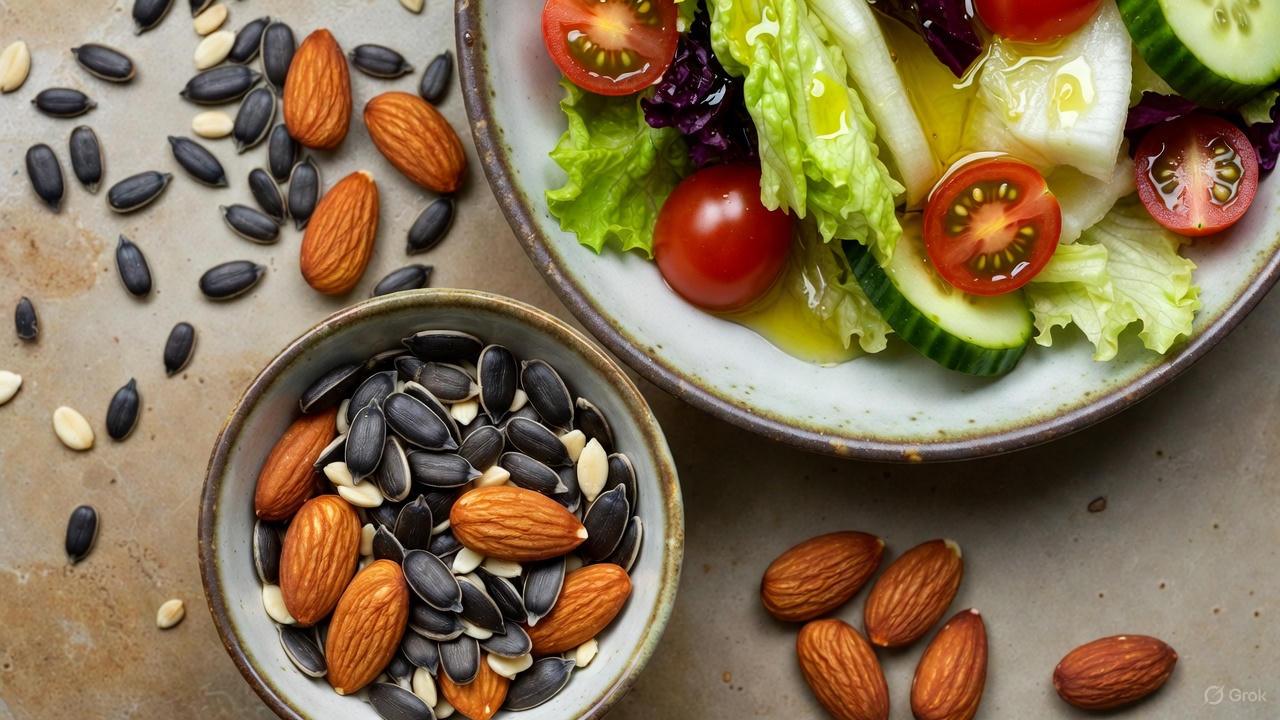
- Add a handful of almonds or sunflower seeds as a mid-afternoon snack.
- Drizzle wheat germ or sunflower oil on salads or veggies.
- Include leafy greens and avocado in at least one meal daily.
- Stay active with short walks—aim for 10 minutes every hour if you sit a lot.
- Elevate your legs for 15 minutes in the evening to encourage flow.
- Drink plenty of water to support overall circulation.
Consistency is key. Many people notice improved energy and less heaviness after a few weeks of these habits.
Research supports that regular movement paired with antioxidant-rich foods can make a meaningful difference.
Safety Considerations When Boosting Vitamin E
Vitamin E from food is generally safe and well-tolerated. However, high-dose supplements (over 400 IU daily) have been linked in some studies to increased bleeding risk, especially if combined with blood-thinning medications.
Always prioritize food sources first. If considering supplements, discuss with your healthcare provider, particularly if you have conditions affecting clotting or take related prescriptions.
Balance is everything—excess can sometimes counteract benefits.
Conclusion: Small Changes for Noticeable Comfort
Supporting healthy circulation in your legs starts with understanding the role of nutrients like vitamin E and building simple habits around them. By focusing on antioxidant-rich foods, staying active, and listening to your body, you can promote lightness and ease in daily life.
These steps aren’t about quick fixes but sustainable support for long-term well-being. Start with one or two today, and build from there.
Frequently Asked Questions
What is the daily recommended amount of vitamin E for adults?
Most adults need about 15 mg (22 IU) per day from natural sources, according to health authorities like the National Institutes of Health.
Can I get enough vitamin E from food alone?
Yes, a varied diet with nuts, seeds, oils, and greens typically provides sufficient amounts without needing supplements.
Are there any foods to avoid when increasing vitamin E?
No specific foods to avoid, but ensure healthy fats are included since vitamin E is fat-soluble and absorbs better with them.
This article is for informational purposes only and is not intended as medical advice. Always consult a qualified healthcare provider for personalized recommendations, especially if you have health conditions or take medications.


