
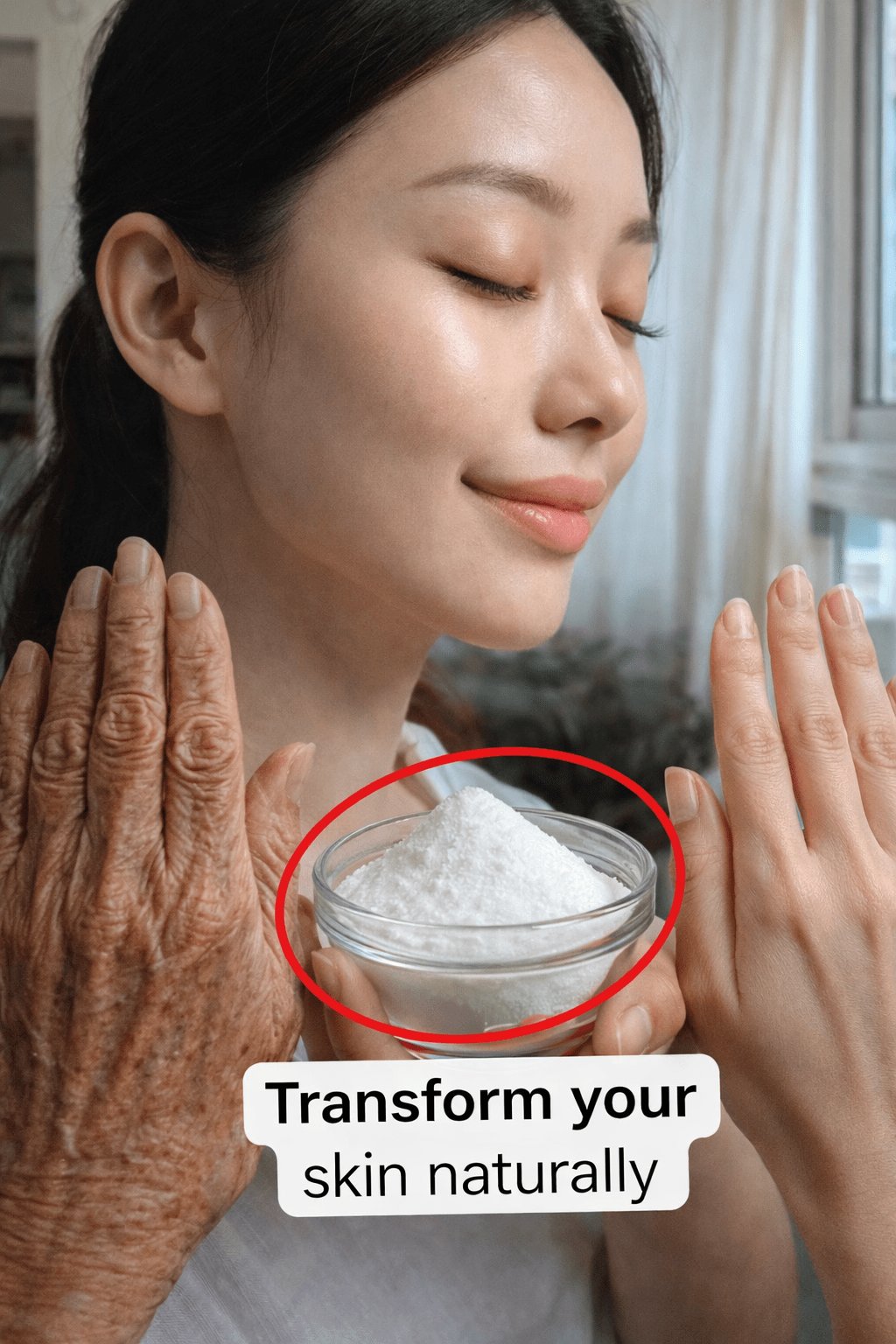
Many women over 50 notice their skin feeling drier, duller, and less radiant than it used to. Those subtle changes in texture and tone can make everyday moments in front of the mirror feel a bit discouraging. You might find yourself trying various products, hoping for that fresh, smooth feel again. But what if something as common as baking soda could offer a gentle way to support your skin’s appearance? Keep reading to uncover what experiences and general insights suggest about this everyday staple—and why caution is key.
Understanding Common Skin Changes with Age
As we get older, skin naturally goes through shifts. Collagen and elastin production slow down, leading to less firmness. Dead skin cells can build up more easily, contributing to a rougher texture or uneven tone.
Research shows that gentle exfoliation can help remove those buildup layers, potentially revealing brighter skin underneath. Many people look for natural, at-home options to incorporate into their routines.
But not all methods are equal. Harsh scrubbing can irritate, while milder approaches might feel more comfortable.
This is where baking soda enters the conversation for some.
What Is Baking Soda and How Might It Work on Skin?
Baking soda, or sodium bicarbonate, is a mild alkaline substance often found in kitchens. It’s known for its fine texture, which can act as a physical exfoliant when mixed into a paste.
Some users report that it helps buff away dull flakes, leaving skin feeling softer and temporarily smoother. Its oil-absorbing properties might also give a matte look for a few hours.
Anecdotal experiences shared online describe a refreshed feel after occasional use, especially when diluted.
However, experts note its pH (around 9) differs from skin’s natural slightly acidic balance (about 4.5-5.5). Studies indicate that alkaline substances can temporarily shift this balance, potentially leading to dryness if overused.
Dermatologists often recommend proceeding with care, as individual skin responses vary.
But that’s not the full picture—let’s look at potential perks others have noticed.
Potential Ways Baking Soda Might Support Skin Appearance
Here are some commonly shared observations from people trying baking soda as part of their routines:
- Temporary oil absorption: It may help mattify shiny areas, making texture appear more even for a short time.
- Gentle buffing action: The fine grains can polish rough patches, promoting a softer touch.
- Brighter look after rinsing: Removing surface buildup might allow light to reflect better.
- Smaller-looking pores temporarily: Cleansing action could refine appearance briefly.
- Softer feel overall: Many describe skin as smoother right after use.
These are based on personal stories and general exfoliation benefits. Scientific evidence specifically for facial use is limited, with most sources emphasizing moderation.
The most interesting part? How people combine it safely.
Comparing Baking Soda to Other Exfoliation Options
To help decide what might fit your routine, here’s a simple comparison:
| Aspect | Baking Soda Pastes | Typical Physical Scrubs (e.g., sugar/salt) | Chemical Exfoliants (e.g., AHAs like glycolic acid) |
|---|---|---|---|
| Action | Mild physical buffing | Stronger abrasion | Gently dissolves dead cells |
| Potential Feel | Temporary smoothness, matte effect | Deeper polish | Even renewal over time |
| pH Impact | Alkaline, may shift balance temporarily | Often neutral | Acidic, closer to skin’s natural |
| Frequency Suggested | Occasional, 1-2 times weekly | Weekly | Daily or weekly, depending on strength |
| Cost | Very low | Moderate | Higher |
Gentler alternatives like oatmeal or enzyme-based options are often favored for sensitive skin.
Safe Ways to Explore Baking Soda If You’re Curious
If you decide to try it after consulting a professional, start slow. Here’s a common approach shared by users:
- Patch test first: Apply a small diluted amount to your inner arm and wait 24 hours.
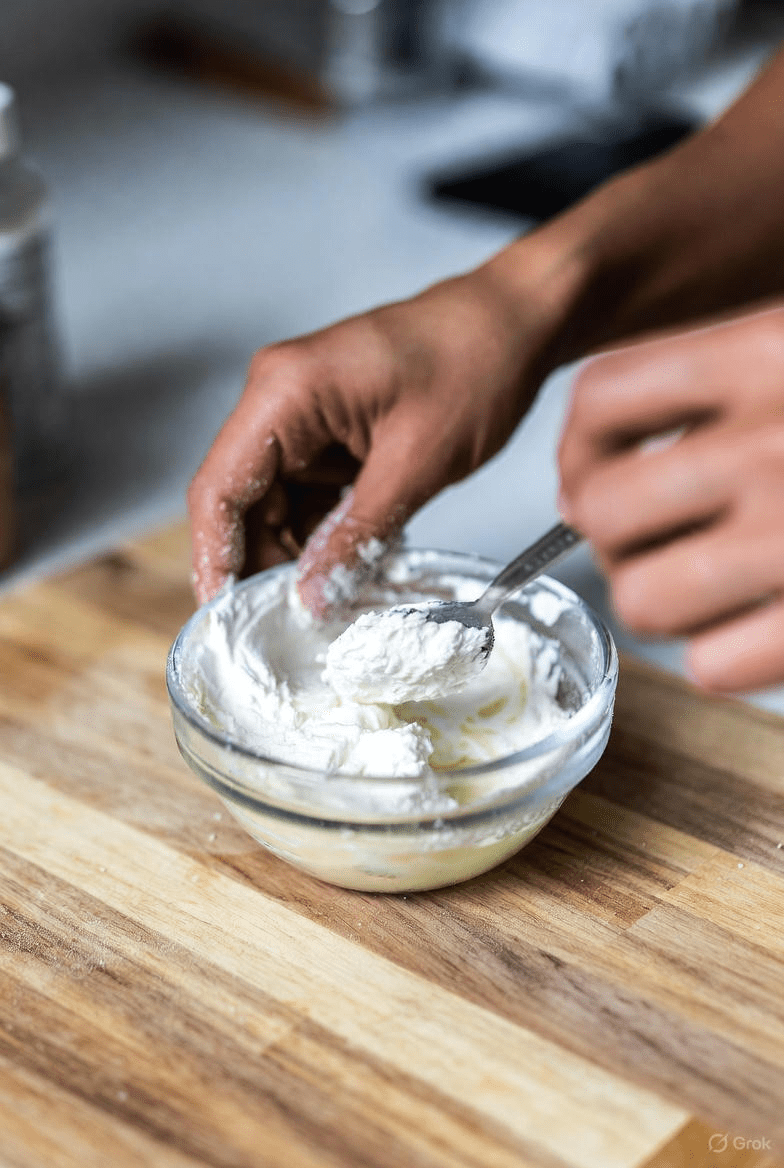
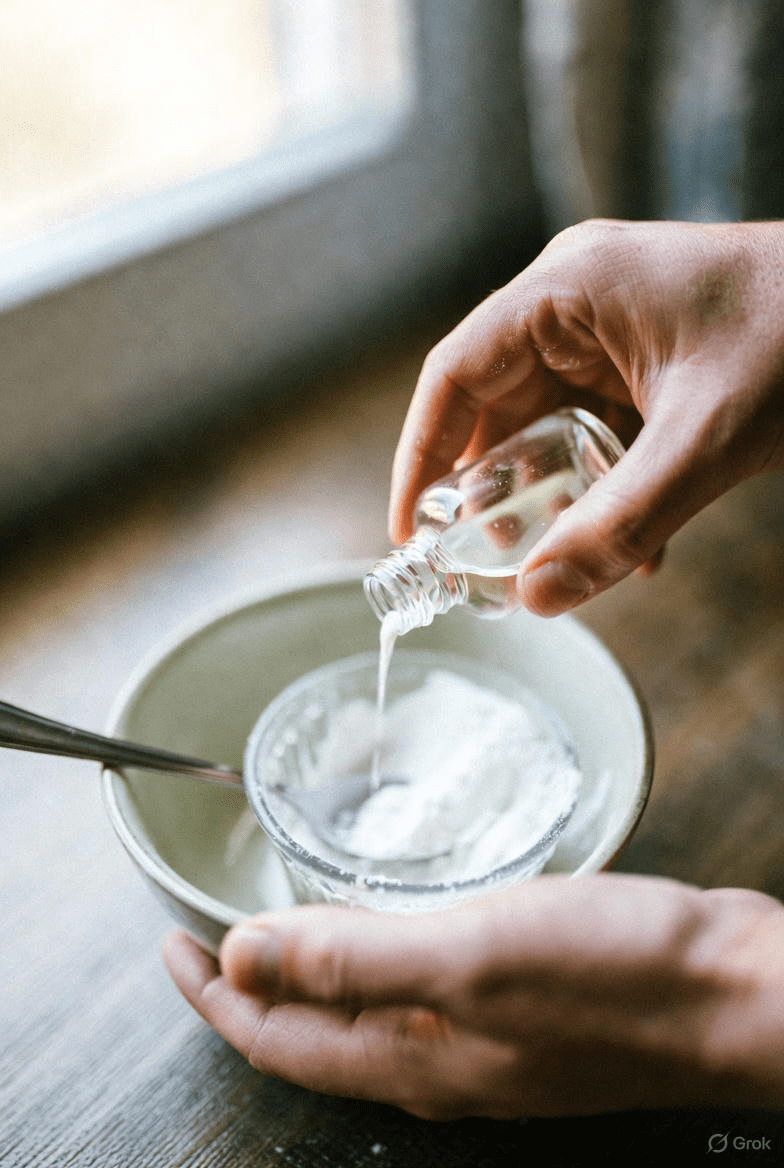
- Mix gently: Combine 1 teaspoon baking soda with 2 teaspoons water, honey, or coconut oil for a paste.
- Apply lightly: On clean, damp skin, massage in circular motions for 30-60 seconds, avoiding eyes.
- Limit time: Leave on no more than 5-10 minutes.
- Rinse thoroughly: Use lukewarm water and pat dry.
- Moisturize immediately: Follow with a gentle hydrator and sunscreen.
Monitor how your skin responds—stop if any discomfort occurs.
Many pair it with soothing ingredients to offset potential dryness.
Why Experts Often Suggest Alternatives
While some find occasional use helpful, dermatologists frequently advise against regular facial application. The pH difference can disrupt the skin’s protective barrier, leading to irritation, redness, or increased sensitivity over time.
Research on skin pH highlights the importance of maintaining that acidic mantle for barrier health. Safer exfoliants, like those with jojoba beads or fruit enzymes, provide similar buffing without the risks.
If dullness or texture concerns persist, personalized advice from a skincare professional can guide better options.
Real Experiences: What Some People Share
Sarah, in her late 60s, tried a diluted baking soda paste weekly and noticed her skin felt softer temporarily. She always followed with moisturizer.
Another user, Anna, combined it with oil and used it sparingly, reporting a quick refreshed feel.
These are individual stories—results aren’t guaranteed, and many emphasize starting cautiously.
The key takeaway? Listening to your skin matters most.
Wrapping Up: Finding What Works for Your Skin
Exploring gentle, at-home ideas like baking soda can be part of discovering your routine. Occasional use might offer a temporary smooth or bright appearance for some, thanks to its exfoliating texture.
But with limited strong evidence and potential for disruption, many experts lean toward proven, pH-balanced products.
Prioritize what feels good and supports your skin long-term. Small, consistent habits—like moisturizing and sun protection—often make the biggest difference.
Frequently Asked Questions
Is baking soda safe to use on the face every day?
No, most sources recommend against daily use due to potential pH shifts and dryness. Limit to occasional if trying.
Can baking soda help with uneven skin tone?
It might temporarily brighten by removing surface cells, but gentler exfoliants are often suggested for sustained evenness.
What should I do if my skin feels dry after trying it?
Stop use, hydrate well, and consider soothing ingredients like aloe. Consult a professional if irritation lingers.
This article is for informational purposes only and is not medical advice. Always consult your healthcare provider or dermatologist before trying new skincare practices, especially if you have sensitive skin or conditions. Individual results vary.


