
Many people take amlodipine faithfully every day to help manage their blood pressure, yet sometimes wonder why they still experience occasional dizziness, swelling in the ankles, or unpredictable fluctuations. These moments can feel frustrating, especially when you’re doing everything you can to stay on top of your health. The good news is that certain common habits, foods, or over-the-counter items might influence how your body responds to the medication—and small adjustments could make a real difference. But here’s the encouraging part: by becoming more aware of these factors, you gain greater control over feeling steady and energized. And keep reading, because one of the most surprising insights near the end could change how you approach your daily routine.
Why Being Mindful of These Factors Matters
Amlodipine is a widely used calcium channel blocker that helps relax blood vessels, making it easier for blood to flow and supporting healthy blood pressure levels. Research shows it can be effective for many people when combined with lifestyle awareness.
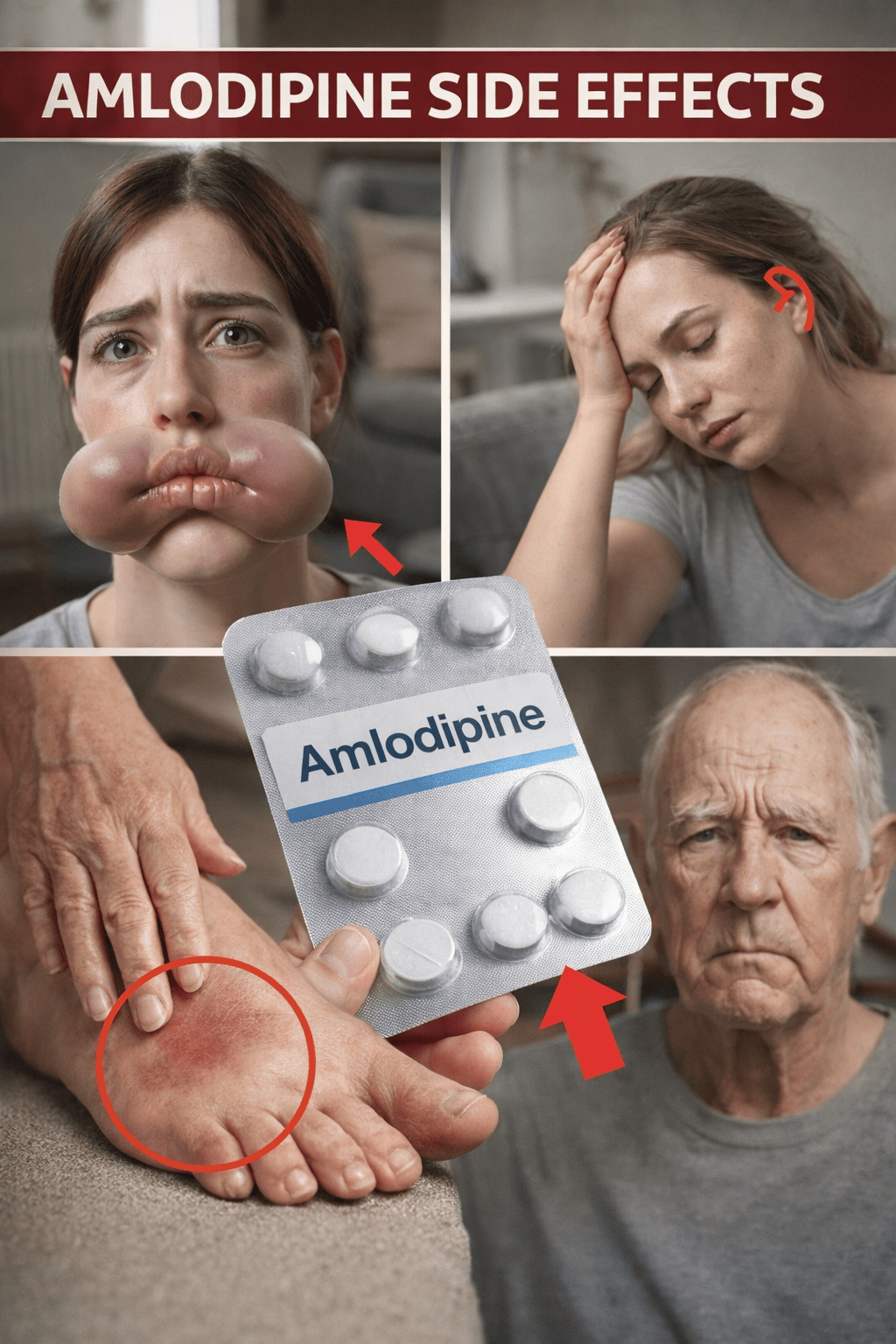
However, everyday choices—like what you eat, drink, or even how you move—can sometimes affect blood vessel relaxation or fluid balance. This might lead to common experiences such as:
- Mild swelling in the legs or ankles
- Occasional lightheadedness
- Headaches or fatigue
Understanding these can help you support your medication’s efforts rather than unintentionally counteracting them. Let’s explore some key areas to consider.
Grapefruit and Grapefruit Juice: A Well-Known Interaction
Grapefruit contains natural compounds that can interfere with enzymes in the liver responsible for processing amlodipine. Studies, including those published in medical journals, have shown this can lead to higher levels of the medication in the bloodstream, potentially amplifying side effects like dizziness.
Many reliable sources, such as Healthline and the NHS, recommend limiting or avoiding grapefruit products while on amlodipine. Even small amounts occasionally might not cause issues for everyone, but consistency helps.
If you enjoy citrus, alternatives like oranges or lemons don’t have the same effect.
Excessive Alcohol: Moderation Is Key
Alcohol can temporarily relax blood vessels further, and when combined with amlodipine, this might cause a noticeable drop in blood pressure, leading to feelings of unsteadiness.
Guidelines from sources like Drugs.com note that while moderate amounts are often fine, heavier drinking could enhance dizziness or lightheadedness.
A simple tip: If you choose to drink, do so slowly and with food, and pay attention to how you feel.
Certain Herbal Supplements Like St. John’s Wort
St. John’s wort, often used for mood support, can speed up how the liver processes amlodipine, potentially making it less effective over time.
Multiple drug interaction checkers, including Drugs.com, classify this as moderate, suggesting consultation before combining.
Always check labels on herbal teas or supplements, as some may contain it unexpectedly.
Over-the-Counter Pain Relievers Like NSAIDs
Common pain relievers such as ibuprofen or naproxen can cause the body to retain fluid or slightly raise blood pressure in some people, which might counteract amlodipine’s benefits.
Research and sources like Medical News Today indicate this interaction can affect kidney function or blood pressure control with long-term use.
Acetaminophen is often a safer alternative for occasional pain—talk to your doctor about options.
High-Sodium Foods: Watch the Salt
While not a direct interaction, excessive sodium can promote fluid retention, making swelling or blood pressure harder to manage.
General hypertension guidelines, including from Mayo Clinic, emphasize that a lower-sodium approach supports medications like amlodipine.
Common sources include processed foods, canned items, and restaurant meals.
Here are some everyday swaps:
- Choose fresh vegetables over canned
- Use herbs and spices instead of salt for flavor
- Read labels—aim for under 2,300 mg sodium daily, or less if advised
Real Licorice (Containing Glycyrrhizin)
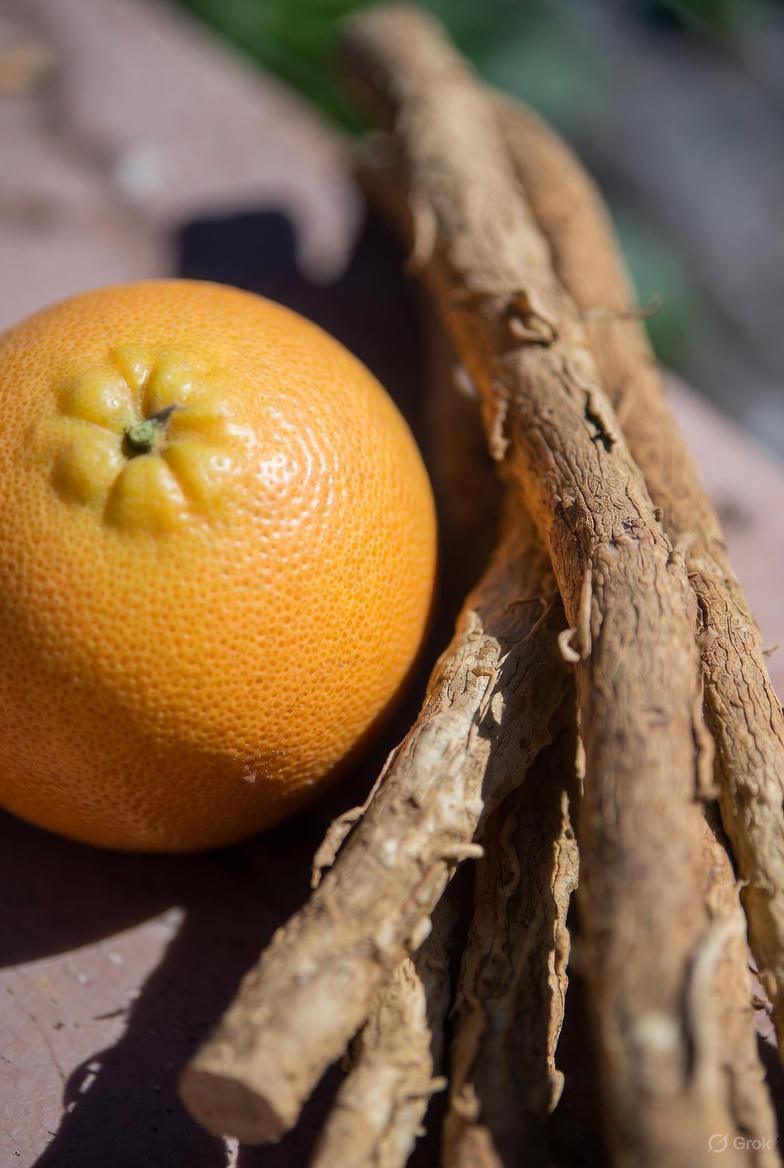
Not the candy flavor, but real black licorice or products with glycyrrhizin can affect fluid balance and potassium levels, potentially raising blood pressure.
Interaction databases note this can oppose blood pressure management efforts.
Check ingredients in teas, candies, or herbal remedies.
Stimulant-Heavy Drinks Like Some Energy Drinks
High-caffeine or stimulant drinks can temporarily increase heart rate or blood pressure, working against vessel relaxation.
While moderate coffee is usually okay for most, energy drinks with extra ingredients might feel more noticeable.
Monitor how you feel after consuming them.
Smoking: A Habit Worth Reconsidering
Smoking tightens blood vessels, which can make it harder for amlodipine to do its job effectively.
Studies show smoking impacts arterial health, and quitting supports better overall blood pressure control.
Even small reductions can help—resources are available if you’re ready to try.
Sudden Position Changes or Dehydration
Amlodipine relaxes vessels, so standing up quickly might cause a brief head rush. Dehydration can intensify this.
Staying hydrated and rising slowly helps many people feel steadier.
Drink water throughout the day, especially in warm weather.
Large or Irregular Meals: Finding Balance
Very heavy meals or skipping them entirely can affect blood flow or sugar levels, sometimes leading to fluctuations.
Eating balanced, regular meals supports stable energy and circulation.
Comparison Table: Common Factors and Why They Matter
| Factor to Consider | Potential Influence | Simple Adjustment Tip |
|---|---|---|
| Grapefruit products | May increase medication levels | Switch to other fruits |
| Excessive alcohol | Can enhance dizziness | Drink moderately with food |
| St. John’s wort | May reduce effectiveness | Consult before using herbs |
| NSAIDs (e.g., ibuprofen) | Fluid retention or BP effects | Try acetaminophen instead |
| High-sodium foods | Promotes swelling | Flavor with herbs/spices |
| Real licorice | Affects fluid balance | Check labels carefully |
| Energy drinks | Temporary stimulant effects | Limit or choose lower-caffeine options |
| Smoking | Tightens vessels | Seek support to reduce or quit |
| Dehydration | Intensifies lightheadedness | Sip water regularly |
| Sudden movements/irregular meals | BP or energy fluctuations | Rise slowly; eat balanced meals |
Practical Steps to Support Your Routine
Here are actionable ideas you can start today:
- Read labels on foods, drinks, and supplements
- Stay hydrated with plain water as your main drink
- Rise slowly from sitting or lying down
- Choose fresh, whole foods more often
- Track how you feel and note patterns
- Discuss any over-the-counter items with your pharmacist
These aren’t about perfection—they’re gentle tweaks for better daily comfort.
Final Thoughts
Small awareness of these everyday factors can help you feel more in control and supported by your medication. Many people notice improved steadiness with mindful choices.
Frequently Asked Questions
Can I still drink coffee while taking amlodipine?
Moderate coffee is generally fine for most people, as there’s no strong direct interaction. Pay attention to your personal response and limit if it affects you.
Is it okay to take ibuprofen occasionally for pain?
Occasional use might be alright, but regular use could impact blood pressure control. Always check with your doctor for alternatives.
How much salt is too much?
Guidelines suggest aiming for no more than 2,300 mg daily, or lower for better support—your doctor can personalize this.
This article is for informational purposes only and is not a substitute for professional medical advice. Always consult your healthcare provider for guidance tailored to your situation.


