
Living with the worry of cancer risk can feel overwhelming, especially when it runs in the family or when health news constantly reminds us of rising cases. The uncertainty drains your energy, leaving you searching for small ways to feel more in control without drastic changes. What if simple additions to your daily meals could offer subtle support backed by science? Keep reading to discover an unexpected top choice that surprises many people.
Many of us want to make smarter choices for long-term wellness, but sorting through conflicting advice is exhausting. Research continues to explore how certain nutrient-rich foods might play a role in promoting better health. Today, we’ll look at 11 accessible options that studies link to potential benefits like reduced inflammation and stronger cellular protection.
These aren’t miracle solutions—just everyday items you can easily incorporate. Let’s dive in.

Why Focus on Food for Wellness Support?
A balanced diet full of whole foods provides essential vitamins, minerals, and antioxidants that help your body function at its best. Studies, including large reviews in journals like the American Journal of Clinical Nutrition, show that people who eat more plant-based foods tend to have lower risks for certain health issues.
The good news? You don’t need exotic ingredients. Many supportive foods are already in your pantry or local store.
But that’s just the start. Here’s the full list, counting down from 11 to 1.
#11: Nuts – A Handy Snack with Antioxidant Power
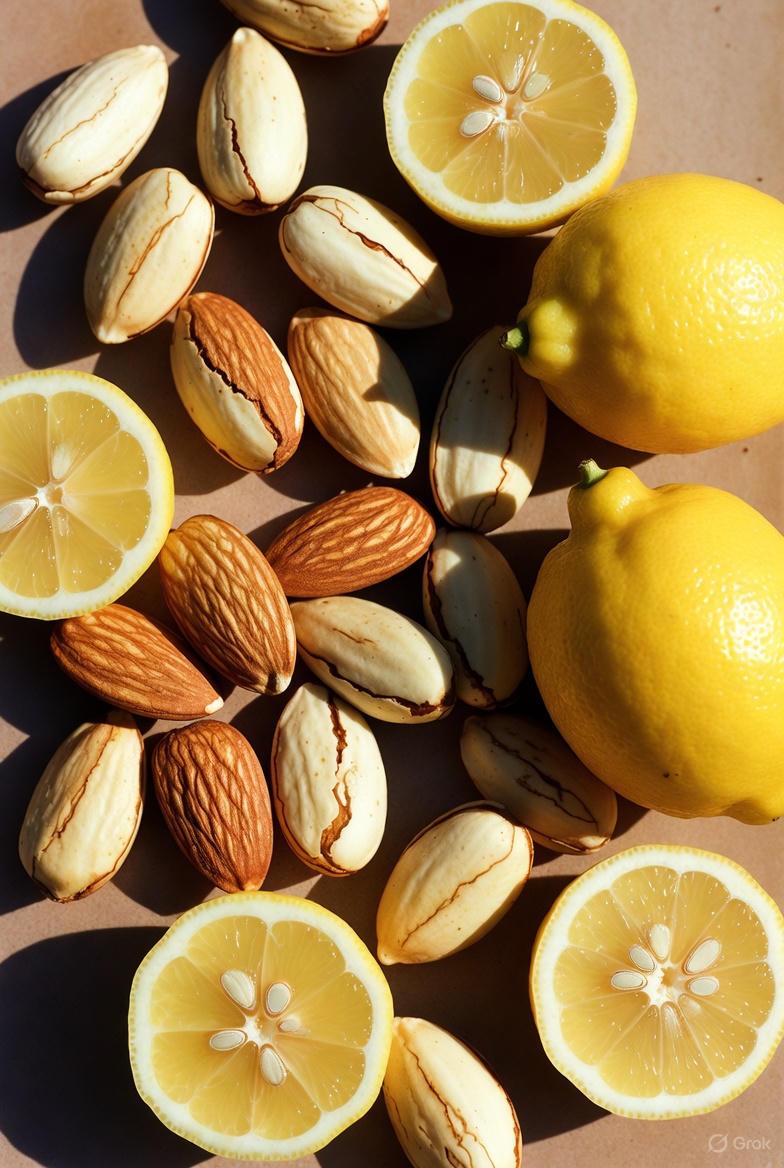
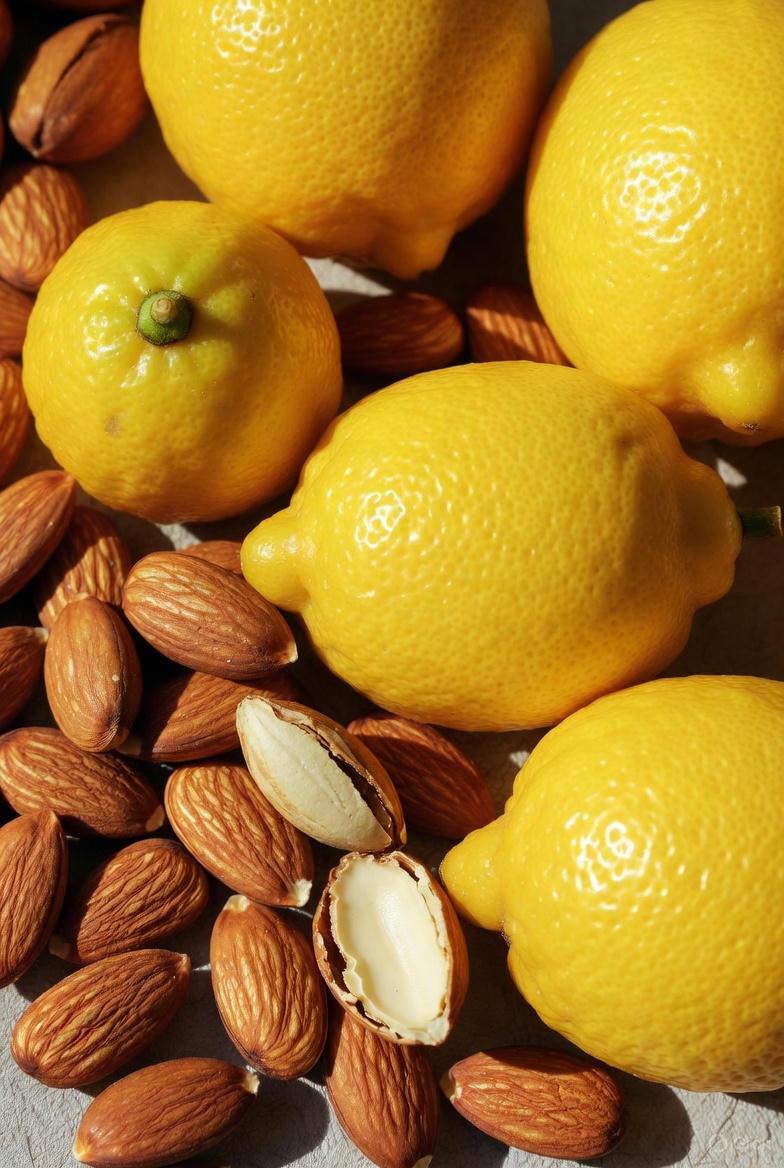
Nuts like almonds, walnuts, and Brazil nuts are packed with healthy fats and vitamin E. Research suggests that regular nut consumption may help lower inflammation, a factor in overall health.
One study in the Journal of Nutrition found that gamma-tocopherol, a type of vitamin E in nuts, supports cell protection in lab settings.
Try a small handful daily—about 1 ounce—to avoid extra calories.
#10: Lemons – Bright Citrus for Daily Refreshment
Starting your day with warm lemon water feels refreshing and hydrating. Lemons are rich in vitamin C and compounds like limonene, which animal studies link to potential immune support.
A review in Cancer Prevention Research highlights how citrus fruits contribute antioxidants that combat oxidative stress.
Squeeze half a lemon into water each morning for an easy habit.
But wait—the next one brings protein and fiber in a comforting way.
#9: Lentils – Affordable Protein with Folate Benefits
Lentils cook up into hearty soups or salads, offering plant-based protein and plenty of fiber. They’re loaded with folate, which supports DNA health, and studies associate higher legume intake with better gut wellness.
Research in Nutrients journal notes that compounds in lentils may promote healthy cell processes.
Soak them overnight for easier digestion, then add to meals twice a week.
#8: Soy Foods – Balanced Options Like Tofu and Edamame
Whole soy foods, such as tofu or edamame, provide isoflavones—plant compounds that may help balance hormones gently. A meta-analysis in PLOS One suggests moderate soy intake links to positive outcomes for some people.
Stick to minimally processed forms for the best nutrient profile.
Stir-fry tofu with veggies for a quick dinner upgrade.
Here’s a quick look at key nutrients in these legumes:
| Food | Standout Nutrient | Potential Support Area |
|---|---|---|
| Lentils | Folate | DNA maintenance |
| Soy | Isoflavones | Hormone balance |
| Lima Beans | Saponins | Cell health |
This comparison shows how each brings something unique.
#7: Lima Beans – Creamy Legumes Worth Rediscovering
Lima beans have a buttery texture perfect for salads or sides. They contain fiber and protease inhibitors that research ties to gut health benefits.
Studies indicate these compounds may help remove harmful substances from the body.
Cook them thoroughly and pair with grains for a complete meal.
The list shifts to grains next—simple swaps with big potential.
#6: Oats – Comforting Breakfast with Beta-Glucan Fiber
A warm bowl of oats provides steady energy thanks to beta-glucan, a soluble fiber. Research in the American Journal of Clinical Nutrition connects higher whole grain intake to better digestive health.
Oats also help stabilize blood sugar levels naturally.
Choose gluten-free if needed, and top with berries for extra flavor.
#5: Brown Rice – Nutrient-Dense Alternative to White Rice
Switching to brown rice keeps the bran layer intact, delivering more fiber and minerals. Studies link whole grains like this to reduced inflammation markers.
Rinse well before cooking to minimize any concerns about trace elements.
Use it as a base for stir-fries or bowls.
But an ancient grain takes it further—keep going.
#4: Spelt – Nutty Whole Grain for Versatile Meals
Spelt offers a chewy texture in breads or salads, with magnesium and fiber intact. Population studies show whole grain eaters often enjoy better long-term wellness markers.
It’s easier on digestion for some compared to modern wheat.
Try spelt flour in baking for a subtle upgrade.
#3: Amaranth – Tiny Gluten-Free Seed with Big Nutrients
Amaranth pops like mini popcorn or cooks into porridge. It’s alkaline-forming and provides complete protein without gluten.
Research in Food Chemistry highlights its antioxidant peptides.
Add it to soups for thickness and nutrition.
The next one is a favorite for many—versatile and quick.
#2: Quinoa – Fluffy Seed That Packs Complete Protein
Quinoa rinses clean and cooks fast, offering quercetin—an antioxidant flavonoid. Harvard reviews note that stable blood sugar from protein-rich meals supports overall energy.
It’s naturally gluten-free and pairs well with anything.
Make a big batch for meal prep salads.
And now, the top spot goes to…
#1: Millet – Gentle Gluten-Free Grain for Everyday Use
Millet stands out for its mild flavor and quick cooking time. As an alkaline grain, it provides fiber that supports healthy estrogen metabolism, per some nutritional research.
It’s versatile in porridges, pilafs, or even baked goods.
Many people find it soothing on digestion—perfect for regular rotation.
Here’s how to get started with these foods safely:
- Start small: Add one new item per week to avoid overwhelm.
- Portion wisely: Aim for variety rather than large amounts of one food.
- Prep simply: Rinse grains, soak beans, and choose fresh produce.
- Combine for balance: Pair with colorful veggies and lean proteins.
- Track your feelings: Note energy or digestion changes over time.
| Food | Easy Way to Add | Tip for Best Results |
|---|---|---|
| Nuts | Snack or salad topping | Unsalted, raw or dry-roasted |
| Lemons | In water or dressings | Organic if using peel |
| Lentils | Soups or sides | Soak overnight |
| Oats | Breakfast porridge | Steel-cut for more texture |
| Quinoa | Grain bowls | Rinse to remove bitterness |
| Millet | Porridge or pilaf | Toast lightly for nutty flavor |
These steps make incorporation feel achievable.
Wrapping It Up: Small Changes for Potential Long-Term Benefits
From crunchy nuts to versatile millet, these 11 foods offer nutrients that research suggests may support your body’s natural resilience. Focus on enjoyment and consistency rather than perfection.
Experiment with recipes, listen to your body, and celebrate the variety on your plate.
Frequently Asked Questions
Can these foods replace medical advice for cancer prevention?
No—these are supportive dietary ideas only. Always follow your doctor’s guidance and screening recommendations.
How much of these foods should I eat daily?
Moderation is key. Aim for a mix within a balanced diet, like a serving of grains or legumes per meal.
Are there any risks with adding these foods?
Most are safe for general populations, but check for allergies (e.g., nuts) or interactions if you have conditions like thyroid issues with soy.
This article is for informational purposes only and is not a substitute for professional medical advice. Please consult your healthcare provider before making dietary changes, especially if you have health concerns or are undergoing treatment.


