
Many people over 60 notice subtle changes in their vision, like struggling with dim lighting, feeling more eye strain after reading, or finding that colors seem a little less vibrant. These shifts can feel frustrating and make everyday activities less enjoyable. The worry about how these small issues might progress over time adds to the concern, especially when it seems like there’s little you can do beyond regular check-ups.
But here’s some encouraging news: research suggests that certain nutrient-rich foods, when incorporated into your routine—particularly in the evening—may help provide the building blocks your eyes need for daily maintenance. And the most interesting part? One of these foods might surprise you—keep reading to discover it at the end.

Why Focus on Evening Habits for Eye Health?
Your eyes are constantly working, even while you sleep, to repair and maintain delicate tissues like the retina and macula. Nutrients from food play a key role in this process.
Studies indicate that pairing these foods with a small amount of healthy fat can improve absorption of fat-soluble compounds like carotenoids. Eating them 45–120 minutes before bed allows time for digestion without disrupting sleep, while potentially supporting overnight nutrient delivery.
Consistency matters more than perfection—small, enjoyable additions over weeks and months add up.
8 Nutrient-Dense Foods Worth Considering in Your Evening Routine
Here are eight foods backed by research for their potential to support eye health. We’ll highlight key nutrients and practical ways to include them.
1. Sweet Potatoes: A Source of Beta-Carotene
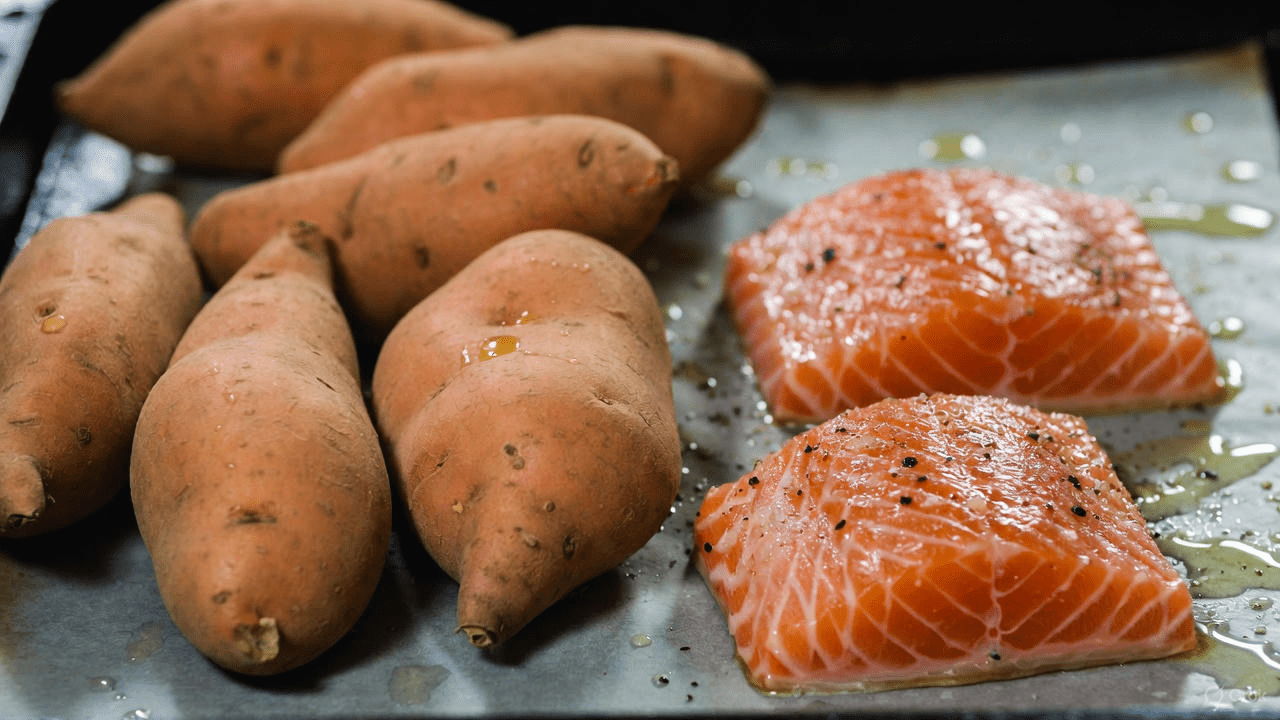
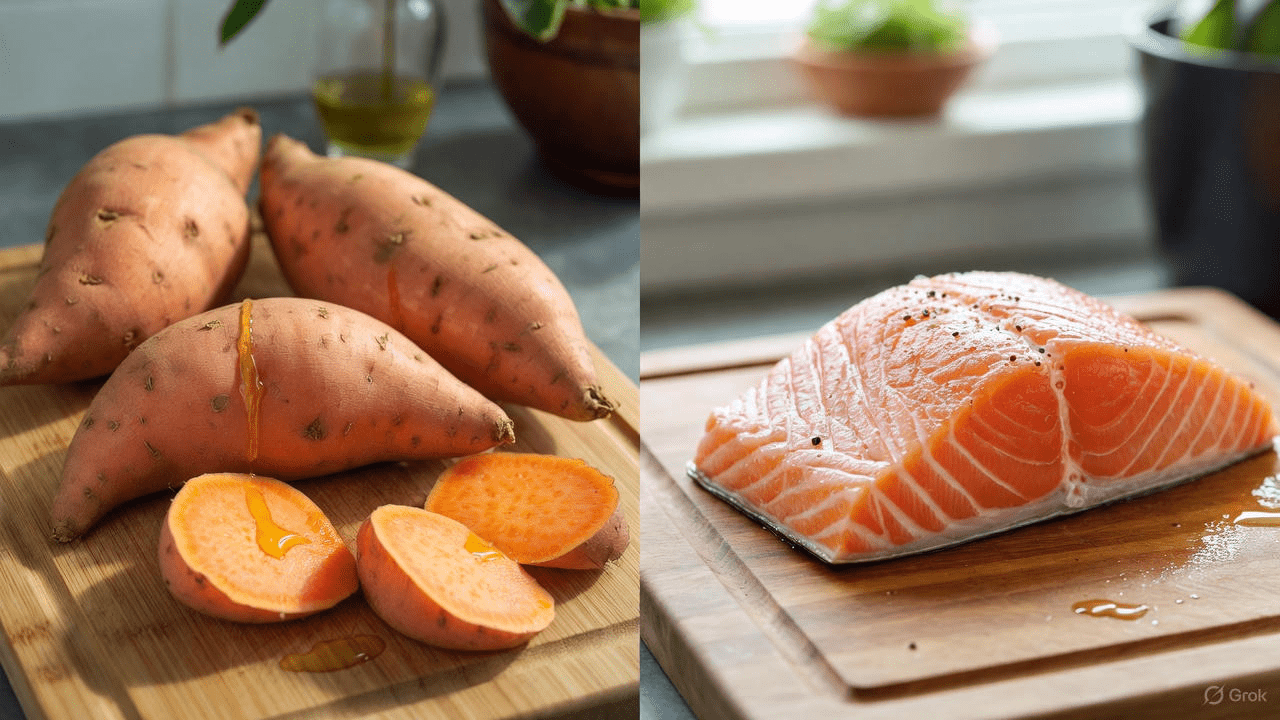
Sweet potatoes are rich in beta-carotene, which your body converts to vitamin A—an essential nutrient for low-light vision and overall retinal health.
Research, including large observational studies, links higher intake of beta-carotene-rich foods to better night vision support in older adults.
Tip: Bake one medium sweet potato with skin and a drizzle of olive oil 90–120 minutes before bed. The natural sweetness makes it a satisfying light snack.
2. Wild-Caught Salmon: Packed with Omega-3s
Fatty fish like salmon provides DHA, a type of omega-3 that forms a major part of retinal cell membranes.
Multiple studies, including those from the American Journal of Clinical Nutrition, associate regular omega-3 intake from fish with support for eye moisture and macular health in seniors.
Tip: Enjoy a small portion of baked salmon twice a week, perhaps 90 minutes before bed, paired with greens.
3. Goji Berries: Rich in Zeaxanthin
These small berries are one of the highest natural sources of zeaxanthin, a carotenoid that accumulates in the macula.
Clinical trials have shown that regular goji berry consumption can increase macular pigment density, which helps filter blue light.
Tip: Soak a handful (about 20–30g) and eat them plain or in herbal tea 60 minutes before bed.
4. Pasture-Raised Egg Yolks: Bioavailable Lutein and Zeaxanthin
Egg yolks offer lutein and zeaxanthin in a form that’s highly absorbable, thanks to natural fats.
Studies from Tufts University and others found that moderate egg consumption boosted macular pigment in older adults.
Tip: Soft-scramble one or two yolks with a bit of butter 60–90 minutes before bed—light and nourishing.
5. Bilberries: Loaded with Anthocyanins
Similar to blueberries but more concentrated, bilberries provide anthocyanins that support retinal blood vessels.
European research has explored their role in dark adaptation and vascular health in the eyes.
Tip: A small handful of fresh or frozen bilberries 120 minutes before bed—tart and refreshing.
6. Black Currants: Vitamin C and GLA
Black currants deliver high vitamin C plus gamma-linolenic acid (GLA), both linked to anti-inflammatory effects.
Some studies suggest benefits for eye circulation and clarity.
Tip: Half a cup fresh or in yogurt 90 minutes before bed.
7. Saffron: Unique Crocins
This spice contains crocin and crocetin, compounds studied for neuroprotective properties.
Italian clinical trials observed improvements in retinal function with small daily amounts.
Tip: Steep 15–20 threads in warm milk (golden milk) 60 minutes before bed—calming and aromatic.
8. Raw Cacao: Flavonoid Powerhouse
Pure raw cacao is rich in epicatechin flavonoids that support blood flow and cellular energy.
A University of Reading study noted benefits for visual processing in seniors with nightly cacao.
Tip: Mix 1–2 tablespoons unsweetened raw cacao into warm nut milk 45 minutes before bed—the surprise many people love.
Quick Comparison Table
| Food | Key Nutrients | Research Highlights | Suggested Timing Before Bed |
|---|---|---|---|
| Sweet Potatoes | Beta-carotene (Vitamin A) | Supports low-light vision | 90–120 minutes |
| Wild Salmon | DHA Omega-3 | Linked to eye moisture and macular support | 90 minutes |
| Goji Berries | Zeaxanthin | Increases macular pigment | 60 minutes |
| Egg Yolks | Lutein + Zeaxanthin | Boosts pigment density | 60–90 minutes |
| Bilberries | Anthocyanins | Aids retinal vessels | 120 minutes |
| Black Currants | Vitamin C + GLA | Anti-inflammatory effects | 90 minutes |
| Saffron | Crocin/Crocetin | Neuroprotective potential | 60 minutes |
| Raw Cacao | Epicatechin flavonoids | Improves visual processing | 45 minutes |
Simple Steps to Get Started Tonight
Choose 1–2 foods that appeal to you most.
Prepare a light portion 45–120 minutes before bed.
Pair with a healthy fat (like nuts, avocado, or olive oil) for better absorption.
Keep it enjoyable—consistency over weeks builds habits.
Track how your eyes feel in the morning for personal motivation.
Frequently Asked Questions
Can these foods replace eye drops or glasses?
No, they’re supportive habits alongside regular eye care, not replacements.
How soon might I notice differences?
Research shows changes build over weeks to months with consistency—patience is key.
Are there any risks for people on medications?
Some foods (like saffron) may interact with blood thinners—always check with your doctor first.
This information is for educational purposes only and is not a substitute for professional medical advice. Consult your eye doctor or healthcare provider before making dietary changes, especially if you have conditions like diabetes, glaucoma, or take medications.


