
In today’s fast-paced world, many adults face ongoing fatigue, occasional digestive issues, or a general sense of low energy that persists even with efforts to eat well and stay active. These subtle signs often stem from the daily demands placed on the liver, our body’s primary filter for toxins and nutrients. As modern lifestyles introduce more processed foods, stress, and environmental factors, it’s natural to seek gentle, natural ways to offer extra support for this vital organ. And that’s where milk thistle enters the conversation—with centuries of traditional use and ongoing research that reveals some intriguing possibilities we’ll explore ahead.
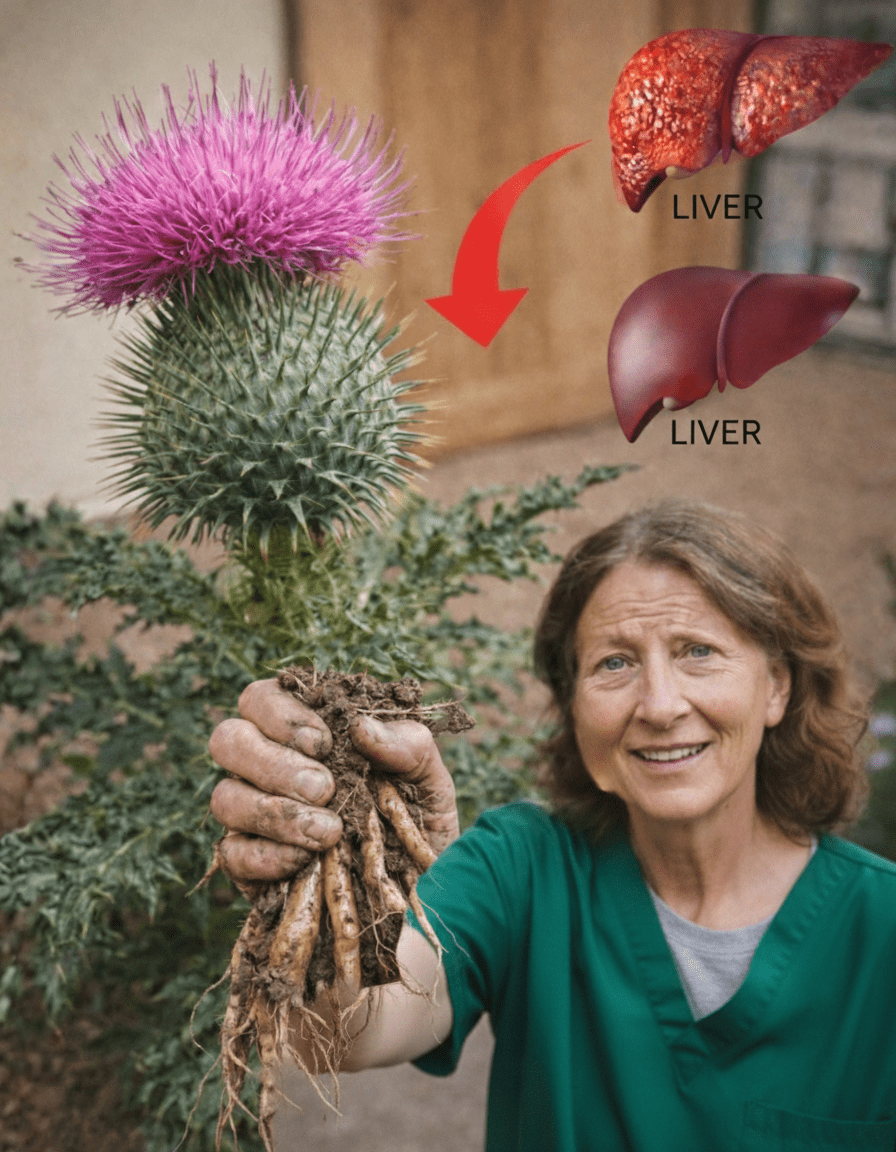
Understanding Today’s Common Liver Concerns
The liver plays a central role in processing everything we consume, from food to medications, while helping maintain energy and balance.
Over time, factors like diet choices, aging, and everyday stressors can add up, especially for those over 40.
Research shows that non-alcoholic fatty liver disease (NAFLD) affects approximately 30% of adults worldwide, often developing quietly without early noticeable symptoms.
Many experience unexplained tiredness or mild bloating linked to these changes.
The encouraging part? Studies have explored various natural compounds for their potential to promote healthy liver function.
One standout is milk thistle (Silybum marianum), a herb with a long history of use and a key component called silymarin that’s caught the eye of researchers.
But how exactly does it fit into everyday routines? Let’s take a closer look.
What Exactly Is Milk Thistle and Its Main Compound?
Milk thistle is a flowering plant from the daisy family, recognizable by its vibrant purple flowers and prickly leaves.
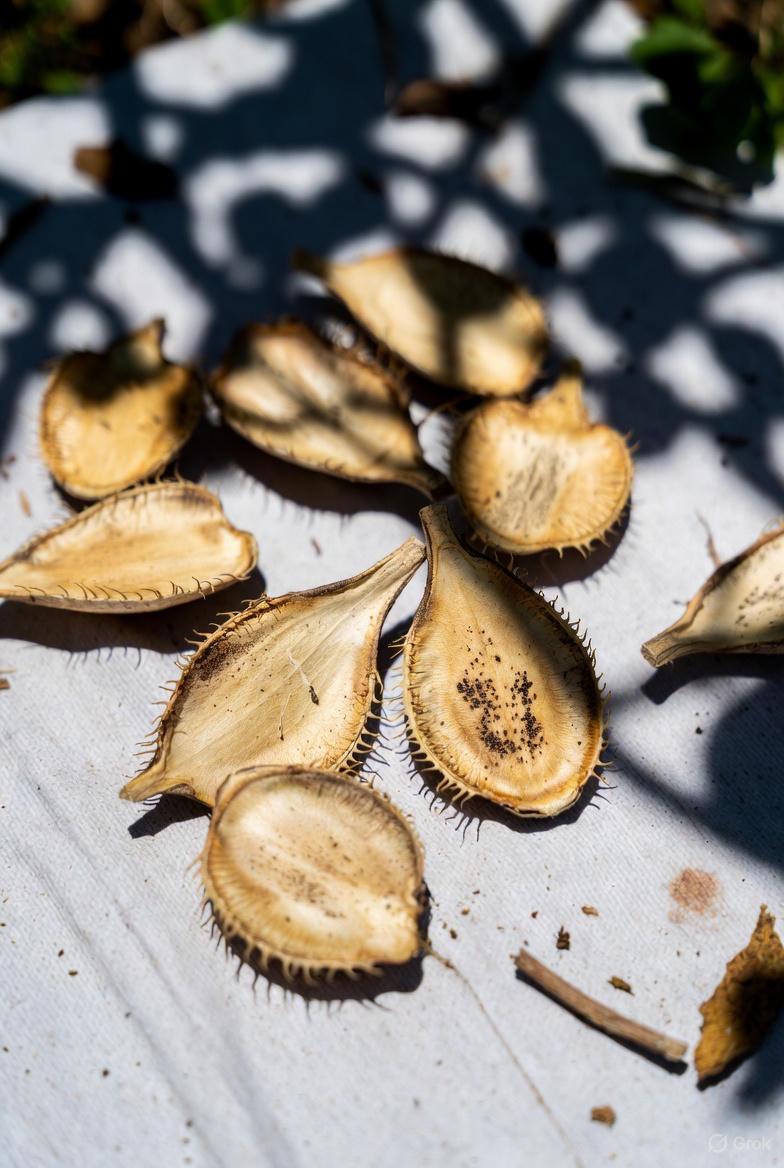
The seeds contain silymarin, a blend of flavonoids known for their antioxidant qualities.
Preclinical and clinical reviews suggest silymarin may help shield liver cells from oxidative stress, a common factor in daily cellular challenges.
Systematic analyses, including those published in PMC and other sources, highlight its potential supportive role, though experts agree more studies are valuable.
This isn’t limited to one area—silymarin’s properties might contribute to overall well-being.
Here’s the interesting part…
Key Areas Where Milk Thistle Shows Promise
Ongoing research has identified several ways milk thistle may offer support. Here’s a simple overview:
- Antioxidant Effects: Silymarin helps neutralize free radicals, potentially easing oxidative stress. Lab studies show it can enhance the body’s own antioxidant systems.
- Liver Support: Reviews of trials indicate it may help maintain normal liver enzyme levels and aid natural detoxification processes.
- Inflammation Balance: By influencing certain pathways, it could support a calmer response to daily inflammation, as observed in various research models.
- Digestive Ease: Long used traditionally, it might promote healthy bile flow and occasional comfort.
These findings draw from reputable sources like PubMed reviews and meta-analyses.
But that’s not all…
Potential Role in Supporting Healthy Blood Sugar Levels
Keeping energy steady throughout the day is a priority for many.
Some clinical trials suggest milk thistle extracts may contribute to better insulin sensitivity and balanced glucose in those managing type 2 diabetes.
Certain studies noted improvements in fasting blood sugar with regular use.
Of course, this complements standard care—monitoring remains essential for anyone with blood sugar concerns.
Results can vary, but the research is worth noting.
How Milk Thistle Could Contribute to Overall Vitality
Antioxidants like those in milk thistle may help counter daily stresses that impact how we feel.
Many who incorporate it report subtle boosts in energy and comfort over time, possibly tied to its supportive effects.
Emerging insights also touch on areas like immune balance and cholesterol management through indirect liver pathways.
While promising, these benefits need ongoing exploration.
Comparing Milk Thistle to Other Popular Herbs
Not every herb offers the same profile. Here’s a quick comparison to highlight differences:
| Herb | Main Focus Areas | What Sets Milk Thistle Apart |
|---|---|---|
| Dandelion Root | Digestive and diuretic support | More extensive research on silymarin for liver cell protection |
| Turmeric | Broad inflammation support | Specific studies on liver enzymes and antioxidants |
| Artichoke Leaf | Bile flow promotion | Unique blend of flavonoids with traditional and modern backing |
| NAC | Glutathione support | Plant-based with long history of everyday use |
Research points to milk thistle’s silymarin as having distinct potential for liver wellness.
Practical Steps to Explore Milk Thistle Safely
If you’re curious about trying it, here’s a gentle 8-week approach based on common recommendations:
Weeks 1-2: Begin with 200-300 mg of a standardized silymarin extract daily, split with meals.
Weeks 3-4: If it agrees with you, move to 400 mg total per day.
Weeks 5-8: Continue at 400-600 mg, divided into 2-3 doses, with plenty of water.
Additional tips for better experience:
- Pair with meals containing some healthy fats for absorption.
- Drink extra water to stay hydrated.
- Combine with simple habits like daily walks or more vegetables.
- Listen to your body—consistency often brings the most noticeable subtle changes.
Many find starting slow helps.
Frequently Asked Questions
- How soon might someone notice any differences?
Subtle improvements in energy or digestion are often reported after 4-8 weeks of consistent use, though experiences vary.
- Is milk thistle suitable for daily routines?
It’s generally well-tolerated at standard doses, with mild digestive effects possible at the start.
- What about combining with other supplements or habits?
It pairs well with balanced routines, but quality matters—look for standardized extracts.
In Summary
Milk thistle provides a natural option with a rich history and growing body of research suggesting it may support liver health, antioxidant activity, blood sugar balance, and more. Adding it thoughtfully to healthy daily habits could offer gentle backing for feeling more energized and comfortable.
This article is for informational purposes only and is not intended as medical advice. Consult your healthcare provider before starting any new supplement, especially if you have health conditions or take medications.


