
Many people over 50 start noticing that their energy isn’t quite what it used to be, especially in the afternoons. Recovery after exercise takes a little longer, and joints can feel stiffer on some days. These common changes can make everyday activities feel more tiring than they once did. The good news is that small adjustments to what you eat may help support steady energy, heart health, and overall strength.
But here’s something interesting: certain nutrient-rich foods stand out for the way they nourish the body as we age. Keep reading to discover 12 of them and why adding even a few could make a noticeable difference.
Why Nutrition Becomes Even More Important After 50
As we get older, our metabolism naturally slows down a bit. Muscle maintenance requires more attention, and the body may benefit from extra antioxidants and anti-inflammatory compounds.
Research shows that nutrient needs can shift with age. Many studies suggest that focusing on whole, plant-based foods and healthy fats supports energy levels, cardiovascular wellness, and joint comfort.
The best part? These foods are simple, familiar, and easy to find at any grocery store.
The 12 Nutrient-Dense Foods Worth Adding Daily
Let’s look at each one, including the key nutrients and practical ways to enjoy them.
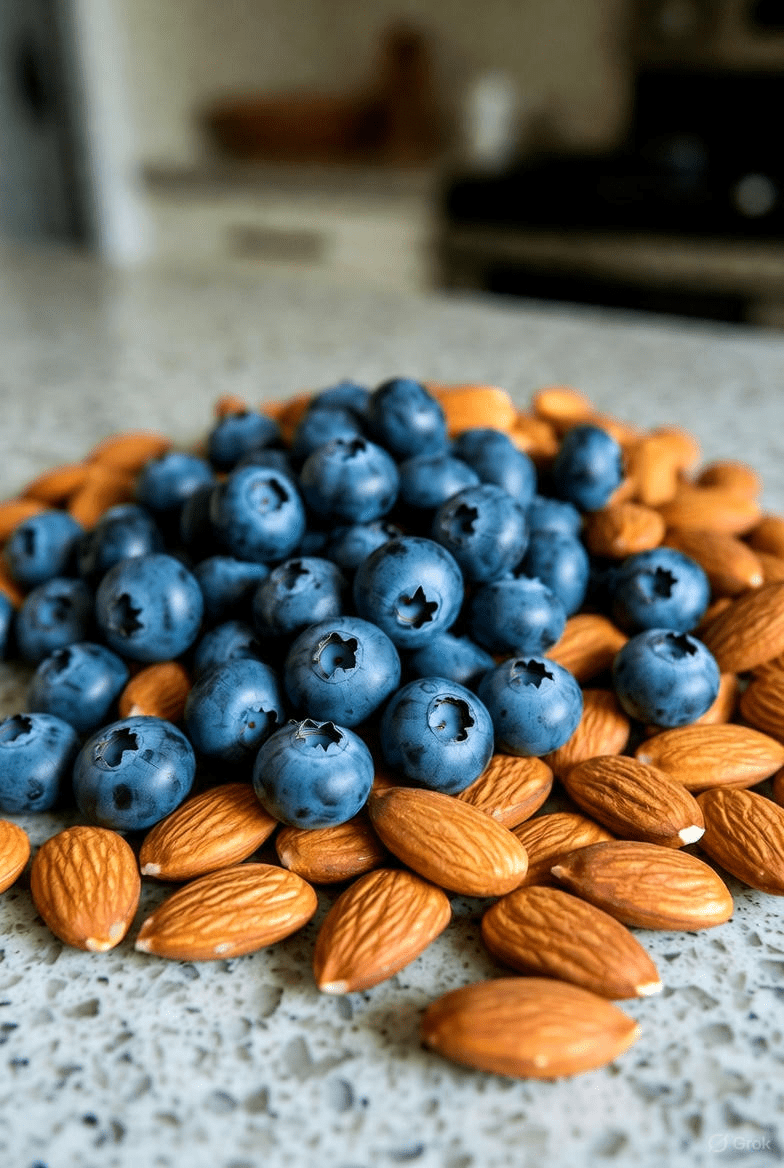
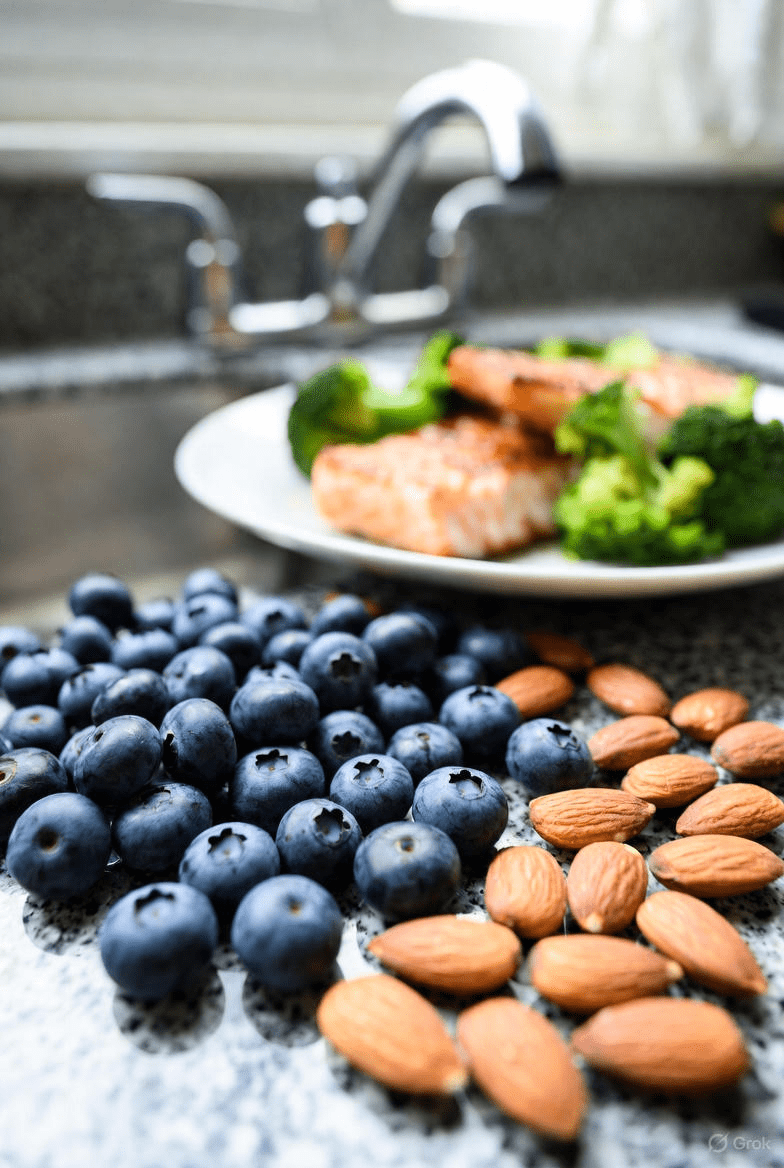
12. Blueberries – A Burst of Antioxidants
Blueberries get their deep color from anthocyanins, powerful plant compounds. Studies, including reviews published in recent years, link regular berry intake to better cognitive function in older adults.
A small handful fresh or frozen makes an easy snack or yogurt topping.
11. Almonds – Heart-Friendly Healthy Fats
Almonds provide vitamin E, magnesium, and monounsaturated fats. Research indicates that a daily handful may help maintain healthy cholesterol levels and provide sustained energy.
Aim for about 20-23 unsalted almonds as a mid-morning or afternoon snack.
10. Salmon – Rich Source of Omega-3s
Fatty fish like salmon is one of the best natural sources of omega-3 fatty acids. Numerous studies associate regular consumption with heart health and reduced inflammation.
Try grilled or baked salmon two to three times a week for optimal benefits.
9. Greek Yogurt – Protein and Probiotic Support
Plain Greek yogurt offers high-quality protein and beneficial probiotics. Research highlights its role in supporting gut health, muscle maintenance, and bone strength thanks to calcium.
Choose unsweetened varieties and add your own fruit for flavor.
8. Leafy Greens – Packed with Essential Vitamins
Spinach, kale, and Swiss chard deliver folate, vitamin K, and magnesium. Population studies consistently link higher green vegetable intake to better energy and cardiovascular wellness.
Add a few handfuls to salads, smoothies, or sauté them as a side.
7. Avocados – Creamy Source of Good Fats
Avocados are rich in monounsaturated fats and potassium. Studies suggest these fats may support heart health and help you feel fuller longer.
Half an avocado on toast or in salads is a satisfying addition.
6. Broccoli – Unique Protective Compounds
Broccoli contains sulforaphane, a compound that research shows may support cellular health and natural detoxification processes.
Steam or roast a cup or two several times a week for the best nutrient retention.
5. Sweet Potatoes – Natural Energy from Beta-Carotene
Sweet potatoes provide complex carbohydrates and beta-carotene, which the body converts to vitamin A. Studies connect higher intake to immune and eye health support.
Bake or mash one medium sweet potato as a comforting side dish.
But that’s not all—some foods offer benefits that go beyond basic nutrition.
4. Green Tea – Gentle Antioxidant Boost
Green tea is loaded with catechins, antioxidants that research links to improved metabolism and calm focus.
Enjoy two to three cups of brewed green tea throughout the day.
3. Tomatoes – Lycopene for Cardiovascular Wellness
Tomatoes, especially when cooked, are an excellent source of lycopene. Large studies associate higher lycopene intake with better heart health markers.
Use fresh in salads or cooked in sauces for variety.
2. Turmeric – The Golden Anti-Inflammatory Spice
Turmeric’s active compound curcumin has been studied extensively for its potential to support joint comfort and reduce oxidative stress.
Add a teaspoon to curries, soups, or golden milk, and include a pinch of black pepper for better absorption.
1. Garlic – Flavorful Immune Support
Garlic contains allicin and other sulfur compounds. Research suggests regular consumption may support healthy blood pressure and immune function.
Use one or two fresh cloves in cooking most days.
Bonus: Extra Virgin Olive Oil – The Everyday Longevity Staple
Extra virgin olive oil provides polyphenols and oleic acid. Major studies, including those from Mediterranean diet research, link daily use to heart and brain health benefits.
Drizzle one to two tablespoons on vegetables, salads, or whole grains.
Simple Ways to Include These Foods Every Day
Starting new habits doesn’t have to be overwhelming. Here are practical ideas:
- Breakfast: Greek yogurt topped with blueberries and a drizzle of olive oil on whole-grain toast with avocado.
- Lunch: Large leafy green salad with tomatoes, grilled salmon, and olive oil dressing.
- Dinner: Baked sweet potato, steamed broccoli with garlic, and turmeric-seasoned chicken or tofu.
- Snacks: Handful of almonds, green tea, or fresh fruit.
Try adding just three new foods the first week, then build from there.
Key Nutrients at a Glance
| Food | Key Nutrients | Easy Daily Serving Idea |
|---|---|---|
| Blueberries | Anthocyanins | Handful fresh or frozen |
| Almonds | Vitamin E, healthy fats | 20-23 nuts |
| Salmon | Omega-3 fatty acids | 3-4 oz grilled |
| Greek Yogurt | Protein, probiotics | 1 cup plain |
| Leafy Greens | Folate, vitamin K | 2-3 handfuls |
| Avocados | Monounsaturated fats | Half an avocado |
| Broccoli | Sulforaphane | 1 cup steamed |
| Sweet Potatoes | Beta-carotene | 1 medium baked |
| Green Tea | Catechins | 2-3 cups |
| Tomatoes | Lycopene | 1-2 medium or sauce |
| Turmeric | Curcumin | 1 tsp in food or drink |
| Garlic | Allicin | 1-2 cloves |
| Extra Virgin Olive Oil | Polyphenols, oleic acid | 1-2 tbsp drizzle |
Real-Life Changes from Small Adjustments
Many people in their 50s and 60s report feeling more energized after consistently including these foods. Some notice steadier energy through the day, while others appreciate easier movement.
Individual results vary, but the pattern in research and real experiences is clear: whole-food choices add up over time.
Final Thoughts: Small Steps Toward Feeling Your Best
Turning 50 and beyond can be an energetic, fulfilling chapter. By choosing nutrient-dense foods like the ones above, you give your body the support it needs for daily vitality.
Start with a few favorites today. Over weeks and months, these small choices often lead to meaningful differences in how you feel.
Frequently Asked Questions
How quickly might I notice benefits from adding these foods?
Everyone is different, but many people report subtle improvements in energy or comfort within a few weeks of consistent changes.
Do I need to eat all 12 foods every single day?
No—focus on variety and aim to include several most days. Even adding a few regularly can make a positive impact.
Can these foods interact with medications?
Some foods (like leafy greens or turmeric) may interact with certain medications. Always check with your healthcare provider before making big dietary changes.
This article is for informational purposes only and is not a substitute for professional medical advice. Please consult your healthcare provider for personalized recommendations.


