
If you’re one of the millions of women dealing with intense period pain that disrupts your daily routine, chronic fatigue that makes even simple tasks feel overwhelming, or unexplained pelvic discomfort that lingers month after month, you’re not alone. These challenges can strain relationships, work, and overall well-being, often leaving you feeling isolated and frustrated. The good news is that gaining a deeper understanding of endometriosis can empower you to explore practical ways to support your body and improve your quality of life. And toward the end of this guide, we’ll uncover some everyday habits that many women find surprisingly helpful in navigating this condition.
What Is Endometriosis Exactly?
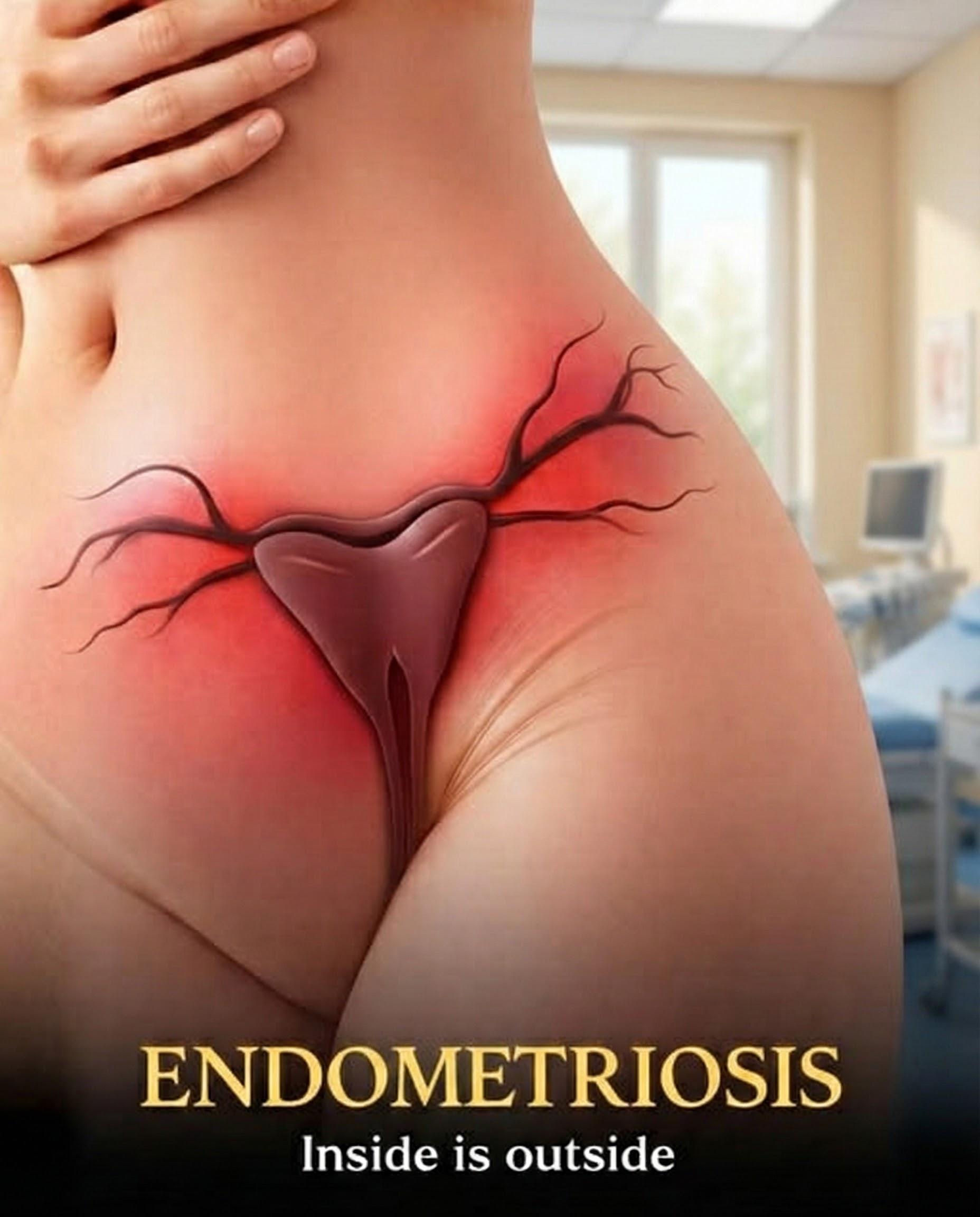
Endometriosis is a common condition where tissue similar to the lining of the uterus grows in other areas, most often within the pelvic region.
This misplaced tissue responds to hormonal changes just like the uterine lining does during a menstrual cycle.
It thickens, breaks down, and attempts to shed—but with no way out, it leads to inflammation and irritation.
Over time, this process can create scar tissue and adhesions.
Research from organizations like the World Health Organization indicates that endometriosis affects about 10% of women of reproductive age worldwide.
But that’s not all—many cases go unrecognized for years due to varying symptoms.
Common Signs and Symptoms to Watch For
Symptoms of endometriosis can differ greatly from one person to another, making it tricky to spot at first.
Here are some of the most frequently reported ones:
- Intense cramping during periods that may worsen over time
- Ongoing pain in the pelvis or lower back
- Discomfort during or after intimate activity
- Heavier than usual menstrual flow or spotting between cycles
- Challenges with bowel movements or urination, especially around your period
- Bloating, nausea, or tiredness that flares up cyclically
Studies show that these overlapping signs often mimic other issues, leading to an average diagnostic delay of 7-10 years.
The reality is, if pain is severely impacting your life, it’s worth discussing with a healthcare provider.
This is where things get interesting—early awareness can make a real difference.

Possible Factors That Contribute to Endometriosis
Experts don’t have a single definitive cause for endometriosis, but several theories and risk factors have emerged from ongoing research.
Retrograde menstruation is one leading idea: menstrual blood flows backward into the pelvis instead of exiting the body.
Genetics play a role too—if a close family member has it, your chances may be higher.
Immune system variations might prevent the body from clearing misplaced tissue effectively.
Hormones like estrogen seem to influence growth of this tissue.
Lifestyle alone doesn’t cause it, and it’s not contagious or preventable in a straightforward way.
Here’s the key takeaway: understanding these factors helps shift focus to supportive strategies.
How Healthcare Providers Identify Endometriosis
Spotting endometriosis starts with a thorough conversation about your history and symptoms.
A pelvic exam can provide initial clues.
Imaging like ultrasound or MRI helps visualize potential issues, such as cysts on the ovaries.
In many cases, a minimally invasive procedure called laparoscopy offers the most accurate view and confirmation.
Research emphasizes that combining these approaches leads to better outcomes.
But here’s something encouraging—improved awareness is shortening diagnostic times for many women.
Endometriosis and Its Impact on Fertility
Endometriosis is linked to fertility challenges for some women.
Studies suggest that 30-50% of those with the condition may experience difficulties conceiving.
Inflammation and scar tissue can affect egg release, tube function, or implantation.
That said, many women with endometriosis go on to have successful pregnancies naturally or with support.
If family planning is on your mind, early discussions with a specialist can open up helpful options.
The truth is, knowledge here empowers proactive steps.

Everyday Habits and Strategies to Support Symptom Management
While professional guidance is essential, certain lifestyle approaches show promise in helping women feel more in control.
Regular gentle movement, like walking or yoga, may ease tension and boost mood—research on physical activity highlights its role in reducing inflammation.
Prioritizing rest and stress-reduction techniques can also make a noticeable difference.
Heat therapy, such as a warm bath or heating pad, is a simple at-home option many find soothing.
Tracking your cycle and symptoms in a journal helps identify patterns to share with your doctor.
And stay tuned—we’ll dive deeper into nutrition next, including tips backed by emerging studies.
Simple Actionable Steps to Get Started Today
- Begin a symptom diary: Note pain levels, diet, and activities daily for two weeks.
- Incorporate short walks: Aim for 10-15 minutes most days when you feel up to it.
- Try relaxation breathing: Spend 5 minutes daily on deep breaths to manage stress.
- Discuss options openly: Schedule a chat with your provider about your observations.
These small changes can build momentum without overwhelming you.
Exploring the Role of Nutrition in Supporting Women with Endometriosis
Growing research points to diet as a potential ally in managing daily comfort.
An anti-inflammatory eating pattern, rich in whole foods, may help balance hormones and reduce irritation.
Studies, including systematic reviews, suggest focusing on fiber-rich plants could support estrogen regulation.
Omega-3 sources like fatty fish show anti-inflammatory effects in some findings.
On the flip side, limiting processed items and red meats has been associated with lower risk in population studies.
Here’s a quick comparison of foods often highlighted in research:
| Foods That May Support Comfort | Foods to Consider Limiting |
|---|---|
| Leafy greens and colorful vegetables | Highly processed snacks |
| Berries and fruits high in antioxidants | Excessive red meat |
| Nuts, seeds, and olive oil | Trans fats and fried foods |
| Whole grains and legumes | Sugary drinks and sweets |
| Fatty fish like salmon | Alcohol in large amounts |
Evidence from reviews in journals like Nutrients indicates plant-based elements may ease inflammation.
Of course, responses vary—tracking how foods affect you personally is key.
This brings us to the intriguing part: some women report meaningful shifts with these adjustments.
Building a Supportive Lifestyle Long-Term
Living with endometriosis often means adapting over time, but support networks make it easier.
Connecting with others through groups can reduce feelings of isolation.
Mental health matters too—chronic conditions can affect mood, so professional counseling helps many.
Advocating for yourself during appointments ensures your concerns are heard.
The most empowering realization? Small, consistent habits compound into better days.
Frequently Asked Questions About Endometriosis
Is endometriosis something that only affects older women?
No, it commonly starts in the teens or 20s, though symptoms may intensify later. Awareness at any age is important.
Can everyday habits completely resolve endometriosis symptoms?
While they can’t eliminate the condition, research shows lifestyle factors like diet and exercise may significantly support symptom management and overall well-being for many women.
How common is it for endometriosis to impact fertility plans?
About 30-50% of women with endometriosis face conception challenges, but the majority still achieve pregnancy, often with tailored support.
Important Note: This article is for informational purposes only and is not a substitute for professional medical advice. Always consult a qualified healthcare provider for personalized guidance on symptoms, diagnosis, or management options. Individual experiences with endometriosis vary widely.


