
Many people wind down after a long day feeling exhausted yet unable to relax fully, with tight muscles or a restless mind keeping them from drifting off easily. This ongoing struggle can leave you waking up still tired, affecting your energy and mood the next day. The good news is that supporting your body’s natural magnesium levels through simple dietary habits may help promote better relaxation and restful nights—but there’s a practical way to make this part of your routine that we’ll explore toward the end.

Why Magnesium Matters for Daily Well-Being
Magnesium is a key mineral involved in over 300 processes in the body, including muscle function, nerve signaling, and energy production. Research shows that adequate magnesium intake supports overall health, with studies linking higher levels to better sleep quality in some populations.
But that’s not all—many adults don’t get enough from their diets due to processed foods and soil depletion. Observational studies, like those from the CARDIA cohort, have found associations between higher magnesium intake and improved sleep duration and quality.
The truth is, low magnesium can contribute to common issues that disrupt daily life.
Common Signs Your Body Might Need More Magnesium
If magnesium levels dip, you may experience subtle changes that build over time. Studies on deficiency highlight potential symptoms such as:
- Ongoing fatigue or low energy
- Muscle cramps or occasional twitching
- Difficulty unwinding in the evening
- Irritability or mood fluctuations
These aren’t always dramatic, but they can add up. For instance, research published in the National Institutes of Health databases notes that inadequate magnesium may play a role in muscle and nerve discomfort.
Here’s the interesting part: addressing this through food sources often feels more sustainable than jumping straight to supplements.
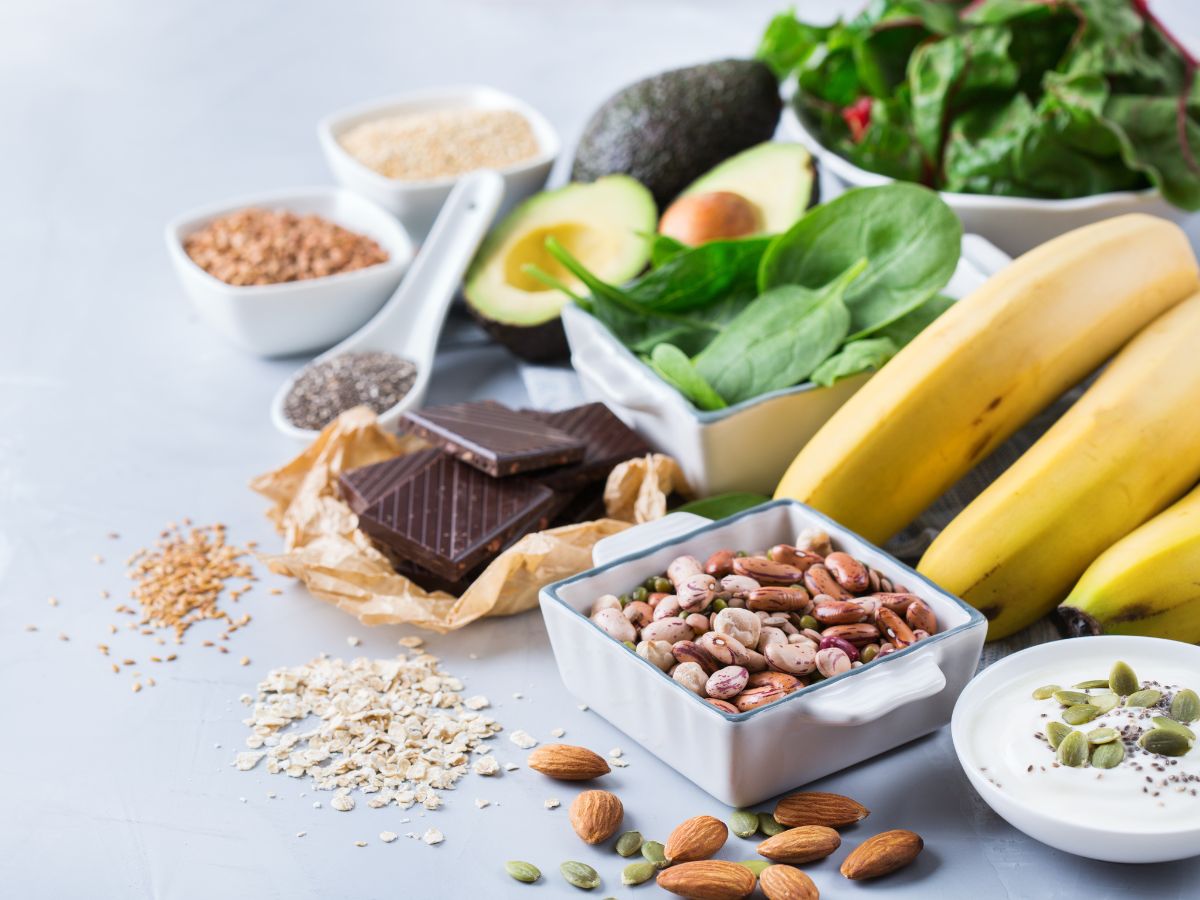
12 Foods High in Magnesium – Stephanie Kay Nutrition
Top Food Sources to Naturally Boost Magnesium
The most reliable way to maintain healthy magnesium levels is through whole foods. According to data from the USDA and health authorities like Cleveland Clinic, here are some standout options with approximate magnesium content per serving:
- Pumpkin seeds (1 oz): Around 150-168 mg – one of the highest sources
- Almonds (1 oz): About 80 mg
- Spinach (1 cup cooked): Roughly 157 mg
- Black beans (1/2 cup cooked): Around 60 mg
- Dark chocolate (70-85% cocoa, 1 oz): About 65 mg
- Avocado (1/2 medium): Approximately 29 mg
- Banana (1 medium): Around 32 mg
- Oats (1/2 cup dry): About 50 mg
Including a variety of these daily adds up quickly. Studies suggest that diets rich in these foods correlate with better overall mineral status.

13+ Thousand Pumpkin Seeds Shell Royalty-Free Images, Stock Photos …
How Magnesium Supports Relaxation and Sleep
Research indicates magnesium may help calm the nervous system by influencing neurotransmitters like GABA, which promotes relaxation. Some clinical trials, including those on older adults, have observed improvements in sleep onset and quality with consistent intake.
For example, a study in the Journal of Research in Medical Sciences noted better subjective sleep measures in participants maintaining adequate levels.
But remember, results vary—magnesium works best alongside good sleep habits like a consistent bedtime and limited screens.
This is where timing comes in: many find incorporating magnesium-rich options in the evening aligns with the body’s natural wind-down.

GREEN SMOOTHIE — Julie’s Taste
A Simple Evening Habit: Try This Relaxing Green Smoothie
One approachable way to include magnesium before bed is a nutrient-packed smoothie using natural sources. This combination draws from foods known for their magnesium content and healthy fats that support absorption.
Here’s an easy step-by-step recipe you can make in minutes:
- Gather ingredients: 1 handful fresh spinach, ½ avocado, 1 banana, and 1 tablespoon pumpkin seeds.
- Add to a blender with 1 cup water or unsweetened plant-based milk.
- Blend until smooth and creamy.
- Enjoy about 1 hour before bedtime for a gentle, nourishing ritual.
The spinach and pumpkin seeds provide a solid magnesium boost, while avocado adds creaminess and potassium for muscle support. Banana contributes natural sweetness and additional minerals.
People often report feeling more relaxed after making this a habit—but individual experiences differ.

Chocolate Baked Oatmeal (Easy Meal Prep) | Simply Quinoa
More Ways to Incorporate Magnesium Throughout the Day
To build consistent intake, try these ideas:
- Breakfast: Oatmeal topped with almonds and dark chocolate shavings
- Snacks: A handful of pumpkin seeds or a banana with nut butter
- Lunch/Dinner: Salads with kale or spinach, black beans, and avocado
- Dessert: A square of high-cocoa dark chocolate
Small swaps like these can help reach the recommended 310-420 mg daily for adults, per health guidelines.
Research from Harvard’s Nutrition Source emphasizes that food-based approaches are often more effective long-term than isolated supplements.
What the Science Says About Magnesium and Rest
Multiple reviews, including those from Mayo Clinic and NIH-funded studies, suggest associations between higher magnesium and better sleep parameters in certain groups. For instance:
- One trial found improved sleep efficiency in elderly participants.
- Observational data links adequate intake to reduced daytime tiredness.
However, not all studies show dramatic effects, and supplements aren’t a standalone solution. Combining with lifestyle factors yields the best outcomes.
The key takeaway? Prioritizing whole-food sources supports balance without over-reliance on pills.
Frequently Asked Questions
How much magnesium do I need daily?
Adults typically need 310-420 mg, depending on age and gender. Food tracking apps can help monitor intake from meals.
Can I get too much magnesium from food?
It’s rare—your body regulates absorption well from natural sources. Supplements, however, require caution to avoid digestive upset.
Should I take a magnesium supplement before bed?
Some forms may support relaxation, but consult a healthcare provider first, especially if you have conditions or take medications.
Final Thoughts
Incorporating magnesium-rich foods into your routine, especially in the evening, offers a gentle way to support muscle relaxation, energy, and potentially better rest. Start with small changes like the smoothie or daily snacks, and track how you feel over a few weeks.
This approach focuses on sustainable habits rather than quick fixes, aligning with what research shows about long-term well-being.
Important Note: This article is for informational purposes only and is not medical advice. If you have persistent symptoms or concerns about nutrient levels, please consult a healthcare professional for personalized guidance.


