
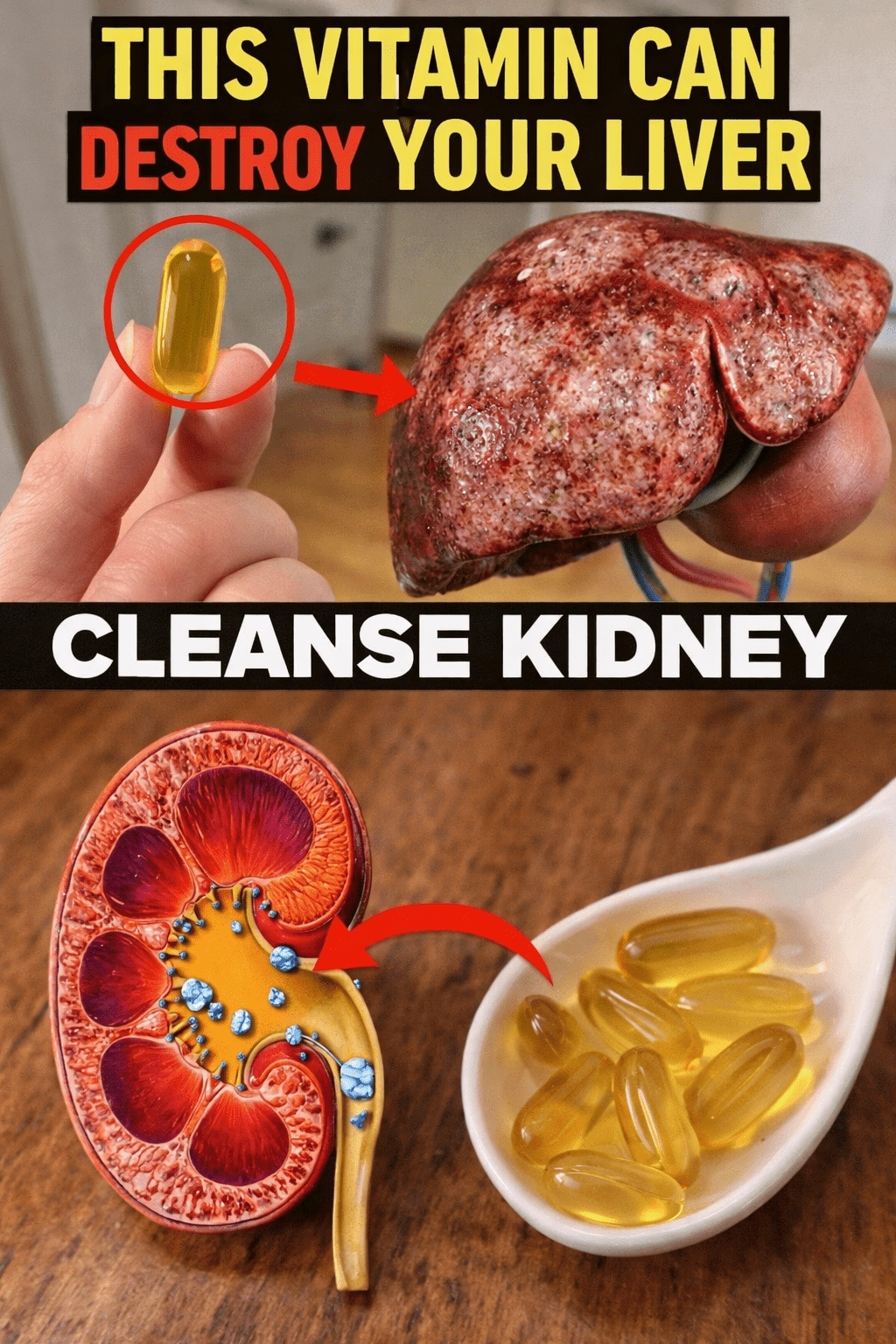
Many people turn to vitamins and supplements for better energy, stronger immunity, or overall wellness, yet certain ones can sometimes lead to concerns for organs like the liver and kidneys when taken in high amounts or without guidance. This can create unnecessary stress on your body, especially if you’re already managing other health factors, leaving you feeling worried about something meant to help. The good news is that with the right information, you can make smarter choices to support your health safely—and I’ll share a lesser-known tip at the end that could change how you approach your daily routine.
Understanding How Vitamins and Supplements Affect Your Body
Vitamins and supplements are popular for filling nutritional gaps, but they’re not always harmless. Your liver processes most of what you ingest, acting as a filter, while your kidneys help eliminate waste. When overloaded, these organs can face strain.
Studies show that excessive intake of some nutrients can build up, potentially leading to issues. But that’s not all—let’s dive into why moderation matters.
The Role of the Liver in Processing Supplements
The liver breaks down substances, turning them into forms your body can use or discard. High doses of fat-soluble vitamins, like vitamin A, can accumulate here since they’re stored in fat tissues.
Research from health organizations indicates that herbal supplements, often seen as natural, can sometimes interact in unexpected ways. This is where awareness becomes key.
How Kidneys Handle Excess Nutrients
Kidneys filter blood, removing extras like minerals or vitamins. Water-soluble ones, such as vitamin C, usually pass through, but too much can form crystals or stones.
According to experts, people with existing kidney conditions should be extra cautious. Now, let’s look at specific examples.
1. Vitamin A: Potential Build-Up in the Liver
Vitamin A supports vision and skin health, but in supplement form, especially retinol, high doses can lead to accumulation in the liver.
This fat-soluble vitamin doesn’t flush out easily, and studies suggest excess can cause stress on liver cells. If you’re eating liver-rich foods, you might not need extra.
Here’s a quick tip: Check labels for retinol content and aim for food sources like carrots instead.
2. Vitamin C: Risk of Kidney Stones in High Doses
Known for boosting immunity, vitamin C is water-soluble, but mega-doses can increase oxalate levels, which may contribute to kidney stones.
Reports highlight that intakes over 2,000 mg daily could pose risks for some people. But wait, there’s more to consider if you have a history of stones.
Actionable step: Start with citrus fruits for natural intake before turning to pills.
3. Vitamin D: Overload and Kidney Concerns
Vitamin D helps with bone health and mood, yet too much from supplements can raise calcium levels, putting pressure on kidneys.
Case studies show that excessive use, even in non-deficient individuals, might lead to complications. Sun exposure is a gentler way to get it.
Try this: Get tested for levels before supplementing to avoid guesswork.
4. Niacin (Vitamin B3): High Doses and Liver Strain
Niacin aids energy production, but therapeutic doses for cholesterol can sometimes affect liver function.
Health sources note that sustained-release forms are more likely to cause issues. The interesting part? Food-based niacin from meat or grains is usually safer.
Simple advice: Discuss with a professional if using for specific goals.
5. Green Tea Extract: Concentrated Compounds and Liver Impact
Green tea extract is praised for antioxidants, but high concentrations of catechins can occasionally strain the liver.
Research links certain cases to extracts, not brewed tea. Stick to a cup or two daily for benefits without extras.
Here’s why: The extract packs more punch than you might expect.
6. Turmeric (Curcumin): Dosage Matters for Liver Health
Turmeric supports inflammation response, but supplements with high curcumin can interact with liver enzymes.
Studies indicate potential concerns at elevated doses. Cooking with the spice is a milder option.
Pro tip: Add black pepper to enhance absorption naturally.
7. Ashwagandha: Adaptogen with Possible Liver Effects
This herb helps with stress, but some reports connect it to liver changes in sensitive individuals.
Expert reviews suggest monitoring if taking regularly. But that’s not the end—cycle its use.
Easy step: Begin with low amounts and observe how you feel.
8. Kava: Relaxation Aid Linked to Liver Risks
Kava promotes calm, yet certain preparations have been associated with liver concerns in past studies.
Authorities advise caution or avoidance in some regions. Herbal teas might be a better unwind choice.
Remember: Quality sourcing makes a difference.
9. St. John’s Wort: Mood Support and Potential Liver Interactions
Used for mild mood dips, this herb can influence liver processing of other substances.
Information from health sites points to enzyme induction. The truth is, it might alter how your body handles meds.
Guideline: Inform your doctor if combining with prescriptions.
Signs That Your Liver or Kidneys Might Need Attention
It’s helpful to know what to watch for. Here are some general indicators:
- Fatigue or weakness that lingers.
- Changes in urine color or frequency.
- Swelling in legs or abdomen.
- Yellowing of skin or eyes.
- Persistent nausea.
If these appear, seek professional advice promptly.
Tips for Safely Using Vitamins and Supplements
Making informed choices is empowering. Follow these steps:
- Consult a healthcare provider before starting new ones.
- Read labels for recommended doses.
- Choose reputable brands with third-party testing.
- Track your intake from food and supplements combined.
- Stay hydrated to support kidney function.
Studies emphasize personalized approaches for best results.
Comparing Fat-Soluble vs. Water-Soluble Vitamins
| Type | Examples | Storage | Potential Risks |
|---|---|---|---|
| Fat-Soluble | A, D, E, K | Stored in body fat | Build-up in liver |
| Water-Soluble | B vitamins, C | Excreted in urine | Kidney strain from excess |
This table highlights why balance is crucial.
How to Choose Quality Supplements
Look for USP verification or NSF certification. Avoid mega-doses unless advised.
The reality is, whole foods often provide what you need without added risks.
In Conclusion
Navigating vitamins and supplements doesn’t have to be overwhelming—focus on moderation, quality, and professional input to support your liver and kidney health. Remember that surprising tip? Many overlook combining supplements with a balanced diet, but prioritizing veggies and hydration can amplify benefits while minimizing concerns.
FAQ
What should I do if I suspect a supplement is affecting my health?
Stop taking it and consult a doctor for tests to check liver and kidney function.
Are natural supplements always safer than synthetic ones?
Not necessarily—both can have effects; it’s about dose and individual response, as research shows.
How can I get nutrients without supplements?
Emphasize a varied diet with fruits, veggies, lean proteins, and whole grains for natural sources.
This article is for informational purposes only and not a substitute for medical advice. Always consult your healthcare provider before making changes to your supplement routine.


