
Many people find it tough to get enough essential nutrients from their meals amid hectic schedules, which can leave them feeling drained or dealing with minor wellness issues. These gaps in nutrition might build up over time, impacting energy levels and making it harder to stay active and focused throughout the day. Adding nutrient-packed options like pumpkin seeds to your routine could provide a natural way to fill those gaps and support your body’s needs. But there’s an unexpected twist to their potential role in daily health that we’ll reveal toward the end—stick around to discover it.
What Are Pumpkin Seeds and Why Consider Them?
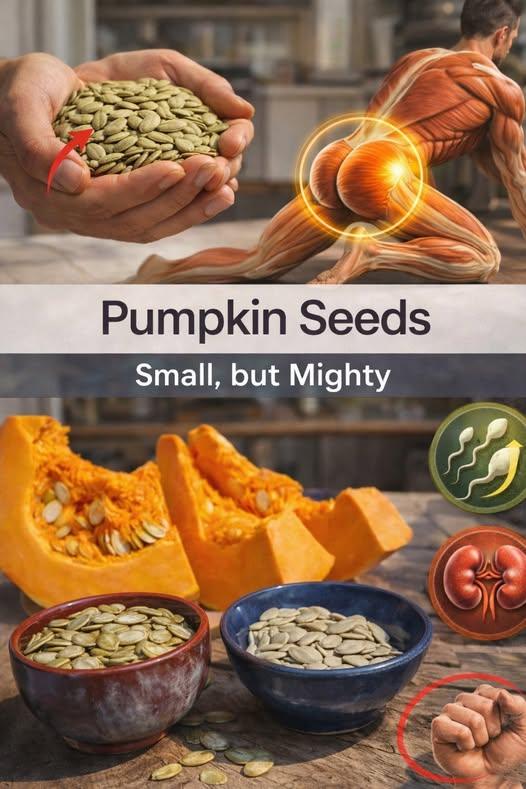
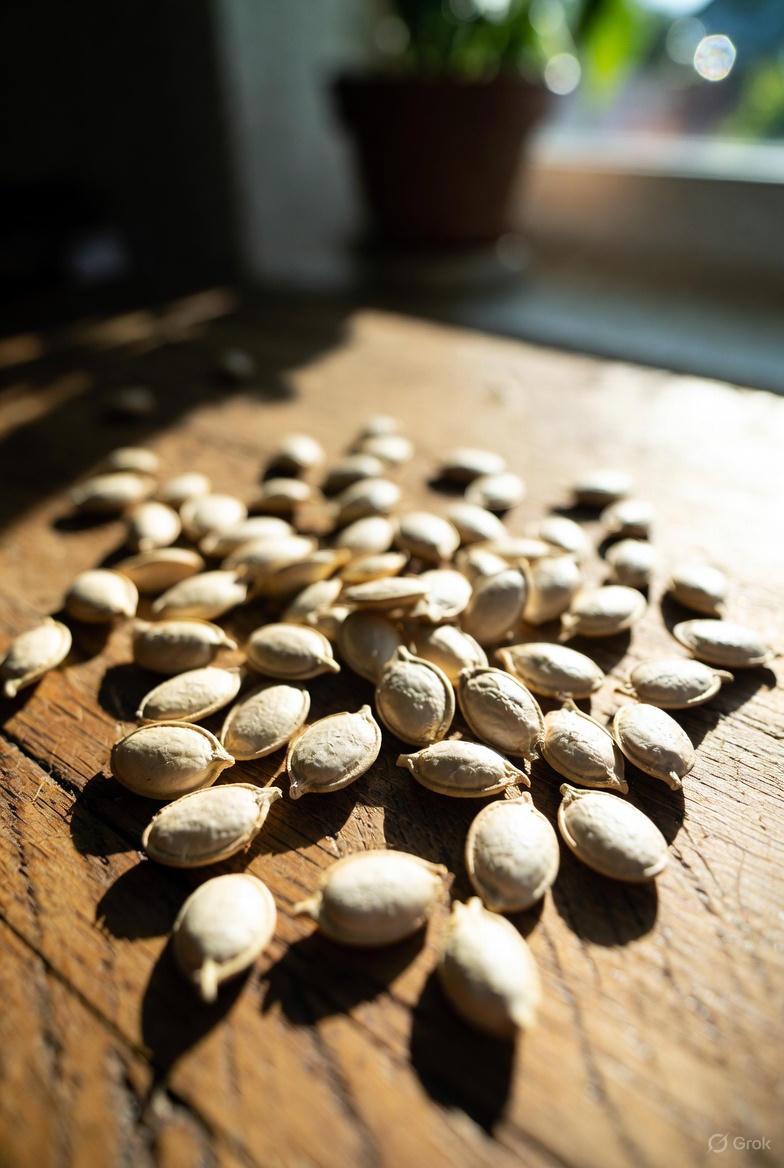
Pumpkin seeds, also known as pepitas, come from the inside of pumpkins and have been enjoyed as a snack for centuries in various cultures. They’re small, flat, and often green when hulled, with a mild, nutty flavor that makes them versatile in cooking.
But that’s not all. These seeds are harvested from pumpkins, which are part of the squash family, and they’re available year-round in stores—either raw, roasted, or seasoned. If you’re new to them, starting with a handful might seem simple, yet it could become a habit worth exploring.
Research from sources like the USDA highlights their dense nutrient content, making them a topic of interest in nutrition studies. Let’s break down what they’re made of next.
The Nutritional Breakdown of Pumpkin Seeds
Understanding the nutrients in pumpkin seeds can help you see why they’re often recommended as part of a balanced diet. A typical serving—about one ounce or 28 grams—packs a lot into a small package.
Here’s a quick look at key nutrients based on general nutritional data:
| Nutrient | Amount per 1 oz (28g) | % Daily Value (approx.) |
|---|---|---|
| Calories | 151 | 8% |
| Protein | 7g | 14% |
| Healthy Fats | 13g | 17% |
| Magnesium | 168mg | 42% |
| Zinc | 2.2mg | 20% |
| Iron | 2.5mg | 14% |
| Antioxidants (like vitamin E) | Varies | Supports cell health |
These figures come from established databases like the USDA FoodData Central. Notice how they’re rich in minerals like magnesium and zinc, which play roles in various bodily functions.
The truth is, many diets lack these minerals due to processed foods. Incorporating pumpkin seeds might help bridge that.
Potential Ways Pumpkin Seeds May Support Your Health
Studies suggest pumpkin seeds could contribute to several areas of wellness when eaten regularly. Remember, these are based on general research and not guarantees.
Heart Health Support
Pumpkin seeds contain healthy fats, including omega-3s and omega-6s, along with antioxidants. Research, such as a review in the Journal of Medicinal Food, indicates that these components may help maintain healthy cholesterol levels already in the normal range.
Imagine sprinkling them on your salad—it’s an easy addition. But here’s something interesting: their fiber content might also aid in digestive regularity, indirectly benefiting heart function.
Immune System Contributions
With zinc as a standout nutrient, pumpkin seeds are often linked to immune support. Zinc is involved in immune cell function, as noted in studies from the National Institutes of Health.
During colder months, when people seek ways to stay well, adding these seeds could be a practical choice. And get this: their vitamin E acts as an antioxidant, potentially protecting cells from everyday stress.
Sleep and Relaxation Aid
Magnesium in pumpkin seeds is key here. This mineral helps with muscle relaxation and may promote better sleep patterns, according to findings in the journal Nutrients.
If you toss and turn at night, a evening snack of pumpkin seeds might fit into your routine. But wait, there’s more to their mineral profile that ties into energy.
Energy and Mood Balance
The combination of protein, fats, and iron in these seeds could help sustain energy throughout the day. Iron supports oxygen transport in the blood, while magnesium aids in energy production at the cellular level.
A study in the British Journal of Psychiatry even explores how nutrient deficiencies affect mood, suggesting that foods like pumpkin seeds might play a supportive role.
Prostate and Bladder Wellness
For men, pumpkin seeds have been studied for their potential in supporting prostate health. Compounds like phytosterols may help maintain urinary function, as per research in Urology Journal.
Women might appreciate this too, as bladder health is universal. The seeds’ anti-inflammatory properties, from antioxidants, could contribute here.
Now, here’s the part you’ve been waiting for—that unexpected aspect. Some preliminary research points to pumpkin seeds possibly supporting reproductive health through zinc, which is vital for hormone balance and sperm quality in men. A study in the World Journal of Men’s Health discusses zinc’s role, making this a noteworthy mention for those interested in fertility awareness.
Practical Tips for Adding Pumpkin Seeds to Your Daily Diet
Ready to try them? Here are actionable steps to make it effortless.
First, start small: Aim for 1-2 tablespoons daily to avoid overdoing calories.
- Snack Smart: Eat them raw or lightly roasted with a pinch of sea salt.
- Mix into Meals: Add to yogurt, oatmeal, or smoothies for a crunchy boost.
- Bake with Them: Incorporate into muffins or energy bars for on-the-go options.
But that’s just the beginning. Let’s dive into simple recipes.
Easy Recipes Featuring Pumpkin Seeds
These are straightforward and use common ingredients.
- Trail Mix Blend: Combine 1 cup pumpkin seeds with dried fruits, nuts, and dark chocolate chips. Portion into bags for daily grabs. This provides a balanced snack with natural sweetness.
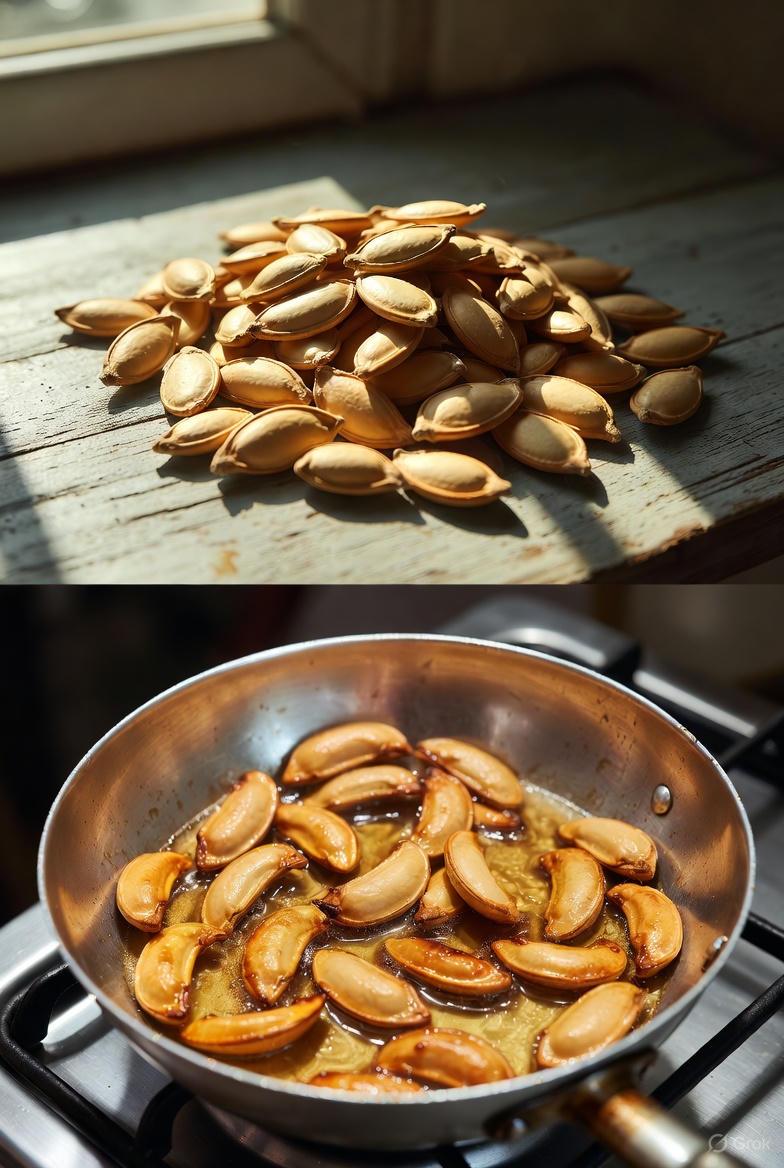
- Salad Topper: Toast ½ cup seeds in a pan for 5 minutes, then sprinkle over greens with olive oil dressing. It adds texture and nutrients without much effort.
- Pesto Variation: Blend ¼ cup pumpkin seeds with basil, garlic, olive oil, and parmesan for a nut-free pesto. Use on pasta or as a dip—ready in under 10 minutes.
Experiment with these, and you might find new favorites. The key is consistency.
How to Choose and Store Pumpkin Seeds
Quality matters. Opt for organic or unsalted varieties to control sodium.
Store them in an airtight container in a cool, dry place—they last up to six months. If buying in bulk, refrigerate to extend freshness.
Here’s a tip: Hull them yourself if possible for maximum nutrients, but pre-hulled are convenient.
Possible Considerations When Eating Pumpkin Seeds
While generally safe, they’re calorie-dense, so portion control helps. Those with allergies to seeds should check with a professional.
Also, if you have digestive sensitivities, start slow to see how your body responds.
Wrapping It Up: Making Pumpkin Seeds a Habit
In summary, pumpkin seeds offer a nutrient-rich addition to your diet that may support various aspects of health, from energy to immune function. By incorporating them daily through snacks or recipes, you could notice subtle differences in how you feel.
Give it a try and observe what works for you. Remember, small changes add up.
Frequently Asked Questions
What is the best time to eat pumpkin seeds?
Many people enjoy them as a mid-morning snack or before bed due to their magnesium content, but any time works as long as it fits your routine.
Can pumpkin seeds be eaten raw?
Yes, raw pumpkin seeds are safe and retain more nutrients, though roasting enhances flavor. Just ensure they’re fresh.
How many pumpkin seeds should I eat daily?
A general guideline is 1-2 ounces (about 28-56 grams), but adjust based on your calorie needs and consult a nutritionist if unsure.
This article is for informational purposes only. It is not intended to provide medical advice, diagnosis, or treatment. Always seek the advice of your physician or other qualified health provider with any questions you may have regarding a medical condition.


