
Warts are those small, rough bumps that can appear on your hands, feet, or other areas, often making you feel self-conscious or uncomfortable in daily life. They stem from a common virus many people encounter, and while they frequently resolve on their own over time, the wait can feel frustrating when they’re visible or bothersome. The good news? Many individuals look into gentle, everyday options to support skin comfort during this process, and we’ll uncover some surprising insights as we go deeper.
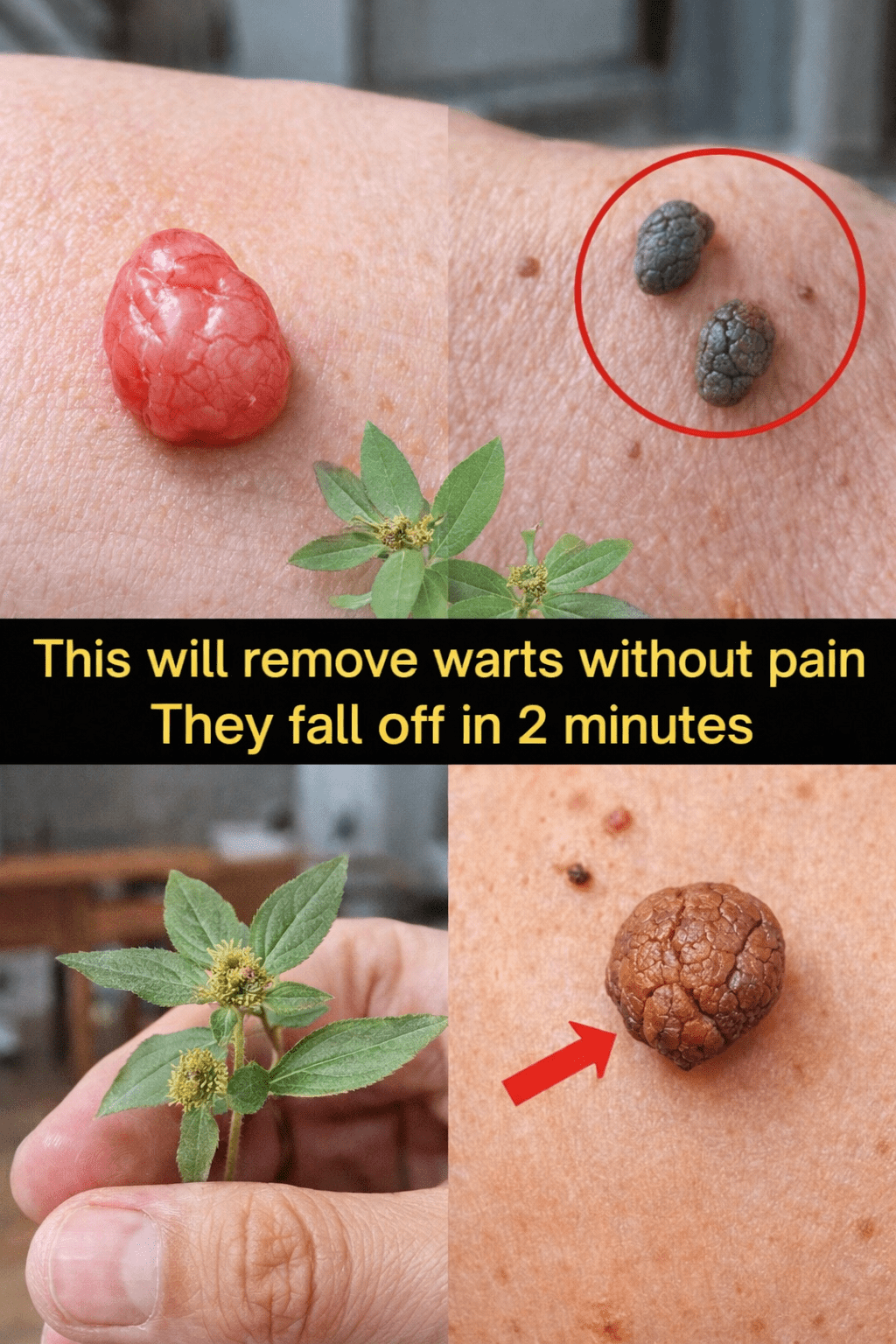
Understanding Warts: What Causes Them and Why They Linger
Warts develop when the human papillomavirus (HPV) enters the skin, leading to extra cell growth that forms those characteristic raised spots. They’re especially common in children and young adults, thriving in warm, moist environments like pools or gyms.
But here’s the reality: Your body’s immune response plays a big role in how long they stick around. Stress, minor skin breaks, or a temporary dip in immunity can make them more persistent. Research shows that about 50% may fade within a year without any intervention, yet many seek ways to encourage comfort sooner.
Ever wondered why some clear quickly while others don’t? Keep reading—practical ideas are ahead.
1. Duct Tape Occlusion: A Simple Household Option
This straightforward method involves covering the area to potentially limit oxygen or prompt a mild skin response.
How to try it step by step:
- Cut a piece of duct tape slightly larger than the wart.
- Apply it directly and leave for 6 days.
- Remove, soak in warm water for 10 minutes, then gently file with an emery board.
- Leave uncovered overnight, then repeat the cycle.
Studies have shown mixed results, with one trial finding it comparable to freezing methods for some people, while others noted limited benefits. It’s low-risk and worth exploring if you prefer starting simple.
2. Salicylic Acid: A Widely Used Layer-by-Layer Approach
Available over-the-counter, this helps soften and peel away thickened skin gradually.
How to use it safely:
- Soak the area in warm water first.
- Gently file down any rough surface.
- Apply the product (liquid, gel, or pad) directly.
- Cover with a bandage and repeat daily.
Evidence from reviews indicates effectiveness rates of 50-70% with consistent use over weeks to months, making it a common first choice recommended by experts.
You’re making progress—let’s build on this.
3. Apple Cider Vinegar: An Acidic Kitchen Staple People Try
This popular home option uses mild acidity to soften the skin.
Steps to consider:
- Dilute with equal parts water to avoid irritation.
- Soak a cotton ball and apply overnight under a bandage.
- Rinse in the morning and repeat.
While many share positive experiences, scientific support remains mostly anecdotal, with limited studies showing reliable results. Always dilute and monitor for skin sensitivity.
4. Garlic: A Traditional Antiviral Favorite
Fresh garlic contains compounds like allicin, known for natural antimicrobial properties.
Application tips:
- Crush a small clove to release juices.
- Apply directly and cover with a bandage overnight.
- Rinse thoroughly in the morning.
Small studies and case reports suggest modest benefits for some, but evidence is limited. Be cautious—garlic can cause irritation or burns on surrounding skin.
Here’s a quick comparison of the approaches so far:
| Approach | Potential Focus | Evidence Level |
|---|---|---|
| Duct Tape | Occlusion | Mixed studies |
| Salicylic Acid | Peeling layers | Strong (50-70% rates) |
| Apple Cider Vinegar | Acidic softening | Mostly anecdotal |
| Garlic | Antimicrobial compounds | Limited |
5. Tea Tree Oil: An Essential Oil with Antiseptic Qualities
Derived from the melaleuca plant, it’s valued for its natural properties.
How to apply:
- Always dilute with a carrier oil (like coconut) at 50% or less.
- Dab on with a cotton swab twice daily.
- Patch test first for sensitivity.
Case reports and small trials, including one showing similar results to standard options, highlight potential support for skin comfort. Dilution is key to prevent irritation.
6. Aloe Vera: A Soothing Gel from Nature
Known for calming properties, fresh aloe is a gentle choice.
Easy steps:
- Extract gel from a leaf or use pure store-bought.
- Apply liberally twice a day.
- Massage gently and let absorb.
Traditional use focuses on hydration and soothing, though direct evidence for warts is limited. It’s generally safe and may promote overall skin comfort.
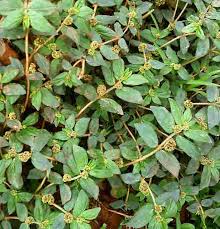
7. Euphorbia Hirta (Asthma Weed): A Plant from Traditional Practices
In some cultures, the milky sap of this herb has been used topically.
Traditional accounts from regions like Asia describe applying the latex to dry out growths. However, it’s highly irritant and can cause burns, allergies, or other reactions. Experts strongly advise caution—professional guidance is essential, and it’s not widely recommended due to risks.
| Traditional vs Common | Focus | Caution Level |
|---|---|---|
| Euphorbia Hirta | Drying sap | High (irritant/toxic) |
| Salicylic Acid | Controlled peeling | Low |
Key Considerations for Safety and Realistic Expectations
No approach guarantees overnight changes—many warts naturally improve with time and immune support. Strongest research backs consistent, gentle methods like salicylic acid, while others draw from tradition or limited studies.
Always patch test new items, stop if irritation occurs, and avoid aggressive filing to prevent infection or scarring. If warts are painful, spreading, or in sensitive areas, consult a healthcare provider to explore options or rule out other concerns.
Your Next Steps Toward Comfortable Skin
Starting with one gentle idea tonight could make a difference over time. Track progress weekly, stay patient, and combine with good hygiene—like keeping skin dry and avoiding picking.
Many find relief through persistence and simple routines. You’re already ahead by learning these options.
Frequently Asked Questions
How long might it take to notice changes with these approaches?
Results vary, but consistent use over 4-12 weeks is common before improvements appear. Many resolve naturally within 1-2 years.
Are these safe for children?
Gentler options like duct tape or diluted applications may be suitable, but always supervise and consult a pediatrician first, especially for young kids.
When should I see a professional?
If home efforts aren’t helping after months, if there’s pain/bleeding, or if you’re unsure about the growth, a dermatologist can provide tailored guidance.
Disclaimer: This information is for educational purposes only and is not medical advice. Warts can sometimes mimic other conditions, so consult your healthcare provider before trying new approaches, particularly if you have health conditions, are pregnant, or take medications.


