
Lung cancer remains one of the leading causes of cancer-related deaths worldwide, often because it develops quietly in the early stages. Many people notice small changes in their body but attribute them to stress, aging, or minor illnesses, allowing the condition to progress unnoticed. The good news is that becoming aware of these subtle signals can encourage earlier conversations with a healthcare provider, which research shows can make a significant difference in outcomes.
What if some of the everyday discomforts you’ve been brushing off are worth paying closer attention to? Keep reading to discover 10 common but often-ignored signs—and learn simple ways to stay proactive about your lung health.
Why Early Awareness Matters for Lung Health
According to the World Health Organization, lung cancer causes more deaths each year than breast, colon, and prostate cancers combined. Studies indicate that more than 70% of cases are detected in later stages, when options become more limited.
Early recognition of unusual changes can prompt timely medical evaluation. Research published in journals like The Lancet shows that when lung issues are identified localized, five-year survival rates can reach up to 60%—compared to much lower rates in advanced stages.
The challenge? Many initial signs are mild and easy to dismiss. Let’s explore them one by one so you can better understand what your body might be telling you.
Sign 1: Persistent Fatigue That Doesn’t Improve With Rest
Feeling unusually tired day after day, even after a good night’s sleep, is something many adults experience. However, when fatigue becomes deep and ongoing, it can sometimes point to underlying health changes.
Cancer cells can affect the body’s energy use and oxygen levels, leading to this unrelenting exhaustion. If you’ve been feeling drained for weeks without a clear reason, it’s worth noting.
This is one of the most common early signals that people tend to attribute to busy schedules or aging.

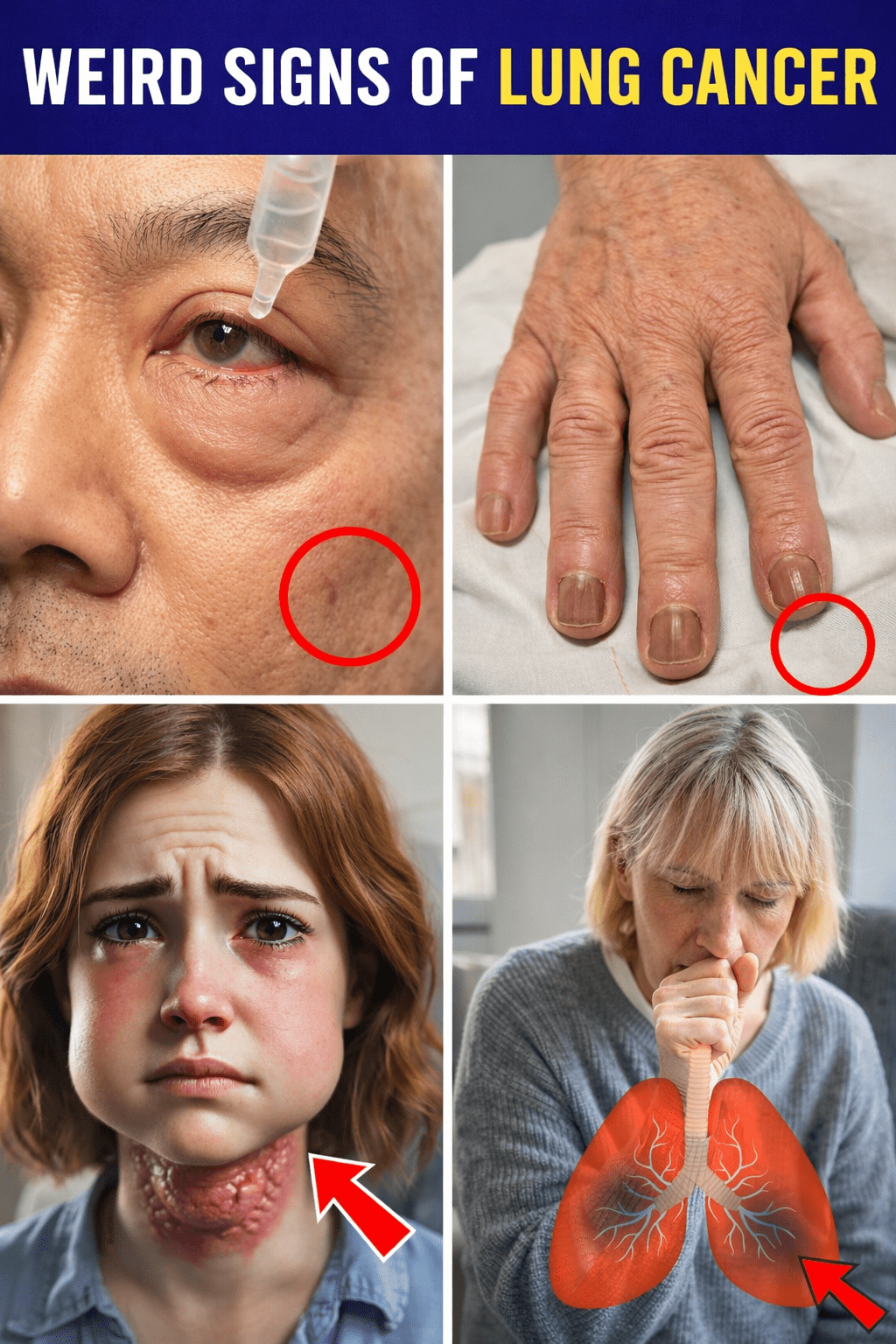
Sign 2: Swelling in the Face or Neck
Noticeable puffiness around the face, neck, or upper chest—especially if it worsens in the morning—can feel concerning. Some people mistake it for allergies or fluid retention.
In certain cases, a growth in the upper lung area can press on major blood vessels, causing blood to back up. This is known as superior vena cava syndrome and deserves prompt medical attention.
Keep an eye on whether the swelling comes and goes or persists over time.
Sign 3: Frequent Respiratory Infections That Linger
Getting bronchitis or pneumonia more often than usual, or finding that chest infections take longer to clear, can be frustrating. Antibiotics might help temporarily, but the pattern may continue.
A blockage in the airways can make it harder for the lungs to clear out bacteria and mucus, leading to repeated issues. This is another subtle clue that many overlook.
Tracking how often these infections occur can provide helpful information for your doctor.
Sign 4: Changes in the Eyes or Eyelids
A drooping eyelid, smaller pupil on one side, or reduced sweating on part of the face might seem minor at first. These changes are part of what’s called Horner syndrome.
Tumors located at the top of the lung (Pancoast tumors) can affect nearby nerves, causing these noticeable but often subtle differences.
If you spot asymmetry in your face that develops gradually, consider discussing it during your next check-up.
Sign 5: Difficulty Swallowing Food or Liquids
Feeling like food gets stuck in your throat or experiencing pain when swallowing can interfere with meals. Many people adjust by eating softer foods and don’t seek further evaluation.
Nearby growths can put pressure on the esophagus, making swallowing more challenging over time.
Pay attention if this discomfort persists beyond a short-term sore throat.
But that’s not all—there are more signs worth knowing about…

Sign 6: Ongoing Hoarseness or Voice Changes
A raspy or weak voice that lasts for weeks can affect conversations and confidence. Singers and teachers often notice this first, but anyone can experience it.
Tumors can press on nerves that control the vocal cords, leading to prolonged hoarseness.
If over-the-counter remedies don’t help after a few weeks, it’s reasonable to have it checked.
Sign 7: Changes in Fingernail Shape (Clubbing)
Fingernails that become curved or bulbous at the tips—a condition called clubbing—can develop gradually. It often starts subtly and goes unnoticed.
Low oxygen levels in the blood over time can trigger changes in nail beds and fingertip shape.
This visual change is one that many people spot during routine activities like washing hands.
Sign 8: Unexplained Shoulder or Arm Pain
Persistent pain in the shoulder, upper back, or arm without a clear injury can be puzzling. It might feel like a muscle strain that never fully heals.
Pancoast tumors can irritate nerves in the shoulder area, causing ongoing discomfort.
This type of pain is frequently dismissed as posture-related or arthritis.
Sign 9: Deep Bone Aches That Worsen
Aches in bones—especially in the back, hips, or ribs—that seem to intensify over time can disrupt sleep and daily activities.
If cancer cells spread to bones, they can cause inflammation and weakening in those areas.
Any new, persistent bone pain merits a conversation with your healthcare provider.
Sign 10: Unexplained Weight Changes
Losing or gaining weight without changes in diet or exercise can feel alarming. Rapid shifts often prompt concern, but gradual ones might go ignored.
The body’s response to cancer cells can alter metabolism and appetite, leading to these fluctuations.
Monitoring your weight regularly can help spot trends early.
Simple Habits to Support Your Lung Health Awareness
Here are practical steps you can take starting today:
- Keep a symptom journal: Note any persistent changes, including when they started and how they affect daily life.
- Schedule regular check-ups: Discuss any ongoing concerns with your doctor, especially if you have risk factors like smoking history or exposure to pollutants.
- Consider low-dose CT screening: If you’re in a higher-risk group (such as current or former smokers aged 50-80), talk to your doctor about screening options.
- Adopt lung-friendly habits: Avoid smoking, reduce exposure to secondhand smoke and air pollution, and stay active.
Research from organizations like the American Lung Association emphasizes that quitting smoking at any age can significantly lower risks.
Risk Factors vs. Protective Steps
| Factor | Common Association | Supportive Action |
|---|---|---|
| Smoking history | Highest risk factor | Seek support to quit permanently |
| Air pollution exposure | Increasing concern in urban areas | Use air purifiers and monitor quality |
| Family history | May play a role | Discuss screening with your doctor |
| Regular exercise | Supports overall health | Aim for 30 minutes most days |
| Balanced nutrition | Helps immune function | Include fruits, vegetables, whole grains |
Final Thoughts: Taking Control of Your Health
Recognizing these subtle signs doesn’t mean jumping to conclusions—it simply means listening to your body and seeking professional guidance when something feels off. Early conversations with healthcare providers can open doors to better understanding and peace of mind.
You’ve now learned about 10 often-overlooked signals that many people dismiss. By staying informed and proactive, you’re already taking an important step toward protecting your health.
Remember, knowledge combined with action can make all the difference.
Frequently Asked Questions
What should I do if I notice one or more of these signs?
Track your symptoms for a couple of weeks, then schedule an appointment with your healthcare provider to discuss them openly.
Are these signs always related to lung cancer?
No, many can have other common causes like infections or stress. Only a medical professional can determine the underlying reason through proper evaluation.
Who is at higher risk for lung cancer?
Current and former smokers, people exposed to radon or workplace hazards, and those with a family history face higher risks, according to major health organizations.
This article is for informational purposes only and is not a substitute for professional medical advice, diagnosis, or treatment. Always consult your healthcare provider if you have concerns about your health.


