
Many people start taking atorvastatin to support heart health after a routine checkup. Yet, over time, some notice unexpected changes like muscle soreness, low energy, or occasional digestive discomfort that can make everyday activities feel harder. These experiences are more common than many expect, and they often leave people wondering if there’s a connection to their medication. The good news? Simple lifestyle adjustments and supportive habits can often help maintain better daily comfort while continuing your prescribed plan.
Stick with me — toward the end, I’ll share practical steps that many find helpful for feeling more like themselves again.

Understanding Common Side Effects of Atorvastatin
Atorvastatin belongs to a group of medications called statins, widely used to help manage cholesterol levels. Research shows that while most people tolerate it well, a portion experience side effects that can affect quality of life.
Studies, including reviews from reputable sources like the Mayo Clinic, indicate that muscle-related discomfort is among the most reported issues. Other common ones include fatigue, digestive changes, and occasional headaches.
The key is recognizing these early and discussing them openly with your healthcare provider.
But that’s just the starting point. Let’s look closer at what people often notice.
Muscle Discomfort: Why It Happens and Everyday Support Ideas
One of the most frequently mentioned side effects is muscle aches or weakness, sometimes described as feeling heavier than usual during walks or daily tasks.
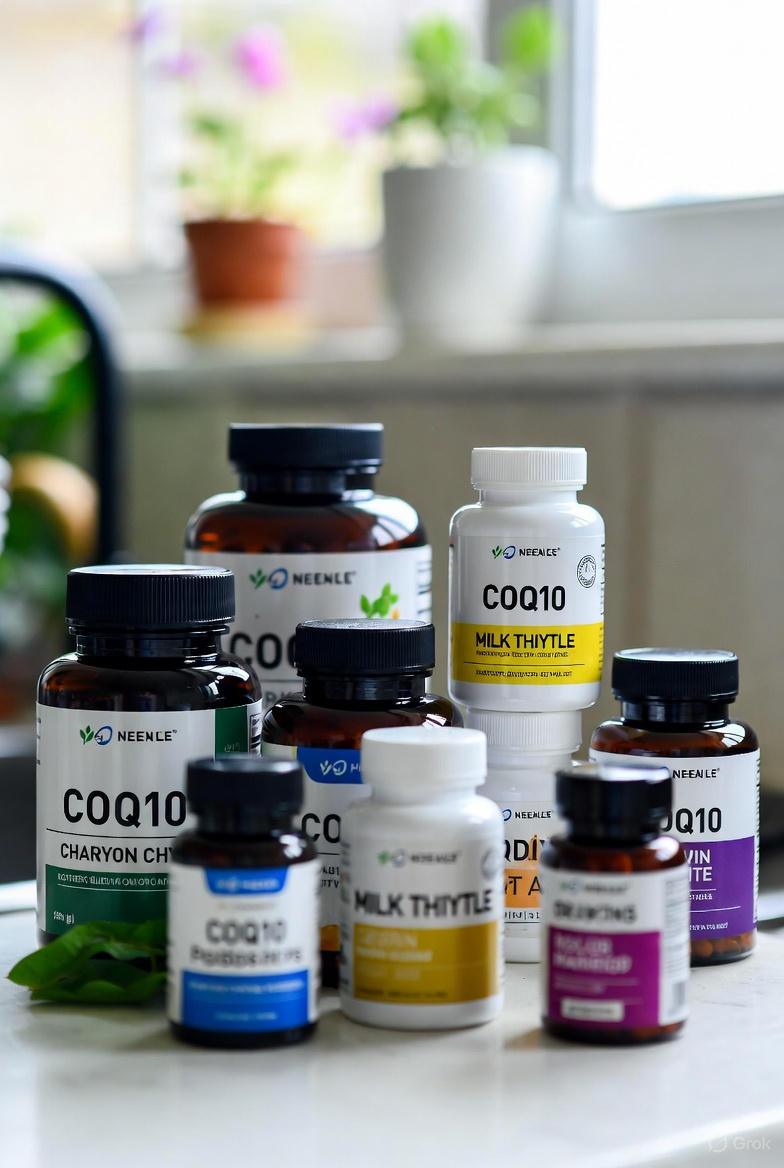
Research suggests this may relate to how statins affect CoQ10, a natural compound important for muscle energy. A decline in CoQ10 levels can contribute to that tired feeling in the legs or arms.
Many find relief through gentle habits:
- Staying well-hydrated throughout the day
- Adding light stretches or short walks to your routine
- Considering foods rich in antioxidants, like berries or leafy greens
Some studies mention that supplementing with CoQ10 under medical guidance helps restore energy for certain individuals. Always check with your doctor first.
Here’s a simple daily checklist many use:
- Drink at least 8 glasses of water
- Include a 10-minute gentle stretch in the morning
- Eat a balanced meal with protein and veggies
These small steps can add up over time.
Fatigue and Low Energy: Regaining Your Daily Rhythm
Feeling more tired than usual, even after a good night’s sleep? Fatigue is another common report among statin users.
Evidence points to mitochondrial function — the energy factories in our cells — being affected by lower CoQ10.
To support natural energy levels:
- Prioritize consistent sleep schedules
- Include moderate activity like walking in natural light
- Focus on nutrient-dense foods, such as nuts, seeds, and whole grains
Morning sunlight exposure for 10-15 minutes can also help regulate your body’s natural rhythm, according to circadian research.
Many notice gradual improvement with these consistent habits.
But that’s not all — digestive comfort plays a big role too.
Digestive Changes: Simple Ways to Support Gut Health
Some people experience bloating, constipation, or loose stools while on atorvastatin.
This may stem from changes in gut bacteria balance or bile acid production.
Helpful approaches include:
- Eating more fiber-rich foods gradually (oats, fruits, vegetables)
- Staying active to promote regular digestion
- Including probiotic-rich options like yogurt or kefir
A 2023 review in nutritional journals highlights how dietary fiber supports overall gut comfort.
Start small — add one high-fiber food per meal and track how you feel.
Brain Fog and Memory Concerns: Keeping Your Mind Sharp
Occasional difficulty concentrating or mild memory lapses worry many statin users.
The FDA has noted reports of cognitive effects since 2012, though they often resolve after adjustment.
To support mental clarity:
- Engage in brain-stimulating activities like reading or puzzles
- Get regular physical movement to boost blood flow
- Include omega-3 sources such as fatty fish or walnuts
Research in neurology journals suggests these lifestyle factors contribute to cognitive health over time.
The interesting part? Many report sharper focus after consistent healthy routines.
Blood Sugar Monitoring: Why Awareness Matters
Some studies, including a large meta-analysis in The Lancet, suggest statins may slightly increase blood sugar levels in certain people.
This doesn’t mean everyone will experience it, but regular checkups help catch changes early.
Supportive habits include:
- Choosing whole foods over processed ones
- Pairing carbs with protein and healthy fats
- Walking after meals to help stabilize energy
Your doctor can guide personalized monitoring.
Other Occasional Effects: Headaches, Sleep, and More
Headaches, sleep disturbances, or mild dizziness sometimes occur, especially when starting medication.
Tips that often help:
- Taking the pill at the same time daily (often evening works best)
- Practicing relaxation techniques before bed
- Limiting caffeine in the afternoon
For joint stiffness, gentle yoga or swimming provides low-impact support.
A Quick Comparison: Common Side Effects vs. Supportive Habits
| Side Effect Area | Possible Contributor | Everyday Support Ideas | Typical Timeline for Noticeable Change |
|---|---|---|---|
| Muscle discomfort | CoQ10 reduction | Hydration, light activity, antioxidant foods | 1-4 weeks |
| Fatigue | Energy production changes | Consistent sleep, morning light | 2-6 weeks |
| Digestive issues | Gut balance shifts | Fiber-rich meals, probiotics | 1-3 weeks |
| Mental clarity | Cholesterol role in brain | Brain games, omega-3 foods | 4-8 weeks |
| Blood sugar awareness | Slight metabolic shift | Balanced plates, post-meal walks | Ongoing monitoring |
These are general observations from studies — individual results vary.
Your 30-Day Comfort Plan: Step-by-Step Guide
Ready to feel more energized? Here’s a gentle roadmap many follow:
Week 1: Focus on hydration and add a daily 10-minute walk. Track energy levels in a simple notebook.
Week 2: Include more whole foods and fiber. Note any digestive improvements.
Week 3: Add relaxation techniques and consistent bedtime. Monitor sleep quality.
Week 4: Review your notes with your doctor. Discuss any ongoing concerns.
Small, sustainable changes often make the biggest difference.
The real game-changer? Open conversations with your healthcare team about what you’re experiencing.
Conclusion: Taking Control of Your Daily Well-Being
Atorvastatin helps millions support heart health, but side effects can impact daily comfort for some. By staying aware, adopting supportive habits, and maintaining regular doctor visits, many people find a better balance.
Remember — you’re in charge of noticing changes and speaking up. Simple adjustments like better hydration, movement, and nutrition often help you feel more like yourself.
Start with one small step today. Your future self will thank you.
Frequently Asked Questions
1. How long do atorvastatin side effects typically last?
Many mild effects improve within weeks as the body adjusts, but always consult your doctor if they persist.
2. Can lifestyle changes help while taking atorvastatin?
Yes — regular movement, balanced eating, and good sleep often support overall comfort, according to health guidelines.
3. When should I contact my doctor about side effects?
Reach out promptly for severe muscle pain, dark urine, yellowing skin, or any concerning symptoms.
Disclaimer: This article is for informational purposes only and is not medical advice. Always consult your healthcare provider before making changes to your medication or starting new supplements, especially if you have existing health conditions.


