
Many people notice subtle changes in their skin over time, like uneven tone or the appearance of fine lines, which can sometimes affect how they feel about their reflection in the mirror. These everyday concerns might lead to experimenting with various products, yet simple kitchen staples could provide an interesting alternative worth considering. Imagine discovering that something as common as an onion might hold components beneficial for skin maintenance. But there’s more to it than just slicing one up—keep reading to uncover a straightforward method that incorporates this ingredient safely into your routine.
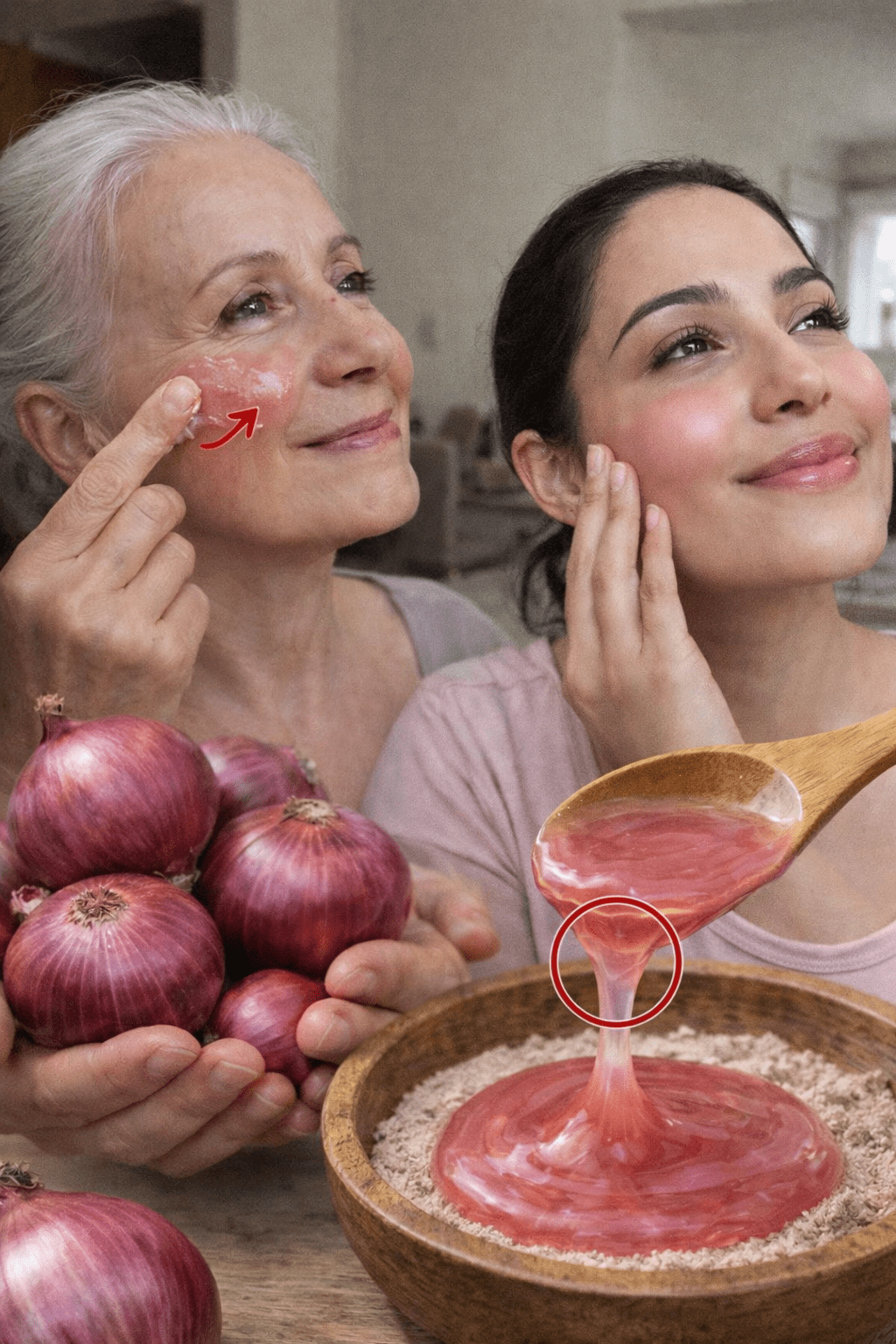
What Makes Onion a Candidate for Skin Care?
Onions, particularly red varieties, contain a variety of compounds that have caught the attention of researchers interested in natural skin care options. At the heart of it are antioxidants like quercetin, which is known for its potential to combat free radicals that contribute to skin aging. Vitamin C is another key player, often linked to supporting collagen production and promoting a brighter complexion.
Sulfur compounds in onions add to their profile, potentially offering anti-inflammatory effects that could soothe irritated skin. Studies have explored how these elements might influence skin health without the need for complex formulations.
But that’s not all. Onions also boast antibacterial properties, which some preliminary research suggests could help in managing minor skin blemishes. This makes them an intriguing addition to homemade remedies.
Exploring the Potential Benefits of Onion for Skin
When it comes to skin care, onions have been studied for their role in addressing common concerns like pigmentation and texture. For instance, research indicates that onion extracts may help in lightening dark spots by influencing melanin production, the pigment responsible for skin color.
Another area of interest is anti-aging. Compounds in onions, such as flavonoids, have shown promise in reducing the appearance of wrinkles through their antioxidant activity, as noted in various studies. This could support overall skin resilience.
Here’s a quick list of potential advantages based on available evidence:
- Brightening Effect: May assist in evening out skin tone by targeting hyperpigmentation.
- Antioxidant Support: Helps protect against environmental stressors that can dull the skin.
- Anti-Inflammatory Properties: Could calm redness and minor irritations.
- Scar Reduction: Some gels containing onion extract have been used to improve the look of scars.
The truth is, while these benefits sound promising, they’re often observed in controlled settings or small-scale trials. More extensive research is needed to fully understand their impact.
How to Prepare Onion Juice at Home Safely
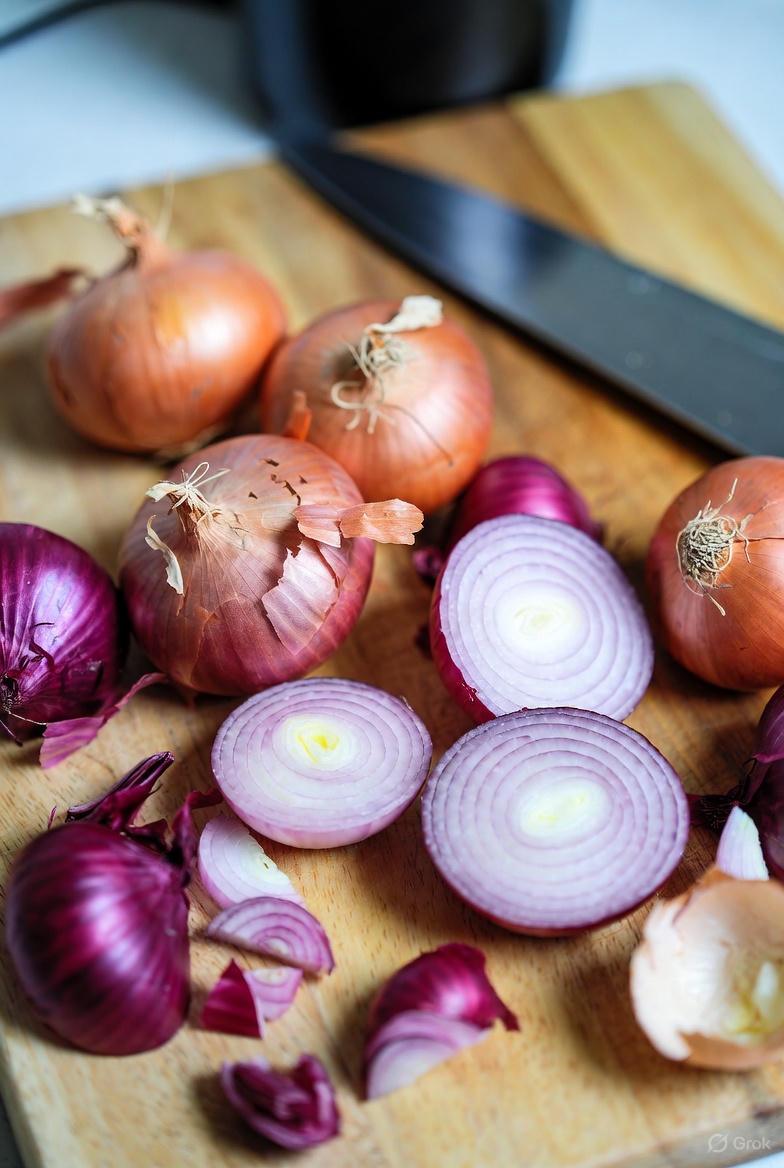
Preparing onion juice doesn’t require fancy equipment—just a few basic steps to ensure it’s ready for use. Start by selecting fresh, organic onions if possible, to minimize exposure to pesticides.
First, peel and chop one medium red onion into small pieces. Blend them in a food processor until smooth, then strain the mixture through a cheesecloth to extract the juice. This yields a clear liquid that’s potent yet gentle when diluted.
To address the strong odor, let the juice sit in the refrigerator for about 30 minutes uncovered. This allows some volatile compounds to dissipate, making it more pleasant for application.
Safety comes first. Always perform a patch test by applying a small amount to your inner arm and waiting 24 hours to check for any reaction. If irritation occurs, rinse immediately and discontinue use.
Step-by-Step Guide to Applying Onion Juice to Your Face
Incorporating onion juice into your routine can be straightforward. Begin with a clean face, using your usual gentle cleanser to remove any makeup or dirt.
Dip a cotton ball into the prepared juice and gently swipe it over your skin, avoiding the eye area to prevent stinging. Leave it on for 10-15 minutes, then rinse with cool water.
For enhanced effects, consider mixing it with other natural ingredients. A simple blend of one tablespoon of onion juice and one teaspoon of honey can create a soothing mask. Apply evenly, relax for the duration, and wash off.
Repeat this 2-3 times a week, but listen to your skin—if it feels dry, reduce frequency or add a moisturizer afterward.
Here’s the interesting part: Consistency is key, but combining this with a balanced diet rich in fruits and vegetables can amplify overall skin health.
Comparing Onion to Other Natural Skin Care Ingredients
To put onion in perspective, let’s look at how it stacks up against popular alternatives in a simple table:
| Ingredient | Key Components | Potential Skin Benefits | Ease of Use at Home |
|---|---|---|---|
| Onion | Quercetin, Vitamin C, Sulfur | May brighten tone, reduce inflammation | Easy to extract juice, but strong smell |
| Lemon | Citric Acid, Vitamin C | Brightening, exfoliating | Quick squeeze, but can be irritating |
| Aloe Vera | Polysaccharides, Vitamins | Soothing, hydrating | Gel from plant, very gentle |
| Turmeric | Curcumin | Anti-inflammatory, antioxidant | Powder mix, may stain skin |
This comparison shows onion’s unique profile, but remember, what works best varies by individual skin type.
Addressing Potential Risks and Precautions
No natural remedy is without caveats. While onions are generally considered safe for topical use, some people might experience skin irritation, such as redness or itching, due to their potent compounds.
Allergies are rare but possible—symptoms could include rashes or watery eyes upon contact. If you have sensitive skin, dilute the juice with water or carrier oils like coconut.
Avoid applying to broken skin or near mucous membranes. And if you’re pregnant or have underlying conditions, it’s wise to consult a professional before trying new routines.
The reality is, natural ingredients like onion can complement your skin care, but they’re not substitutes for medical advice.
Simple Recipes to Try with Onion
Ready to experiment? Here are a couple of easy recipes:
- Onion and Honey Mask: Mix equal parts onion juice and raw honey. Apply for 15 minutes to potentially hydrate and brighten.
- Onion with Turmeric Blend: Add a pinch of turmeric to onion juice for an anti-inflammatory boost. Use sparingly to avoid staining.
These can be made in minutes and stored in the fridge for up to a week.
But wait, there’s a twist—pairing this with sun protection daily can help maintain any gains in skin appearance.
Wrapping Up: Integrating Onion into Your Lifestyle
In summary, onions offer an accessible way to explore natural skin care, with components that may support brightness and texture based on emerging research. By preparing and applying it thoughtfully, you can add this to your regimen without much hassle.
Remember, skin health is holistic—combine this with good hydration, sleep, and nutrition for the best approach.
Frequently Asked Questions
What types of onions are best for skin care?
Red onions are often recommended due to their higher quercetin content, which may provide stronger antioxidant effects compared to white or yellow varieties.
How often should I use onion juice on my face?
Start with 2-3 times per week to observe how your skin responds, adjusting based on tolerance and avoiding daily use to prevent potential dryness.
Can onion juice interact with other skin products?
It’s generally compatible, but avoid mixing with strong acids like retinoids on the same day to minimize irritation—always layer mindfully.
This article is for informational purposes only and not intended as medical advice. Consult a healthcare professional before trying new skin care practices, especially if you have skin conditions or allergies.


