
Many people over 50 notice subtle changes in energy levels, occasional lower back discomfort, or morning puffiness around the eyes. These signs can stem from the natural slowdown in kidney function that often begins around this age, as the organs work harder to filter daily waste. The good news is that certain kitchen spices show promise in research for supporting healthy inflammation responses and overall wellness.
But here’s the intriguing part: one of these spices, often overlooked in everyday cooking, has caught researchers’ attention for its potential role in promoting better fluid balance. Keep reading to uncover the top five and see which might fit easily into your routine.

Why Kidney Support Matters More After 50
As we age, kidneys naturally filter blood a bit less efficiently. Factors like blood pressure, blood sugar fluctuations, and daily oxidative stress can add up over time.
Research suggests that compounds in certain spices may help maintain healthy antioxidant levels and support normal inflammatory processes. Studies, including those published in journals like the Journal of Renal Nutrition, point to potential benefits from regular, moderate intake of specific spices.
That said, these are supportive habits, not replacements for medical care. Always chat with your doctor before trying new routines.
The Role of Antioxidants and Anti-Inflammatory Compounds in Spices
Many spices contain natural plant compounds that act as antioxidants. These help combat everyday oxidative stress, which research links to healthier cell function in various organs, including the kidneys.
Animal and some human studies show these compounds may promote better blood flow and support normal detoxification pathways. But results vary, and more large-scale human trials are needed.
Here’s the exciting part: incorporating these spices into meals could make healthy eating more enjoyable while potentially offering gentle support.
Top 5 Spices Worth Exploring for Daily Wellness
Let’s break down five common spices backed by emerging research for their potential kidney-supporting properties.
1. Turmeric: The Golden Spice with Curcumin
Turmeric’s bright color comes from curcumin, a compound studied extensively for its antioxidant effects.
Preliminary research, including reviews in PubMed, suggests curcumin may help maintain healthy inflammation markers and support filtration processes in lab and animal models. Small human trials show mixed results on markers like proteinuria.
Easy way to add it: Mix 1/2 teaspoon into warm milk with a pinch of black pepper for better absorption, or sprinkle on roasted veggies.
2. Ginger: A Warming Root for Daily Comfort
Ginger contains gingerols, compounds that studies link to improved circulation and gentle diuretic-like effects.
Animal research indicates ginger may protect against oxidative stress in kidney tissues. Human observations note better energy and less swelling in some individuals.
Quick tip: Grate fresh ginger into hot water for a morning tea, starting with 1 teaspoon.
3. Cinnamon (Preferably Ceylon Variety): Supporting Blood Sugar Balance
Cinnamon, especially the Ceylon type (lower in coumarin), has been researched for helping stabilize blood sugar responses.
Since balanced blood sugar supports overall vascular health, this indirectly benefits kidneys. Studies in diabetic models show promising effects on filtration markers.
How to use: Add 1/2 teaspoon to oatmeal or yogurt. Choose Ceylon for everyday use.
4. Coriander Seeds: Gentle and Versatile
Coriander seeds offer mild diuretic properties in traditional use, with lab studies suggesting antioxidant support.
Limited animal research points to potential protection against toxin-induced stress.
Simple preparation: Lightly crush seeds and steep in hot water for a refreshing drink.
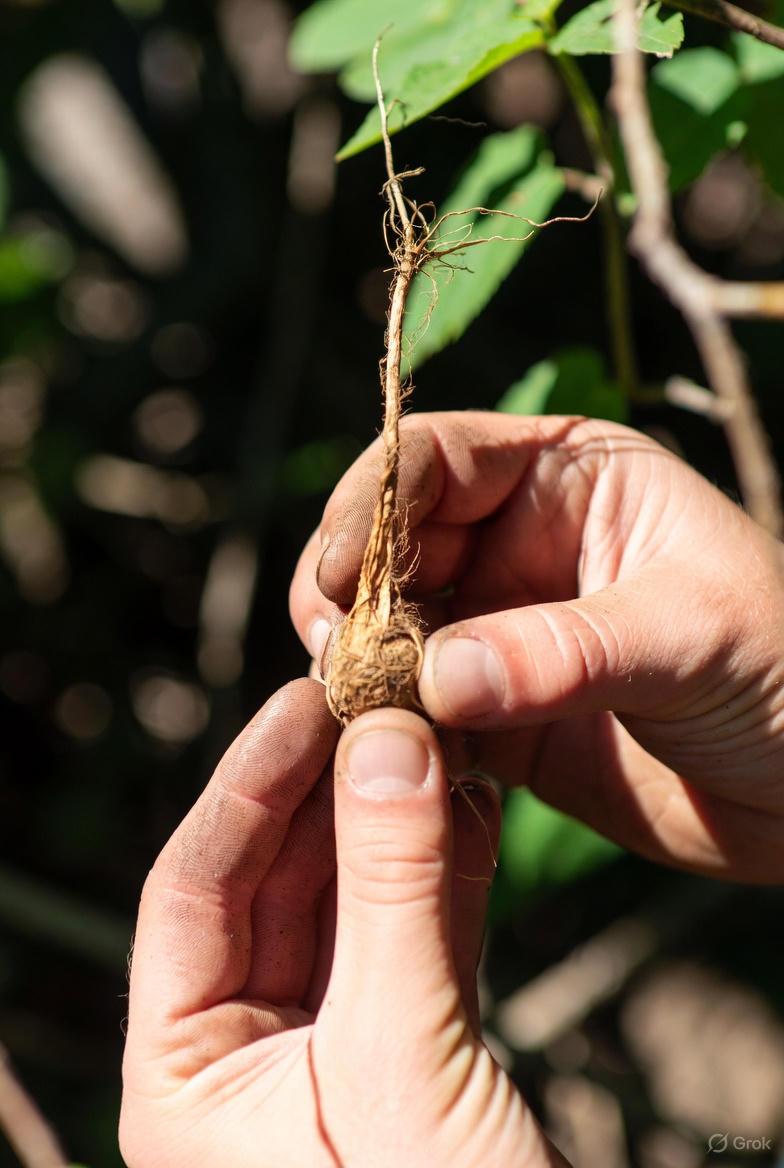
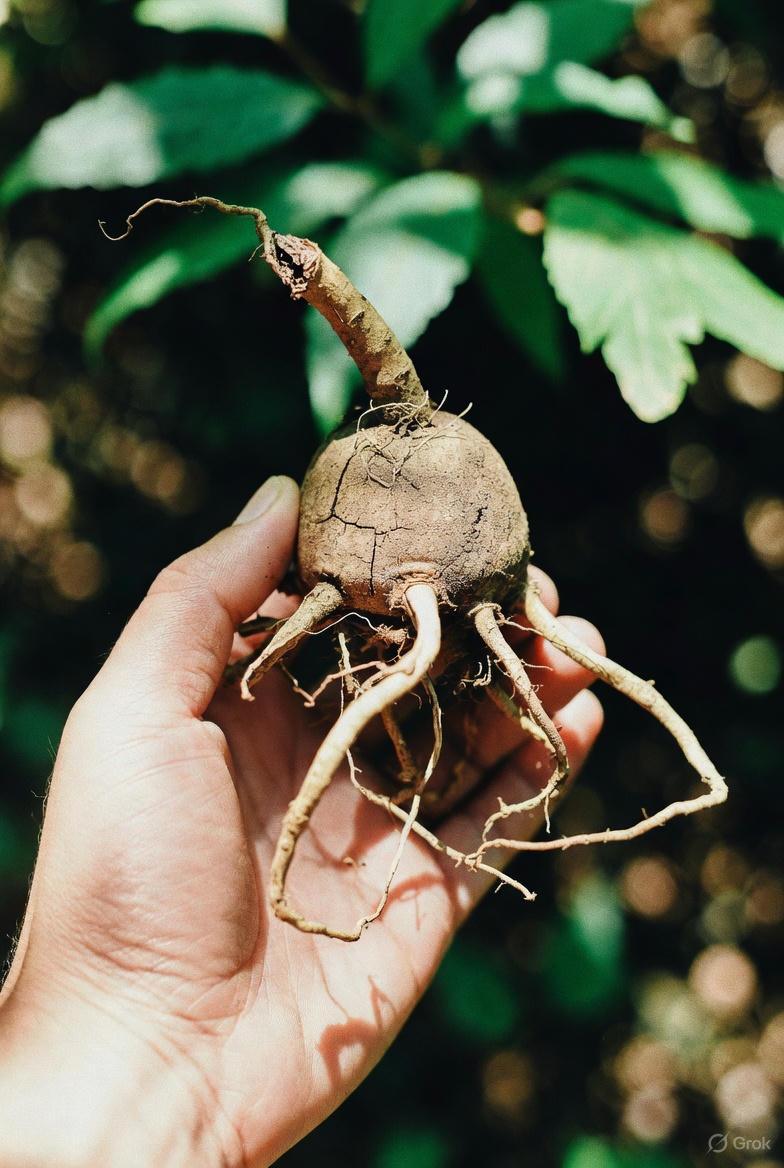
5. Dandelion Root: Nature’s Traditional Diuretic
Often brewed as tea, dandelion root has a long history as a natural diuretic.
Small human pilots and animal studies suggest it increases urine output without depleting key minerals like potassium.
Brewing idea: Use dried root for a coffee-like tea, 1-2 teaspoons per cup.
Comparison of These Spices: Key Compounds and Research Highlights
| Spice | Main Compounds | Potential Benefits Noted in Studies | Best Daily Amount Suggestion |
|---|---|---|---|
| Turmeric | Curcumin | Antioxidant support, healthy inflammation response | 1/2–1 tsp with pepper |
| Ginger | Gingerols, shogaols | Circulation support, mild diuretic effects | 1–2 tsp fresh grated |
| Ceylon Cinnamon | Cinnamaldehyde, polyphenols | Blood sugar stability | 1/2–1 tsp |
| Coriander Seeds | Linalool, flavonoids | Gentle detoxification pathways | 1–2 tsp steeped |
| Dandelion Root | Taraxasterol, inulin | Increased urine flow, mineral balance | 1–2 tsp dried in tea |
Research sources include PubMed reviews and journals like BMC Nephrology. Effects vary by individual.
Practical Ways to Incorporate These Spices Daily
Start small to avoid digestive upset.
- Morning: Ginger or dandelion tea.
- Midday: Turmeric in soups or coriander in salads.
- Evening: Cinnamon in herbal tea.
Sample daily routine:
- Breakfast: Oatmeal with cinnamon.
- Lunch: Veggies seasoned with turmeric.
- Afternoon: Ginger water.
- Dinner: Coriander-infused rice.
- Evening: Dandelion root brew.
Many notice better hydration and energy within weeks, though individual results differ.
Frequently Asked Questions
Can these spices replace my kidney medications?
No. They are dietary additions only. Always follow your doctor’s plan.
Are there any risks for people with existing kidney concerns?
Some spices act as mild diuretics, so monitor fluid intake. High doses of turmeric may increase oxalate risks in stone-prone individuals. Consult your healthcare provider.
How much is safe to start with?
Begin with small amounts, like 1/2 teaspoon daily per spice, and increase gradually if tolerated.
Final Thoughts
Adding these five spices to your meals could make healthy eating more flavorful while offering potential gentle support for wellness after 50. Research is encouraging but ongoing—focus on variety, moderation, and enjoyment.
This information is for educational purposes only and is not medical advice. Consult your healthcare provider before making dietary changes, especially if you have kidney concerns or take medications.


