
Many people notice subtle changes as they get older, like occasional stiffness in the joints, feeling a bit sluggish in the afternoons, or struggling with everyday energy levels. These small discomforts can add up, making daily life feel more tiring than it used to. You might find yourself reaching for quick fixes that don’t always help in the long run.
The good news is that simple, natural habits from your kitchen could offer gentle support. One surprising option hiding in most spice cabinets is cloves—a fragrant spice long used in traditional wellness practices. But what makes a warm cup of clove tea stand out, and why might it be worth trying? Keep reading to discover the details, backed by what research suggests.

What Makes Cloves So Special?
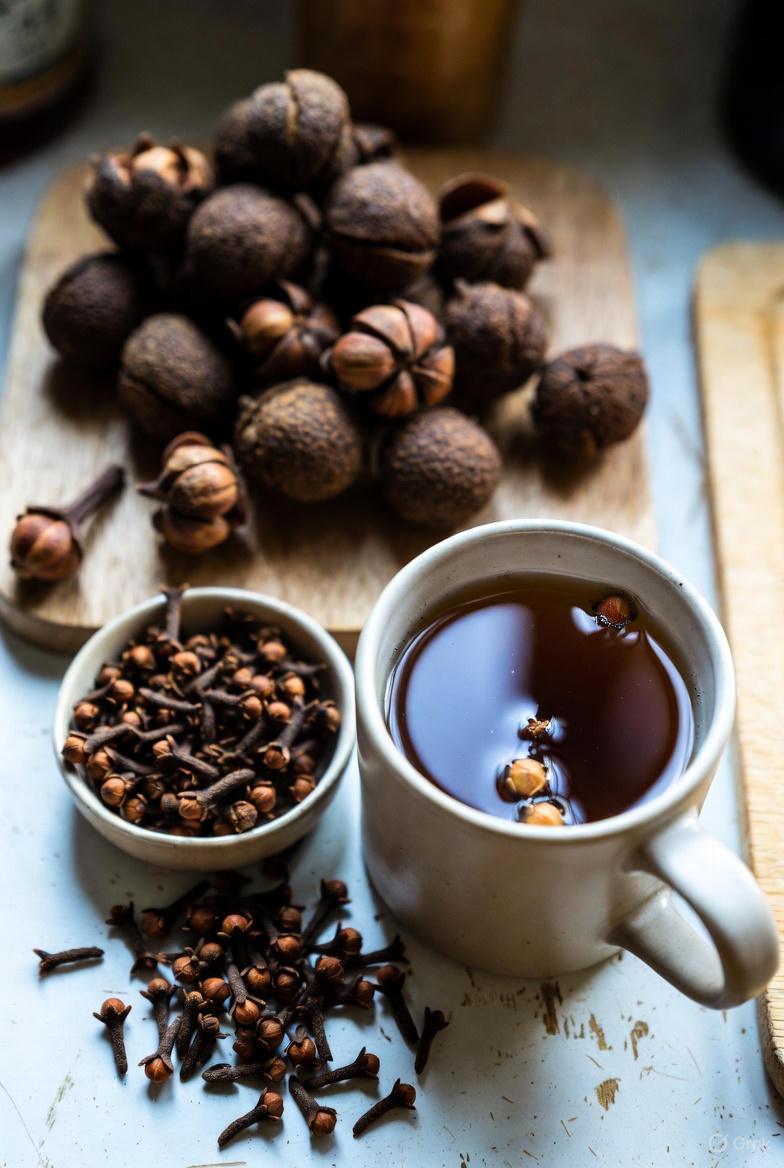
Cloves come from the dried flower buds of an evergreen tree native to Indonesia. They’ve been valued for centuries in cuisines and home remedies around the world. The key compound in cloves is eugenol, a natural plant chemical that gives them their warm, spicy aroma.
Research, including studies published in journals like Phytotherapy Research and the Journal of Medicinal Food, points to eugenol’s potential antioxidant and anti-inflammatory properties. These may help the body handle everyday stressors more effectively.
But that’s just the start. Here’s a closer look at some ways clove tea might support your routine.
Potential Ways Clove Tea Could Support Daily Comfort
Adding a cup of clove tea to your day is easy, and many people enjoy its warming flavor. Here are some areas where preliminary research and traditional use suggest benefits:
- Powerful Antioxidants for Everyday Protection
Cloves rank high in antioxidant content. According to ORAC (Oxygen Radical Absorbance Capacity) measurements from sources like the USDA database, ground cloves score around 314,446 μmol TE/100g—much higher than many common fruits and teas. Antioxidants help neutralize free radicals, which play a role in oxidative stress. - Gentle Support for Joint and Muscle Comfort
The anti-inflammatory effects of eugenol have been noted in lab and animal studies. This could contribute to feeling more at ease after a busy day or light activity. - Warming Sensation for Better Circulation
Some people report warmer hands and feet after enjoying clove tea. Compounds in cloves may help relax blood vessels, as suggested by early research. - Soothing Digestive Aid
Traditionally used to ease occasional bloating or indigestion, cloves may support healthy digestion thanks to their natural properties. - Immune System Boost from Antioxidants
High antioxidant levels could help your body stay resilient, especially during seasonal changes.
But hold on—these are based on available studies, mostly in labs or animals. Human experiences vary, and more research is always welcome.
How Does Clove Tea Compare to Other Popular Options?
To put things in perspective, here’s a quick comparison of antioxidant power (ORAC scores per 100g, based on reliable databases):
| Source | ORAC Score (μmol TE/100g) | Notes |
|---|---|---|
| Whole Cloves | ~314,446 | Exceptionally high |
| Ground Cinnamon | ~267,536 | Another warming spice |
| Fresh Ginger | ~14,840 | Common in teas |
| Blueberries | ~4,669 | Popular superfood |
| Green Tea (brewed) | ~1,253 | Well-known for antioxidants |
Just a few cloves in your tea deliver a concentrated boost—far more than a handful of berries.
This isn’t to say one is better overall; variety in your diet is key. But cloves pack a lot into a small amount.
Easy Step-by-Step Guide to Making Clove Tea at Home
Ready to try it? It’s simple and takes just minutes. Here’s a beginner-friendly recipe:
- Gather Your Ingredients
Use 4–6 whole organic cloves (fresh ones release more flavor). Avoid ground if possible for better potency. - Prepare the Water
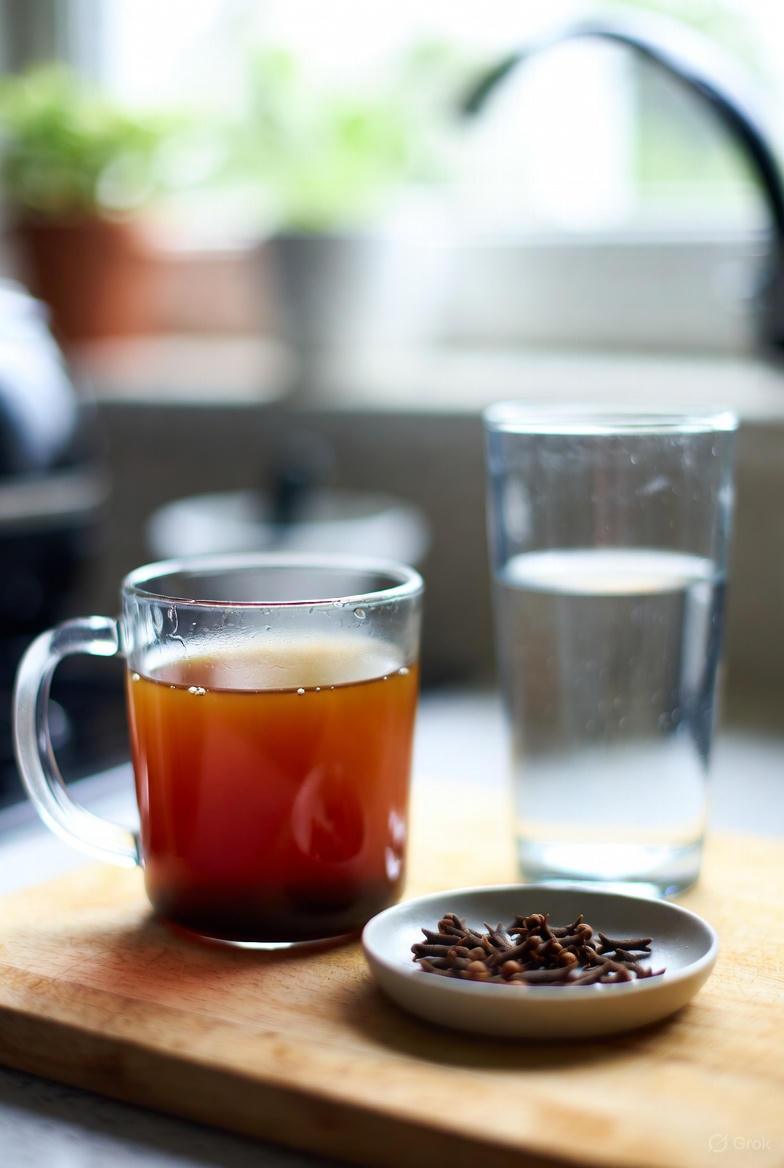
Bring 8–10 ounces of fresh water to a near boil (not rolling boil, to preserve compounds). - Steep Properly
Add the cloves to your mug, pour the hot water over them, and cover. Let steep for 10–15 minutes—the longer, the stronger. - Strain and Enjoy
Remove the cloves (or leave them if you like it bold). Add a touch of raw honey or a cinnamon stick for extra warmth if desired. - Best Times to Sip
Morning for a gentle start, afternoon for a pick-me-up, or evening to unwind.
Pro tip: Start with fewer cloves if you’re new to it, and listen to how your body responds.
Many find one cup a day fits seamlessly into their routine. For a twist, try adding a crushed cardamom pod—it creates a chai-like flavor with added antioxidants.
What Does the Research Really Say About Key Areas?
Science is ongoing, but here’s a balanced view:
- Antioxidant Support: Studies confirm cloves’ high eugenol content acts as a strong antioxidant, potentially more effective than some vitamins in lab tests.
- Inflammation and Comfort: Animal and cell studies show eugenol may calm inflammatory pathways, which could explain why some feel relief from minor aches.
- Metabolism and Energy: Preliminary animal research hints at support for healthy metabolism, but human evidence is limited.
- Other Areas: Early findings suggest possible benefits for oral health, liver protection, and blood sugar balance, but these need more confirmation.
Always remember: These are supportive habits, not replacements for medical advice.
Frequently Asked Questions About Clove Tea
Is clove tea safe to drink every day?
In moderate amounts (1–2 cups), it’s generally considered safe for most healthy adults. Stick to culinary doses.
Can anyone drink clove tea?
Most can, but consult a doctor if you’re pregnant, nursing, on blood-thinning medications, or have gallbladder concerns—eugenol is potent.
How much is too much?
Avoid exceeding 6–8 cloves per day. Overuse could lead to side effects like nausea or interactions.
Final Thoughts: A Small Habit with Potential
Incorporating clove tea could be a soothing, flavorful addition to your wellness routine. Its rich antioxidants and traditional uses make it an intriguing option for supporting daily comfort and vitality.
Start small, enjoy the process, and notice how you feel over a week or two. Your spice cabinet might just hold a simple secret to feeling a bit better each day.
Disclaimer: This article is for informational purposes only and is not intended as medical advice. Clove tea may support general wellness but does not diagnose, treat, cure, or prevent any disease. Always consult your healthcare provider before starting new habits, especially if you have health conditions or take medications.
(Word count: approximately 1,350)


